

“
Funny thing is, we had no idea that what we were doing was groundbreaking or revolutionary. Doing a TV show in the morning, a Beach Boys track or a Phil Spector session in the afternoon, then working with Frank Sinatra or Simon & Garfunkel after that—that was normal to us. We were working musicians, playing great music. We got the job done, and we made a hell of a lot of money doing it.”
Hal Blaine
The Wrecking Crew was the informal name given to a group of elite Los Angeles studio musicians who played on thousands of recordings during the 1960s and early 1970s. Although most music fans knew the names of the singers and bands topping the charts, few realized that many of the instrumental performances they loved were often created by a relatively small circle of highly skilled session musicians.
These players became the backbone of the American recording industry, contributing to countless hit records across rock, pop, folk, surf, television, and film music. Their remarkable versatility, professionalism, and speed made them indispensable to producers, composers, and bands whose lead members - say it quietly - couldn’t quite nail the more difficult musical parts.
The Wrecking Crew was not an official band with a fixed membership but rather a loose network of musicians who frequently worked together in Los Angeles recording studios. The nickname was popularized years later, although some accounts suggest that older musicians jokingly referred to the younger generation as “the Wrecking Crew” because they were “wrecking” the traditional music business with their rock-and-roll influences. Whether or not the story is entirely accurate, the name has become synonymous with an extraordinary level of musical excellence.
“
You don’t make mistakes in the studio. If you make mistakes, you don’t work.”
Tommy Tedesco
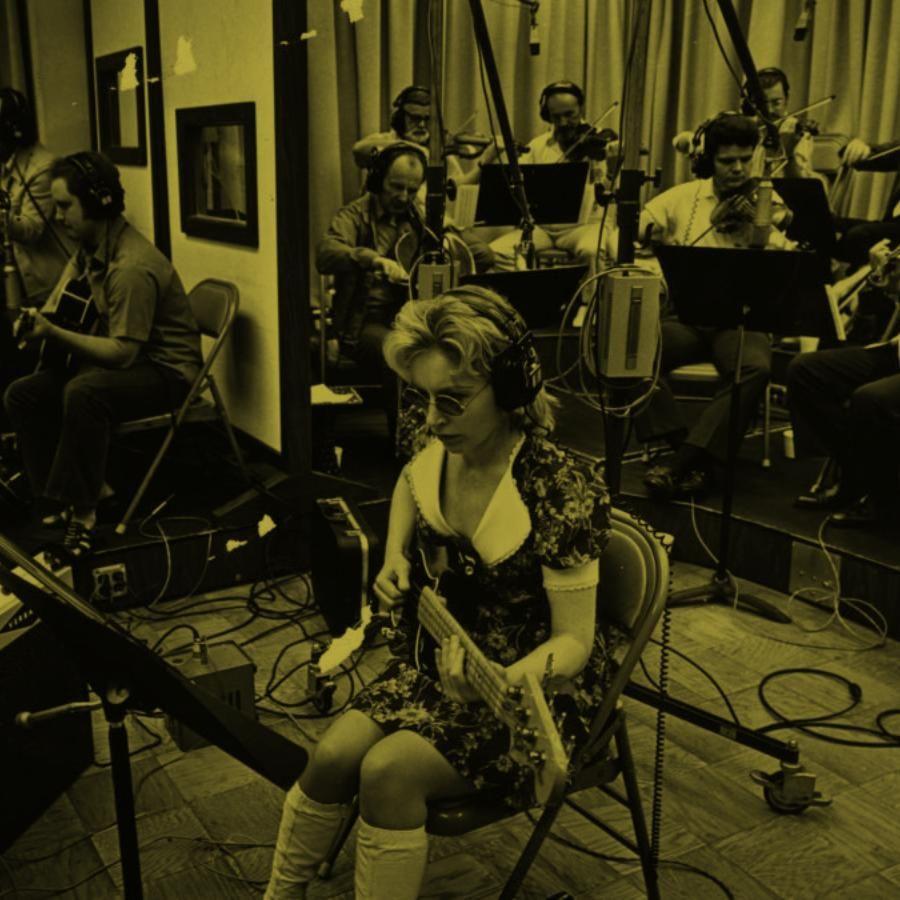
Among the most prominent members were guitarist Tommy Tedesco, legendary female bassist Carol Kaye - a rarity in the mostly male dominated session scene at that time - drummers Hal Blaine and veteran Earl Palmer, keyboard player Don Randi, guitarist Glen Campbell (yes, that Glen Campbell), bassist Joe Osborn, keyboardist Larry Knechtel, etc. Each brought exceptional technical ability and the rare talent of adapting instantly to different musical styles. On any given day, they might record a surf rock hit in the morning, a television theme in the afternoon, and an orchestral pop ballad in the evening. Their ability to read music, improvise, and perform flawlessly under pressure made them the first choice for producers throughout the industry.
Much of the Wrecking Crew’s success was tied to the flourishing recording scene in Los Angeles. Studios such as Capitol, Gold Star, Western Recorders, and United Western became hubs for recording sessions, while producers like Phil Spector, Brian Wilson, Lou Adler and David Axelrod relied heavily on these musicians to realize ambitious musical ideas. Recording technology was advancing rapidly, producers and writers such as Brian Wilson demanded increasingly sophisticated arrangements. The Wrecking Crew possessed the technical precision and creative instincts needed to transform written charts into iconic performances.
Perhaps the most famous producer to depend on the group was Phil Spector, whose celebrated “Wall of Sound” technique required multiple guitars, pianos, percussion instruments, and rhythm players working together to create a dense, powerful sonic landscape. The Wrecking Crew formed the foundation of this approach, performing on classic recordings such as “You’ve Lost That Lovin’ Feelin’” by The Righteous Brothers and many hits by The Ronettes and The Crystals. Their ability to blend tightly while maintaining clarity was essential to Spector’s distinctive productions.
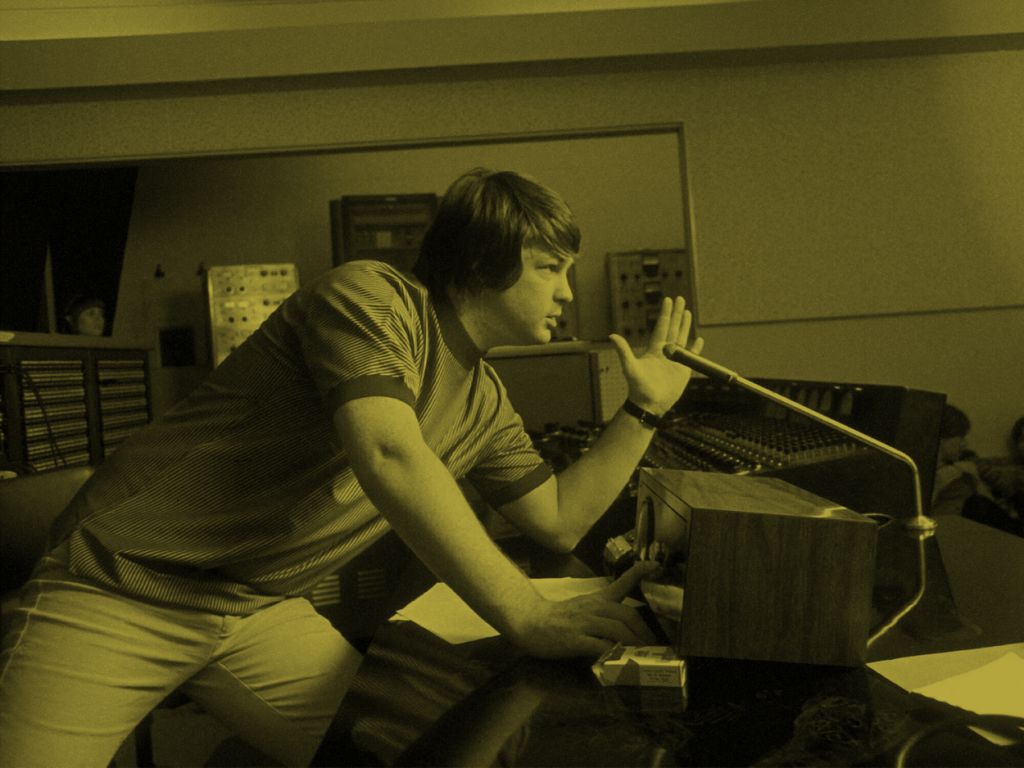
Brian Wilson
Brian Wilson of The Beach Boys also relied extensively on the Wrecking Crew, particularly during the recording of the landmark 1966 album Pet Sounds. Although The Beach Boys provided the vocals, Wilson often turned to experienced session musicians for the instrumental tracks because he wanted musicians capable of executing his increasingly complex arrangements with precision. Songs such as “Wouldn’t It Be Nice,” “God Only Knows,” and “Sloop John B” showcase the Crew’s ability to combine technical brilliance with emotional depth. Pet Sounds remains one of the most influential albums in popular music, and the musicians’ contributions were central to its lasting impact.
Drummer Hal Blaine became one of the most recorded musicians in history. His powerful yet tasteful drumming can be heard on an astonishing number of chart-topping songs. He introduced memorable rhythms that became part of popular culture, including the famous opening drum pattern on The Ronettes’ “Be My Baby.” Blaine’s precision, reliability, and creative instincts made him one of the busiest drummers in the recording industry, reportedly playing on hundreds of Top 10 hits during his career.
Carol Kaye occupies a particularly important place in music history as one of the few prominent female session musicians of the era. Originally a jazz guitarist, she transitioned to electric bass almost by accident and became one of the most sought-after bass players in Los Angeles. Her inventive bass lines gave energy and melodic interest to countless recordings, television themes, and film scores.
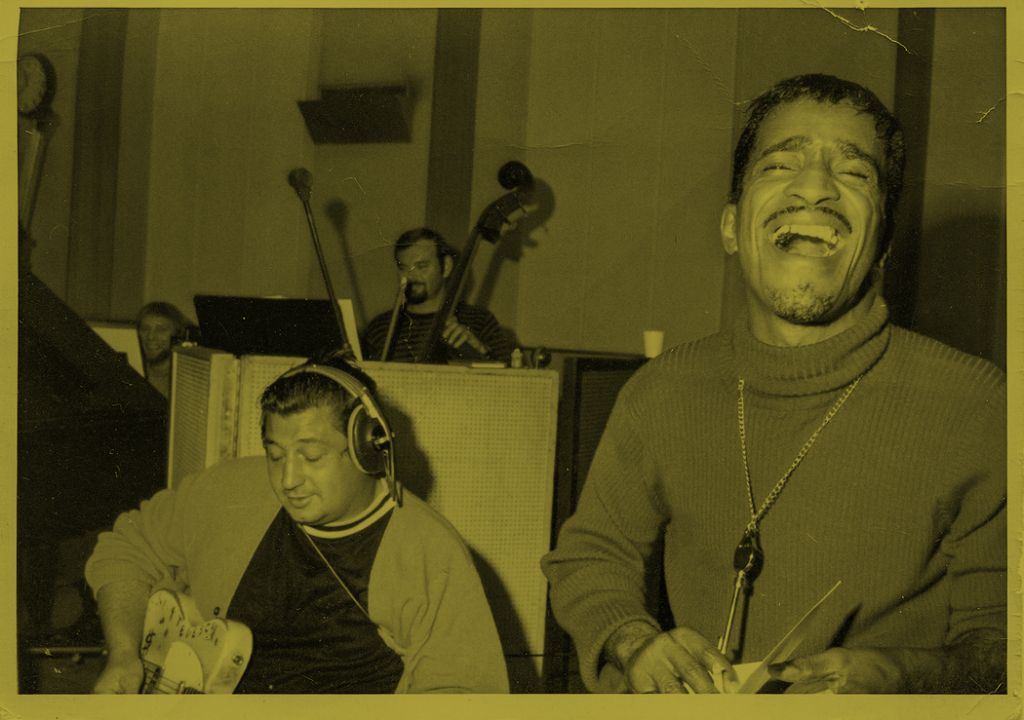
Tommy Tedesco
Tommy Tedesco was equally respected for his extraordinary versatility on guitar. He mastered jazz, rock and country styles, allowing him to perform almost any part a composer or producer requested. His quick wit and remarkable sight-reading skills made him a favourite in studio sessions. Tedesco later became well known for speaking openly about the hidden world of session musicians and helping preserve their legacy through interviews and documentaries.
One of the remarkable aspects of the Wrecking Crew was the sheer volume of work they completed. During the height of their careers, members often participated in three or four recording sessions each day. Because studio time was expensive, producers expected musicians to learn arrangements almost immediately and deliver polished performances with minimal rehearsal. The Wrecking Crew consistently met these demands, making them invaluable during an era when record companies were producing an unprecedented number of albums and singles.
Their influence extended beyond pop music into television and film. Members performed on themes for numerous television programmes, commercials, and Hollywood soundtracks. Audiences frequently heard their playing without realizing it, whether watching a popular sitcom, listening to a movie score, or hearing a radio advertisement. Their work became woven into the everyday soundscape of American culture.
Another important chapter in the Wrecking Crew’s history was their collaboration with producer, arranger, and composer David Axelrod. Although Axelrod is best known today for his groundbreaking orchestral jazz and psychedelic soul recordings, his ambitious productions depended heavily on the talents of leading Wrecking Crew musicians. Regular collaborators included bassist Carol Kaye, drummer Earl Palmer, keyboardist Don Randi, guitarist Al Casey, and guitarist Howard Roberts, whose technical precision enabled Axelrod to realize his sophisticated scores.
Unlike many pop producers who used session musicians simply to back singers, Axelrod treated the studio as an instrument, writing complex orchestrations that blended jazz, classical music, rock, soul, and experimental textures. The Wrecking Crew’s ability to read intricate charts while adding expressive musical detail made them ideal interpreters of his compositions. Their playing can be heard throughout Axelrod’s solo masterpieces Song of Innocence (1968), Songs of Experience (1969), and Earth Rot (1970), albums that later became highly influential among hip-hop producers and electronic musicians because of their dramatic orchestration, powerful rhythms, and cinematic atmosphere.
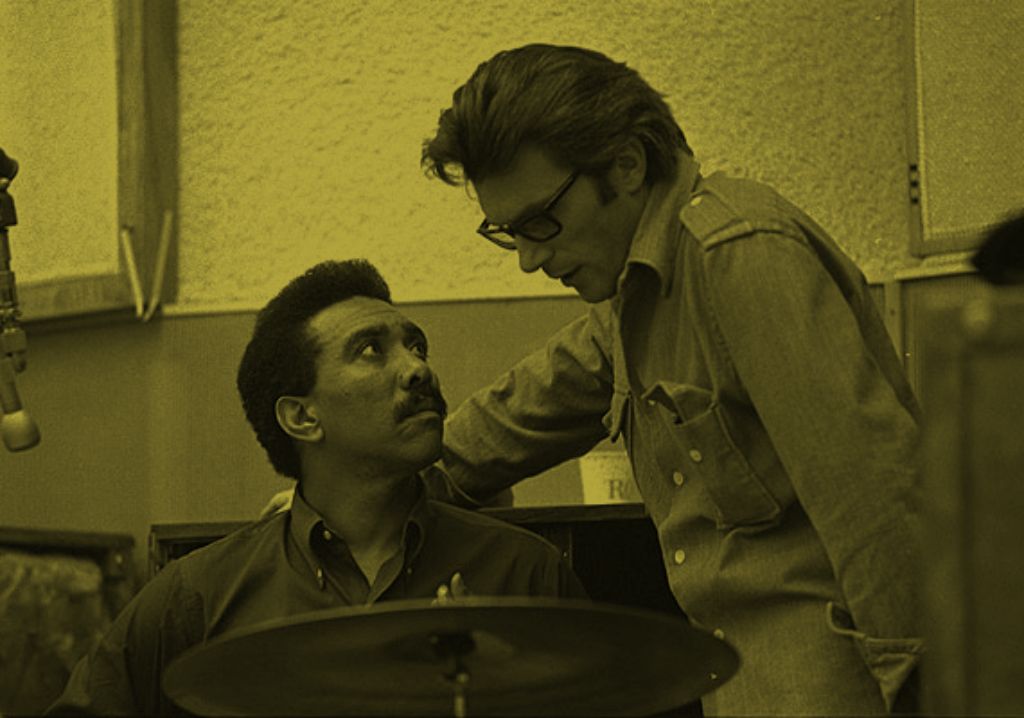
David Axelrod with legendary drummer Earl Palmer.
The same core musicians also performed on Axelrod’s productions for Lou Rawls, Julian “Cannonball” Adderley, and the Electric Prunes, including the ambitious albums Mass in F Minor and Release of an Oath. In many cases, the complexity of Axelrod’s music meant that experienced session musicians rather than the credited bands performed much of the instrumental work. These recordings demonstrate another dimension of the Wrecking Crew’s legacy: beyond crafting commercial pop hits, they were equally capable of executing some of the most adventurous and artistically sophisticated music produced in Los Angeles during the late 1960s. Axelrod’s partnership with these musicians helped establish a distinctive orchestral funk sound whose influence extended well beyond its era, inspiring artists ranging from DJ Shadow to Madly.
Despite their enormous contributions, the Wrecking Crew remained largely anonymous for many years. Record sleeves rarely listed session musicians, and publicity naturally focused on featured artists. Only later did historians, journalists, and filmmakers begin documenting the group’s significance. The 2008 documentary The Wrecking Crew, directed by Tommy Tedesco’s son Denny Tedesco, introduced many music fans to the extraordinary musicians behind some of the twentieth century’s greatest recordings. The film combined interviews, archival footage, and musical analysis to reveal the depth of their influence on popular music.
The decline of the Wrecking Crew came gradually during the 1970s as recording practices changed. Rock bands increasingly insisted on playing their own instruments in the studio, while advances in recording technology allowed artists to work more independently. Recording also spread beyond Los Angeles to cities such as New York, Nashville, London, and later to home studios. Although many Crew members continued successful careers, the era in which a small circle of musicians dominated American popular recordings had largely ended.
The legacy of the Wrecking Crew remains immense. Their performances helped define the sound of an entire generation and influenced countless musicians, producers, and arrangers. They demonstrated that technical mastery and artistic sensitivity could coexist, creating recordings that remain fresh and inspiring decades later. Many songs featuring their work continue to be played on radio stations, streamed online, featured in films, and studied by musicians around the world.
“
We weren’t stars. We were working musicians. Our job was to make the record sound as good as it could”
Tommy Tedesco
Ultimately, the story of the Wrecking Crew reminds us that great records are often the product of collaboration. While singers and bands deservedly received public recognition, the musicians behind the scenes played an equally vital role in shaping the music that defined an era. Their dedication, creativity, and extraordinary musicianship ensured that they left an enduring mark on popular music history. Today, the Wrecking Crew is widely recognised not as a footnote to the careers of famous artists, but as one of the most influential groups of session musicians ever assembled.