Artist page
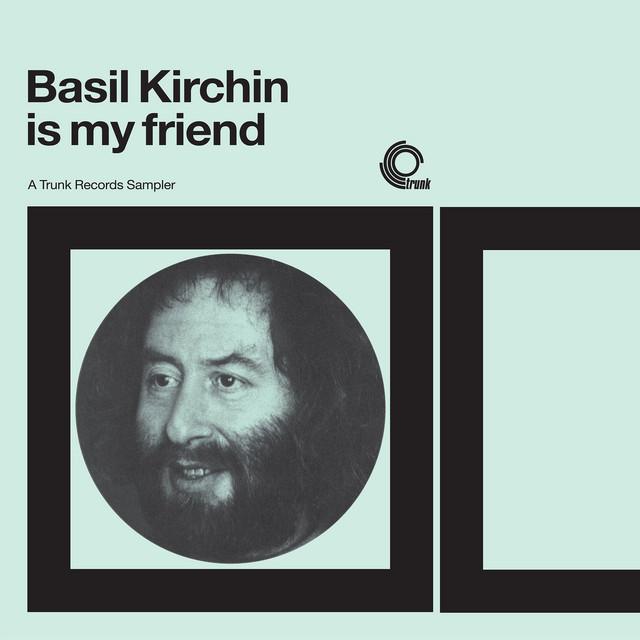
Basil Kirchin (August 8, 1927 - June 18, 2005) was a British drummer and composer known for his innovative work in music and sound manipulation. He began his career at the age of 13, playing drums in his father's big band at the Paramount in Tottenham Court Road, London. After World War II, Kirchin performed with notable musicians such as Harry Roy and Ted Heath before rejoining his father's band, The Kirchin Band, in 1951. During this time, he collaborated with artists like Billy Eckstine and Sarah Vaughan, and recorded for Decca and Parlophone under the production of George Martin. In the late 1950s, Kirchin spent five months in the Ramakrishna Temple in West Bengal, India, before relocating to Sydney, where he unfortunately lost many of his possessions, including recordings of The Kirchin Band. He returned to Britain in 1961, working with Keith Herd and producing material for the De Wolfe library alongside session musicians like Jimmy Page and Mick Ronson. In 1967, he received a grant from the Arts Council to acquire a Nagra tape recorder, which he used to collect ambient sounds, including animal noises from London Zoo and the voices of autistic children. Kirchin's experimental compositions were partly funded by his work in film music, contributing to movies such as Catch Us If You Can (1965), The Shuttered Room (1967), I Start Counting (1969), The
For any edit requests, please reach out to info@rovr.live