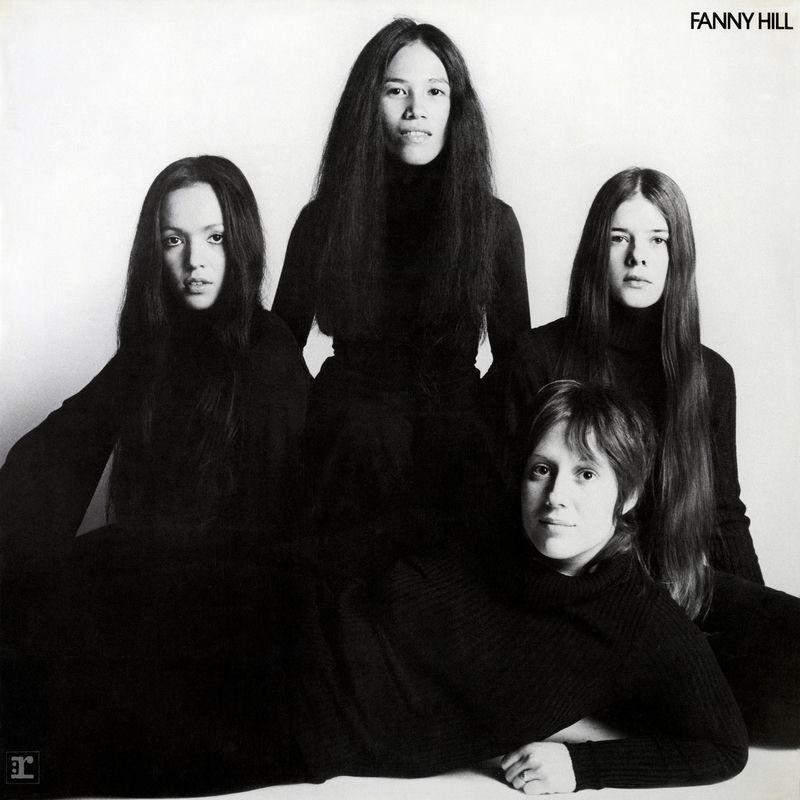
Fanny, often hailed as one of the most groundbreaking all-women rock bands of the early 1970s, emerged from the rich musical tapestry of the San Francisco Bay Area music scene. Formed in 1969 by bassist/vocalist Jeanette "Janie" Jenkins, guitarist/violinist Alice DeWolf, keyboardist/vocalist Alice Steele, and drummer Elaine "Dale" Davies, Fanny quickly made a name for themselves with their fusion of hard rock, blues, and classical influences. The band's pioneering spirit paved the way for future generations of female musicians, challenging gender norms and proving that women could excel in what was traditionally a male-dominated genre. Their self-titled debut album, "Fanny," released in 1970, showcased their versatile songwriting and musicianship, blending intricate harmonies with raw energy. Fanny's music defied the typical pop or folk sounds of the time, instead delivering a powerful mix that resonated with audiences eager for something new and authentic. Throughout their career, Fanny navigated the challenges of the music industry with resilience and creativity, releasing several more albums, including "Charmed Life" (1971) and "Motherhood" (1973), which featured hit singles like "You Played Your Last Smoke on Me." The band's lineup evolved over time, but their commitment to pushing boundaries and exploring diverse musical territories remained a constant. Fanny's influence extended beyond their recorded output; they were also known for their dynamic live performances that combined theatrics with their formidable playing skills. Despite facing obstacles such as limited airplay and industry sexism, Fanny became an iconic group whose legacy has been celebrated for its impact on women in rock and roll. Their music and spirit have continued to inspire new generations of artists, cementing their place as one of the most significant all-women bands in rock history.