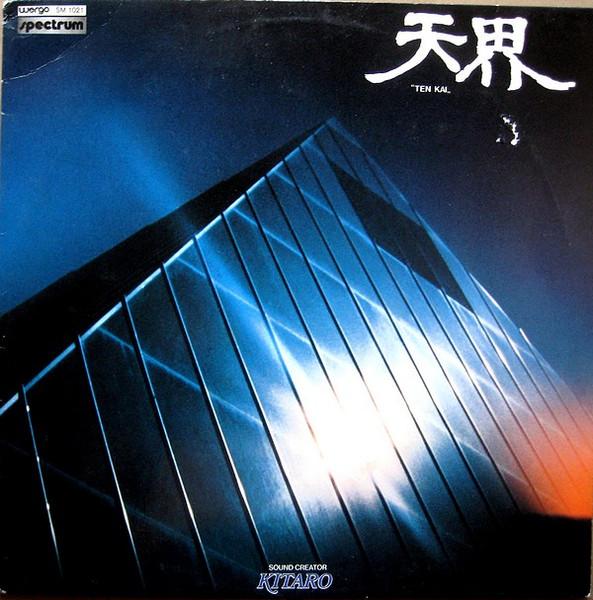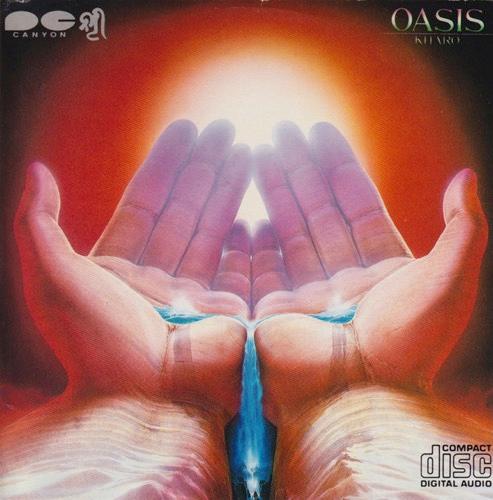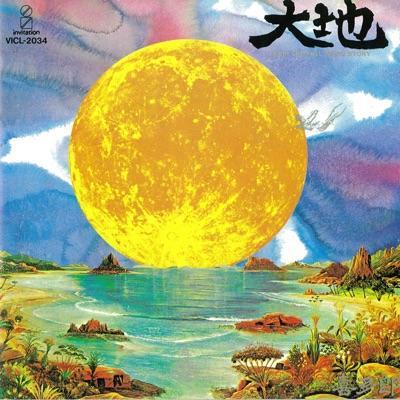
Keiichi Kitarō, simply known as Kitarō, is a pioneering figure in electronic music, whose innovative fusion of traditional Japanese sounds with contemporary electronic textures has earned him international acclaim and influence. Born on February 5, 1953, in Kyoto, Japan, Kitarō's passion for music was ignited during his childhood, where he immersed himself in the rich cultural heritage of his homeland while simultaneously being captivated by the burgeoning world of synthesizers and electronic music. He began his professional journey in the early 1970s, collaborating with musician Hiroshi Sato and performing under the name of Pinhead Society before embarking on a solo career that would redefine musical boundaries. Kitarō's seminal work "Silk Road" (1987) was a groundbreaking album that not only introduced his signature sound to a global audience but also became a benchmark for ambient music, combining traditional Japanese flutes and instruments with electronic beats, field recordings, and lush atmospheres. This genre-defying approach to composition has led him to produce a vast discography, including iconic albums like "Brainwave" (1984) and "Mandala" (2003), which have transcended cultural barriers and garnered him a dedicated fan base worldwide. His music has been featured in numerous films, television shows, and video games, further cementing his status as a visionary artist who continues to explore the intersection of technology and tradition. Kitarō's influence is evident across various musical genres and continues to inspire both musicians and audiences alike, making him one of Japan's most important and internationally recognized composers. His relentless pursuit of new sounds and innovative techniques has not only shaped the landscape of electronic music but has also allowed listeners around the globe to experience a unique sonic journey that is both deeply rooted in tradition and firmly ahead of its time.