

“
Time is a field, not a grid.”
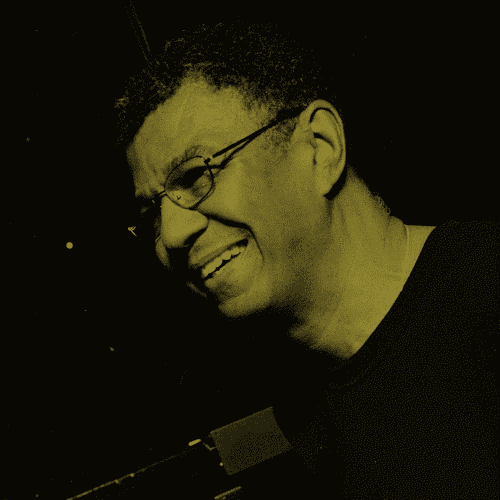
This scientific approach to rhythm encapsulates the core concept of the recently departed jazz drummer and multi-instrumentalist Jack DeJohnette. Trusted and adored by some of the most demanding bandleaders in jazz history, DeJohnette possessed a versatility few could match—equally at home playing inside or outside conventional rhythmic frameworks, and able to move between the most structured groove and the most open-ended abstraction with complete naturalness.
His flexibility has roots in the musical landscape of his birthplace—the South Side of Chicago. An only child and, like his Chicago peer Herbie Hancock (born eighteen months earlier), something of a musical prodigy, DeJohnette progressed from youthful piano experiments and early rhythm & blues to the drum chair, inspired in part by Ahmad Jamal’s locally based trio and the sophisticated rhythmic sensibilities embedded in Chicago’s club scene. He grew up absorbing blues shuffles, hard-swinging jazz and the emerging experimentalism that percolated throughout the city.
Chicago in the mid-sixties was a fertile blend of Ramsey Lewis and Eddie Harris’s soul-jazz, the R&B and blues of the Chess label, and the avant-garde explorations of the AACM workshops and Sun Ra’s Arkestra. As an emerging local talent, DeJohnette sat in with many of these artists, absorbing everything: the earthy, backbeat-driven energy of R&B; the spiritual, exploratory edge of the avant-garde; the tight-but-loose elasticity of post-bop. It was during this period of intense musical cross-pollination that he caught the ear of visiting saxophonist and bandleader Charles Lloyd.
A weekend trip to New York in 1965 became a permanent relocation. DeJohnette quickly found himself sitting in with Blue Note organist John Patton, followed by a debut session for the label with the fiery altoist Jackie McLean. New York—demanding and competitive proved the perfect catalyst. But the move that truly launched his career came when he formally auditioned for Lloyd’s Quartet.
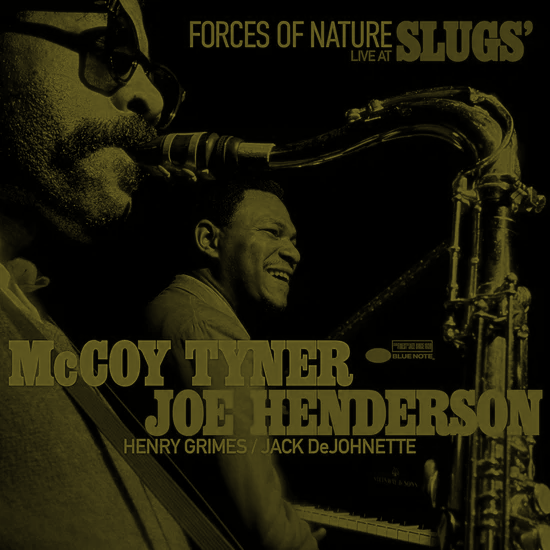
A recently unearthed 1966 tape from the infamous Lower East Side venue Slugs captures the newly settled DeJohnette powering a quartet with luminaries Joe Henderson, McCoy Tyner and Henry Grimes. The recording is a revelation: a young drummer showing remarkable command, driving the group with roiling, explosive polyrhythms reminiscent of Elvin Jones yet already unmistakably his own—elastic, textural, alert to every contour of the music.
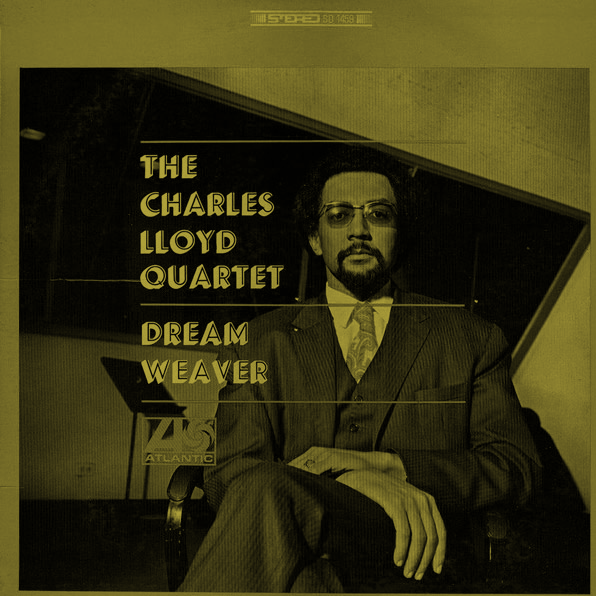
Recognising the formidable talent before him, Lloyd quickly hired DeJohnette as a permanent member, joining pianist Keith Jarrett. Signed to Atlantic, the band toured extensively, becoming a fixture at festivals and rock venues across the burgeoning counter-culture scene. Their audiences included psychedelic rock fans who may not have understood jazz’s lineage but recognised its energy and freedom.
Lloyd’s group fused post-bop and modal jazz with R&B grooves, rock undertones and free improvisation. Jarrett and DeJohnette both possessed a rare ability that allowed them to move seamlessly from earthy, stomping grooves to exploratory abstraction. Onstage, the band often stretched far beyond the boundaries of the written material—Jarrett teasing out every melodic and harmonic possibility while DeJohnette propelled, shadowed and provoked the music with tireless, athletic momentum.
It was inevitable that both musicians would eventually outgrow the constant touring schedule and psychedelic-rock audiences, seeking deeper artistic territory. Sharing bills with Hendrix and the Grateful Dead was invaluable, but it also sharpened their desire for more expansive rhythmic and harmonic inquiry. The cross-genre sensibility absorbed from Lloyd’s band became a foundation for their later innovations.
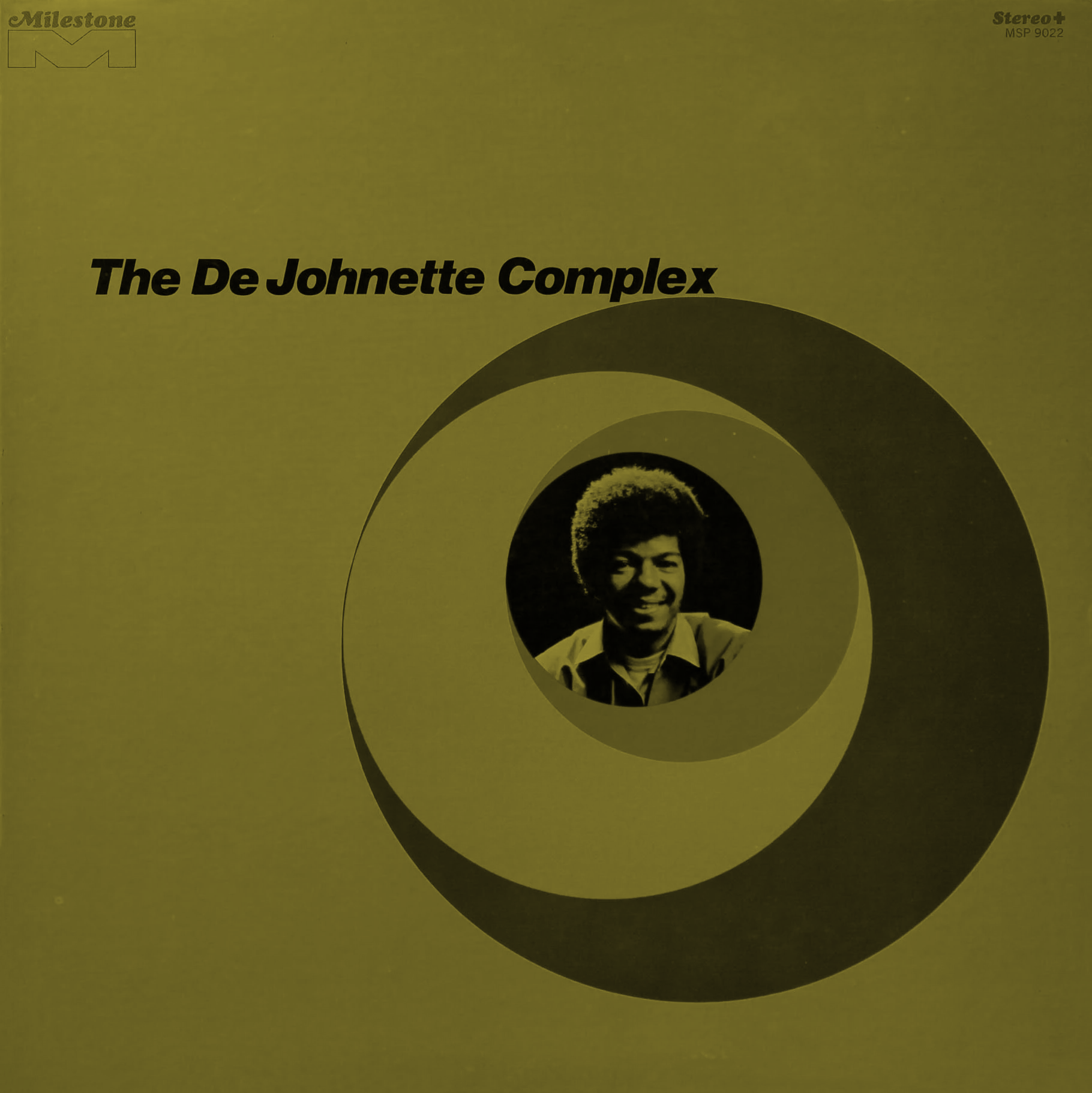
DeJohnette recorded his debut album as a leader for Orrin Keepnews’s Milestone label in December 1968. The ambitious, original programme—The DeJohnette Complex—featured musicians who would become lifelong collaborators, including Miroslav Vitous. Most intriguingly, DeJohnette assigned drum duties on much of the album to Roy Haynes, freeing himself to play melodica. With most of the compositions self-penned, it was clear he possessed an idiosyncratic writing voice ready for further development.
His life as a freelance leader was soon interrupted by an offer he couldn’t refuse. While playing with Chick Corea behind veteran Stan Getz, DeJohnette was spotted by Miles Davis, who promptly recruited the drummer for his increasingly electric band in 1969. The so-called “Lost Quintet” left no official live recordings, but DeJohnette became central to Miles’s studio experiments from 1969–72—Bitches Brew, Live-Evil, Jack Johnson and On the Corner.
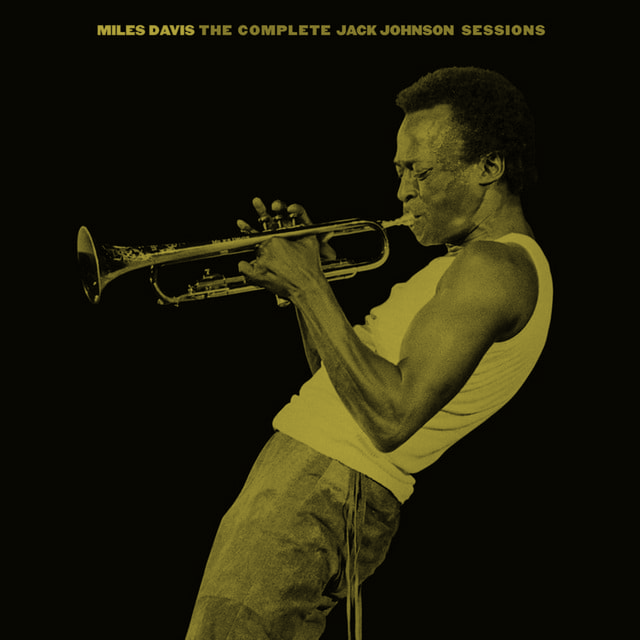
Miles’s band allowed DeJohnette to continue developing a hybrid language: anchoring grooves influenced by rock and funk within expansive modal structures, but with a freedom and multi-textured layering far beyond anything possible within Lloyd’s quartet. Miles’s democratic, open-ended leadership—granting each musician wide expressive latitude—was formative for DeJohnette and became a cornerstone of his own future ensembles.
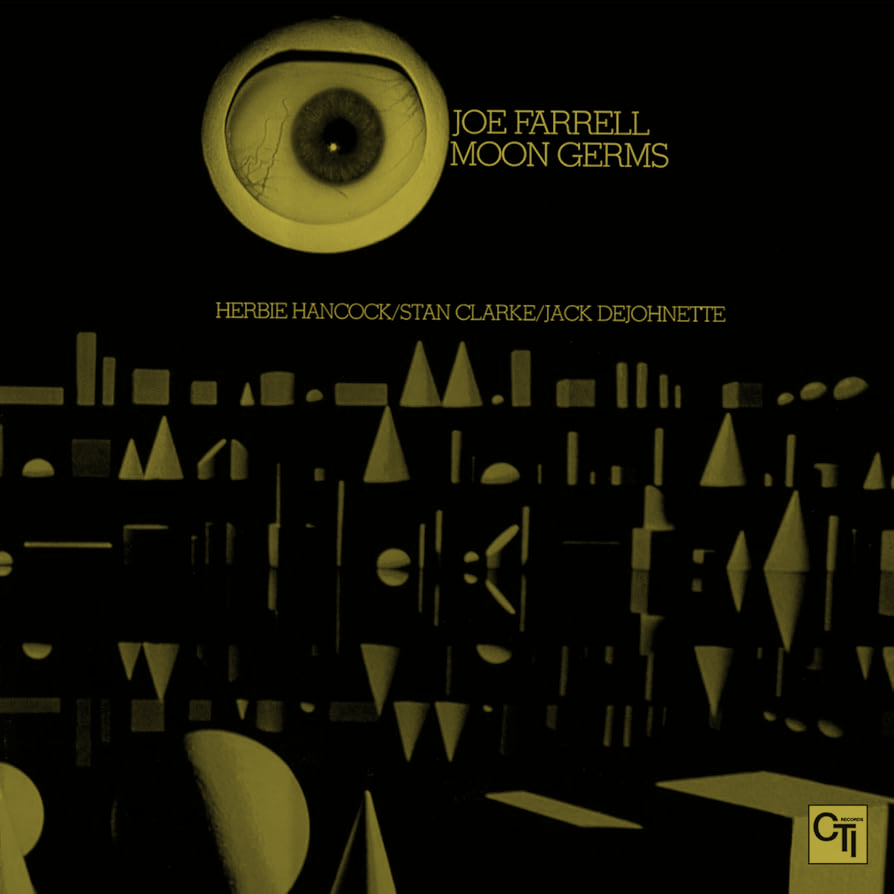
During his years with Miles, DeJohnette became an in-demand session drummer, celebrated for his ability to adapt to any musical environment. His chameleon-like sensitivity made him a natural fit for Creed Taylor’s CTI label, where he appeared on sessions by George Benson, Freddie Hubbard, Hubert Laws, Joe Farrell and others. Each project benefitted from his multidirectional palette—grooving, atmospheric, responsive and always imaginative.
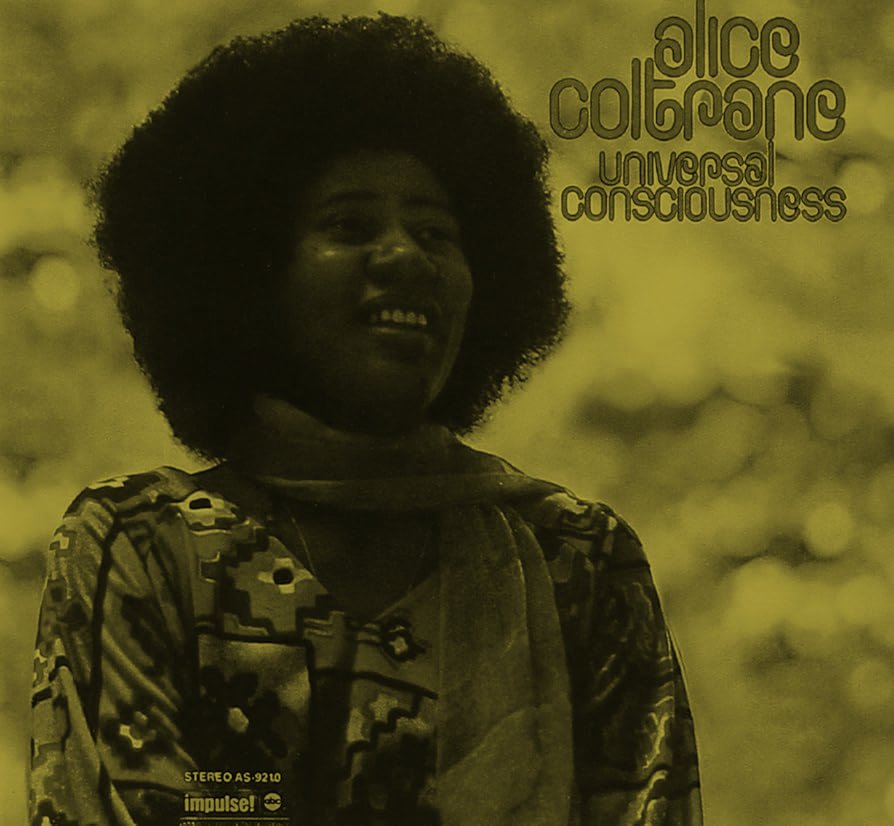
“Multidirectional,” a term DeJohnette used himself, was perhaps most evident in his work with jazz-rock group Compost. Signed to Columbia in 1972, the group provided a platform for DeJohnette to display his keyboard abilities and increasingly sophisticated composing, combining jazz, rock, soul and early fusion. As a freelancer, he is adaptability allowed him to appear on some of the era’s most adventurous recordings, including Alice Coltrane’s spiritually charged Universal Consciousness but also on more straight-up commercial efforts such as Bobby Hutcherson’s Natural Illusion, where he contributed the memorable breakbeat on “Rain Every Thursday.”
Through the seventies he recorded solo albums for Prestige, experimenting with early electronics on records such as Cosmic Chicken. But it was his decades-long partnership with ECM that defined much of his later career. ECM founder and sonic visionary Manfred Eicher recognised in DeJohnette a musician who could help shape a distinctive tonal and spatial identity for the label.
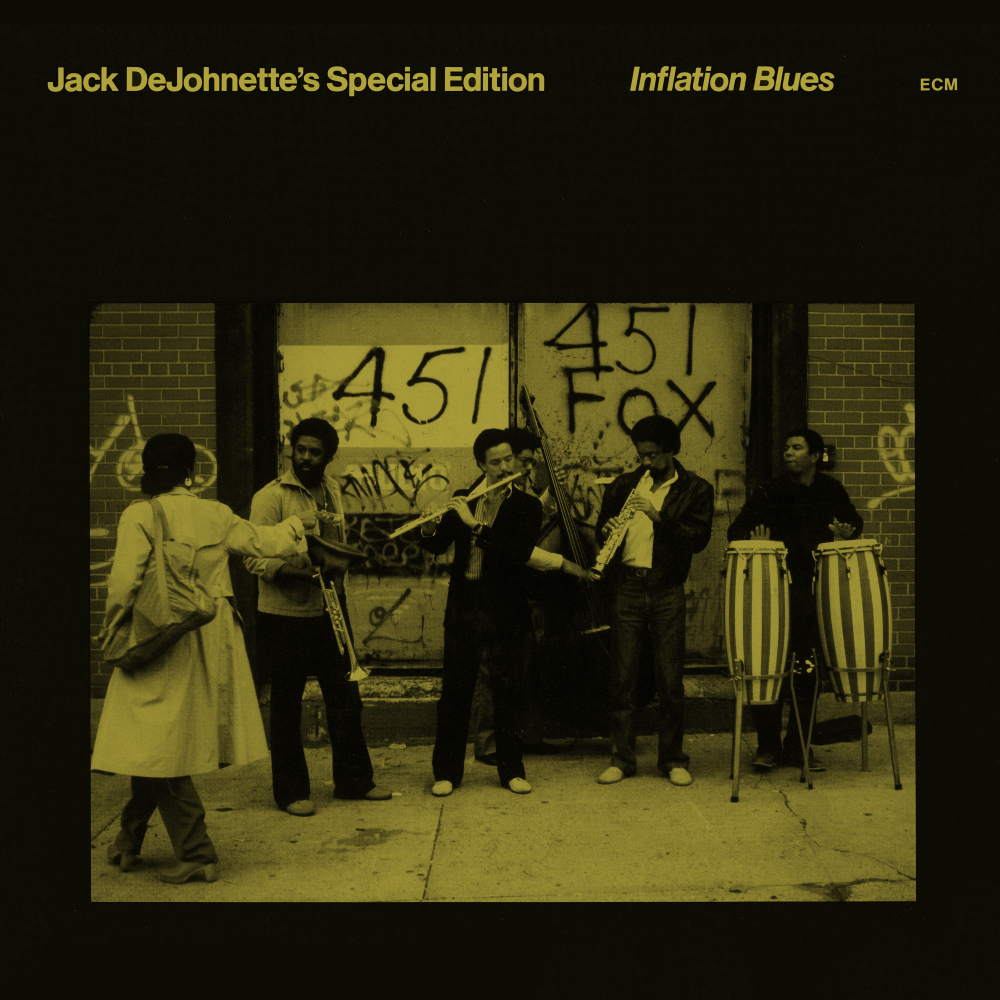
The impressionistic, sound-sculpting approach DeJohnette brought—combined with ECM’s meticulous engineering—opened up new space in jazz. Over the next four decades, this contributed to a modern language grounded in the melodic and harmonic sophistication of artists like Jarrett and Pat Metheny, and anchored by the finely tuned, resonant drum palette of a true master: Jack DeJohnette.