

“
We were Electro Punks...”
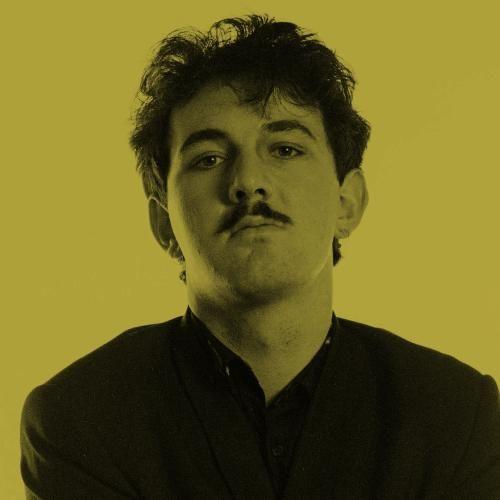
Dave Ball was best known as the quietly brilliant architect behind the hugely successful and influential collaborations with singer Marc Almond as Soft Cell. Born in 1959 and hailing from the North-West seaside resort of Blackpool, Ball later went on to score further dance hits in the rave era as co-founder of The Grid with Richard Norris.
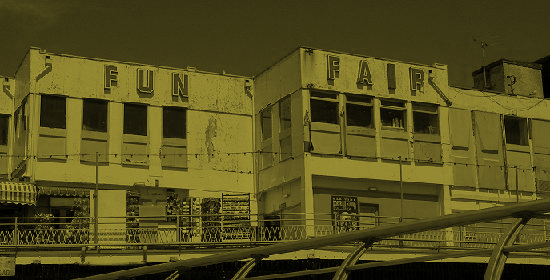
Blackpool, with its faded glamour, seems the perfect birthplace for a member of Soft Cell. Behind the bright lights of the promenade lie run-down backstreets — neon reflected darkly in the often rain-soaked streets of Northern Britain. Like many kids, for Ball escapism came through music: glam rock, late-night BBC radio, and mainstream TV.
An early interest in electronics came via his engineer father, and after a chance encounter with a synthesiser at a neighbour of his gran’s, Ball soon switched from guitar to exploring electronic sound creation. He gravitated away from bands such as Status Quo towards the otherworldly output of Roxy Music, Bowie, and Hawkwind.
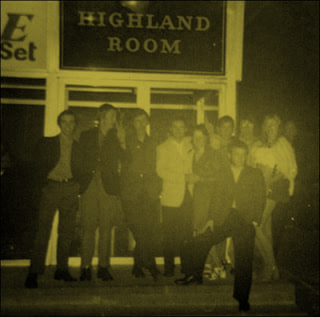
Blackpool was also an important location on the Northern Soul scene. Ball attended events at the Highland Room and heard legendary DJs Colin Curtis and local lad Ian Levine, gaining invaluable experience of compositions that worked on the dancefloor.
Ball made the decision to enrol at Leeds Polytechnic to study fine art, where his formal creative path truly began with a meeting of minds. Marc Almond stood out even among the heady student scene of the late 1970s. The pair bonded over a shared love of nightlife and soul music — Ball bringing an interest in electronics; Almond providing the transgressive performance art and experimental theatre element.
By this time Ball had been captured by the influence of Kraftwerk. Autobahn was the catalyst for fully exploring the musical possibilities of cheap synths and a futuristic style of torch music. Almond needed suitably edgy musical backing for his daring campus art performances, which Ball supplied using a cheap Korg 800DV. These backing tracks eventually evolved into fully formed songs, and in 1979 the duo formed Soft Cell.
“Northern noir,” “electro-punks” — are just two of the descriptors used to describe Soft Cell. They defied most categories of the time, fusing such disparate elements as BBC Radiophonic Workshop–style electronic minimalism with a uniquely British take on chanson and schlager, topped with a good dose of uplifting Northern Soul. It was Weimar-era cabaret transported to the industrial decline of 1970s Northern Britain.
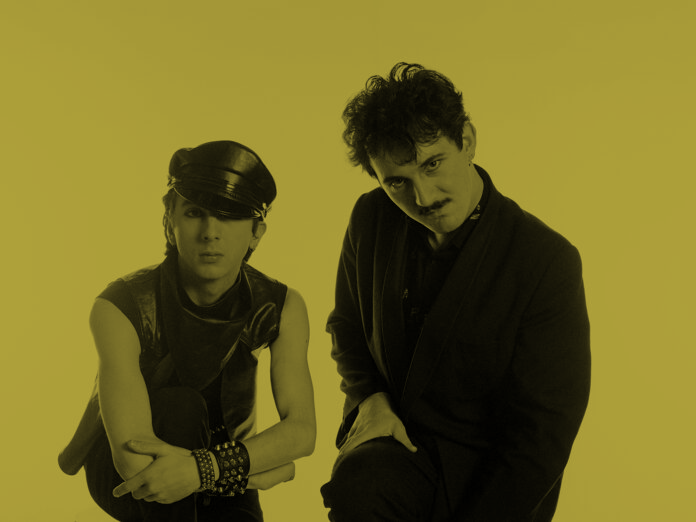
Their earliest works, including the self-released Mutant Moments EP — funded by a £400 loan from Ball’s mother — already bore Ball’s trademark clean, punchy synth basslines and spatial drum-machine programming, giving Almond room to wrench every ounce of emotion from his wonderfully creative mind.
With Almond working the cloakroom at Leeds Warehouse, Soft Cell were able to put on their first performances at the venue before appearing at the Futurama festival at Queen’s Hall. Ball cleverly decided to give visiting Radio 1 DJ John Peel a copy of their debut EP and, after their first airplay, they were signed by the Some Bizarre label.
A more polished sound emerged on “Memorabilia,” their opener for Some Bizarre — a driving slice of electronic futurism merging the energy of a Northern Soul stomper with a haunting post-punk aesthetic that would prove popular decades later on techno dancefloors. Such was its influence on late-’80s Detroit techno that it became the opening sample of Carl Craig’s Transmat Psyche classic “Crackdown.”
Despite being a future proto-techno classic, “Memorabilia” was a hit on edgier dancefloors but not in the charts. The follow-up would change that on a scale the duo could scarcely imagine. Almond loved the Gloria Jones 1964 soul anthem “Tainted Love,” and the pair had been performing their own stripped-down version live.
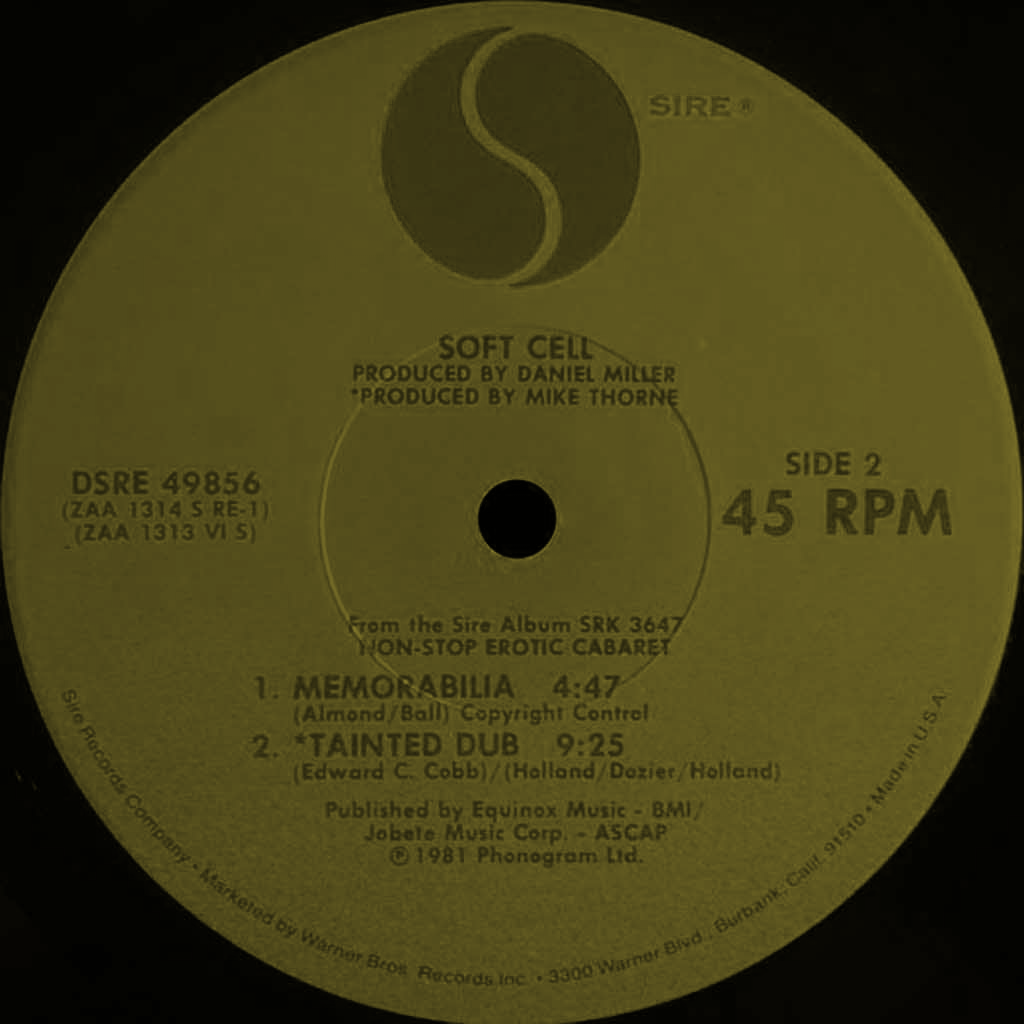
The studio version — with its clanging electronic drum backing, insistent buzzing bassline, and Almond’s soaring, impassioned vocals — was an instant hit. It sounded worlds away from early-’80s New Romanticism, hinting more at the approaching era of electro with its spacious, minimalist, Kraftwerk-derived backing, and soon found a home on dancefloors across the globe.
The extended 12-inch version added a further dimension with its dub-reggae influences and the insertion of The Supremes’ “Where Did Our Love Go.” It became an instant anthem, from the hippest New York clubs to UK school discos, and despite living in “bedsitland” in Leeds’s student district, Ball soon found himself being flown on Concorde to perform one of the iconic hits of the 1980s.
Soft Cell followed with anguished torch-song hits such as “Bedsitter” and “Say Hello, Wave Goodbye,” along with edgier material born from the impish, warped humour of their Leeds student days, such as “Sex Dwarf” and “Seedy Films.”
Soft Cell split in 1984 after the all-too-familiar tale of relentless touring, drugs, and partying. Despite the split, Ball and Almond would continue collaborating on future releases for the next three decades.
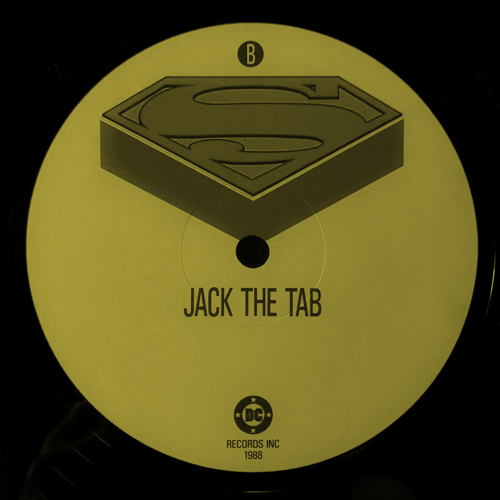
Ball, meanwhile, moved into movie soundtracks and collaborations with maverick psychedelic mischief-makers Psychic TV. While working on the Jack the Tab acid project in 1988, Ball met psych enthusiast and fanzine writer Richard Norris, quickly forming the rave-era outfit The Grid.
The humorous banjo-meets-rave track “Swamp Thing” in 1994 saw Ball once again at the top of the charts — a typical example of his innovative, anything-goes experimentalism.
Despite health issues, Ball continued quietly collaborating with lifelong trusted associates Norris and Almond until his sad passing in October this year. A true product of British pop-culture patchwork, his music remains the soundtrack to bedsitland to this day.