

Tucked into the Hollywood Hills above Los Angeles, Laurel Canyon, became one of the most influential musical communities of the 1960s and early 70s. Once a quiet, bohemian hillside neighbourhood, it transformed into a creative hub where artists lived side by side, sharing ideas, songs, and a distinctly Californian vision of freedom.
Musicians were drawn here for its seclusion, natural beauty, and cheap, rustic housing—far from the pressures of the Sunset Strip, yet close enough to the industry. It offered a rare mix of privacy and proximity, where collaboration happened organically at parties, in living rooms, and late into the night.
“
it was right up the hill from Hollywood, from the sunset strip where all the clubs and record companies were just five minutes up the hill and you were in the countryside. And there were owls at night.”
Henry Diltz, Laurel Canyon scene photographer.
Dwellings were little more than cabins built in amongst the trees with the coyotes and racoons. The narrow roads were curvy with no pavements. It was the perfect place for aspiring actors and musicians to be near film and music industry hubs with affordable shared accommodation. With its popularity with bohemian music types it was inevitable collaboration would take place and of course, plenty of sex and drugs.
“
My neighbors, who were six feet from my house, were junkies; I was out of town and came back and their house had burned down to the ground.”
Joni Mitchell
Artists came from far and wide with a variety of musical influences ranging from traditional folk to psychedelic rock, the avant-garde to jazz. Ravi Shankar was a particular favourite - even described by photographer Henry Diltz as ‘the soundtrack of Laurel Canyon’ and evidently influential on The Doors and The Byrds.
It was home to artists like Joni Mitchell, The Byrds, Crosby, Stills & Nash, Jackson Browne, and Carole King, figures who helped define the folk-rock and singer-songwriter movement. Nearby, more experimental voices like Frank Zappa added a different edge, bridging the Canyon scene with the avant-garde and counterculture.
Joni Mitchell spoke of her house being protected ‘by a force’ which is quite typical of the mysticism and outright weirdness often associated with the Canyon scene and ‘Hollyweird’ in general. There are still theories revolving around CIA involvement with band members and the disturbing shadow of the Manson murders still looms over the history of the area.
With venues like the Troubadour just a few minutes drive away, these young musicians could road-test new band formations and try out new songs they had developed from night time jam sessions in their cabins up in the hills. Record company execs would be guaranteed to be in the audience on any given night on the Strip, making it a perfect place to audition for a recording contract.
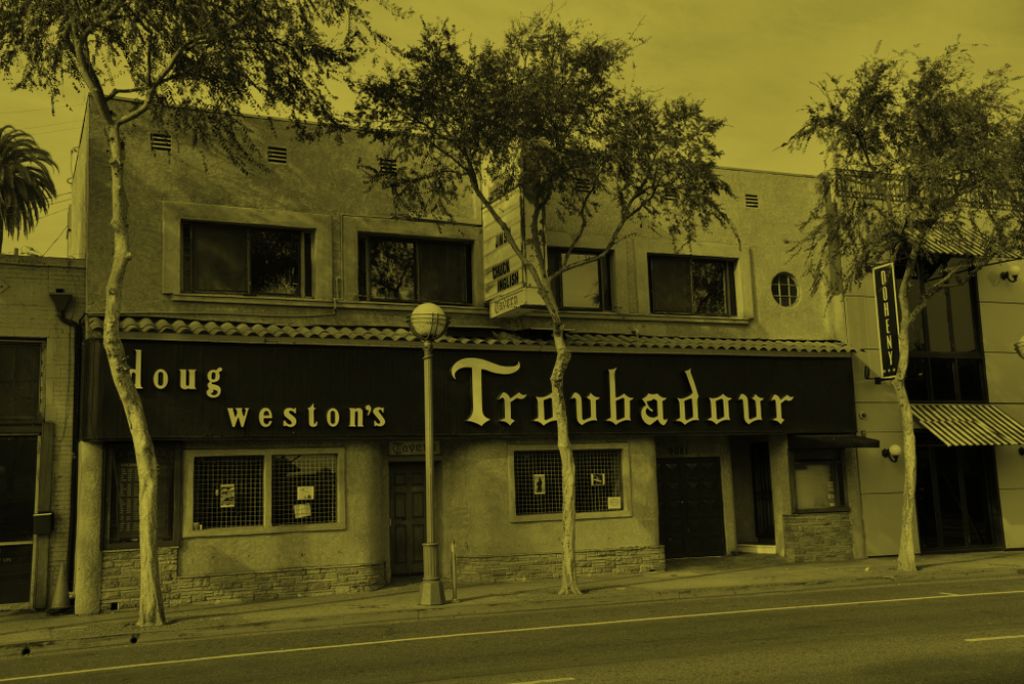
The Troubadour.
It was an environment tailor made for acoustic guitar and harmony singing personified by Mitchell’s early stripped down folk with alternative guitar tunings and pitch perfect vocals. Artists had time to develop songs with a lyrical depth not possible when on the clock in a high-pressured studio session. Bands also experimented with uncommon time signatures and a harmonic complexity influenced by jazz musicians such as John Coltrane and Miles Davis.
The musical output during the Canyon’s late sixties and early seventies heyday was a spectrum ranging from the breezy sunshine pop harmony of The Mama’s and Papa’s to the left-field eclecticism of Frank Zappa who lived up on Lookout Mountain. Between these extremes was to be found the mature singer-songwriter idiom that became most commonly associated with the scene.

Joni Mitchell's Lookout Mountain home.
Behind the scenes, David Geffen played a pivotal role in promoting the singer-songwriter side of Laurel Canyon’s artists. First as a manager, then as founder of Asylum Records, he helped bring this deeply personal, introspective music to a wider audience, signing many Canyon artists and shaping the sound of an entire era.
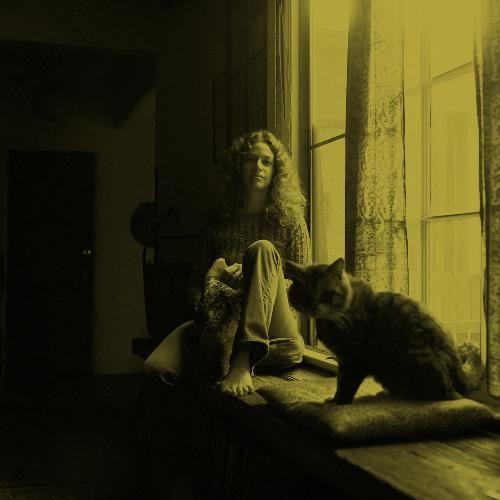
In 1968, Brill Building songwriting success Carole King moved out to the Canyon following her divorce from Gerry Goffin. Her albums such as Tapestry were instant classics and solidified the Laurel Canyon scene as the home of the mature solo artist - taking acoustic folk to new levels of sophistication. The front cover photograph of King in her 8857 Wonderland Ave, Laurel Canyon home - barefoot with accompanying cat - perfectly promoted the laidback atmosphere of life in the rural canyon.
Being up above and on the very edge of ‘sin city’, the Canyon with its aptly named Lookout Mountain was the perfect observation point from which to commentate on relationships, society and politics. Rather than indulge in naval-gazing solitude, artists like Mitchell took lyrical songwriting to the peak of artistic achievement by looking down at life in the city. The nearby Griffith Observatory looked to outer space - the ladies of the canyon looked to everyday life here on Planet Earth.
Geffen’s Asylum label released a slew of classic albums during the early-mid seventies until the vibe changed. The introduction of heavy cocaine usage with the collapse of the hippy dream negatively impacted some of the musicians. David Crosby - the idealist with the voice of an angel - moved from cocaine into heavy heroin addiction becoming a symbol of the communities decline into paranoia and cynicism.
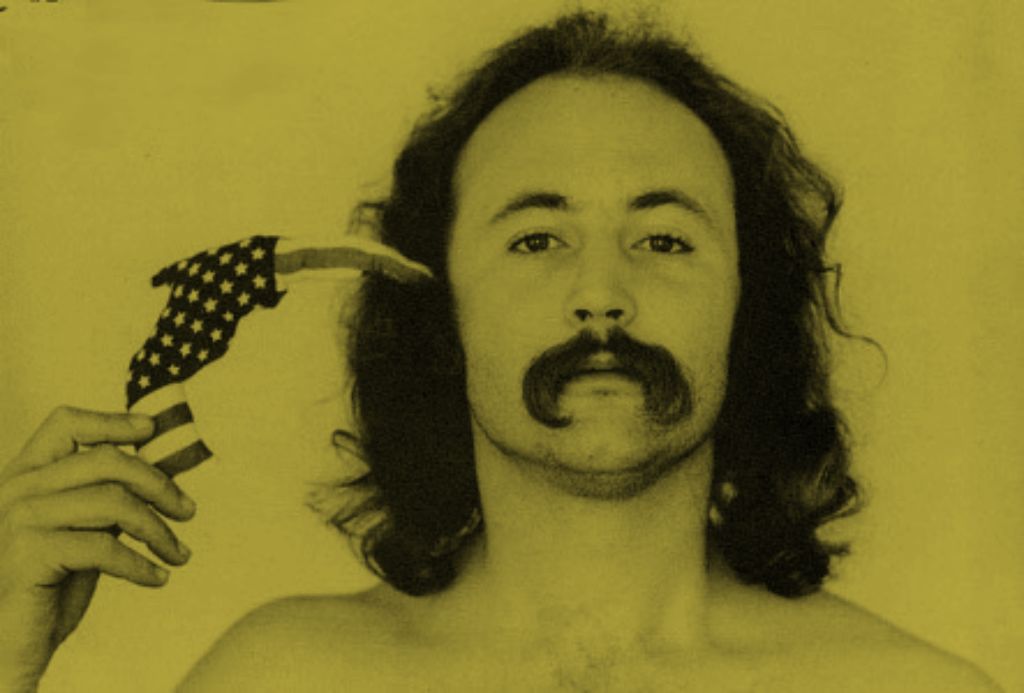
David Crosby
Ever the creative genius, Joni Mitchell managed to harness the cocaine fuelled energy and produce the classic Hissing Of Summer Lawns album, but just as the Canyon transformed into hyper-expensive Hollywood real-estate, musical tastes started to veer away from the singer-songwriter idiom.
“
At Monterey some of the big boys introduced cocaine, and that was too bad, because that was part of the downfall of that whole wonderful scene.”
Henry Diltz
“Cocaine turned everybody into bores.”
Joni Mitchell
Laurel Canyon was a place where music, community, and culture aligned, leaving a legacy that still echoes today. ROVR Research explores the music of the Canyon.