

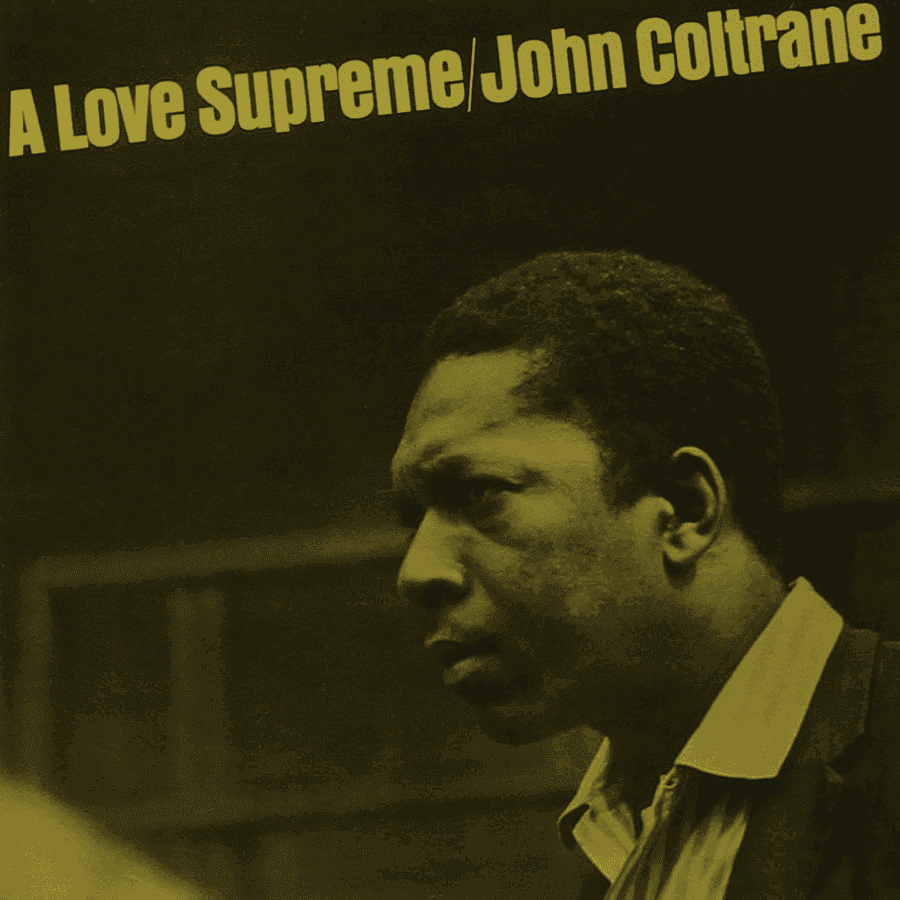
Born in Hamlet, North Carolina, in 1926, Coltrane came of age during the great transition from swing to bebop. By the time he reached his twenties, Charlie Parker, Dizzy Gillespie and the harmonic complexity of bebop had shaped his conception of what a jazz musician could aspire to.
From his emergence as a leader in 1957 until his death in 1967, barely a decade passed, yet within those ten years he moved through several distinct stylistic phases. The Coltrane Estate itself acknowledges his career from 1957 to 1967 was a period of extraordinarily rapid change.
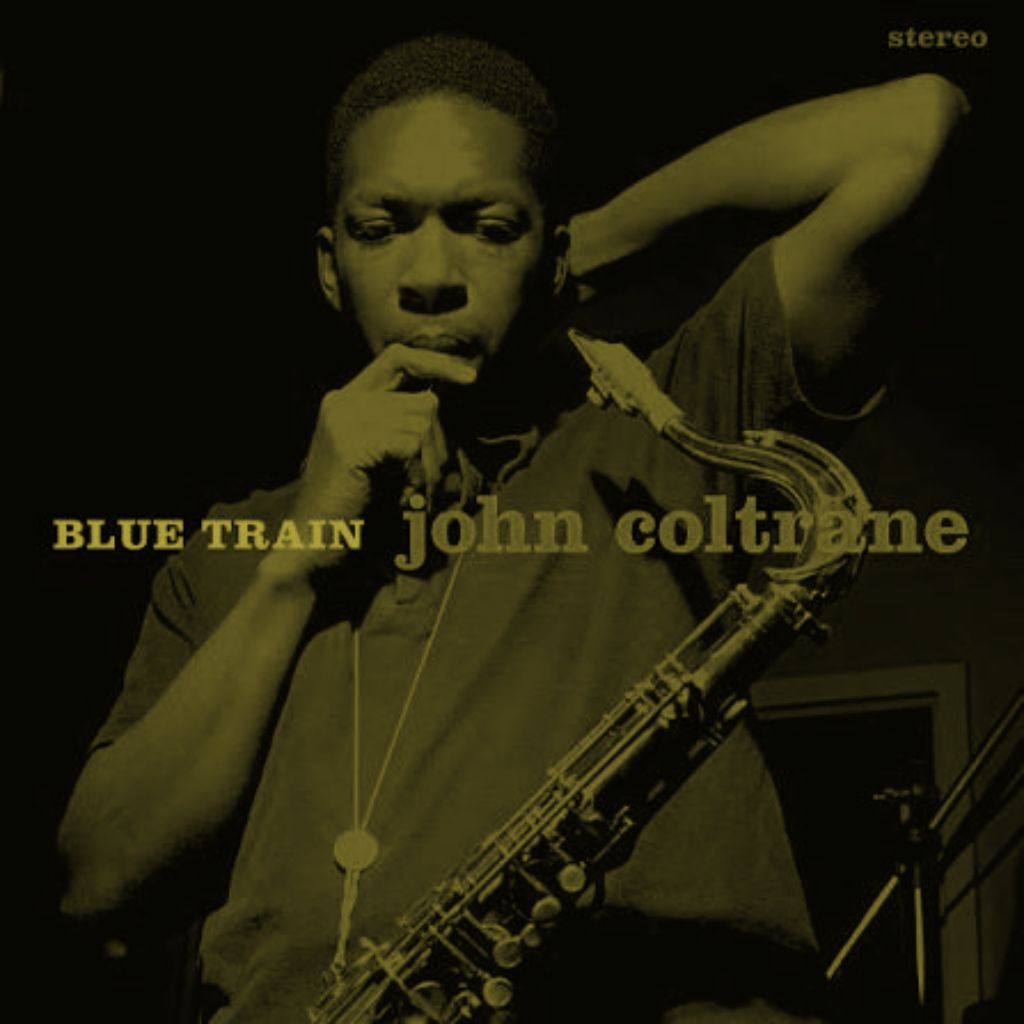
Recorded in September 1957 Blue Train was Coltrane's only album as a leader for Blue Note. It included the much covered Moments Notice and remains one of the definitive hard-bop records and a landmark release even for a label of Blue Note’s high standards with an extraordinary all-star line-up of Lee Morgan on trumpet, Curtis Fuller on trombone, Kenny Drew on piano, Paul Chamberson bass and Philly Joe Jones on drums.
“
“Trane was an innovator, and you have to say the right thing to people like that. That’s why I’d tell him to begin in the middle because that’s the way his head worked anyway. He was looking to be challenged, and if you brought the shit to him wrong, he wasn't going to listen.”
Miles Davis
Blue Train came after an important personal crisis. Coltrane had been addicted to heroin and alcohol during the early 1950s. Miles Davis dismissed him from his group in 1957 because his drug use was affecting his performances. Coltrane subsequently quit drugs, an experience he later regarded as a spiritual turning point and returned to Miles's band later that year, while simultaneously embarking on one of the most extraordinary periods of practice and development in jazz history.
“
Take a musician like John Coltrane. He is a perfect musician, who can give expression to all the possibilities of his instrument. But he seems to have difficulty expressing original ideas on it. That is why he keeps looking for ideas in exotic places”
Thelonious Monk on the young Coltrane
The other crucial influence of 1957 was Thelonious Monk. Coltrane spent the summer playing with Monk and later said that he learned from him "in every way" — technically, theoretically and instinctively. Coltrane was developing an intensity that would make his playing unmistakable. His lines seemed to pour continuously through the harmony, producing what critic Ira Gitler famously called "sheets of sound."
Coltrane's four years with Miles Davis, principally from 1955 to 1959, were fundamental. Davis gave him the freedom to experiment, while the two musicians' contrasting personalities produced a remarkable combination: Davis's economy and space against Coltrane's increasingly dense, searching lines.
The breakthrough was the classic modal masterpiece Kind of Blue. Davis's move toward modal harmony gave Coltrane a new environment in which to improvise. Instead of navigating rapidly changing chords, he could explore scales and modes horizontally - a freedom that became crucial to his own music. By 1959 Coltrane was ready to leave Miles and establish himself as a leader.
Coltrane had recorded extensively for Prestige, but his work there often existed within the conventional hard-bop world and within the constraints of the limited budgets at the independent label. In 1959 he secured a considerably more lucrative deal and moved to Atlantic who as well as dominating the R&B charts were investing heavily in the jazz market.
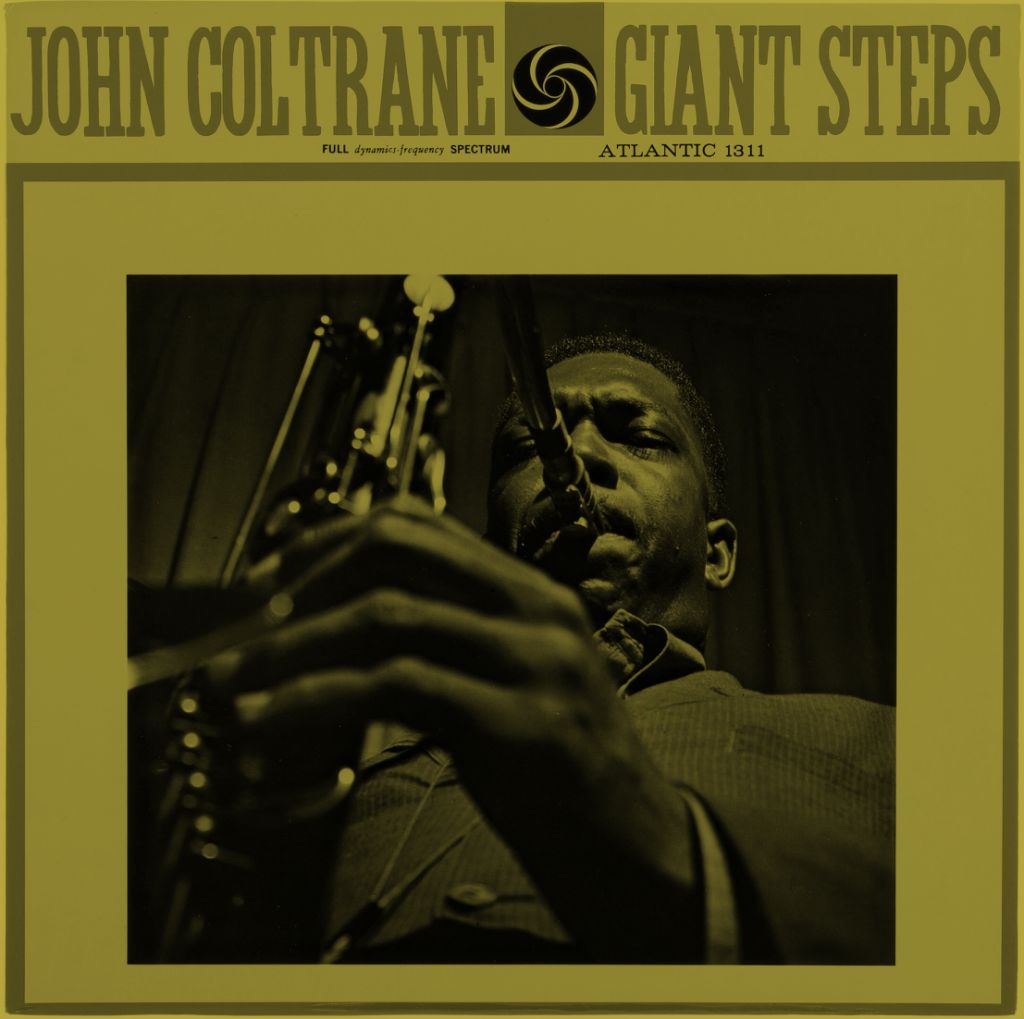
Atlantic sensibly gave him considerably more creative freedom and the result was an astonishing run of classic albums including the landmark be-bop statement Giant Steps with the title tracks famous cycle of major-third-related tonal centres creates an extraordinarily difficult harmonic environment. Coltrane was taking the chord change approach of be-bop to its very limits.
Naima’s slow, suspended harmony and extraordinarily beautiful melody reveal that Coltrane was also a master of creating emotional depth and atmosphere swell as explosive virtuosity.
Giant Steps was followed by one of the most unexpected moments in his career. Coltrane recorded Rodgers and Hammerstein's "My Favorite Things", from the hit musical The Sound of Music, but transformed the tune almost beyond recognition with modal improvisation.
“
My Favorite Things’ is my favorite piece of all those I have recorded.”
John Coltrane
The key ingredient was the soprano saxophone, an instrument strongly associated with earlier jazz traditions but which Coltrane used to create something almost trance-like and decidedly Eastern in tone. Coltrane's modal transformed a Broadway song into an extended improvisational standard.
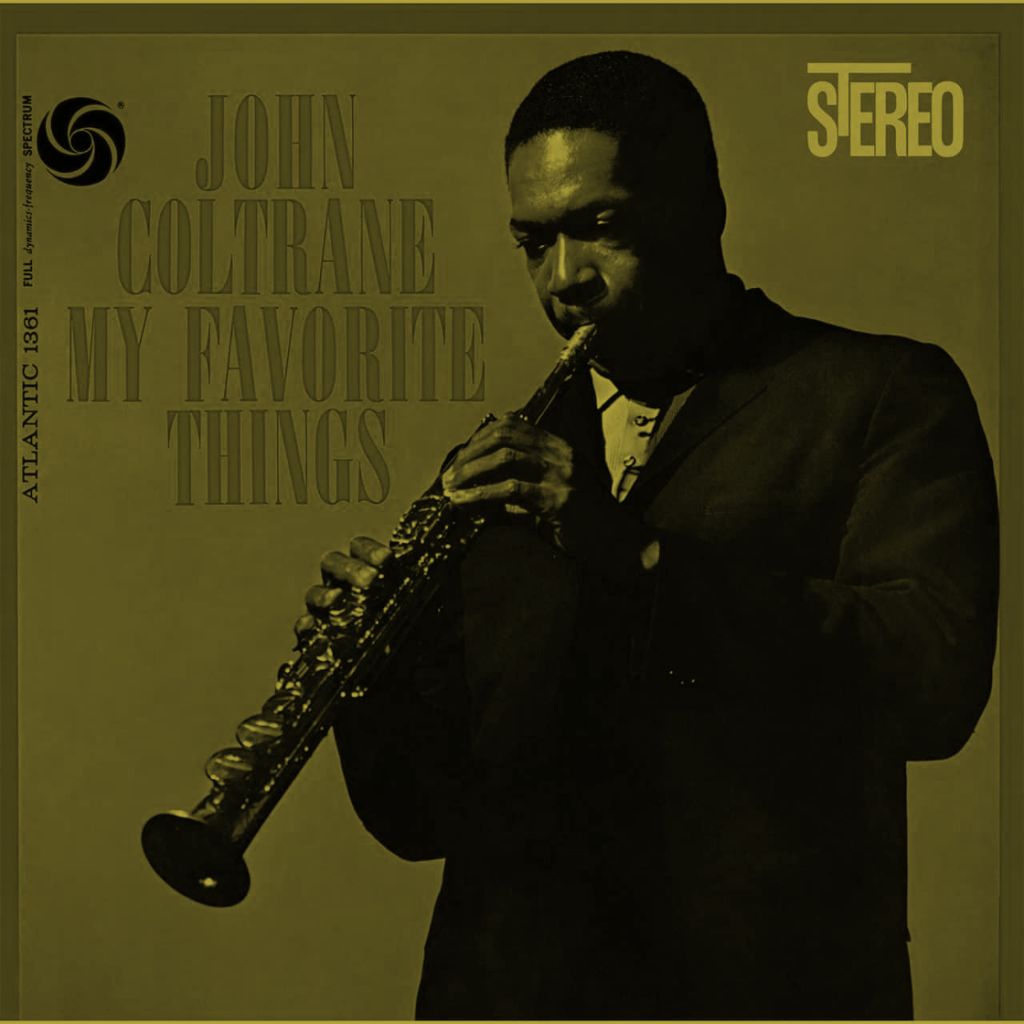
My Favourite Things achieved significant commercial success and introduced an enormous new audience to his music and in late 1961 Coltrane moved again, this time to Impulse!, the jazz label within ABC-Paramount where he assembled what became known as his Classic Quartet with McCoy Tyner (piano), Jimmy Garrison (bass) and Elvin Jones (drums).
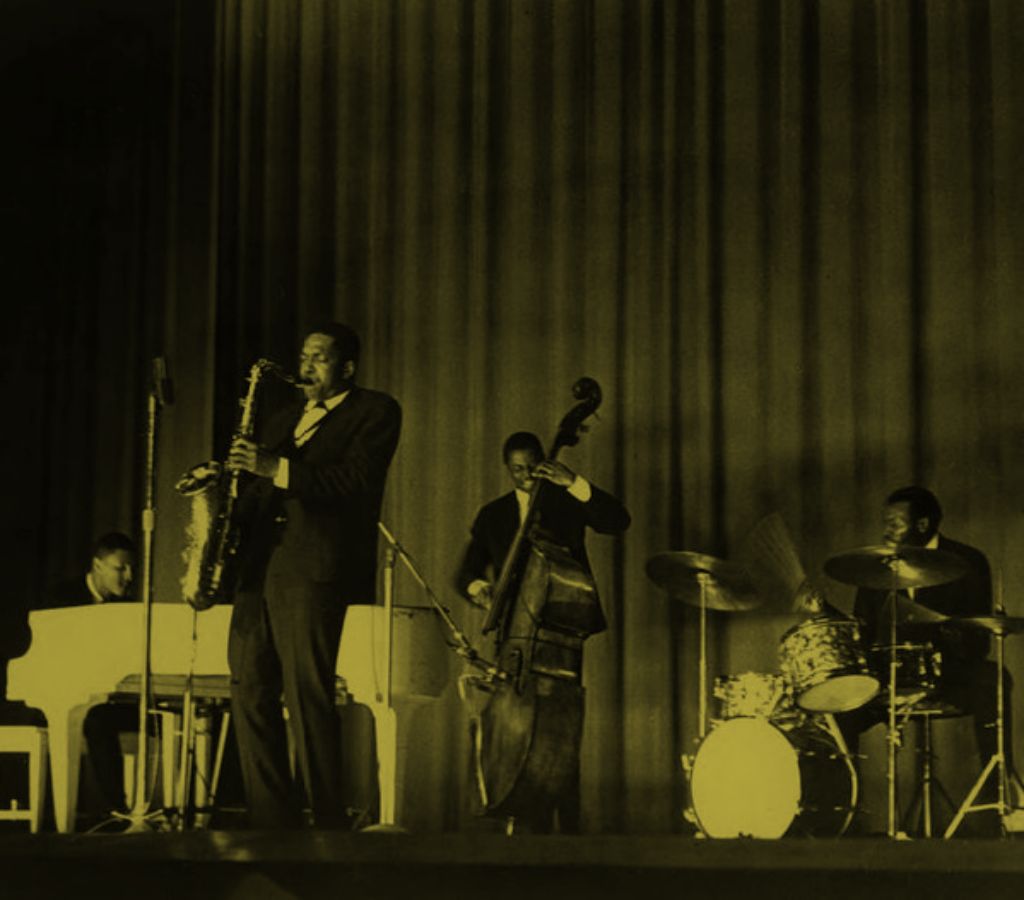
the classic Quartet
The combination was extraordinary. Tyner supplied enormous harmonic power that combined gospel spirituality with ‘quartal harmony’ an extensive usage of fourth intervals which he could perform at breakneck speed to match Coltrane’s intensity, Elvin Jones transformed the role of the jazz drummer often displaying a furiosity unmatched even in the later field of rock drumming and it was left for Garrison to be the glue that somehow held it all together.
“
Like four pistons in an engine—John, Elvin, Jimmy and I were working to make the car go.”
McCoy Tyner
Coltrane mastered all approaches to jazz. Blues foundations, lyrical ballads, extended waltz-time modal explorations and albums such as Africa/Brass showed he could upscale to large ensembles with ease. The haunting composition Alabama was recorded on 18 November 1963, only two months after the Sixteenth Street Baptist Church in Birmingham was bombed by Ku Klux Klan members killing four young girls. Coltrane’s saxophone itself becomes the human voice — first mourning, then gathering anger, before returning to mourning.
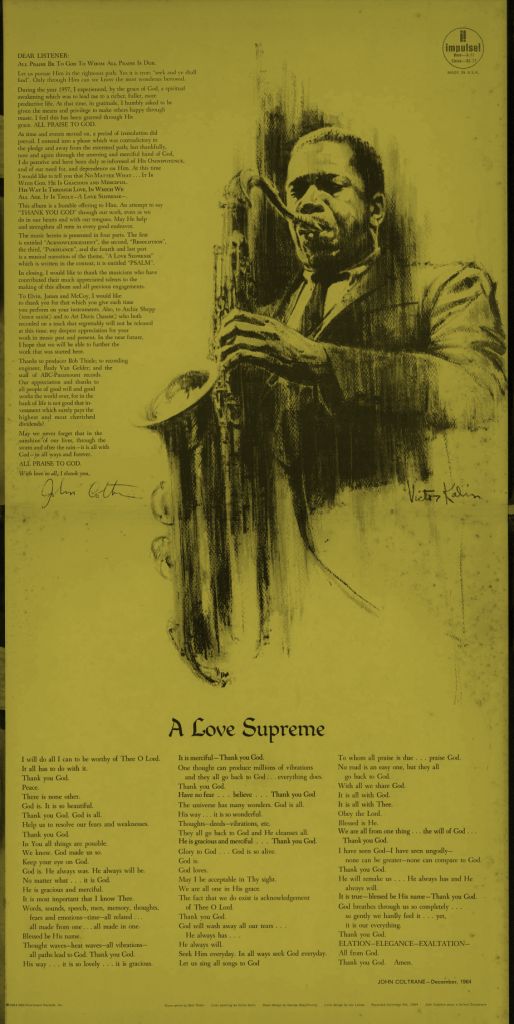
In 1964 Coltrane gave the world A Love Supreme, a four piece hymnal suite of "Acknowledgement," "Resolution," "Pursuance" and “Psalm." Coltrane regarded the album as an offering of thanks to God with the first movement chanting the words "A Love Supreme.” It has since become a musical standard that has transcended genres - covered by artists as varied as his wife Alice Coltrane on World Galaxy, Carlos Santana and John McLaughlin, Will Downing and Alexander Robotnik.
Coltrane continued to explore the outer-limits of jazz and music itself as his Quartet disbanded, transformed and expanded with musicians with a free approach. Pharoah Sanders became particularly important to Coltrane's final musical vision, while his wife Alice Coltrane, an exceptional pianist herself, became increasingly central both musically and spiritually. The transformation can be heard on works such as Ascension, Meditations, Om and the posthumously released Expression.
“
To me John Coltrane was like an angel on earth. He struck me that deeply”
Elvin Jones
Coltrane died on 17 July 1967, aged only forty, from liver cancer. Although his later works left much of his fanbase and former band members bewildered by its free approach - they influenced a whole new generation of avant-garde musicians who carried his restless appetite for exploration into the future, He had continued recording and performing almost until the end.