

The STAX company began in 1957 as Satellite Records, founded by Jim Stewart, a bank employee who played country fiddle. His sister Estelle Axton helped finance the operation, putting her house behind the purchase of recording equipment. Eventually they moved into a former cinema on East McLemore Avenue in Memphis.
“
We didn’t have any sound equipment or anything else but a small building and a lot of desire.”
Jim Stewart
A relationship with R&B/jazz giant Atlantic Records began in 1960. Rufus and Carla Thomas’s “Cause I Love You” attracted Jerry Wexler’s attention, and Atlantic picked it up for national distribution giving the Memphis company access to Atlantic’s distribution and promotion network.
Satellite Records changed its name to Stax in September 1961, after a Californian record company already using the Satellite name objected. The national success of the Mar-Keys’ “Last Night” had brought the Memphis label to its attention.
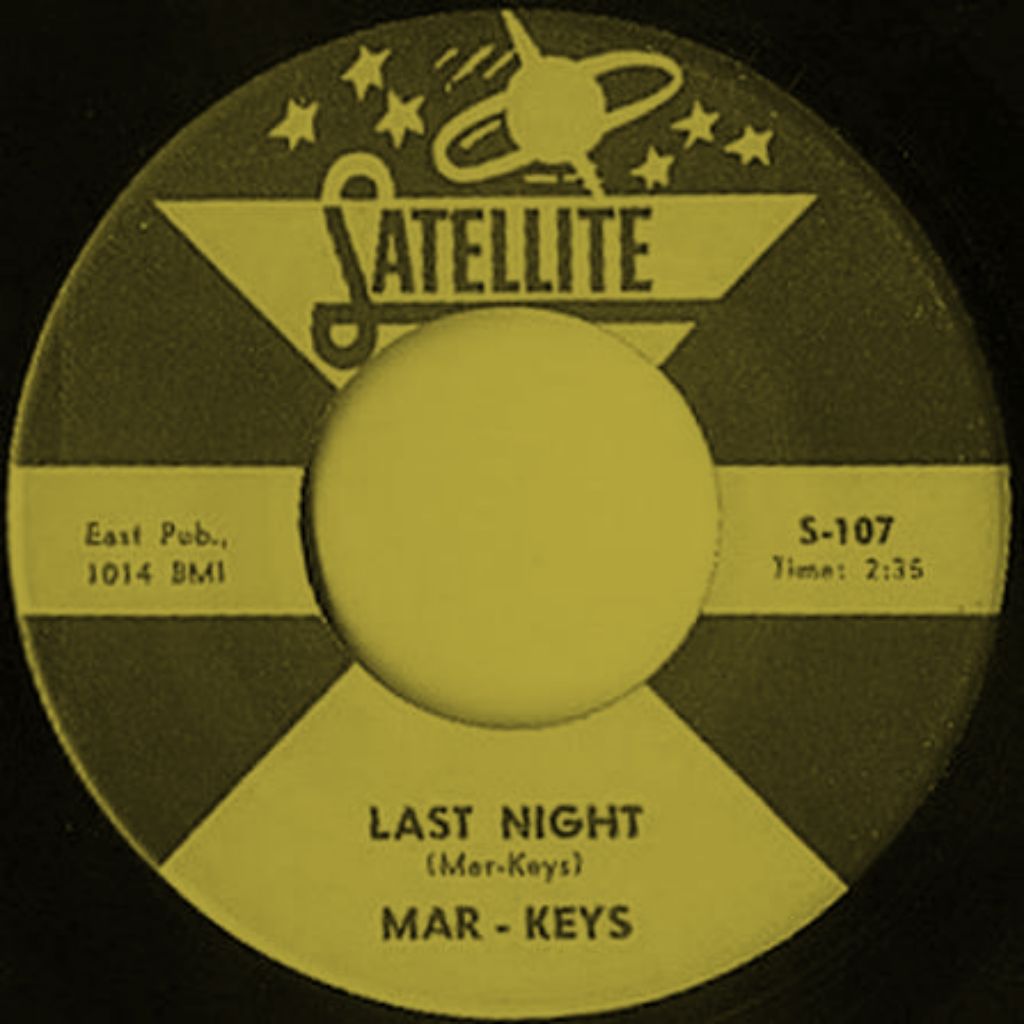
The Stax name joined the opening letters of Stewart and Axton. Axton deserves more than the passing mention she sometimes gets. Her Satellite Record Shop, operating at the front of the building, brought customers and aspiring musicians into the same orbit. Behind the shop, the old auditorium became a studio, its unusual dimensions contributing to the sound.
The early instrumentals had a simplistic formula executed by talented local musicians who would frequent the record store. Get the riff going, give the horns something to chew on, keep it moving. Booker T. and the MG’s took that economy to its heights and with it came commercial success. Booker T. Jones, Steve Cropper, Al Jackson Jr., and bassists Lewie Steinberg and later Donald “Duck” Dunn helped establish a musical language that singers could settle straight into with everything working around the rhythm.

Booker T & The M.G.'s
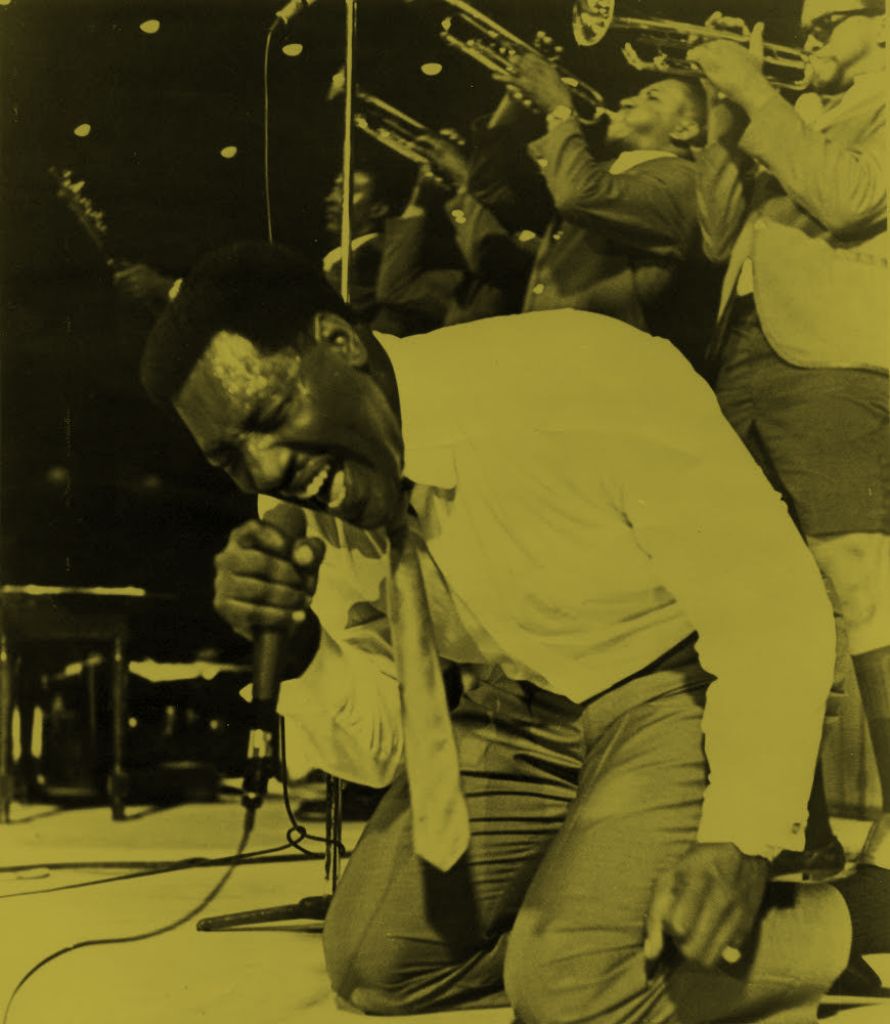
Otis Redding became the great Stax voice, although his records appeared on the associated Volt label. He arrived in 1962 with Johnny Jenkins and got his chance to sing at the end of the session. His voice could sound almost physically overburdened by a song and his delivery style soon became iconic.
Isaac Hayes and David Porter were central to the songwriting operation, particularly with Sam and Dave. “Soul Man” is the obvious landmark, but “I Take What I Want” and “I Thank You” make just as strong a case. They were a particular favourite on the gruelling R&B touring circuit. The two voices keep raising the stakes, while the arrangements give them something solid to push against whilst Hayes himself would later become a star on a very different scale.
Other vocalists brought different temperaments to the roster. William Bell brought a gut-wrenching sensitivity whilst Johnnie Taylor brings a different character again. Whilst the backing music retained a homogeneous instantly recognisable sound, it was down too the vocalists to provide the range of delivery and diverse approach.
“
If they didn’t have a session or a song, they’d ad-lib, developing chord and rhythm patterns until something blossomed. It was effortless, easy as breathing.”
Jerry Wexler
Sadly a full history of the label can sometimes seem like there was a cost to pay for the joy and success the songs gave, almost like a curse. Redding and four members of the Bar-Kays died in a plane crash in December 1967. In April 1968, Martin Luther King Jr. was murdered in Memphis which had a tremendous effect on an operation very much a part of the local community.
Otis Redding
Meanwhile, the end of the Atlantic distribution relationship exposed a devastating contractual reality. It ended in May 1968, following Atlantic’s sale to Warner Bros.–Seven Arts in 1967. That change of ownership triggered a clause allowing Stax to reconsider its distribution agreement. During negotiations, Jim Stewart discovered that the contract gave Atlantic ownership of the Stax masters it had distributed, a devastating provision he hadn’t understood when signing. Warner refused to return them, and negotiations broke down.
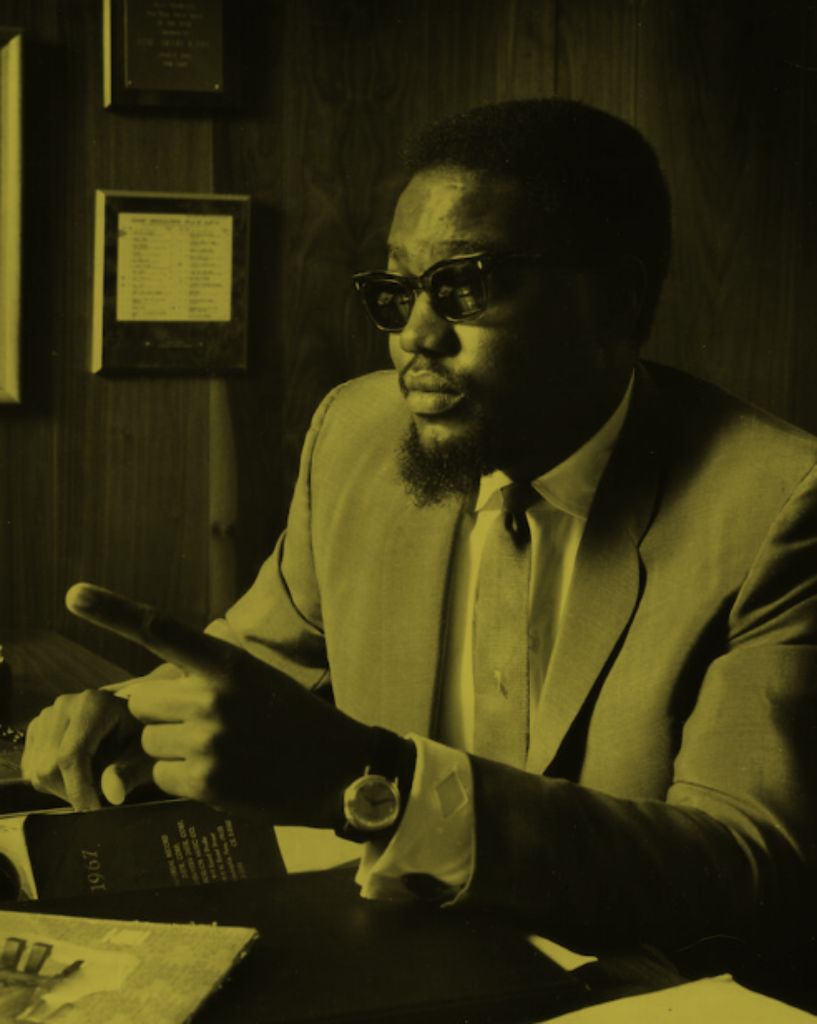
Stax therefore emerged from the split without ownership of virtually its entire released back catalogue. It also lost Sam & Dave, who were contracted to Atlantic and had effectively been loaned to Stax. But that wasn’t the end of Stax by any means. The label moved into a new era by rebuilding over the following years under Al Bell, with Isaac Hayes becoming its major new star.
Al Bell
Al Bell’s response was to build again, quickly. The 1969 Soul Explosion campaign generated a rush of albums and singles, while Hayes’s “Hot Buttered Soul” was a revolution for R&B stylistically. Stax could now accommodate extended arrangements and an artist taking his time. Interestingly, Hayes’ releass did not appear on the main Stax label but were released on Enterprise, a subsidiary originally formed in 1967 to release more jazz oriented music. So although Hayes success would go on to contribute to the financial rebirth of the Stax company - his music never actually appeared on the Stax imprint itself.
“
Everybody must be called to contribute to this effort to rebuild our company.”
Al Bell's rallying call to the Stax employees and artists
The records of the Al Bell era ishow a carefully curated broadening of the Stax sound. Still routed in southern soul but embracing funk and softer R&B. Jean Knight’s “Mr. Big Stuff” has that superbly confident, dismissive delivery. Frederick Knight’s “I’ve Been Lonely for So Long” has its own melancholy lightness. The Staple Singers brought gospel experience with “Respect Yourself” and “I’ll Take You There” still being well-known anthems today. leaves so much space that the smallest rhythmic detail becomes something to enjoy. Rufus Thomas brought his comedic approach to the funk era with a series of novelty dance hits such as the Funky Robot, the Funky Chicken, etc and blues artists such as Albert King and Little Sonny kept the label’s connection to the raw Southern traditions.
With Al Bell at the helm, Stax’s ambitions increasingly reached beyond Memphis, most visibly at Wattstax in Los Angeles in 1972. Isaac Hayes, Rufus Thomas, the Staple Singers and others performed at a gathering that gave Black pride, community and entertainment room on the same stage.
However, the curse soon struck again - this time effectively ending the labels operations. The original company was forced into bankruptcy in 1975 after financial trouble and a failing distribution relationship with CBS. It’s a grim ending, especially given how much strong music had continued to come out ensuring both era’s of the Stax story remain one of the music industries most intriguing.