

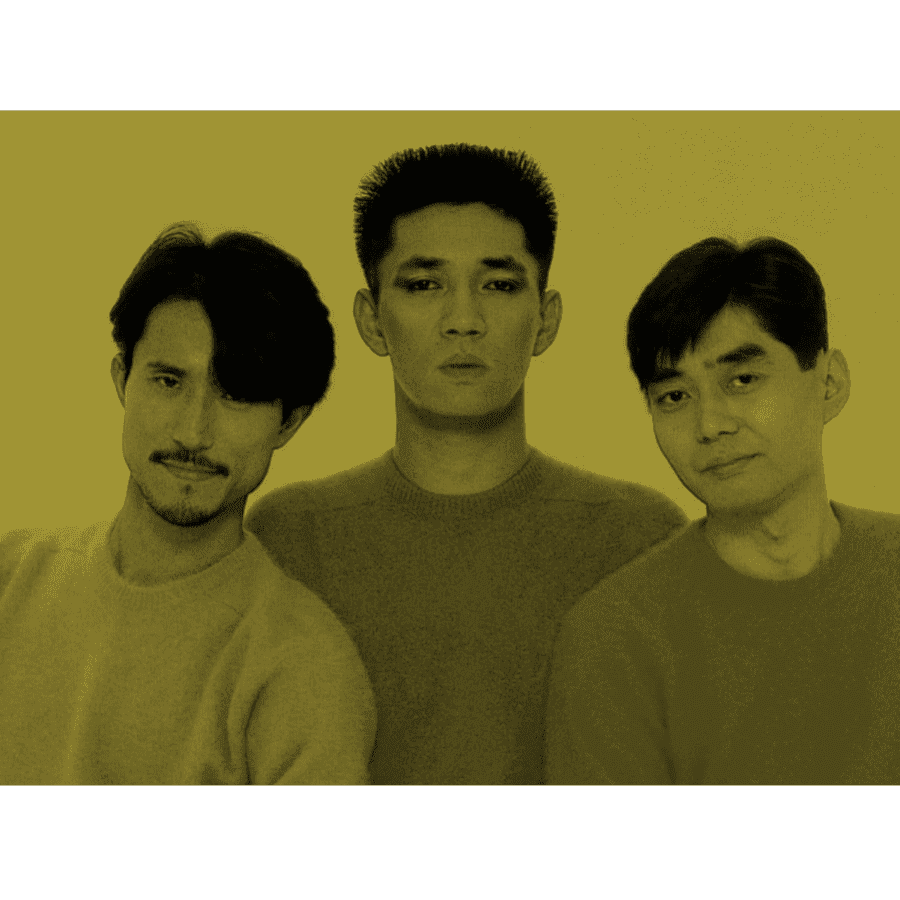
Japan’s electronic music culture grew alongside an extraordinary domestic synthesizer industry. Korg emerged in the 1960s, while Yamaha developed its own electronic instruments and, by the 1970s, was producing increasingly sophisticated synthesizers culminating in the iconic CS series.
Roland, founded in 1972, rapidly became another major force, with instruments such as their modular systems, SH and Jupiter series and of course the legendary drum machines finding their way into Japanese studios.
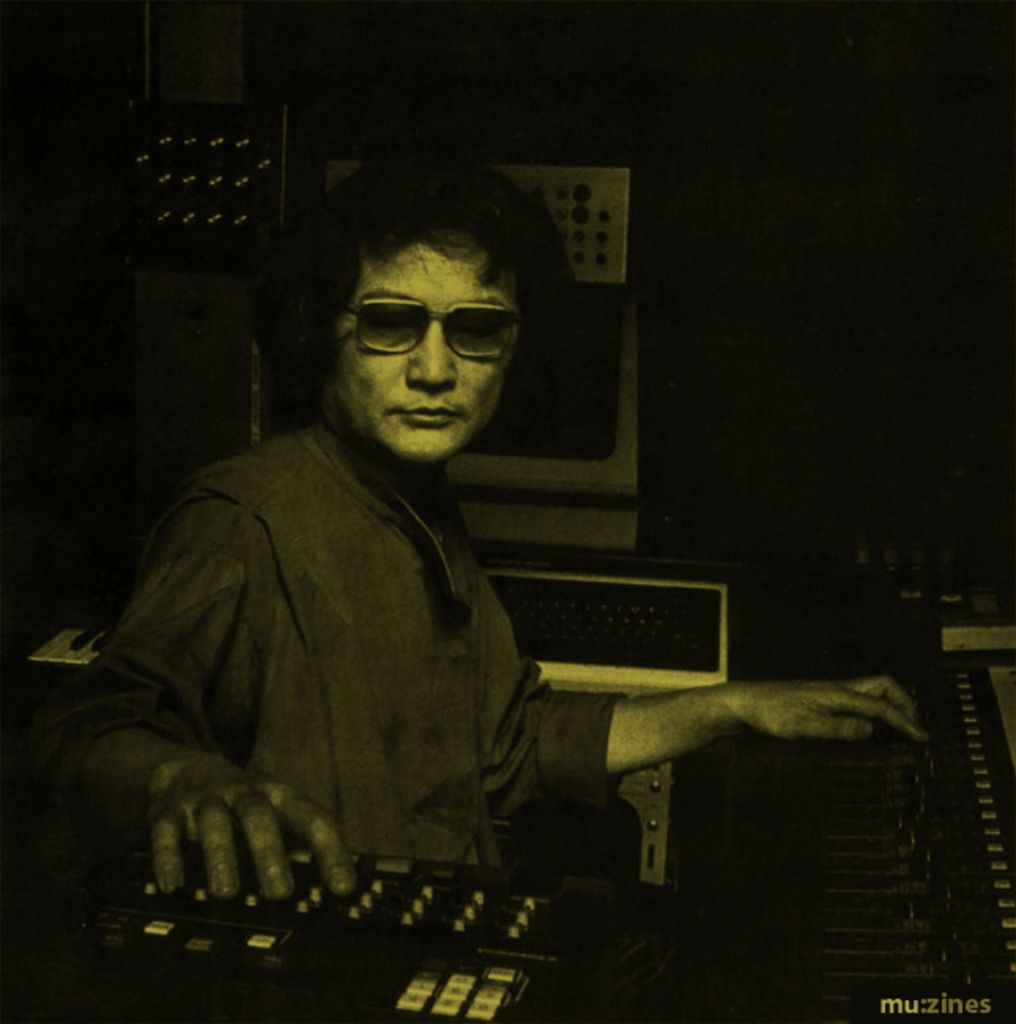
Isao Tomita
Japanese musicians were already early adopters of US brands such as Moog and ARP - most notably the Moog Modular classical music genius Isao Tomita but with the availability of these more readily available and sometimes more affordable domestic instruments, electronic sounds proliferated into Japanese jazz fusion, progressive rock, new wave, synth and techno-pop, with artists such as Yellow Magic Orchestra making synthesizers central to the sound of modern Japan.

By the 1980s, Japan had developed one of the world’s most distinctive electronic cultures with areas such as Shinjuku and the burgeoning console gaming industry instantly associated with a hi-tech microprocessor based futurism.
The music of YMO and other Japanese techno-pop artists was the perfect soundtrack to this technological vision. Their influence travelled into British new wave and synth-pop, American electro and and ultimately Detroit techno.
Their emergence was the culmination of a decade in which Japanese musicians were already experimenting with synthesizers across jazz, fusion, progressive music, experimental composition, pop and studio production.
In 1975, Electro Keyboard Orchestra brought together eight major Japanese keyboard players — including Masahiko Sato, Masao Yagi, Hiromasa Suzuki, Yuji Ohno and Kentaro Haneda — backed by guitarist Ken Yajima, bassist Akira Okazawa and drummer Shuichi Murakami. The group used around twenty synthesizers, creating a remarkable meeting point between jazz-funk and electronic music.
The jazz funk anthem Mother of the Future, originally composed by Carlos Garnett and made famous on the UK’s jazz-dance scene in its cover version by Norman Connors is a wonderfully quirky example of jazz musicians using new technology to experiment. The result belongs simultaneously to jazz fusion and early synthesizer music.
“
Technology is not the answer to the development of sound. It requires a mind to think and create it.”
Stomu Yamashita (interview by Studs Terkel)
Stomu Yamashita’s ‘Go’ project of 1976 brought together musicians including Steve Winwood, Michael Shrieve, Klaus Schulze and Al Di Meola, placing eerie synthesizer layers and electronic textures inside a hybrid of rock, jazz, and avant-garde percussion.
Yamashita's Space Requiem and Ecliptic projects proved synthesizers could provide atmosphere, rhythm and colour in an improvised live performance setting more typical of jazz. Meanwhile, other musicians were exploring what happened when electronic technology became the centre of the composition.
Akio Niitsu's 1978 I/O is an extraordinary example. Recorded largely in a home studio over several years, with Niitsu handling composition, performance and engineering, the album occupies an ambiguous territory between experimental guitar music, ambient electronics and fusion.
The track Orange Paradox sounds less like conventional jazz-rock than a precursor of later electronic genres.
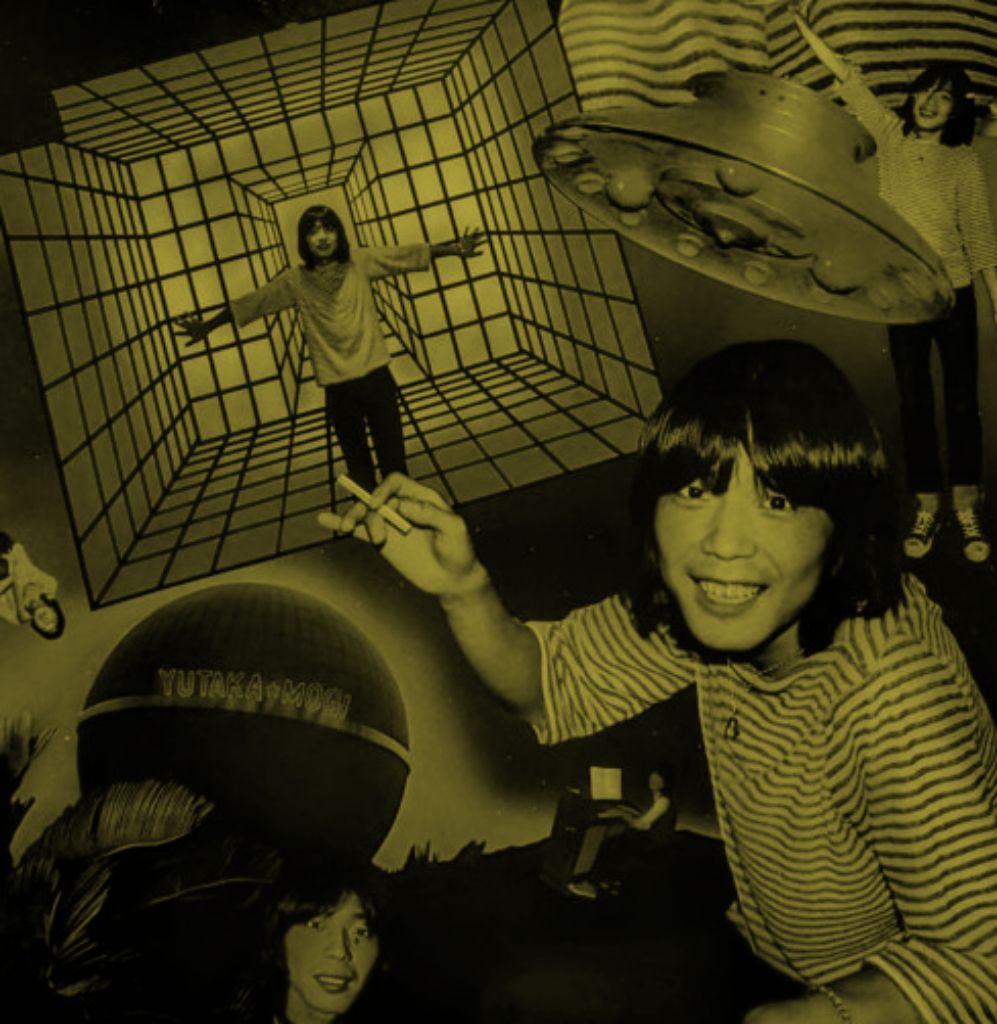
Digital Mystery Tour
Released in 1978, Yutaka Mogi's Digital Mystery Tour takes Beatles compositions such as Blue Jay Way and reconstructs them almost entirely through synthesizers. Echoing classical Moog master Isao Tomito’s approach but with Lennon & McCartney compositions it retains a psychedelic aura missing from the many ‘Switched On’ cover versions of Beatles songs from the late sixties Moog album boom.
Osamu Shoji's 1979 Night Flight captures the more atmospheric side of Japanese synthesizer culture. Shoji employed an unusual three-dimensional recording system, the Space Sizer 360, and created music whose spatial effects and synthesizer textures anticipate later ambient and electronic developments.
“
We started it just as a one-off studio project, but suddenly we were pop stars in Japan and it was overwhelming”
Ryuichi Sakamoto
This was the electronic culture from which Yellow Magic Orchestra emerged.
Haruomi Hosono, Ryuichi Sakamoto and Yukihiro Takahashi each brought an extensive musical background to the collective and their first YMO album appeared in 1978. The album's technology included multiple synthesizers, vocoders and the Roland MC-8 MicroComposer, programmed with the assistance of Hideki Matsutake.
“
We'd sit back with the lights off and listen to records by Bootsy and Yellow Magic Orchestra.”
Derrick May
YMO could take the precision of sequenced electronic music, the rhythmic language of funk and disco, the melodic sensibility of Japanese and Western pop, the harmonic sophistication of jazz and fusion, and the sound-world of contemporary experimental electronics and somehow make them work as popular music. Firecracker/Computer Games and Sakamoto’s ‘Riot In Lagos’ were both huge hits in the US clubs and both were particularly influential on the New York Electro scene of the early eighties with both being a favourite of the body-poppers and later with the Detroit Techno artists The album Solid State Survivor helped establish the popularity of Japanese technopop, while subsequent records such as BGM and Technodelic pushed further towards sampling, digital processing and increasingly sophisticated electronic production technologies.
Jazz-fusion pianist and keyboard player, Jan Fukamachi had been using synthesizers from the early 1970s. His 1980 album Quark, represented here by Perpetual (Movement), is a jazz-fusion-meets-electronics composition but taking it into the eighties with a precision that marks a move away from the jazz-rock electronics of the mid-sevetnies into the digital era.
“
I used to hate when people would point to a Japanese influence in my music but when I listen to them I start to think I sort of brew it”
Masabumi Kikuchi (interview by Ethan Iverson)
Likewise, Masabumi Kikuchi was an important figure in Japanese jazz whose career encompassed avant-garde jazz, fusion, funk and later electronic experimentation. His Susto period around 1980 represented a particularly adventurous fusion of jazz and electronics that once again looks more towards a digital landscape to come a few short years later with the popularity of FM synths in particular.
Both these examples sit on the cusp of the virtuoso world of seventies electronic fusion and the more structured approach of the eighties with its more precise tuning and steady drum machine beats.
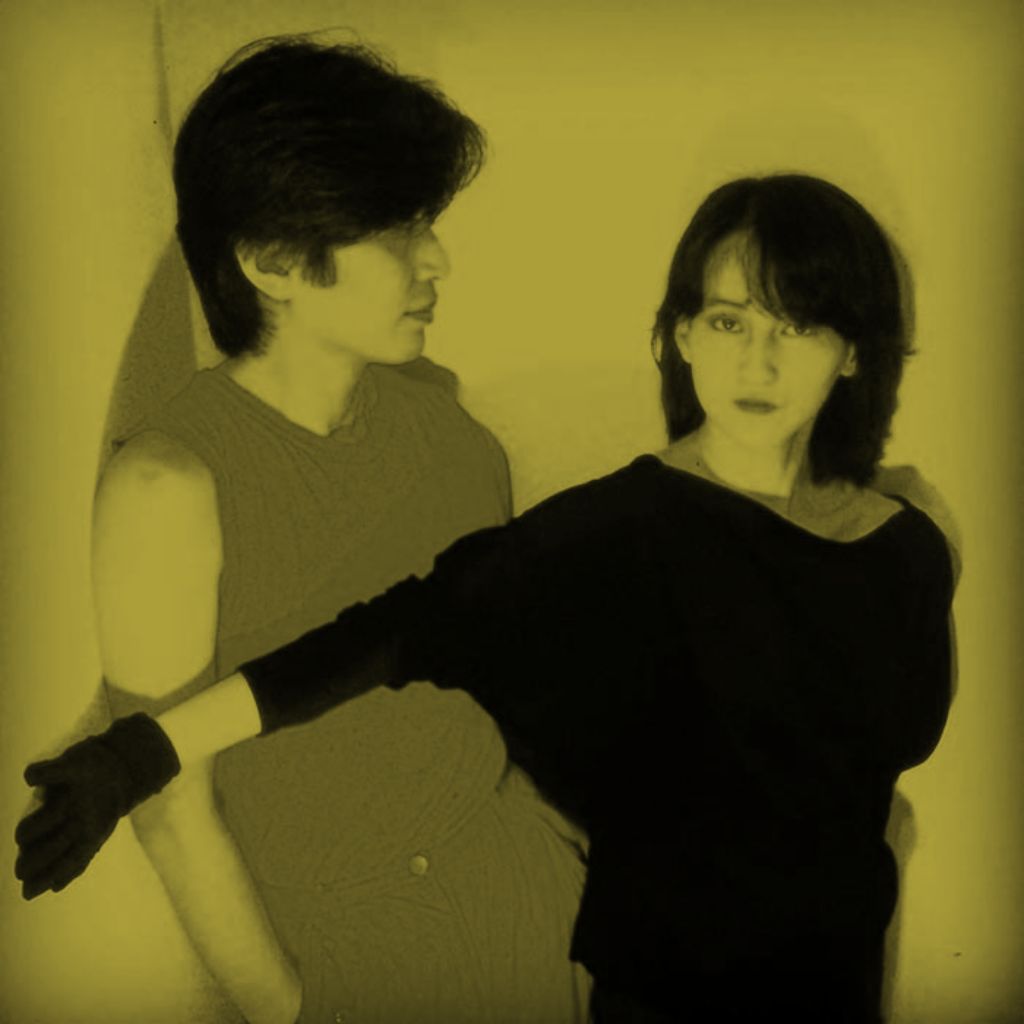
Coloured Music
The 1981 appearance of Colored Music by Ichiko Hashimoto and Atsuo Fujimoto combined synthesizers, drum machines, live percussion, funk, minimalism and new-wave songwriting. The group's sole album ranges from experimental pop and new wave to electronic funk and proto-techno.
“
When we were in the studio, we both explored different directions, but there was always that common language.”
David Sylvian on working with Sakamoto
From David Sylvian’s stunning work with Sakamoto to the influence of YMO on Electro, the cassette only cult Japanese labels with influential raw New Wave electronics and promo-techno such as Logic System, Japanese electronica has played a major part in the development of our music scene both with its musical instrument innovations and its musical heritage.