

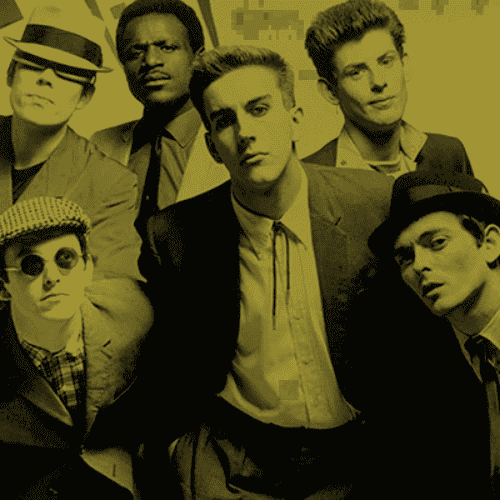
“
The whole point of 2 Tone was to bring black and white together.”
Jerry Dammers
The late 1970s in Britain were tense, divided, and economically bleak — but out of that atmosphere came a burst of energy, rhythm, and unity called the Two-Tone movement. Growing out of the punk movements affinity with reggae via bands like The Clash - this second wave of ska was led by artists like The Specials, Madness, The Selecter, and The Beat.
This late-1970s and early-1980s wave of ska — usually called the “2 Tone” era after the influential Coventry label — was one of the most culturally important British music movements of the post-punk period. It fused Jamaican ska, rocksteady and reggae with punk energy, mod sharpness, political tension and working-class multiculturalism.
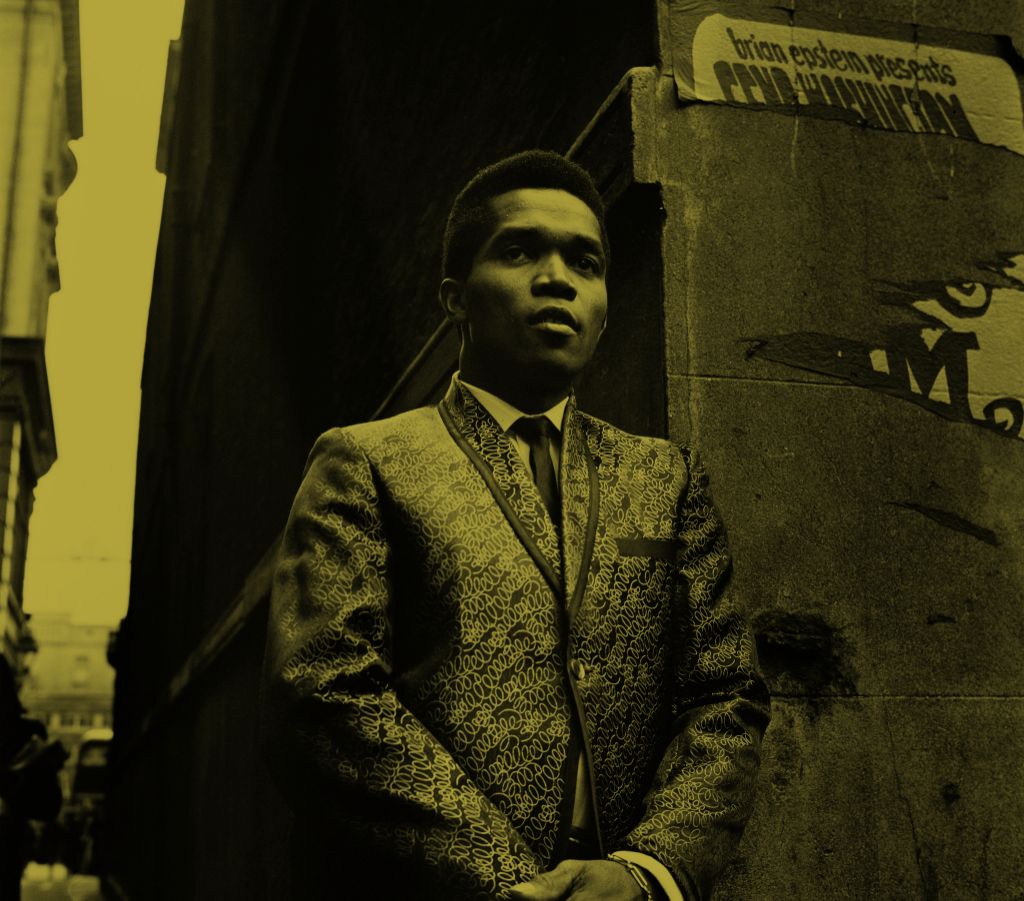
Prince Buster
The movement emerged during a period of economic decline, racial conflict and youth unemployment in Britain, and its central message — black and white musicians creating music together — carried enormous symbolic weight. It revived the offbeat rhythms of 1960s Jamaican ska artists such as Prince Buster, Desmond Dekker and The Skatalites, but filtered them through punk’s urgency and social realism and soon its influence spread from British urban blight to other European alternative music scenes.
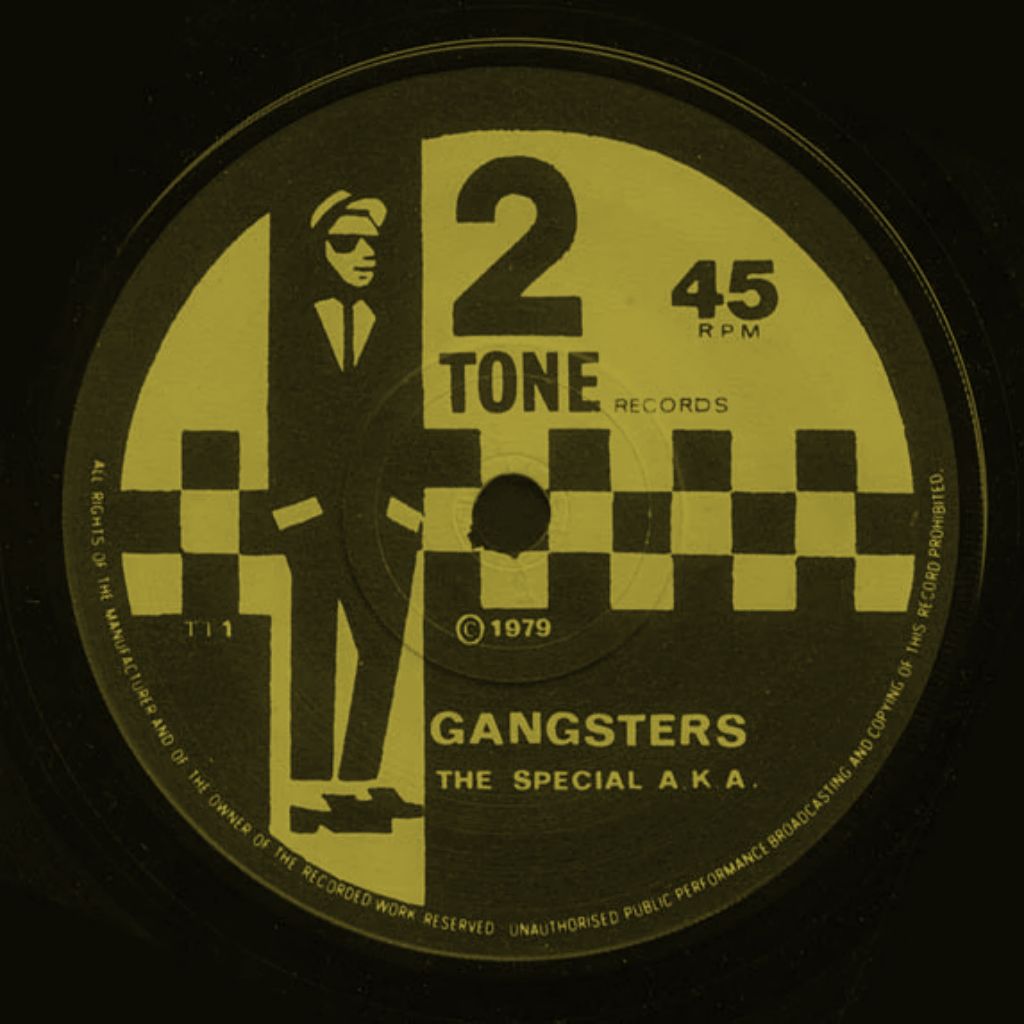
Two-Tone label logo.
At the centre was 2 Tone Records, founded by Jerry Dammers of The Specials. The label’s black-and-white “Walt Jabsco” imagery became one of the defining visual identities of British youth culture. The figure is based on a photograph of reggae artist Peter Tosh from the cover of The Wailing Wailers album, which Dammers chose for its "defiant & Jamaican & hard" aesthetic, whilst the name "Walt Jabsco" was taken from an old American bowling shirt owned by Dammers, which had "Walt" embroidered on the front and "Jabsco" (a company that makes water pumps) on the back.
Many white British punk fans were already listening to reggae through sound systems and Caribbean communities, especially in London. The Clash openly embraced reggae influences and anti-racist politics, helping prepare audiences for what 2 Tone would later become. “Police & Thieves” by The Clash represents one of the major bridges between punk and reggae before the ska revival fully exploded. Originally written and recorded by Jamaican singer Junior Murvin and produced by Lee Scratch Perry, the song was reinterpreted on the band’s debut album The Clash.
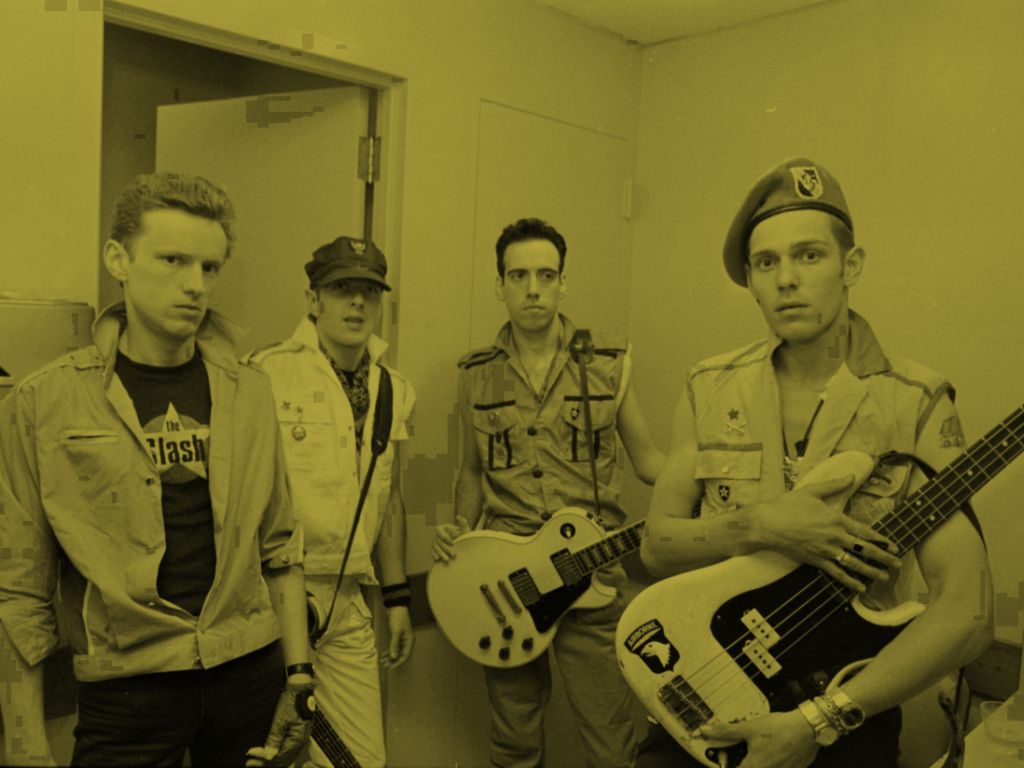
The Clash
The first truly explosive ska revival single was “Gangsters” by The Specials in 1979. Emerging from Coventry, The Specials combined punk aggression with tight ska rhythms and sharply dressed rude-boy aesthetics. Their self-titled debut album The Specials became foundational to the movement. Songs like “Nite Klub” and “A Message To You Rudy” mixed humour, realism and social observation. “Nite Klub” described bleak British nightlife and working-class frustration, while “A Message To You Rudy” revived a rocksteady classic.
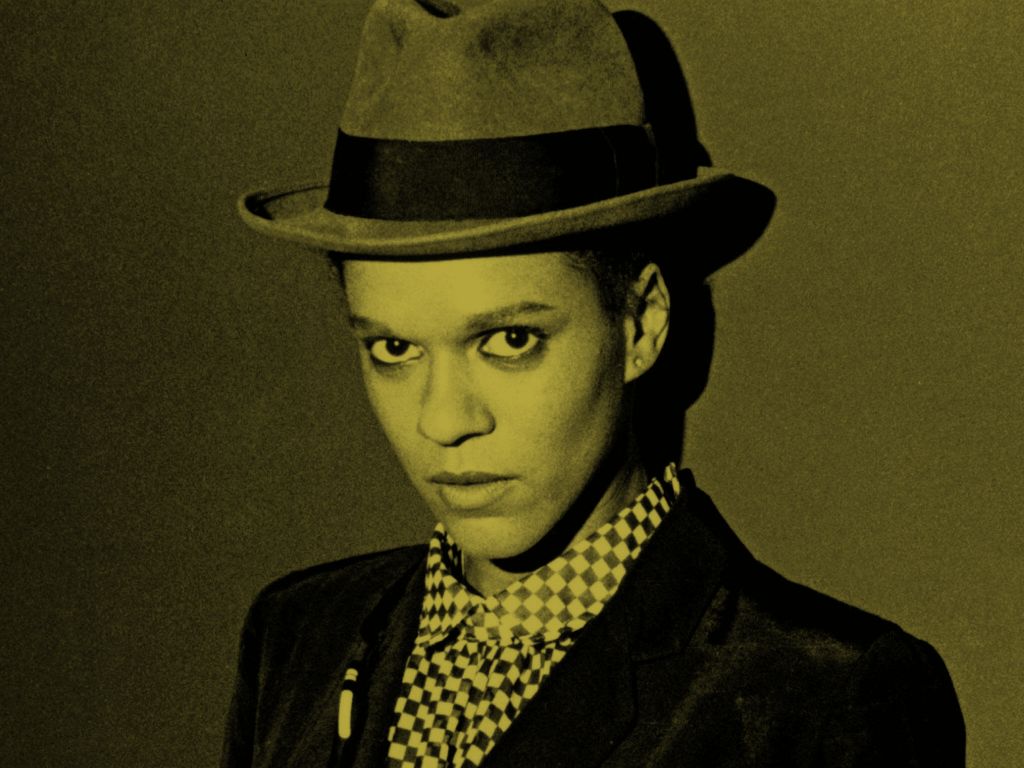
Pauline Black
The Specials also helped launch other acts through 2 Tone. The Selecter were one of the most important. Fronted by Pauline Black, whose image became iconic within the movement, the band brought a darker, more tense sound to ska revival music. Tracks such as “The Selecter,” “On My Radio,” “Three Minute Hero” and “Too Much Pressure” reflected urban alienation, media frustration and class tension. Their album Too Much Pressure remains one of the definitive records of the era. Pauline Black’s presence was especially significant: a mixed-race female front-person in a heavily male scene.
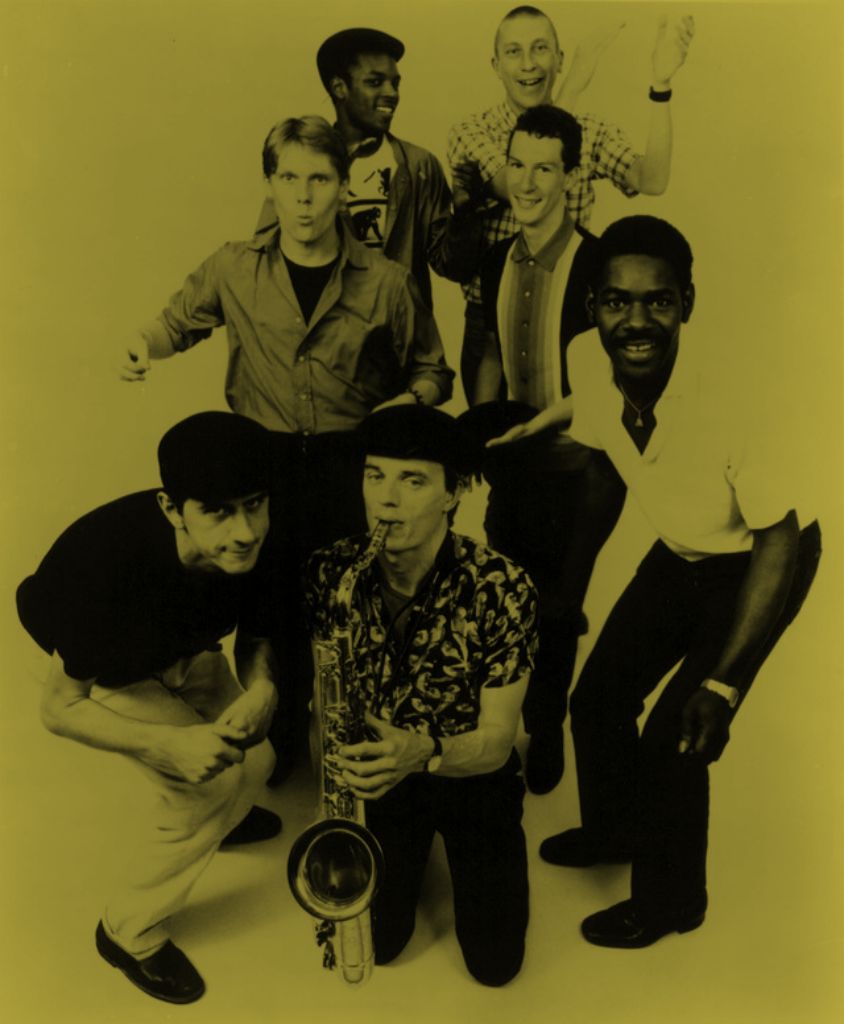
The Beat
The Beat brought a more melodic and pop-oriented dimension to the movement. Their debut album I Just Can’t Stop It is widely regarded as one of the great British albums of the era. “Mirror In The Bathroom” merged anxiety-ridden post-punk lyrics with ska rhythm guitar, while “Hands Off…She’s Mine” and “Stand Down Margaret” demonstrated the band’s political wit. “Stand Down Margaret” was an attack on then British Prime Minister Margaret Thatcher and reflected how deeply politics permeated the movement. The Beat’s label, Go-Feet Records, was distributed through 2 Tone initially before becoming independent.
Though associated with 2 Tone early on, the group Madness quickly evolved into a more eccentric British pop act. Their live version of “One Step Beyond…” in the documentary Dance Craze captures the kinetic energy of the scene at its commercial peak. Dance Craze itself became an essential historical document, featuring live performances by The Specials, Madness, The Beat, The Selecter and Bad Manners. The film demonstrated how physically intense ska revival concerts could be.
Bad Manners were among the movement’s most commercially successful acts, though they leaned more toward party music and novelty energy than political commentary. Fronted by the charismatic Buster Bloodvessel, songs like “Lorraine” and “Here Comes The Major” combined cartoonish humour with classic ska rhythms. Signed to Magnet Records, Bad Manners proved ska revival music could achieve mainstream pop success.
The Bodysnatchers were another crucial 2 Tone-associated act. Entirely female, they stood out in a male-dominated scene. “Easy Life” showcased a tougher reggae-informed sound with socially aware lyrics. Though their recording career was brief, they became hugely influential retrospectively, especially within feminist readings of post-punk and ska culture.
Outside the main 2 Tone axis, there were numerous regional scenes and independent labels. Red Rhino Records released music by The Akrylykz, whose tracks “Spyderman” and “Smart Boy” fused ska with abrasive punk textures and socially conscious lyrics. The band emerged from Leicester and reflected how the movement was as much from the British Midlands rather than being London-centric.
Big Bear Records, founded in Birmingham by reggae advocate Jim Simpson, was another key Midlands label. It released material by lesser-known but culturally significant bands such as Gangsters and The Thrillers. Birmingham had a particularly strong ska scene because of its large Caribbean population and established reggae infrastructure.
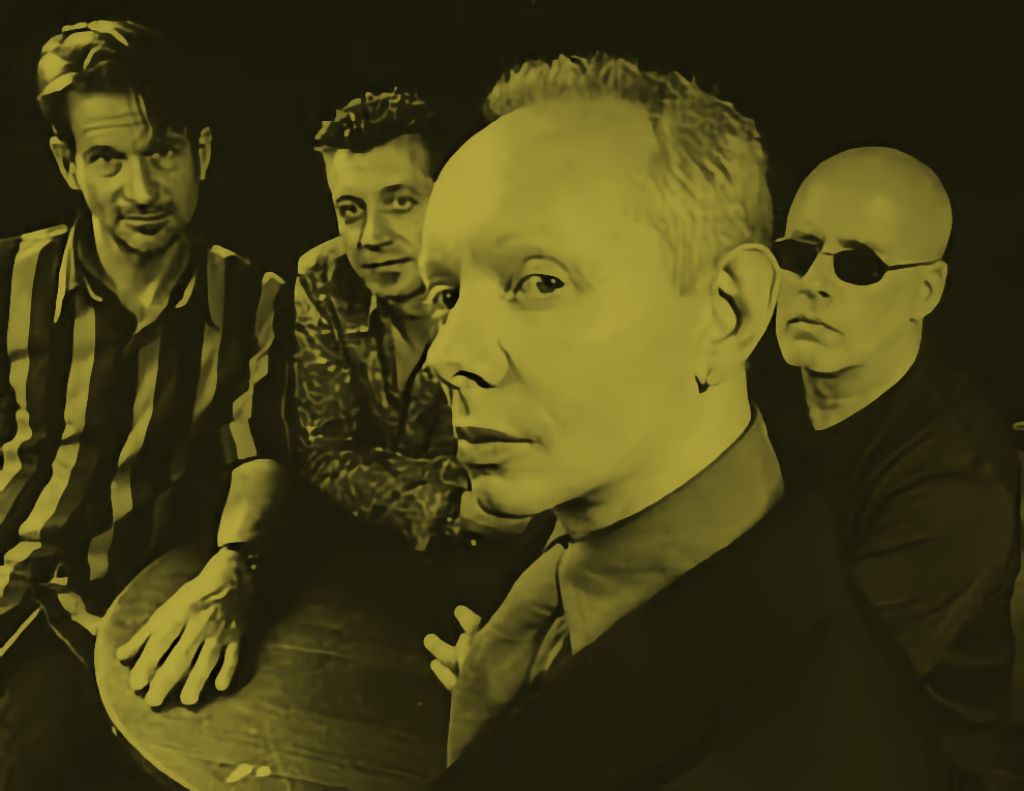
Joe Jackson Band
Joe Jackson was never strictly a ska artist, but tracks like “Beat Crazy” and “Pretty Boys” clearly absorbed ska rhythms and reggae basslines. Many post-punk musicians experimented with Jamaican styles because reggae’s spacious production and rhythmic minimalism aligned naturally with the stripped-down aesthetics of punk and new wave.
Liz & Lizards released “P.A.Ska” through the Finnish label Poko Records, demonstrating how rapidly ska revival culture travelled across Europe. French group Vodska similarly adapted the style on tracks such as “L’espion qui venait du ska” and “Therese.” Ska revival rapidly became an international underground language linking punk scenes, mod revivals and reggae fandom.
The Piranhas added satirical intelligence to the scene. “Fiddling While Babylon Burns” reflected the influence of dub reggae’s anti-establishment themes and Rastafarian political language. Similarly, The Papers mixed punk experimentation with reggae rhythms on “How Many More (For The Third World War)” and “Reggae On the Radio.” These bands existed in the porous borderland between post-punk and ska revival, illustrating how interconnected those scenes really were.
“
We hated the violence and racism, absolutely hated it.”
Suggs, Madness
The political dimension of the movement remained central. Many bands opposed racism and supported campaigns connected to Rock Against Racism. Concerts often brought together black and white audiences during a period of severe racial tension especially in Britain. This was not always the case however as violence, skinhead factionalism and racist infiltration existed around some ska revival gigs despite the movement representing one of the clearest musical attempts at interracial solidarity in Thatcher-era Britain.
“
The music was black music. The politics of 2 Tone were anti-racist from the start”
Pauline Black
By 1981-82, the original 2 Tone movement was beginning to fragment. Internal tensions, commercial pressures and political exhaustion affected many bands. The Specials evolved into more experimental territory before splintering into projects like Fun Boy Three. The Beat moved toward sophisticated pop-reggae hybrids and by 1983 the first British wave had largely subsided - its DNA mutating into hardcore, ska-punk and alternative music scenes worldwide.
The movement’s influence continued with American third-wave ska bands in the 1990s — including No Doubt, Rancid and The Mighty Mighty Bosstones — all drawing heavily from 2 Tone. Even outside ska itself, the movement permanently altered British music by legitimising reggae influences inside punk, indie and pop.