

“
I didn’t always give the record companies the best song.”
Prince
On the tenth anniversary of Prince’s passing, ROVR Research dives into the songs that until recently remained commercially unavailable.
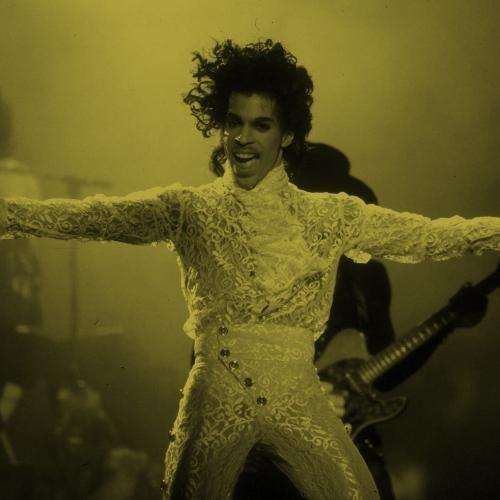
Prince was famously prolific, recording far more material than he ever released. Much of this work was stored in what became known as his “vault” at Paisley Park—a literal archive of master tapes containing fully produced songs, alternate versions, and entire unreleased albums. He treated recording as a daily practice, often completing tracks in a single session, then shelving them if they didn’t fit his current project. This approach gave him an enormous private catalogue, allowing him to move quickly between styles while maintaining strict control over what reached the public.
Prince’s working method was unusually fluid. Songs were often recorded in a single night, assigned to one album, removed days later, reworked for another project, given away to protégés, then revived years later in different form. Many titles existed on multiple proposed album tracklists and in several radically different mixes.
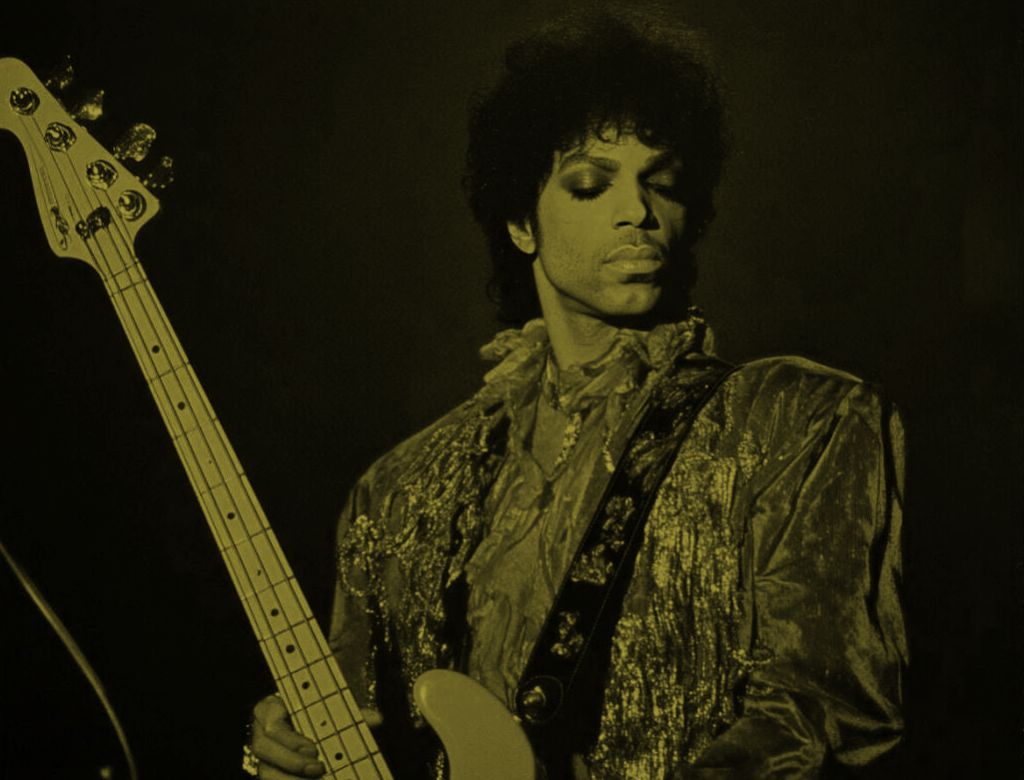
At the same time, Prince frequently wrote and recorded songs with other artists in mind. He would often cut a complete demo himself—playing all the instruments and singing guide vocals—before passing the track on. In many cases, the receiving artist would closely follow his arrangement, sometimes even retaining elements of his original performance. This method produced major hits for others while preserving his authorship behind the scenes. It also allowed him to explore ideas that didn’t suit his own image or release schedule, effectively extending his creative reach across the music industry without diluting his own discography.
Kiss Me Quick from 1980, is one of the earliest surviving unreleased Prince recordings from the Dirty Mind/Controversy transitional era and demonstrates just how many strong tracks never reached official albums simply because Prince worked at overwhelming speed. The song reflects Prince’s rapid movement away from the smoother disco-funk textures of his first two albums toward the stripped-down Linn drum minimalism that defined Dirty Mind.
By 1980 Prince had become almost completely self-contained in the studio: writing, arranging, producing and performing nearly every instrument himself. Recording constantly and far faster than Warner Bros. could release material, this period established the “vault” methodology. With its parse drum machine programming, clipped funk rhythm guitar, sexually direct lyrical content and post-new-wave influence, Kiss Me Quick already sounds recognisably like the Prince of 1981 rather than the more traditional R&B artist of 1978–79.
Around 1981–82 Prince began creating entire satellite acts such as Vanity 6, The Time, Apollonia 6 and later The Family and Madhouse. This allowed him to release far more material than Warner Bros. would permit under his own name.
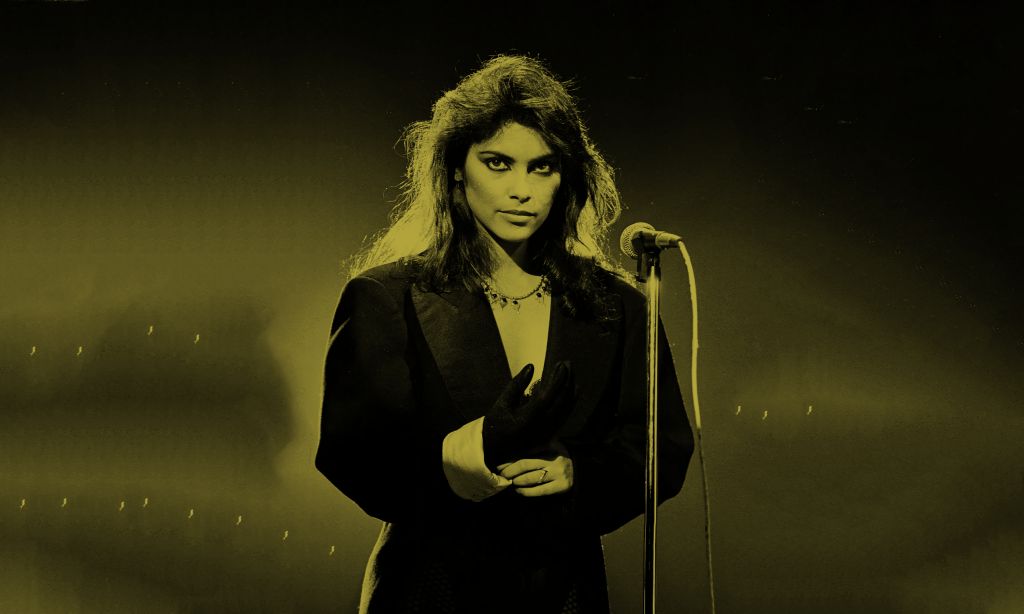
Vanity
Make-Up for example reveals Prince building the Minneapolis Sound as a multi-artist universe rather than a solo career. Musically it already contains dry Linn LM-1 programming, sexually theatrical spoken vocals, minimalist synth bass with a rigid funk pulse - all characteristics that became central to Prince’s satellite girl-group aesthetic.
In contrast to the upfront sexuality of his girl-groups, Prince used Jill Jones as one of his most musically adventurous protégées. The Jill Jones material often leaned toward art-pop with emotionally darker textures. 1982’s Baby, You’re A Trip was originally recorded by Prince around the *1999* era but kept aside and later given to Jones, establishing a pattern Prince adopted for the rest of his career.
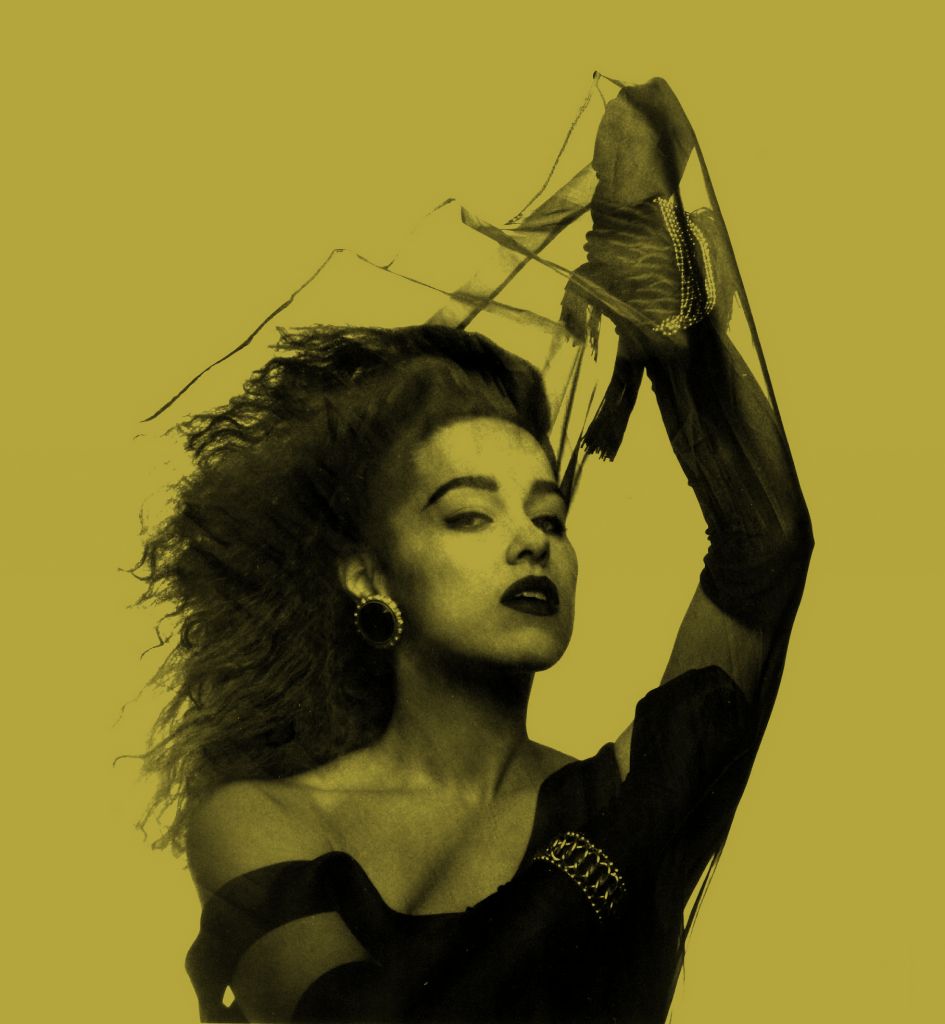
Jill Jones
Occasionally Prince fans were treated to tracks from the Vault on various B-sides. Feel U Up was a vault track from the 1999 album era. Already having an excess of sexually explicit electro-funk material for that album, it was kept in the vault until surfacing on the B-side to Partyman in 1989.
There’s no denying Prince was hitting a creative peak during the planning and filming of the movie Purple Rain. Working in the band context of The Revolution also in retrospect seemed to bring the best out of Prince during this period in 1984. Songs such as 17 Days, Erotic City and God appeared as B-sides to extended 12” versions of songs from the album.
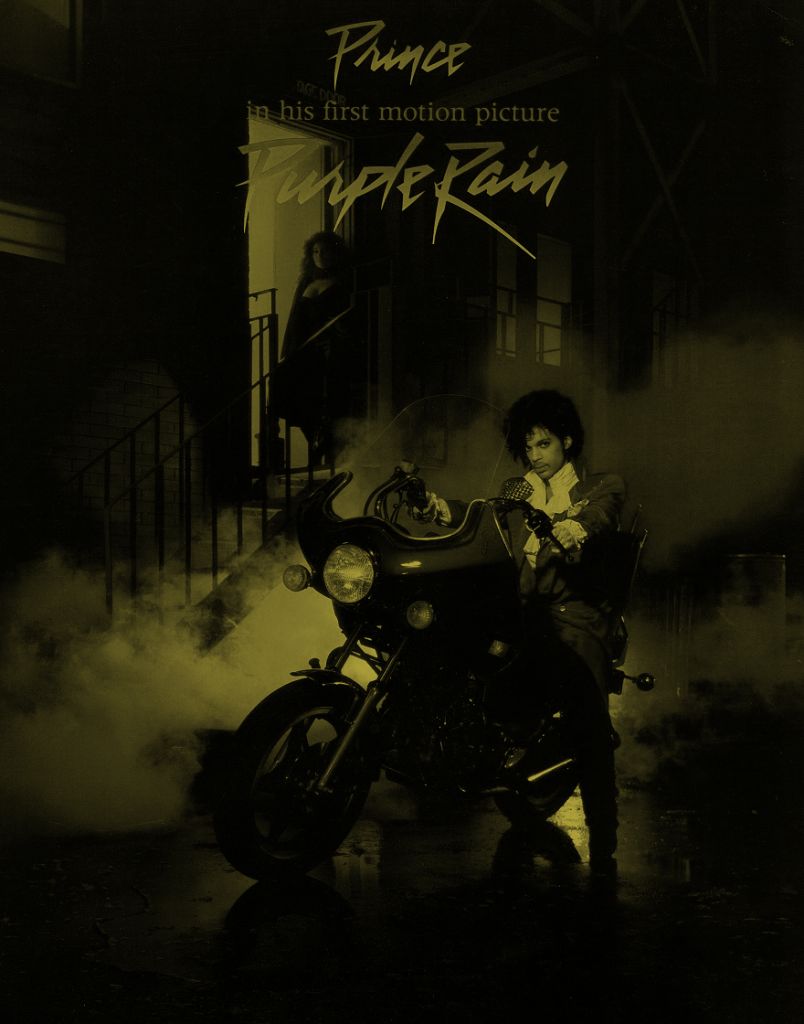
Purple Rain theatrical poster ad.
Still tracks remained in the vault from these sessions, only recently released - the highlights being Wonderful Ass, High Fashion and Father’s Song. Along with the slightly later Desire, High Fashion was given to the sophisticated side-project The Family and was the opener for their classic self-titled 1985 album. With The Family, Prince experimented more with orchestral textures, jazz harmony and European romanticism enlisting the services of string arranger Clare Fischer who had previously arranged on the classic 1977 Ask Rufus album for Chaka Khan’s band.
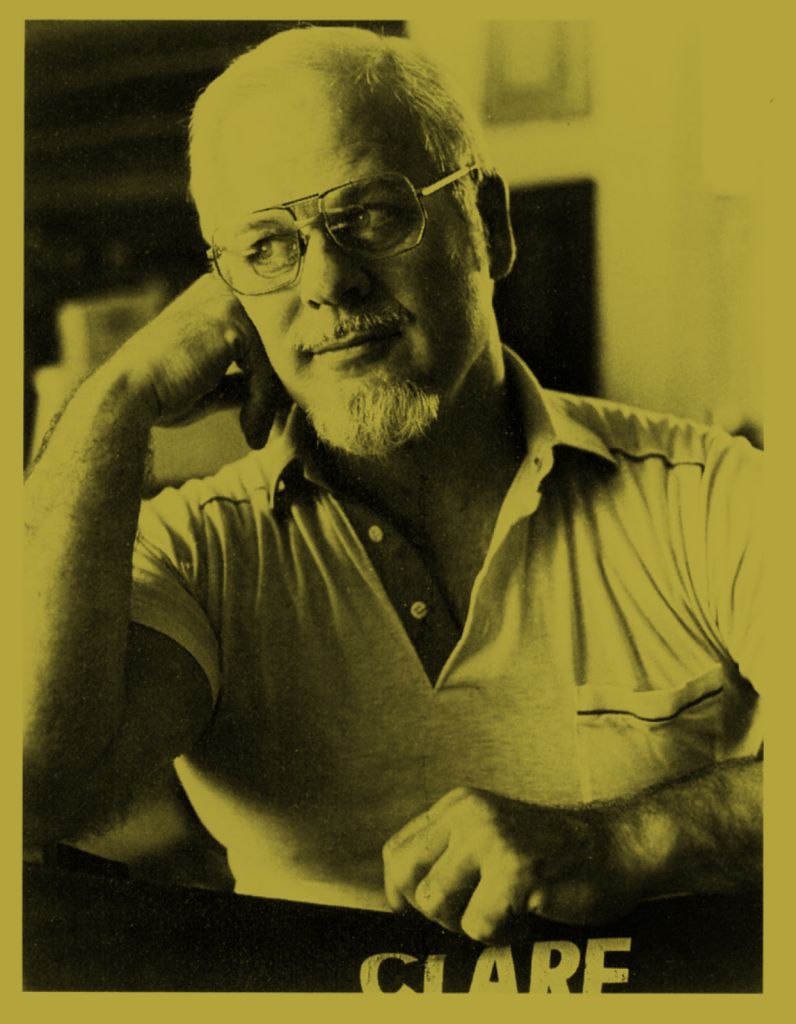
Arranger Clare Fischer.
Whilst Purple Rain could easily have been double-album release - and a double-album project Dream Factory was also planned as a follow-up in the mid-eighties but the concept remained unfulfilled. Originally conceived as a release by Prince and The Revolution, it evolved through multiple radically different configurations during 1985–86 and is one of the central lost albums in Prince history.
“
I think Wendy and Lisa wanted a little more input, and I wasn’t ready to give it.”
Prince
Much of the material surfaced minus contributions from Wendy & Lisa on Sign Of The Times. Tensions within the band led to The Revolution elements being - some might argue petulantly - removed from the final versions. The more impressionistic, orchestral influences from Wendy & Lisa are evident on All My Dreams and Dream Factory.
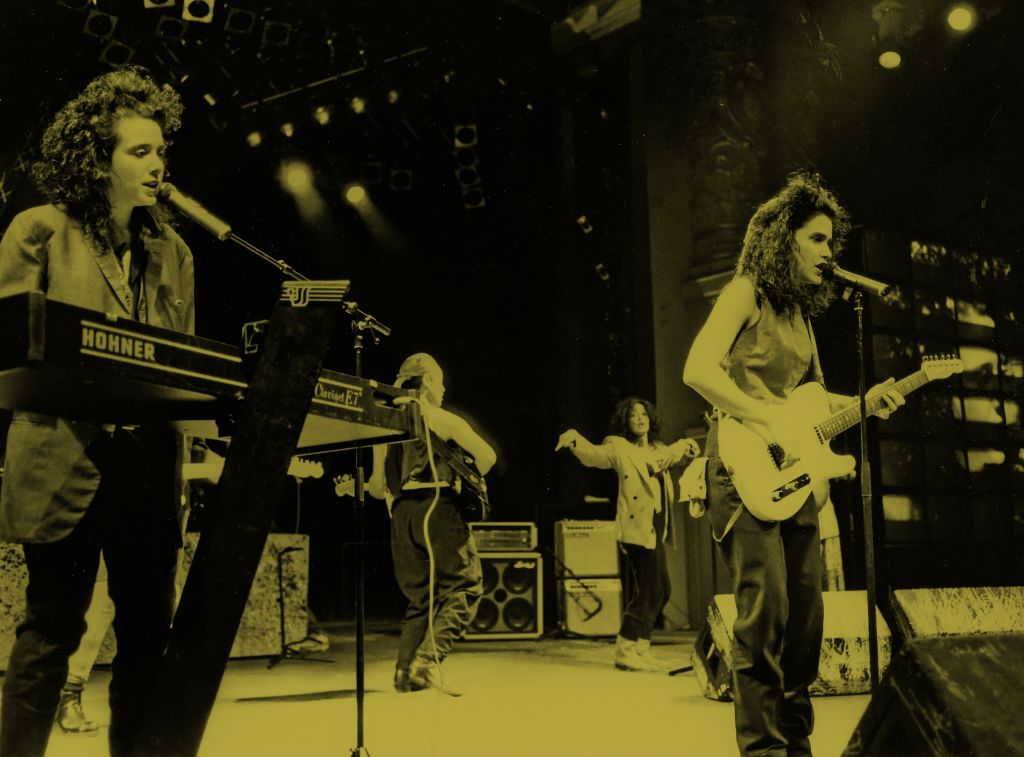
Wendy & Lisa
Crystal Ball was a 1986 project intended as a triple-album release. Once again the concept was unrealised with a condensed double album Sign Of The Times eventually being the result of this prolific but turbulent creative period for Prince and his collaborative musicians. Having full artistic control, working solo at his own breakneck speed seemed to be Prince’s preferred mode of working and The Revolution dissolved.
ROVR Research selects the highlights from Prince’s vault during this period where a true artistic genius reached his peak.