

“
I grew up economically poor, spiritually rich”
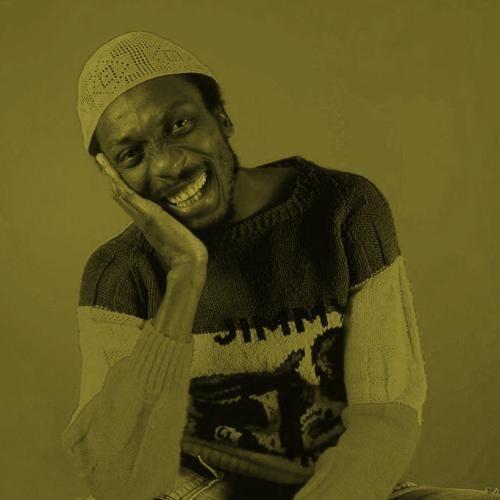
Born James Chambers on 30 July 1944 in the rural district of Somerton, St. James, Jamaica — Jimmy Cliff would joke that he was “born during a hurricane.” His childhood was modest, but full of music — hymns, mento rhythms and the sharp new beat of ska filtering out of the vibrant capital Kingston.

His tailor father had high hopes his son would go on to study medicine but by his early teens, Cliff had already decided that music was his destiny, swayed - as many young Jamaicans were - by the growing R&B scene in the US via Southern Radio stations which crossed the Caribbean to the island nation.
At 14, he left Somerton for Kingston with a determination only youthfulness can give. The capital could be intimidating and unforgiving to less stout hearts. The shacks and rough economic realities could swallow a newcomer whole. Cliff survived by sheer tenacity — finding cheap rooms, knocking on doors, and pushing himself into studio yards where canny producers spotted the talent.
Chambers’ first real break came when he met producer Leslie Kong, the Chinese-Jamaican shop owner who ran Beverley’s, a tiny record outlet that would soon shape the early careers of Cliff, Desmond Dekker, and later, Toots Hibbert. The oft-retold story is that young Jimmy sang a self-written tune directly to Kong across the shop counter. Kong signed him immediately.

It was during this early Kingston period that he changed his surname to Cliff, a gesture toward the cliffs surrounding his childhood home and a symbolic reminder of the heights he intended to scale and the barriers he would need to overcome.
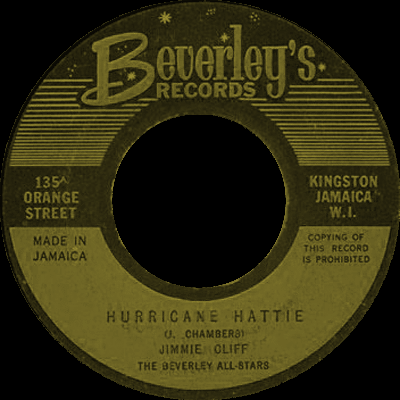
His first Jamaican hit, “Hurricane Hattie” (1962), showed Cliff’s youthful clarity of voice — sharp, confident, slightly cheeky — already standing out in the ska rush of the day. Over the next few years, Cliff recorded steadily for Kong, shaping himself into one of Kingston’s most promising young singers. Showing his Southern US R&B influence - his vocal style was soulful, melodic and at times disarmingly vulnerable.
Cliff would later recall that Kong was both fatherly and demanding: “Leslie taught me simplicity. He said, ‘A song must speak to everyone — from the market woman to the prime minister.’” Cliff also deserves credit for introducing Bob Marley to Kong in 1962, resulting in Marley’s debut singles ‘Judge Not’ and ‘One Cup Of Coffee’.
By 1964, Cliff’s career reached beyond Jamaica when he performed at the World’s Fair in New York, part of a small Jamaican delegation intended to showcase the new sound of ska to international audiences. A year later and Cliff moved to London — a cold, grey, sprawling city compared to Kingston and for Jamaicans - a new set of challenges to overcome.
Chris Blackwell of Island Records was one of his earliest advocates, hoping to shape him into a soul-crossover act. The plan didn’t quite work. Cliff later recalled...
“
People in England weren’t ready to accept Jamaican music. They didn’t know what it was.”
Cliff absorbed British pop, American soul coming through the clubs and the emerging counter-culture of the swinging sixties. As his songwriting matured he began weaving social observations into his songwriting - the beginning of a signature style in his work: songs that sounded joyful but carried a deeper message.
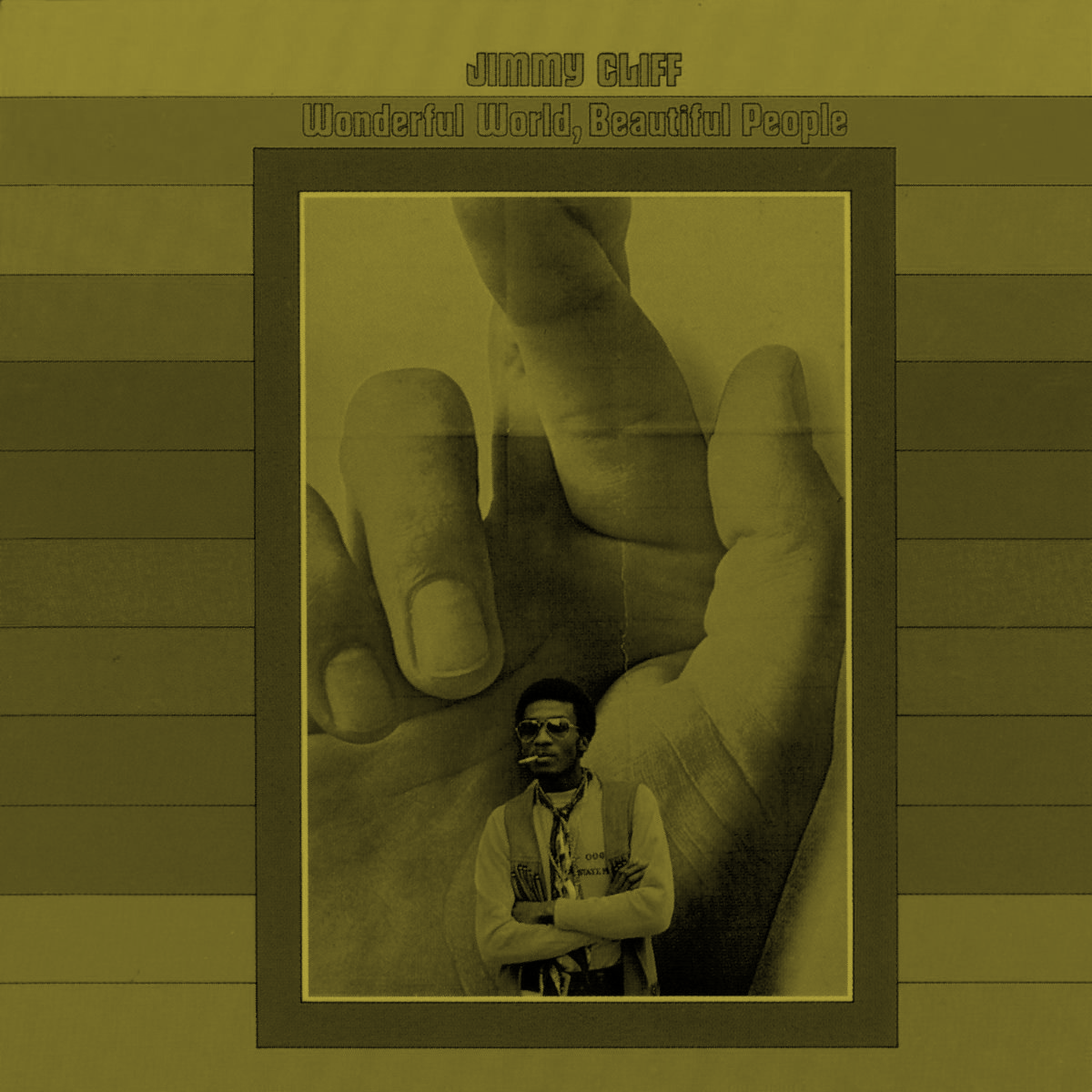
One of his best early examples, “Vietnam” (1969), was a deceptively breezy tune that delivered a devastating anti-war message. Bob Dylan famously called it “the best protest song I’ve heard,” a testament to Cliff’s growing power as a songwriter whose work was destined to transcend genres, but it was the major standout from this era, “Wonderful World, Beautiful People,” that became a hit across Europe and the US and truly put Cliff on the map.
These successes paved the way for the defining moment of Jimmy Cliff’s career came in 1972 when he starred as Ivan Martin in The Harder They Come, directed by Perry Henzell. The story of a poor rural boy who comes to Kingston chasing music dreams, only to be crushed by corruption and poverty, mirrored Cliff’s own early years in uncanny ways.
He said in a later interview:
“It wasn’t hard to play Ivan. I had lived in rooms like that. I had walked streets like that. I’d seen friends go the wrong way.”
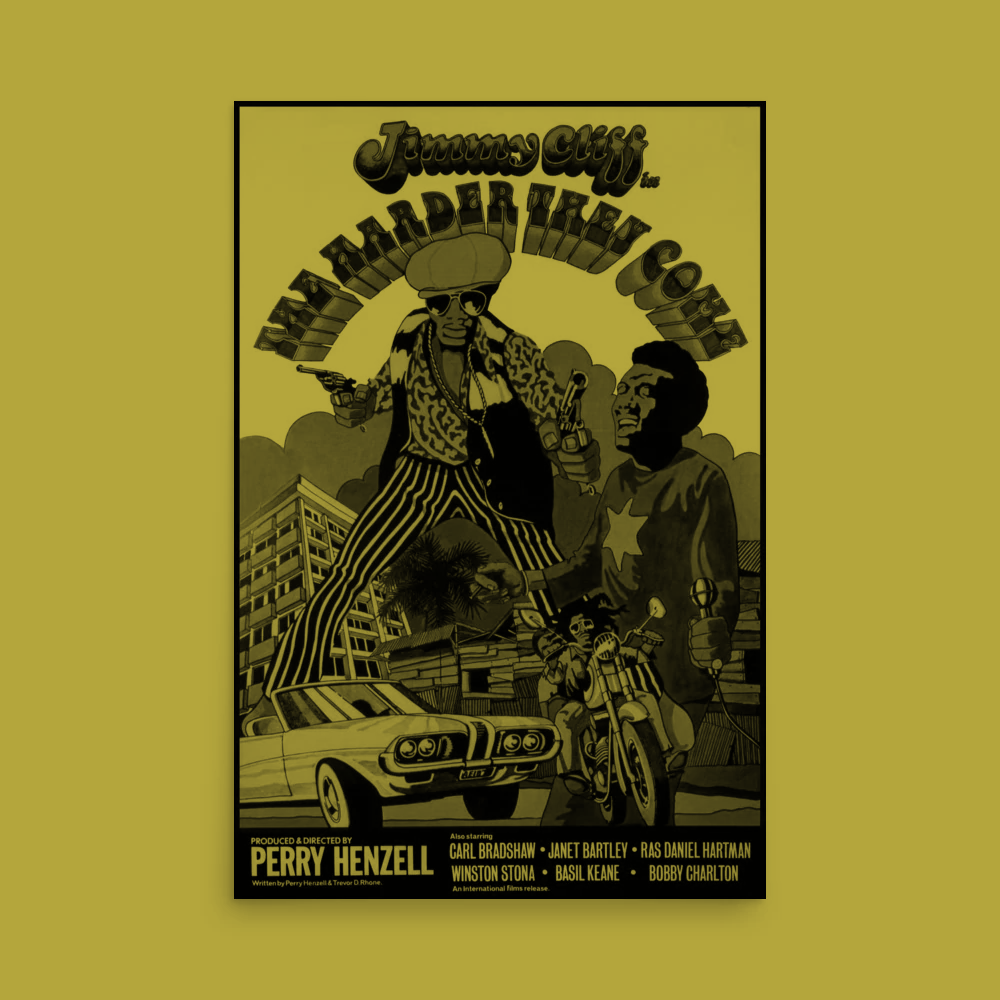
The film, low-budget and raw, became a landmark of Caribbean cinema. But the soundtrack — with Cliff performing “You Can Get It If You Really Want,” “Sitting in Limbo,” “Many Rivers to Cross,” and the title track — became the gateway through which reggae entered the global consciousness.
“Many Rivers to Cross,” written when he was barely in his twenties, stands as one of Cliff’s greatest achievements — a towering soul-reggae lament he recorded in one take. With The Harder They Come, Cliff became the first Jamaican artist whose voice, story, and presence travelled widely outside specialist circles. In many countries, Cliff — not Marley — was the first reggae artist people ever heard.
Cliff was never content to stand in one place. Throughout the 1970s, he released albums that blended reggae with R&B, African rhythms, folk elements, and political commentary. His travels through Africa had a profound influence. The late 70s and 80s saw him experimenting with new forms. Some albums were warmly received, others puzzled critics. Cliff shrugged off expectations:
“I never believed reggae should stay in one lane. I wanted it to travel.”
Jimmy Cliff entered the 1980s in an unusual position. He was already a global icon thanks to The Harder They Come and his classic material, yet crossed paths with multiple genres. He was reggae, soul, pop, folk, spiritual, political — and he moved between these freely. The new decade pushed him toward a different kind of ambition.
He signed to Columbia a label with enormous international reach, and almost immediately began working with a constellation of American musicians whose sensibilities were far from Kingston’s rhythmic sensibilities. At the heart of this new phase was a creative pairing with soul superstars Kool & The Gang’s - themselves freshly re-purposed from a raw traditional funk-jazz outfit to a sophisticated pop-soul group with slick production - a move that gave Cliff’s music an entirely new component.
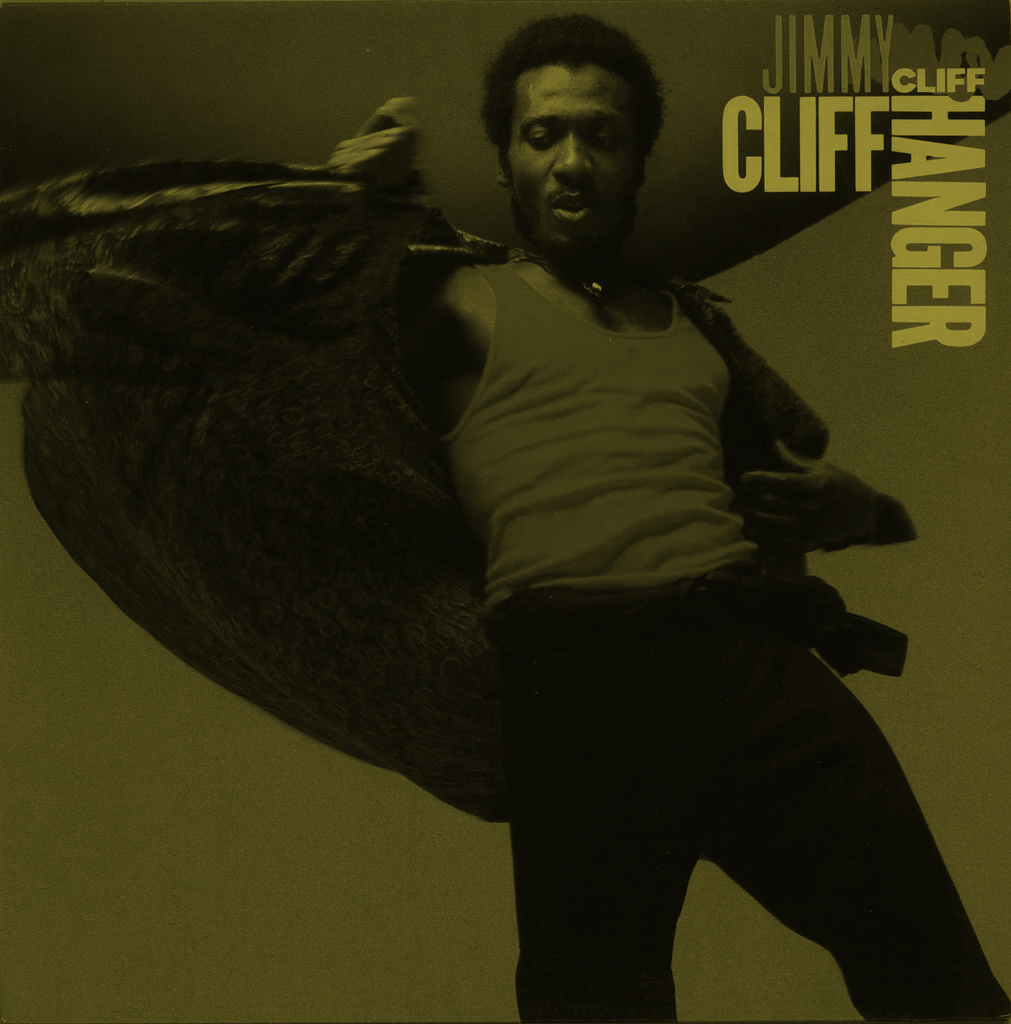
In the 2000s and 2010s, Cliff entered what many critics described as a late-career renaissance. His 2012 album Rebirth felt like a return to the rawness and fire of his early work. It won him another Grammy and reintroduced him to a younger audience.
Even in his late seventies, he toured, recorded, explored — always moving, always curious. And that, more than anything, captures the enduring spirit of Jimmy Cliff: a man who turned hardship into a life of deeply joyful creative message.