

The Early Academic Electronic Music Movement “
I hate electronic music, because human beings are quivering organisms.”
Raymond Scott
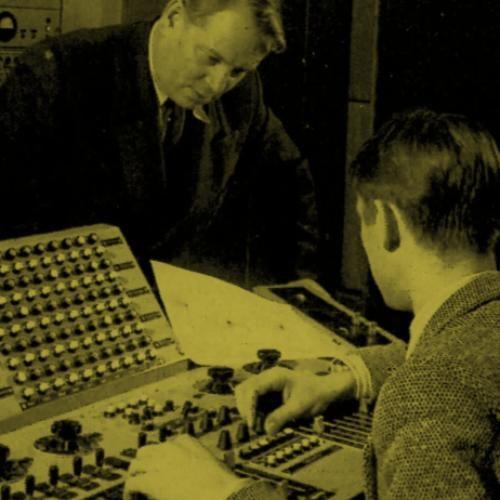
The period from the 1950s through to the early 1970s saw the emergence of a distinct strain of electronic music, often referred to as ‘academic’ or avant-garde electronic music. Unlike commercial popular electronic experimentation, this movement was created in university music departments, national broadcast studios, and specialised electronic test-gear laboratories.
This early electronic music can sound a world away from modern structured electronic music. With its tape-cut ups, noise-washes, drones and randomly generated tones, it belongs as much to the world of post WWII avant-garde modern classical, with its serialism and atonality, as it does a contemporary electronic music genre.
Institutions such as the Cologne Studio for Electronic Music (WDR, Germany), Columbia-Princeton Electronic Music Center (USA), the BBC Radiophonic Workshop (UK), IRCAM (France) and RAI (Italy) provided adventurous composers with access to test-oscillators, tape machines, passive filters and eventually early modular synthesisers.
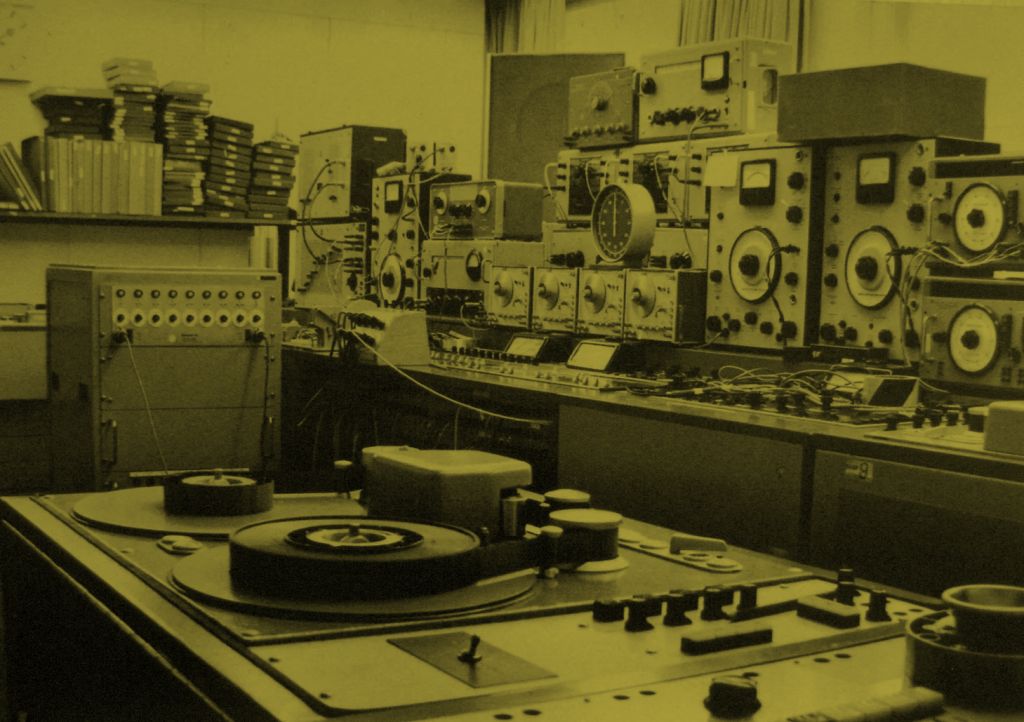
WDR Cologne
Composers working in this space were experimenting with techniques such as musique concrète, tape loops and speed manipulation, feedback, early computer-assisted composition, and proto-synthesiser systems.
Musique concrète, pioneered in France, focused on recorded sounds as compositional material - a technique perfected by the BBC Radiophonic Workshop and heard on TV shows such as Doctor Who, whereas electronic studio compositions often involved purely generated tones from test-oscillators or early patchable synthesisers such as the Buchla, Moog, EMS and ARP.
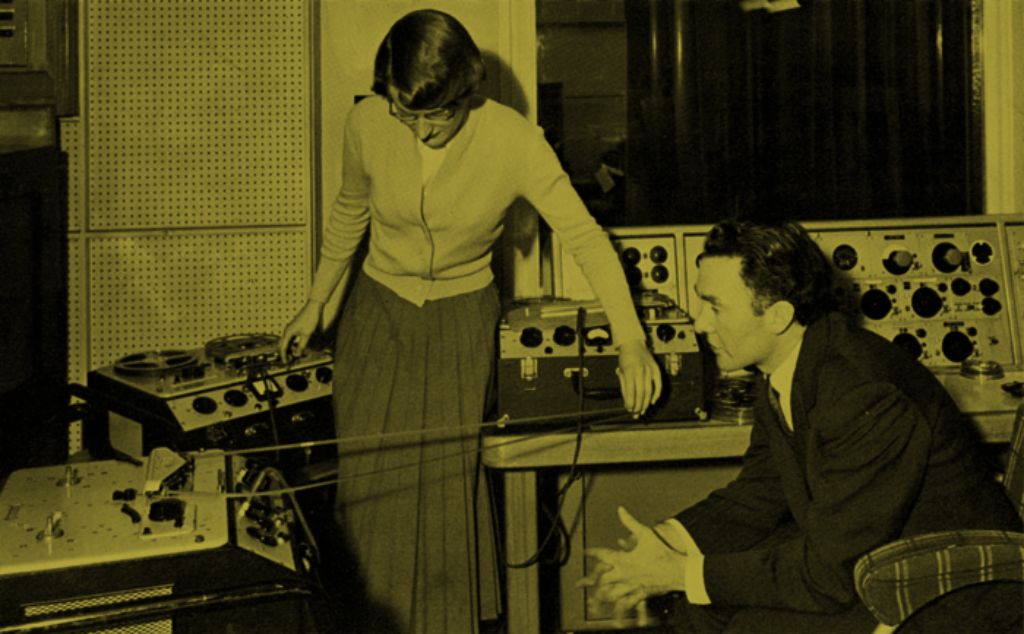
BBC Radiophonic Workshop
In essence, the movement represented a convergence of technology, mathematics, and musical imagination, where composers treated the electronic studio as both a laboratory and a musical instrument.
In the US, Raymond Scott (1908–1994) built several prototype electronic instruments such as the Clavivox (a keyboard-controlled early synthesiser) and the Electronium (a semi-automatic composition machine). Scott’s works tend to remain popular to this day whereas other early electronica can be challenging. This is no doubt down to his grounding in jazz and popular music which enabled him to bring a listenability to his compositions.
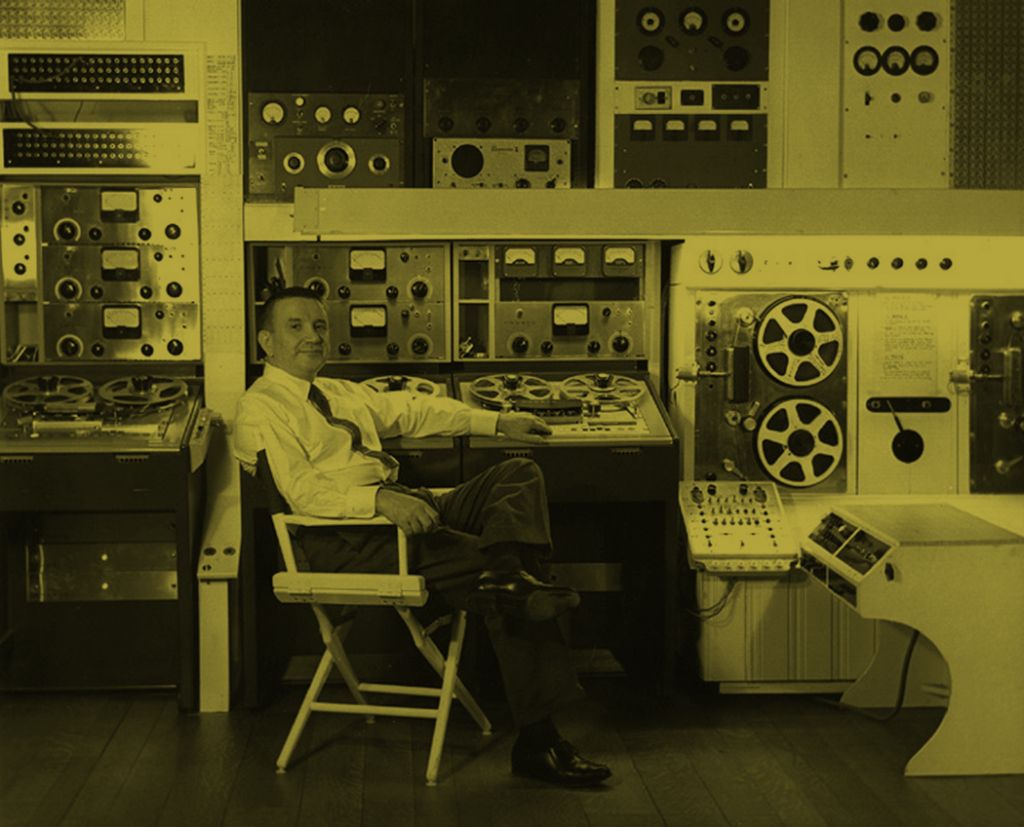
Raymond Scott
He was somewhat of an outlier in the field as he worked largely independent of any academic or music institute - preferring the solitude of his home-based lab. His works such as Base-Line Generator and IBM Probe, both unreleased until recent anthologies and startlingly ahead of their time, are perfect examples of proto-techno with sequencer-like tonal and rhythmic structures.
Scott was passionate about keeping the human element of music even within an electronic environment. His opening quote being a perfect example of his paradoxical relationship with a human art form and technology. It seems he saw electronic inventions as a conduit to bring out the human element as he explained: “
In the music of the future… the composer will sit alone on the concert stage and merely think his idealised conception of his music… His brain waves will be picked up by mechanical equipment…”
Raymond Scott
Of course, Germany - the home of electronic pioneers Kraftwerk, has a rich history of early electronic music during this key period - particularly WDR in Cologne with famous exponents such as Karl-Heinz Stockhausen and Herbert Eimert.
Herbert Eimert (1897–1972) was Director of the Studio for Electronic Music based in the West German city of Cologne (WDR). A collaborator with Karlheinz Stockhausen in early electronic experiments, Eimer is often credited as establishing the concept of the music-studio-as-instrument. His 1957 composition Etude über Tongemische exemplifies early studio manipulation of sine waves combined with tape techniques.
A technique frequently used in many early electronic compositions - raw sine waves from test equipment oscillators would be recorded onto magnetic tape. By varying the playback speed of the tape, a single sine wave pitch could be slowed down or speeded up to create other notes in a scale.
These bits of tape could then be spliced up using razors and carefully taped together in a differing order to create a sequence of notes. Other source material such as spoken word could also receive a similar treatment - including reversing the pieces of tape for backwards effects.
Another common tape manipulation technique involved setting up spools which continually looped around a playhead. These could be short or sometimes measure several feet in more elaborate experiments. This technique would eventually lead to the invention of the tape delay - where a recording head was followed closely in the same device by a playback head.
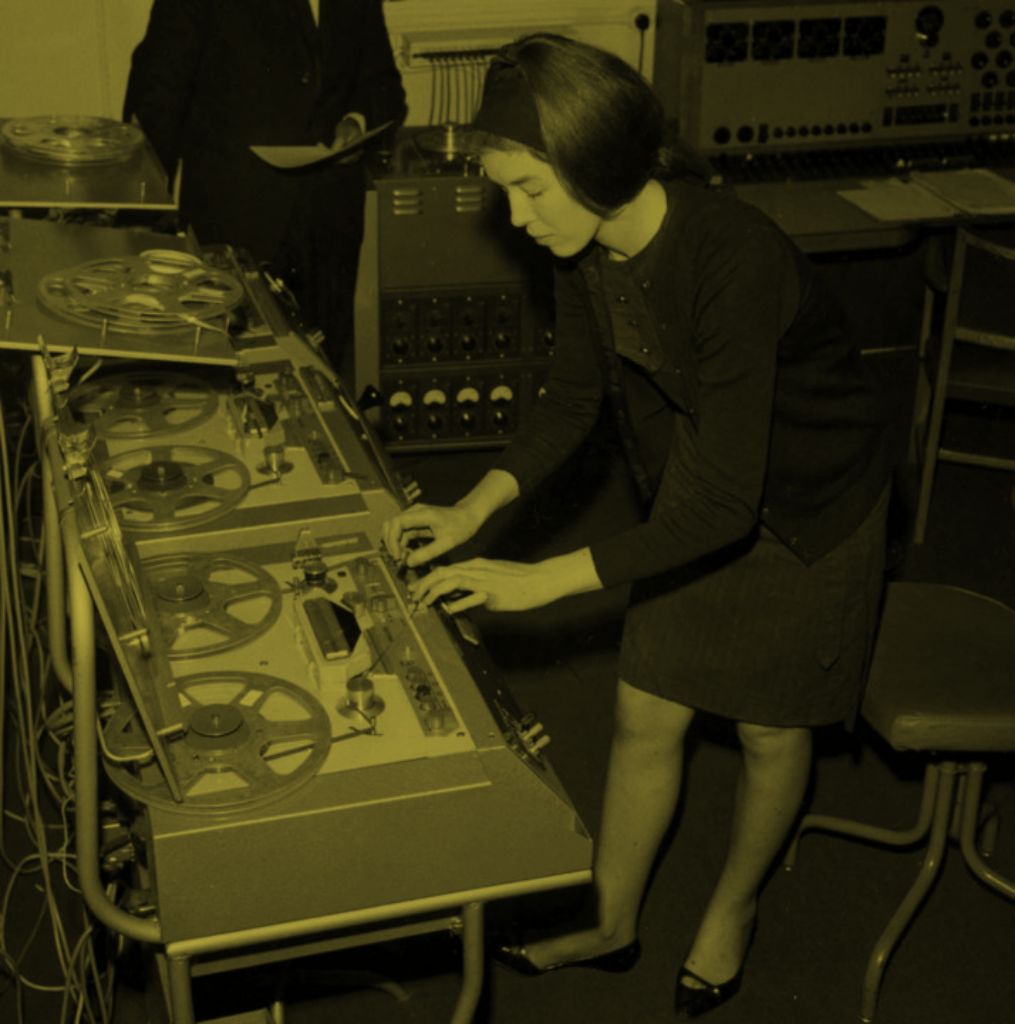
Delia Derbyshire setting up a tape loop.
Adjusting the tape speed would result in the original signal being repeated or ‘echoed’ by the playback head. Feeding the repeated signal back into the recording path would create multiple ‘feedback’ repeats - in extreme cases reaching saturation and self-oscillation. This technique was soon adopted by the mainstream recording world from the ‘slapback’ echo of rock and pop, to the otherworldly echoes heard on Sun Ra’s early sixties output.
Tape editing would eventually become ubiquitous in recorded music - reaching the peak of its creativity in the world of Hip Hop with the extravagant, painstakingly created multi-spliced edits of the Latin Rascals. The quick reverse edit would also become a trademark of early Detroit Techno in the days before digital recording in the form of DATs and DAWs largely replaced increasingly expensive magnetic tape.
Controlled feedback using microphones and speaker amplification was an early electric-acoustic technique that also made its way into the mainstream recording field. Guitar amp feedback in particular becoming a commonplace effect.
Both tape loop and feedback techniques became performable in real-time. Feedback became a key improvisational device for rock guitarists and musicians from saxophonists to keyboard players could tailor their playing to the echoes and delays of tape loop devices such as the Maestro Echoplex and Roland Space Echo.
American composer Tod Dockstader (1932–2015) a key innovator in tape manipulation, utilised these splicing and loop techniques but was also an early pioneer in multitrack recording. Technological advances in tape machine manufacture by Studer, Ampex and other companies ushered in the ability to layer sound on sound without the need for live recording.
Dockstader’s Eight Electronic Pieces (1961) and Water Music (1966) show his mastery of tape collage and sound sculpturing.
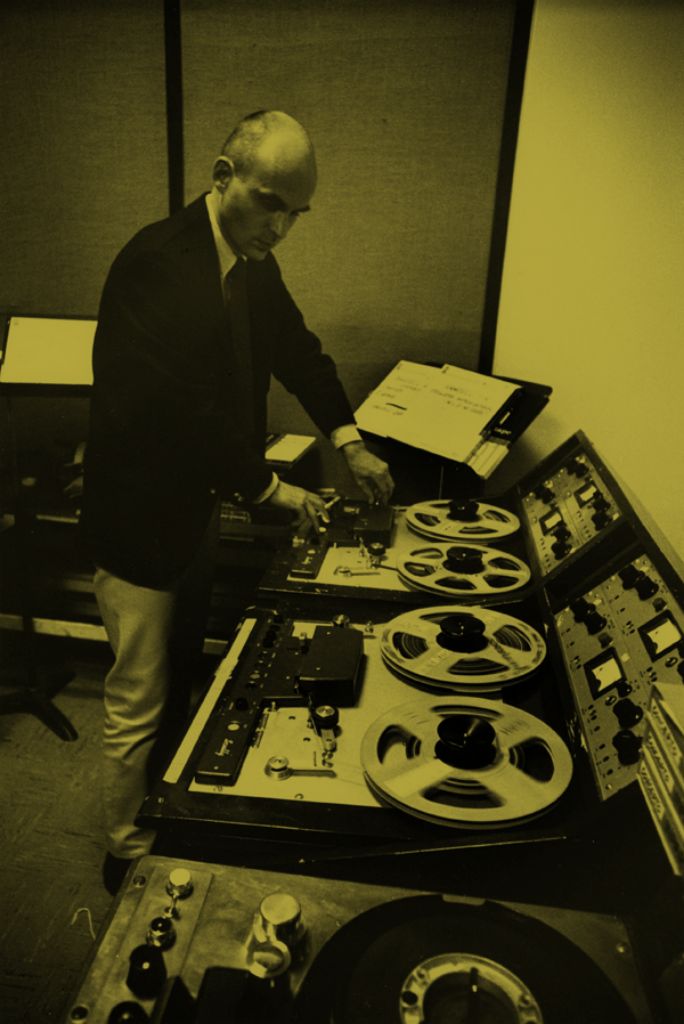
Tod Dockstader
Otto Luening (1900–1996) was an early advocate of electronic composition in university labs and helped establish electronic music as an academic discipline in the US. Working out of the Columbia-Princeton Electronic Music Center, often combining traditional orchestration and electronics, his Synthesis for Orchestra and Electronic Sound (1966) deftly blends live instruments with tape-generated sounds.
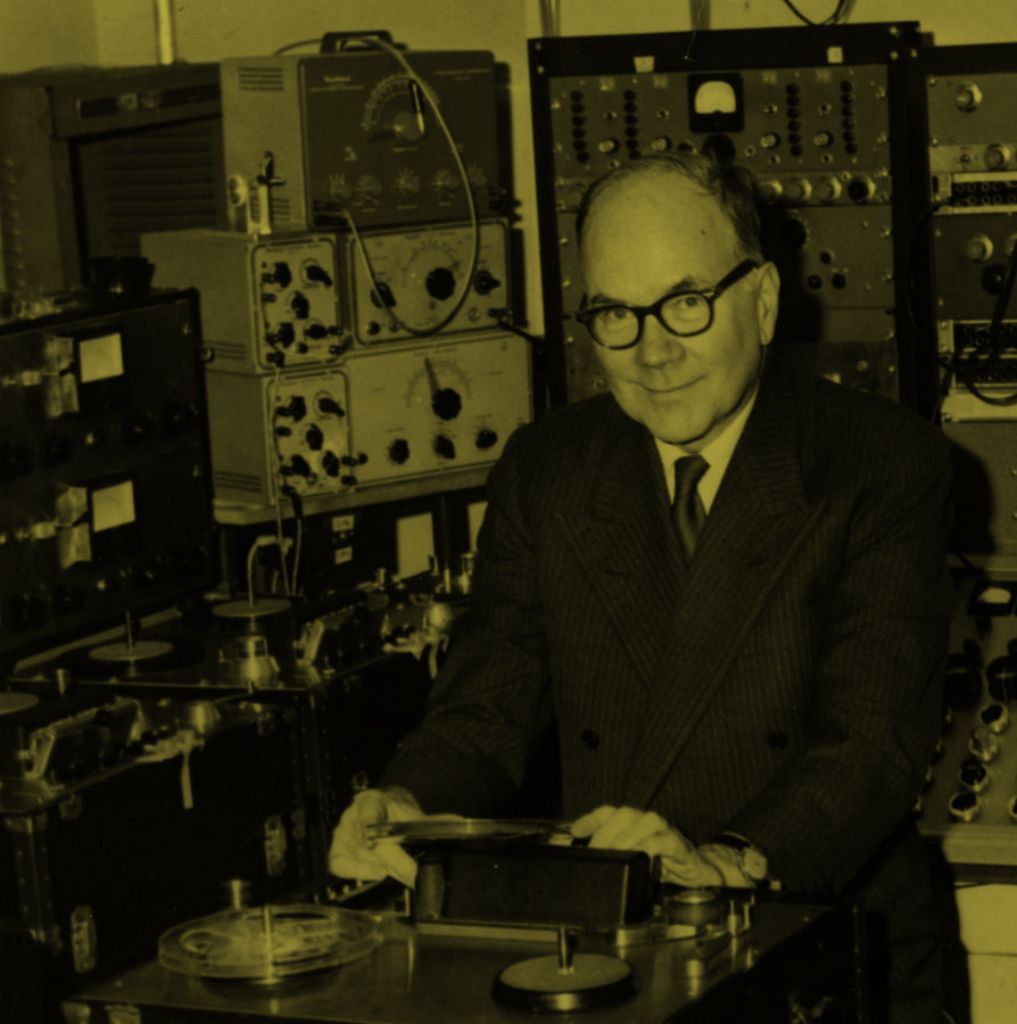
Otto Luening
Hungarian-Jewish composer György Ligeti (1923–2006) was perhaps the most prominent exponent of the orchestral-electronic hybrid approach. Artikulation (1958) explores complex textures and micropolyphony (his term) in electronic form. Ligeti would create movement inside seemingly static pieces to create tension and interest rather than traditional approach whereby a composition develops via a series of themes. These dramatic, often disturbing pieces use transparent, unobtrusive electronic processes to create a mass of sound - an aural equivalent of a Rothko painting.
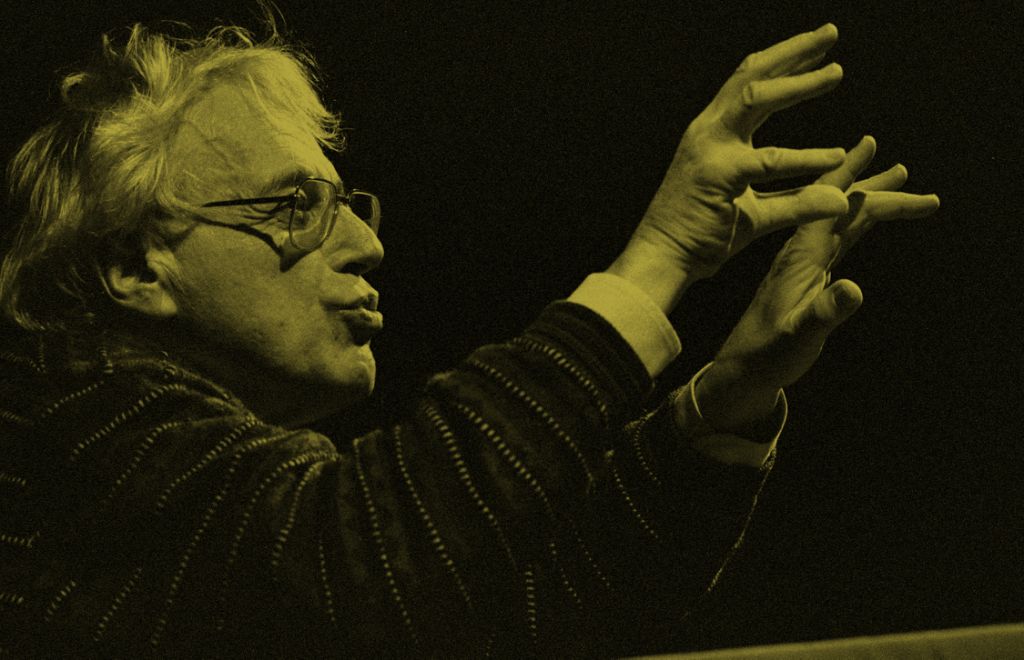
György Ligeti
Ligeti explained how the electronic studio showed him the direction of travel his music could take: “
One would never have invented this technique, imagined this possibility, without the work at the electronic studio. But I may provoke the same phenomena with normal instruments and with voices, in using them in great number, all separately.”
György Ligeti
At the other end of the early electronic spectrum were composers such as French innovator Jean-Jacques Perrey who managed to cross over from the academic field into the pop world via his novel, light-hearted works for early synthesisers, stating:
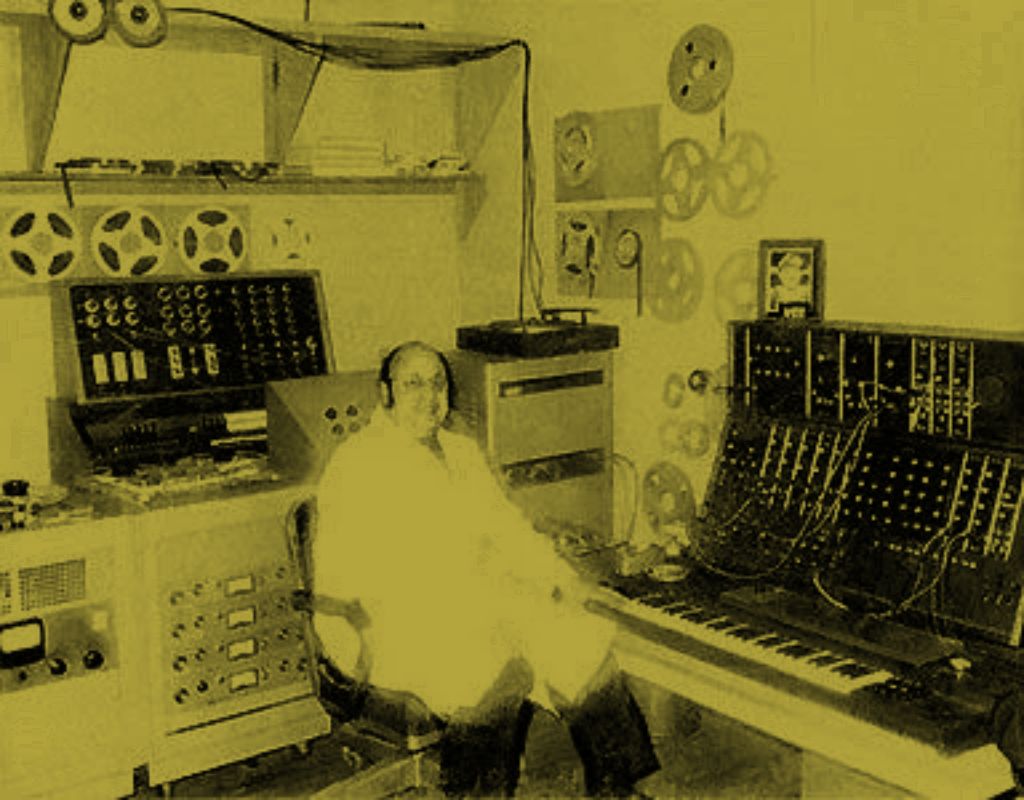
Jean-Jacques Perrey “
I prefer to make popular and humouristic sounds, instead of doing classical electronic music, even contemporary classical music.”
Jean-Jacques Perrey
While the audience for these works was initially narrow, often limited to academic circles or radio broadcasts, the innovations of this period laid the groundwork for later commercial synthesiser music, ambient sound design, and experimental pop-electronic crossover. Figures such as Raymond Scott and Jean-Jacques Perrey bridged the gap between lab experimentation and accessible electronic sounds, while composers like György Ligeti helped define the intellectual and technical possibilities of electronic studio-based composition.