

The Antipodean music scene is often a neglected corner of the creative world. From the 1960’s onwards it developed geographically isolated from both the industries leading regions of America and Britain, yet due to its colonial and cultural ties to the UK, often mirrored the trends occurring on the opposite side of the globe.
In the early rock era, local artists mostly followed the trends of the UK and America, producing British-beat type groups and US psychedelia and garage rock. Some notable acts relocated to London where they could easily blend into the culture and succeed internationally.
The Bee Gees and The Easybeats are perfect examples of sixties bands who relocated to London after achieving local success - a path likewise taken by eighties Australian pop-sensations and rock bands such as INXS.
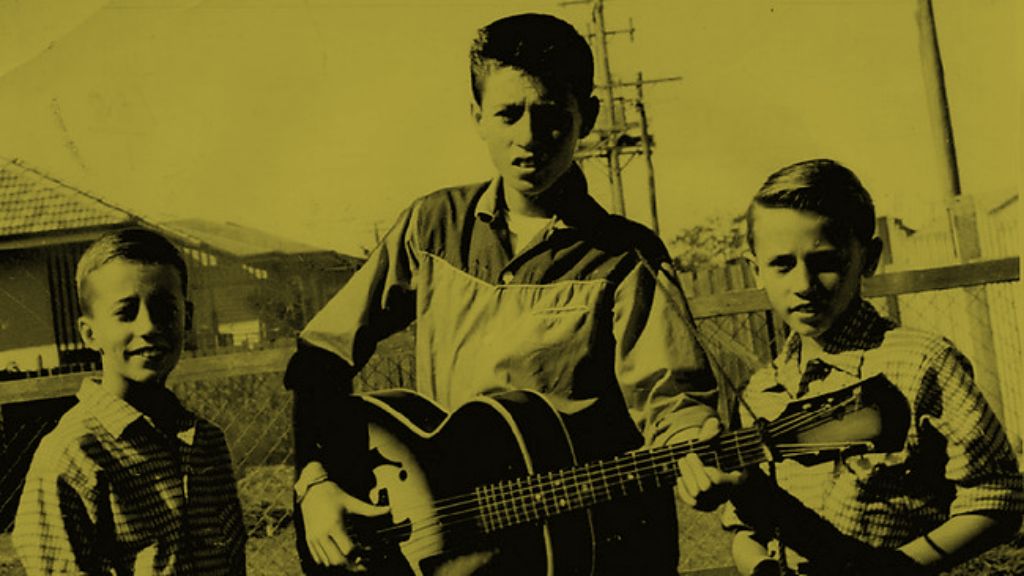
the Bee Gees
Whilst these acts who chased global international success were judged against overseas benchmarks, the isolation of Australia and NZ became a catalyst for a creative domestic scene somewhat removed from the pressures of competing for commercial success. By the early seventies, a domestic music industry was able to sustain local artists without the need of overseas validation to survive and thrive.
Independent labels, niche broadcasters and a vibrant live venue scene was pivotal in building healthy creative scenes across a range of genres, such as progressive rock, jazz-fusion, post-punk and early electronica. This was crucial as distribution remained an obvious challenge, not only in getting records to the other side of the globe, but also internally; the vast distances between the cities of Australia in particular made national touring and promotion expensively prohibitive.
Pressing plant access, promotional budgets and international export channels were all therefore limited compared to London, LA and NY leading to local micro-scenes of more risk-taking artists with less commercial pressure using small-run vinyl pressings or cassette on small independent labels tied closely to local community radio and live venues. Appearances at local pub venues, university campuses and community arts centres all compensated for the complexities of aiming for global success and the result was a diverse range of adventurous artists.
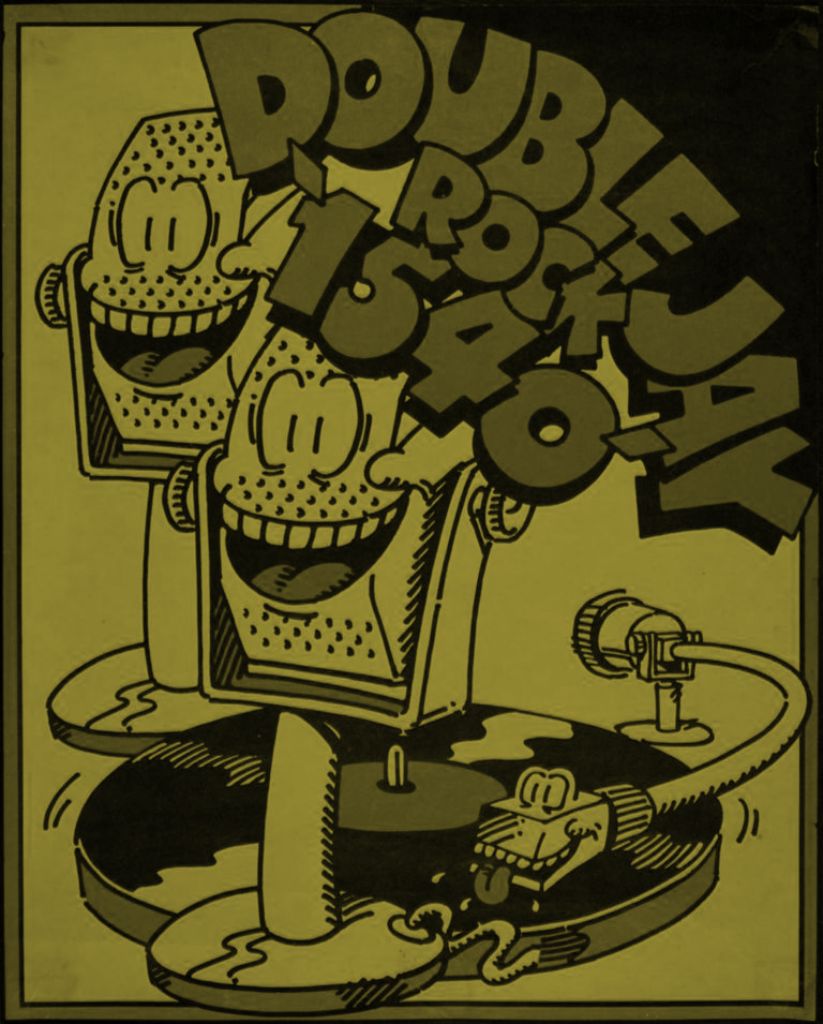
Double JJ Radio Station, Sydney
A common feature of trends in Antipodean music would be re-interpretation of snapshots of overseas movements that lacked overhype and saturation. Due to the sheer difficulty of travelling and then touring the vast distances involved, bands who enjoyed success based in Europe or the US filtered rather than flooded into the influences of local music. Artists would absorb elements of jazz, funk, punk, rock and quickly make it their own rather than simply imitate.
Added to the unique geographical situation is the often under-acknowledged Aboriginal influence on the Antipodean music scene. The millennia old indigenous music forms of Songlines, rhythms and of course instruments such as the didgeridoo featured in various artists work who explored and collaborated with native traditions.

Didgeridoo player
The diversity of the musical genres found in antipodean music includes artists such as Norwegian-born Sven Libaek, who thanks to the popularity of sampling and Library style music has experienced a rediscovery over the past decades. After moving to Australia, Libaek became a significant figure from the 1960’s into the seventies - particularly as a composer of TV themes and film soundtracks. Starting out as musical director for the Australian branch of global giant CBS before moving into freelance, his works therefore often focus on specifically Australian themes such as Nature Walkabouts, surfing and outback life.
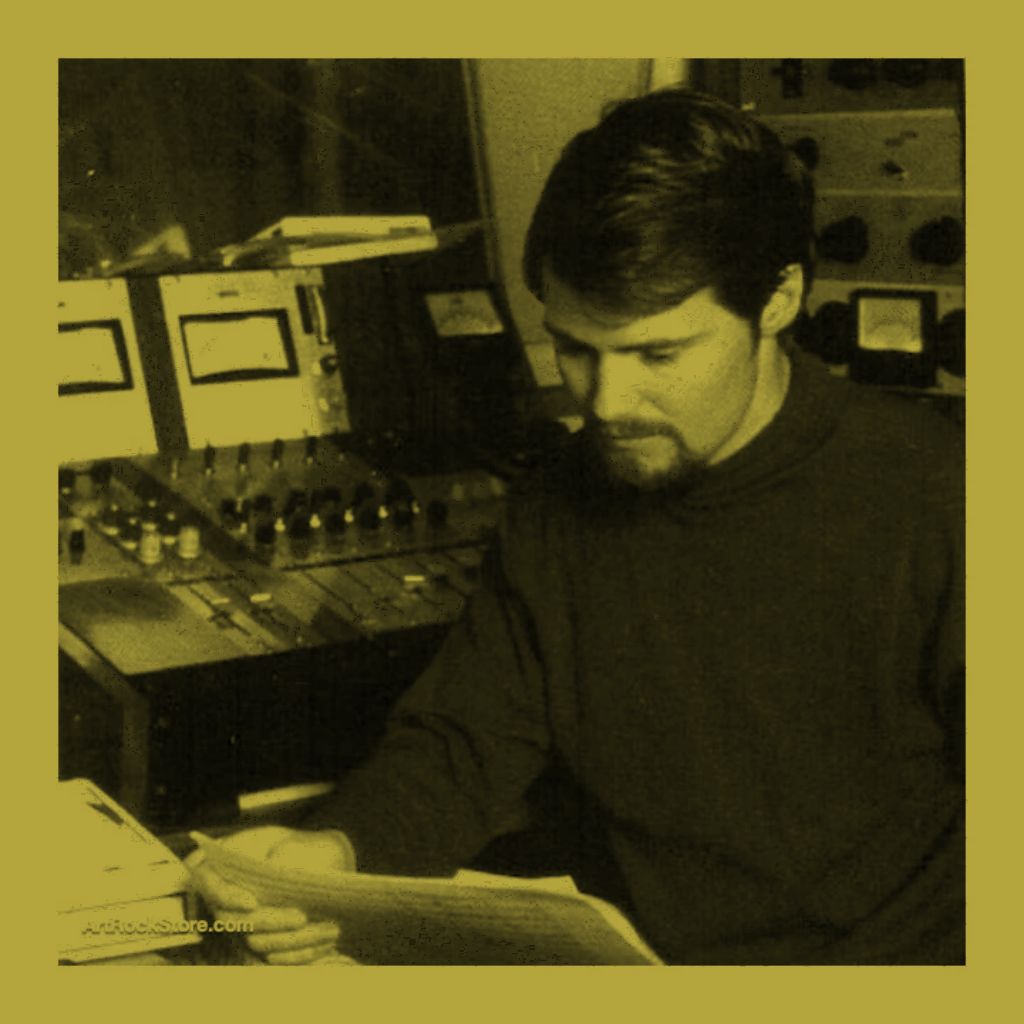
Sven Libaek
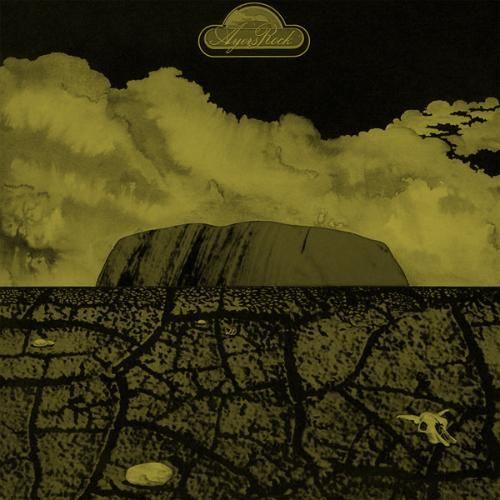
From the hybrid jazz-classical works of Libaek into more overt jazz are bands such as Ayers Rock. A Melbourne based seventies jazz-fusion outfit with progressive rock leanings - they emerged from the local rock and soul scenes of the early seventies to blend all previous influences into a challenging concoction that gained so much respect for its brave musicianship that they earned an international deal with A&M records.
In a similar field but with a completely unique approach was Jackie Orszacky. A classically trained Hungarian-born musician who moved to Australia to become a respected arranger, session musician and producer. A vital figure in Australian jazz - Orszacky also embraced rock and fusion elements and even worked as musical director for Marcia Hines - one of the well-known disco-pop artists to come out of the Australian soul scene in the seventies.
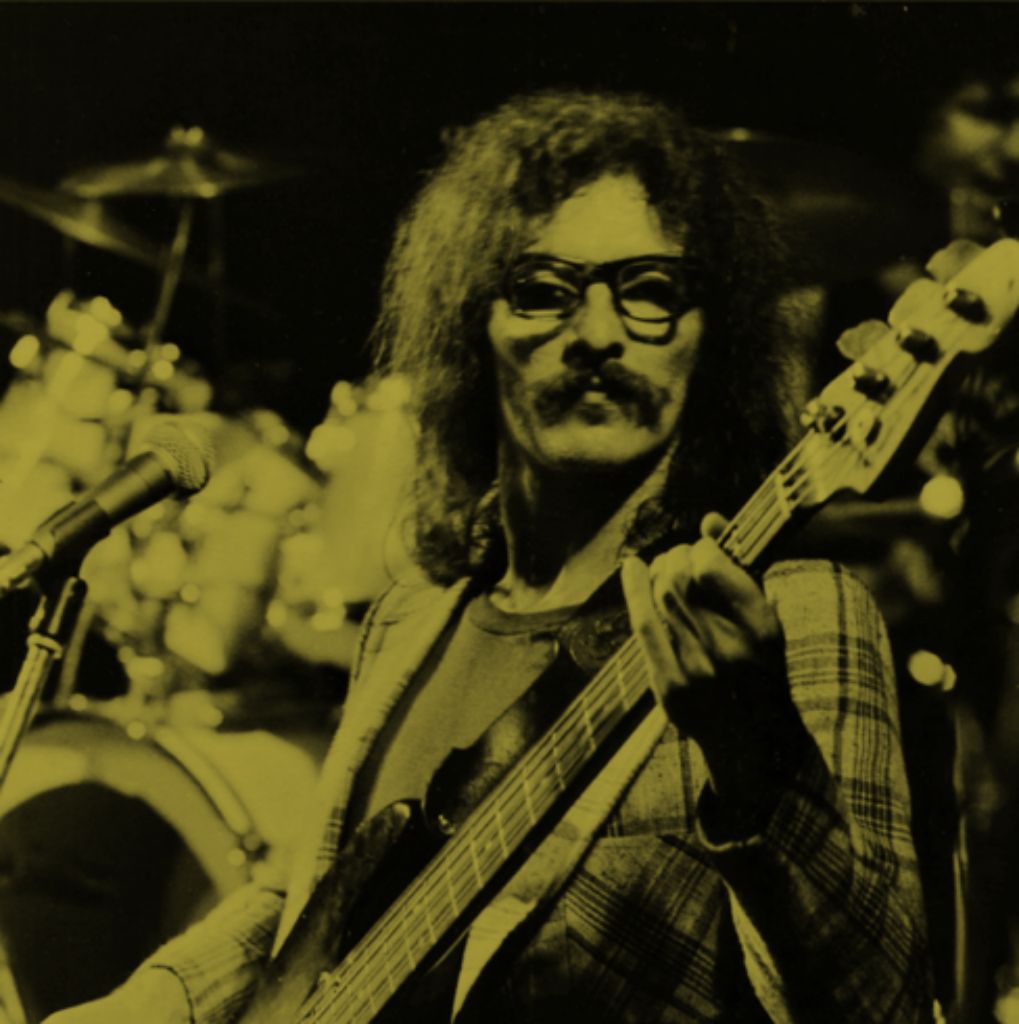
Jackie Orszacky
Even more remote and musically isolated than Australia is of course New Zealand. Dalvanius & The Fascinations were a band led by Dalvanius Prime, an influential Māori figure on the Kiwi music scene from the seventies to the nineties. The Fascinations secured a deal with the international branch of Reprise Records before Prime himself enjoyed massive homegrown success with the pop hit Poi-E by his Patea Māori Club project.
Prime worked hard to ensure a strong home foundation for Māori music - outlining his motivation:
“
I had to look at the history of Māori recording in this country, and while there were many great artists and memorable songs, there wasn't a base to develop from. Most of the songs were Māori words put to European melodies, so all royalties went out of the country.”
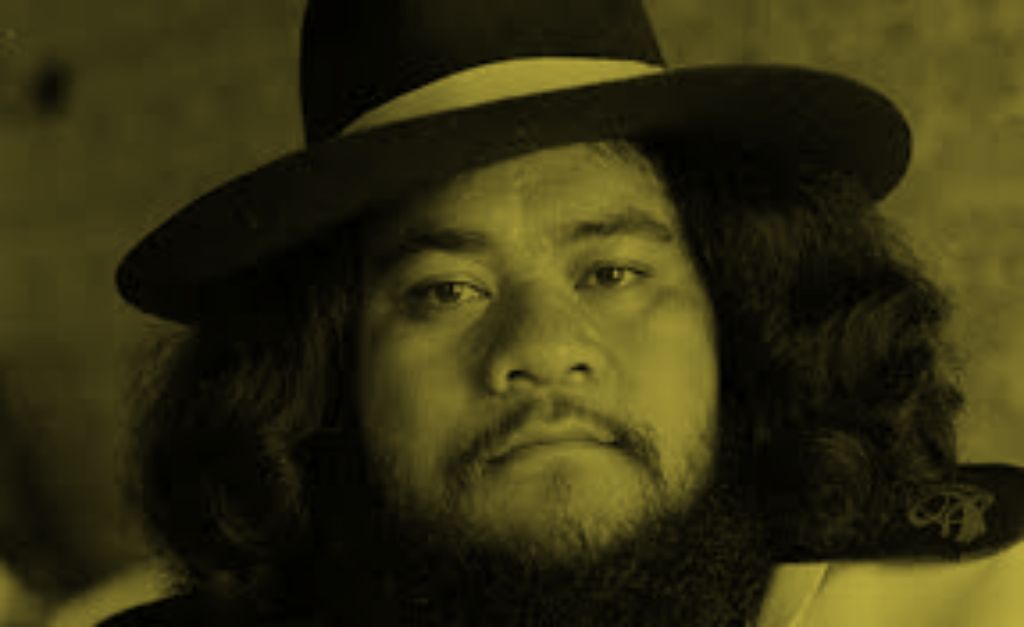
Dalvanius Prime
Another band to secure nternational licensing was Melbourne-based soul outfit Stylus. Emerging out of the live pub circuit, they secured licensing on Atlantic’s Australian division and a later Motown deal for the Americas alongside tours as opening act for Ike & Tina Turner and the Average White Band.
Electronic music and post-punk experimentation seem to be an Australian speciality. Key to this phenomena is the Melbourne University Electronic Music department. This academic institution played an enormous role in providing access to electronic equipment - which was prohibitively expensive to import into Australia for most musicians. The University provided the creative space, resources, put on workshops and enabled collaborative networks with equipment even extending to rare and expensive items such as the giant EMS Synthi 100 Modular Synthesiser.
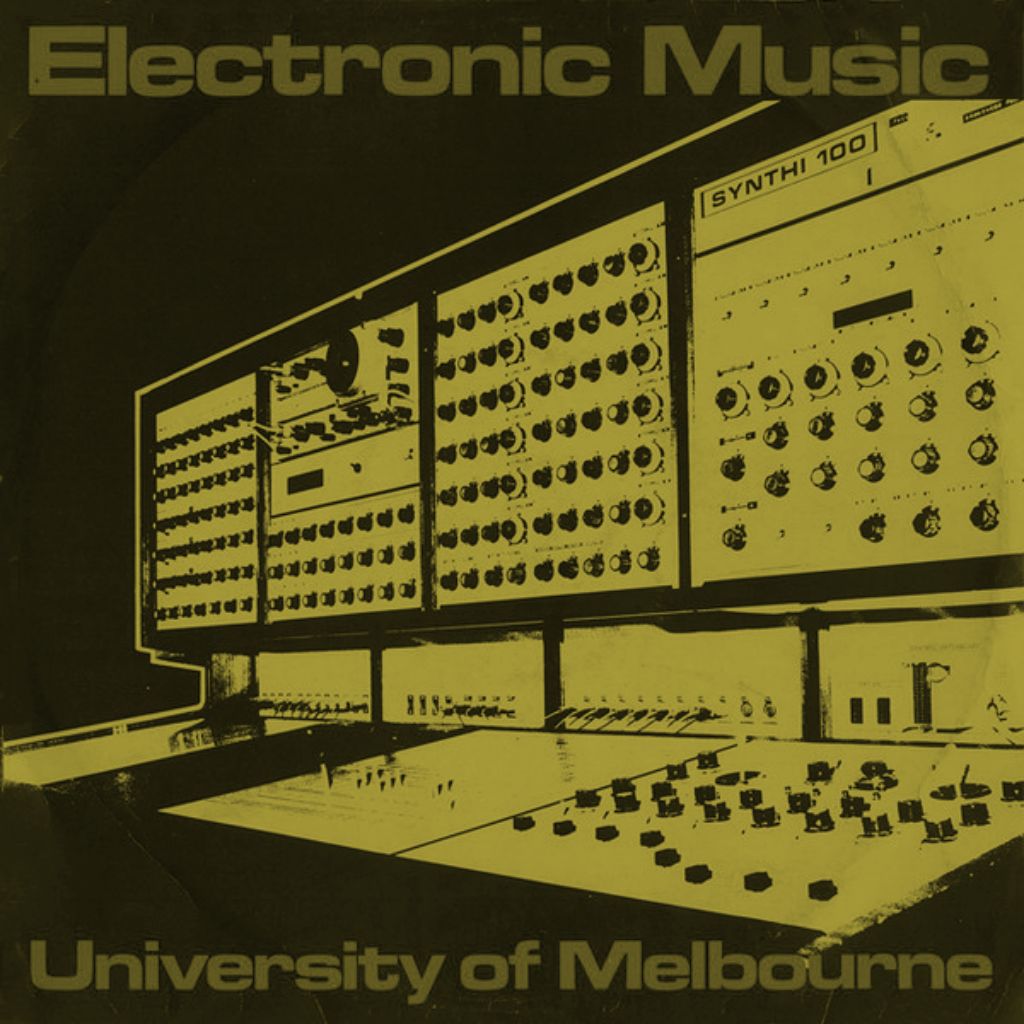
1979 Album cover.
A band that personifies the electronic-post punk Australian aesthetic would be Severed Heads. Emerging out of Sydney in the late seventies, they were pioneers of incorporating cheap synths, tape loops and noise into a more industrial dark-wave direction. Perfectly exemplifying the DIY approach needed in the isolated music scene of Australia, they gained global recognition for their industrial post-punk-ethos - mixing the avant-garde with electronica.
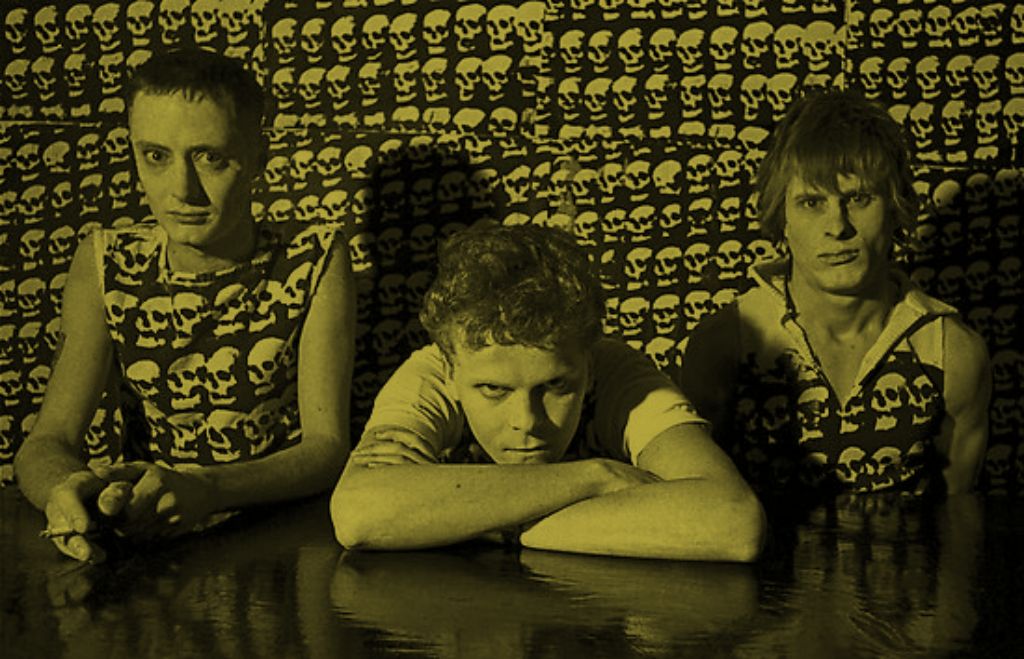
Severed Heads
Another key figure in the Electronic-sphere in Australia is David Chesworth. A composer and performer whose oeuvre spans experimental electronica, minimalism, post-Punk and Art-Rock from the late seventies onwards, he was also behind many productions of avant-garde releases and always a name to check on record sleeve or cassette tape credits.
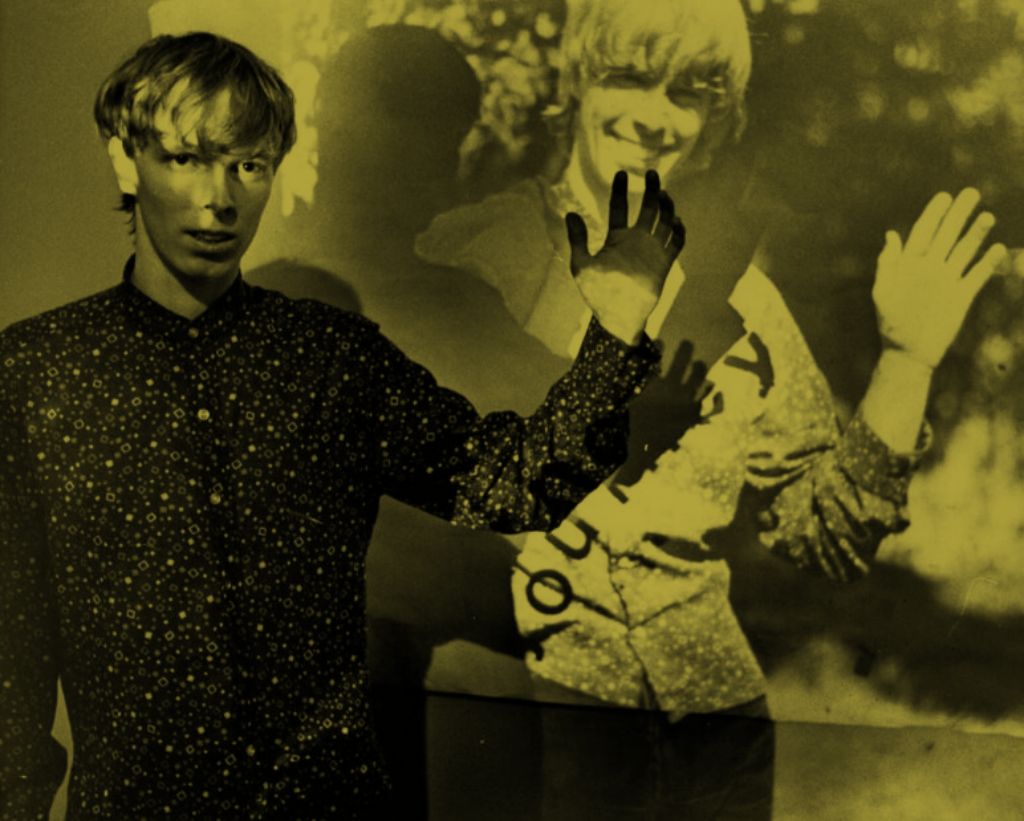
David Chesworth
In contrast to the often idiosyncratic work of Chesworth are Cybotron (not to be confused with the Detroit Electro band). Cybotron released albums of pure space rock, taking elements of the Berlin school and Krautrock to fuse their own interpretation of hypnotic electronica. Founded in 1975 by Steve Maxwell Von Braund - another key figure in Australian electronica - they used drones, synth textures, electronic percussion and sequencers early in the history of electronic Australian music.
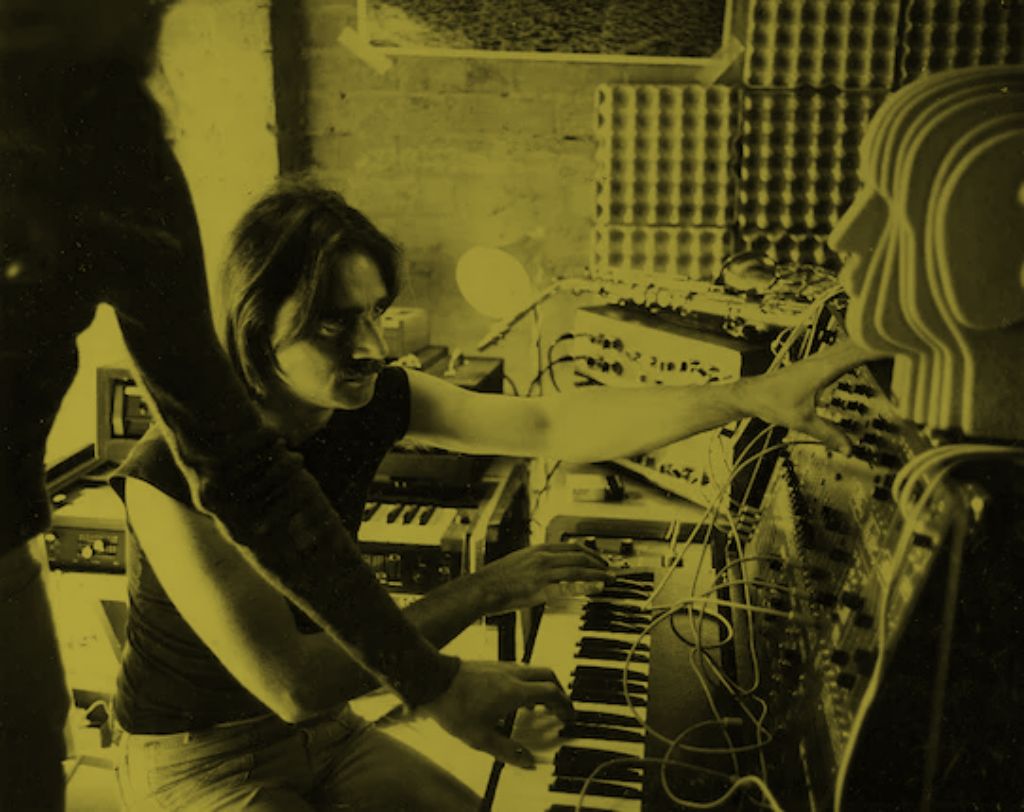
Steve Maxwell Von Braund
Join us as ROVR Research presents an eclectic two hours of cross-genre music from Australia and New Zealand.