

CADET CONCEPT: CHESS RECORDS’ PSYCHEDELIC SUBSIDIARY (1967–1970) “
If you change my sound, then you gonna change the whole man.”
Muddy Waters.
Chess Records was founded in 1950 by Jewish immigrants Leonard and Phil Chess. It made its legendary reputation by capturing the sound of post-war Black America from its Mid-West base Chicago - in particular Blues and R&B.
Artists such as Muddy Waters, Howlin’ Wolf, Etta James laid down a blues-based foundation for modern Black music in America and beyond, whilst Ramsey Lewis and Ahmad Jamal carried the torch for a commercially successful jazz idiom.
As labels reacted to the changing socio-political culture of the late sixties - Chess responded by adding a new subsidiary - Cadet Concept - to its Cadet soul and jazz arm, embarking on a controversial series of releases that still divide opinion today.
Cadet Concept was overseen by Chess label founder Leonard Chess’ son Marshall who in turn employed the maverick genius producer and arranger Charles Stepney, to stamp his distinctive sonic-imprint across the catalogue. Marshall made clear the motivation and direction of travel he wanted to follow - recognising the trends amongst the counterculture generation:
““They didn’t want nostalgia, they wanted electricity.”
Marshall Chess

Marshall Chess
This approach would have been acceptable for up and coming psych-rock acts or more adventurous R&B artists but for those steeped in Blues tradition and jazz it was far more of a risk and a conflict with an authentic voice some artists had spent decades nurturing. Stepney as producer was key - being classically trained and by all accounts a perfectionist in the studio - he could tactfully bridge the gap between the classic material Chess made its reputation with and any inventive new explorations into more psychedelic terrain.
Whilst recognising the continued relevance of a label required a certain amount of daring in releasing new material, Marshall Chess sensibly avoided risking the commercial mainstays of the label at the time. The Dells, Ramsey Lewis, et al - were kept on the main Cadet label even whilst occasionally following a similar trajectory musically, including their own collaborations with producer Stepney.
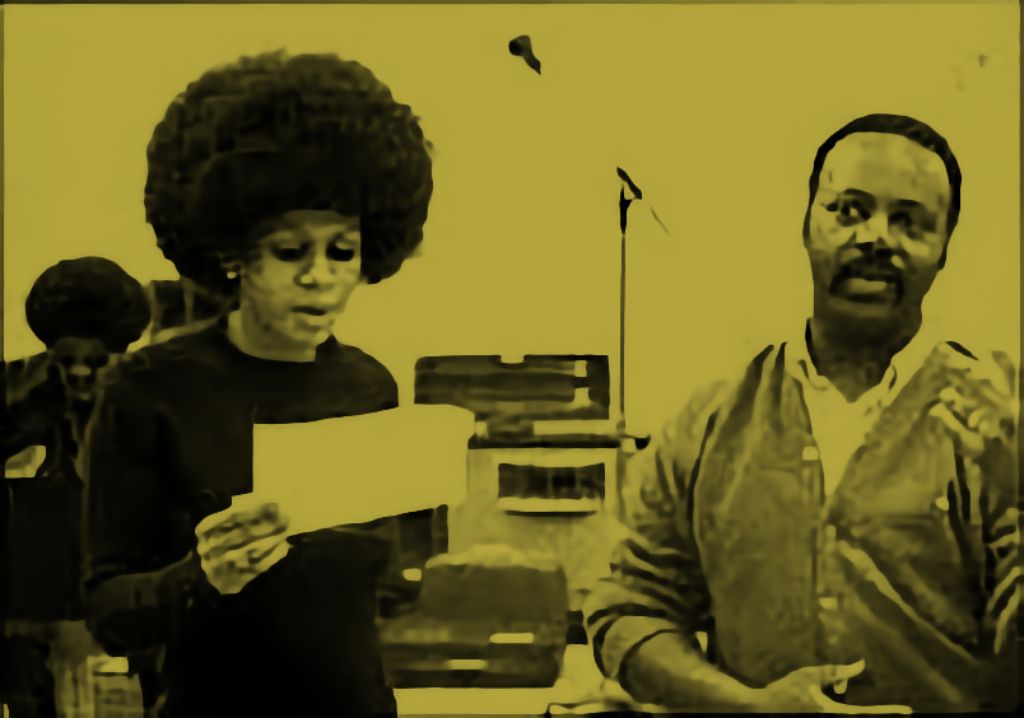
Charles Stepney with Minnie Riperton.
It’s interesting therefore to understand why it was the blues legends Muddy Waters and Howlin’ Wolf that were chosen to feature amongst Cadet Concepts fresh new signings such as Rotary Connection. Paradoxically during the psychedelic era, these foundation Blues artists were more revered than at any other time previous - their riffs and iconic compositions were re-interpreted by rock acts such as Cream, Hendrix and Led Zeppelin - but this reverence wasn’t translating into renewed commercial hit success for the originators.
It was a genius, if bold move therefore to explore the predominantly white West Coast Psychedelic landscape from a Black perspective, with roots as deep as it gets when it comes to the Blues. With a Black audience moving away from Blues and R&B towards Soul and Funk - this was a perfect opportunity for Chess’ legacy Blues artists to gain a new audience.
Whether the artists themselves were onboard with these ambitions is where the controversy still lingers. Both Muddy Waters and Howlin’ Wolf were dismissive of their Cadet Concept projects. The marketing and art departments even cleverly using Wolf’s disparaging attitude as a front cover with the now infamous declaration:
“This is Howlin’ Wolf’s new album. He doesn’t like it. He didn’t like his electric guitar at first either.”
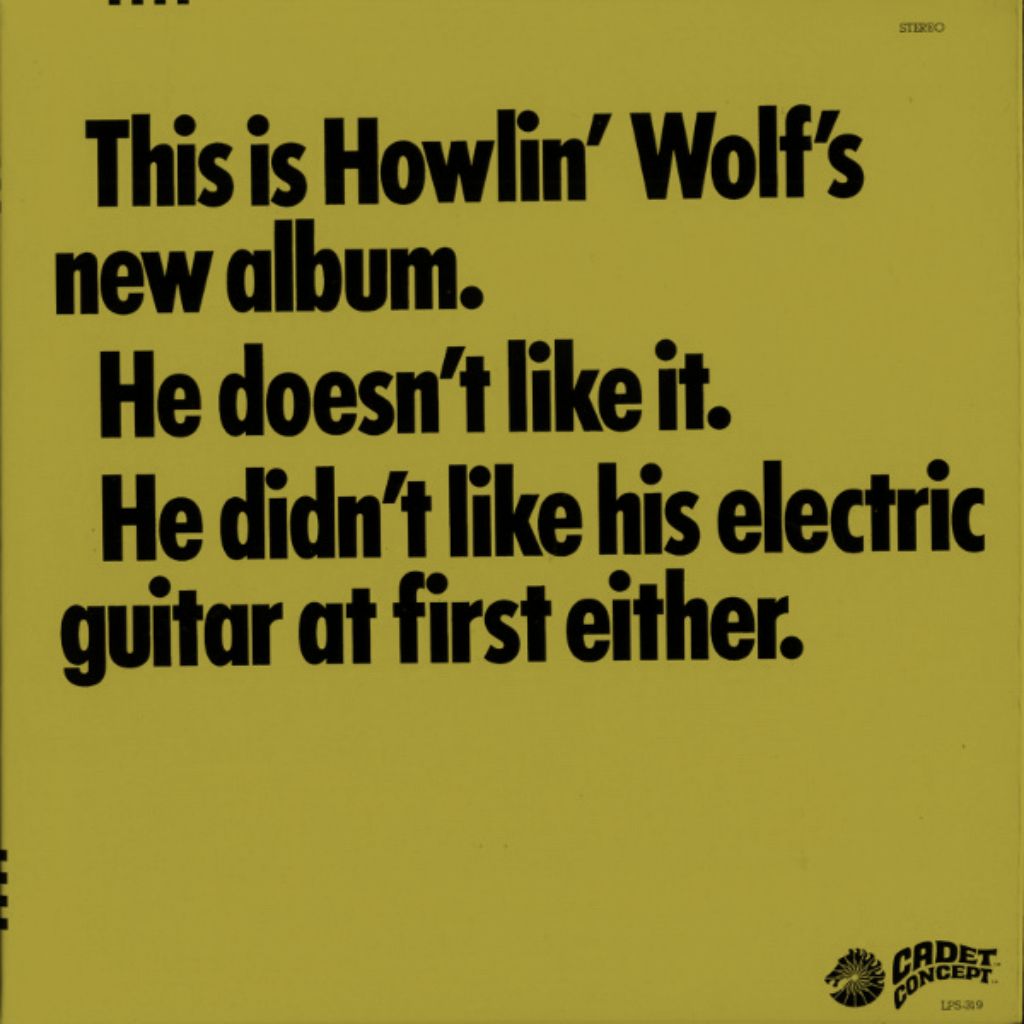
Confrontational and certainly attention-grabbing - but to some it came across as disrespectful and condescending to one of the Blues most previously hitherto authentic voices. Blues bands were traditionally tight-knit affairs with long, hard nights of touring honing their sound. Now these artists were being thrust into Chicago’s Tel-Mar studios with its often-electrifying reverberant sound with in-house, top notch session musicians and a classically-trained disciplinarian producer/arranger at the helm - famed engineer Ron Malo setting up the amplified trademark Cadet sonic characteristics. Muddy Waters bemoaned the fact that he couldn’t even perform his new album for Cadet Concept in a live situation. For a long touring Blues artist it just didn’t make sense.
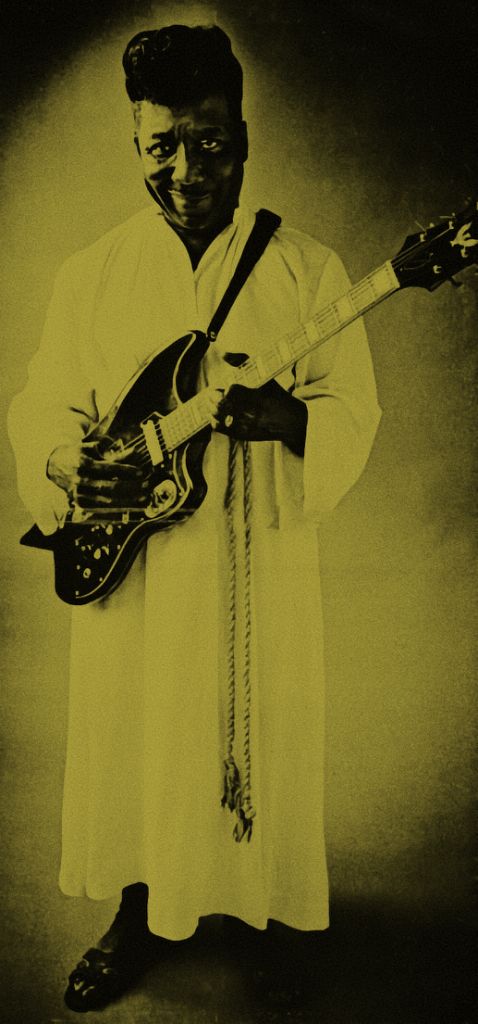
Muddy Waters - Electric Mud inside cover.
Opportunistic, exploitative, sacrilegious - all these descriptors have been used in association with the trio of albums: Electric Mud, The Howlin’ Wolf Album and After The Rain. Yet now they are considered seminal works of Electric Blues - influential on artists such as Miles Davis, who snapped up Chicago guitarist and Cadet Concept sessionist Chris Cosey for his own band in 1973. Other musicians on these sessions and Stepney himself went on to collaborate with Chess drummer Maurice White with his giant band Earth, Wind & Fire.
Rarely has there been a funkier rock foundation laid down on wax than the combination of drummer Morris Jennings and bassist Louis Satterfield on these records. When it comes to Electric Blues - UK band Cream had covered the Willie Dixon standard Spoonful in late 1966 and brought it into the rock sphere - and whilst Clapton and co perform admirably - it simply gets blown away by the version on The Howlin’ Wolf Album. Recorded in the depths of a harsh Chicago winter in 1968 - from its opening funk break to the unmistakable rasp of Wolf and Pete Cosey coming up with riff after riff - it’s simply explosive.
Similarly Waters’ Herbert Harpers Free Press has a repeated pedal point bass figure laid down by a rock-solid human sequencer-like Satterfield - an ostinato funk that Miles Davis used extensively on his later electric period albums such as Jack Johnson.
Joining these legends on the Cadet Concept roster were psyche-rock-soul newcomers Rotary Connection. A local Chicago outfit formed from a white rock act which after a debut album added singers Chuck Barksdale of the Dells, Minnie Riperton and Sidney Barnes. The addition of the vocalists was born of a technical requirement of Stepney's to build up his wall of sound choir effect but Riperton and Barnes stayed as members so they could tour the material. - a bold move at the time following the lead of Sly Stone in Rotary Connection becoming a mixed-race, mixed-gender band.
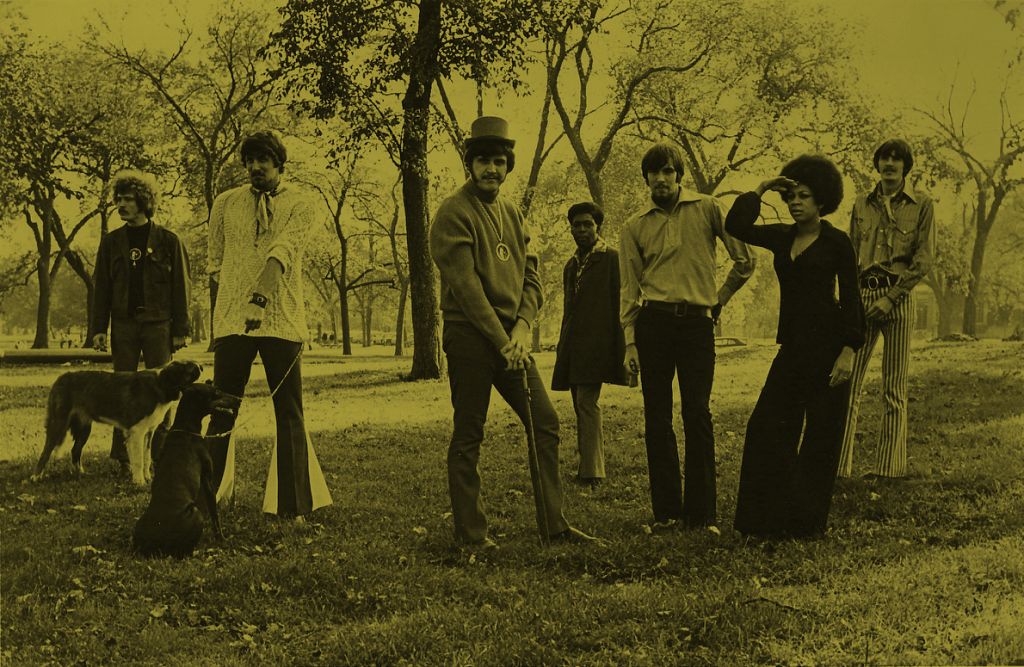
Rotary Connection
Minnie Riperton was always a star in the making with an otherworldly seven octave vocal range - but until they were rediscovered by soul and jazz collectors in later decades, Rotary Connection remained a quirky underground phenomena. Like many obscure acts, it was the world of sampling that brought them into the mainstream - and their classic I Am The Black Gold Of The Sun is now considered an R&B anthem.
The Rotary Connection albums are a chaotic mix of novelty, psychedelic whimsy and electronic experimentation. On some material Stepney uses the studio to create a wall of sound to rival anything achieved by Phil Spector: strings, harp, sitar, Moog synths, electro-acoustic techniques, Tel-Mar’s natural reverb, choirs and of course Riperton’s vocals piercing through the controlled chaos.
Elsewhere on Cadet Concept , honorable mentions must go to oddities such as the Archie Whitewater solo album - another obscure gem rediscovered on the funk-folk scene in recent decades, the jazz experimentation of John Klemmer plus more standard psyche-rock fare such as Salloom-Sinclair & The Mother Bear and Aesop’s Fables.
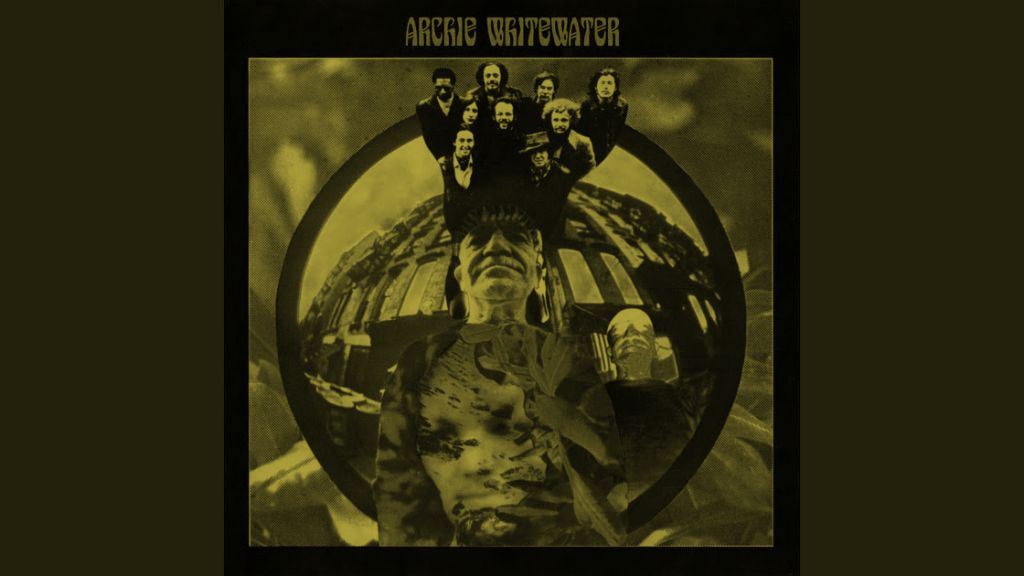
Archie Whitewater
Cadet Concept’s releases may have been controversial at the time of release but they pass the ultimate test - longevity. Marshall Chess had instincts honed on the years his father and Uncle built up the label out of the reality of life in the Windy City and its wealth of musical talent in its black communities.
These realities ultimately hit home in 1969 when the label was sold to the GRT Corporation and was slowly wound down. Minnie Riperton’s iconic debut album was released on GRT although its clearly to all intents and purposes a Cadet Concept release. GRT kept the imprint going to see out remaining contracts - but by 1973 the Cadet Concept logo ceased to adorn new releases.
Speaking of the sale of the Chess catalogue and the sudden death of his father, Marshall Chess later reflected:
“
He wasn’t to know how historically important and how valuable that music would become. No-one knew.”
Chess’ risky move into the counterculture became vindicated over time and ROVR Research chronicles its years in the psychedelic sun.