

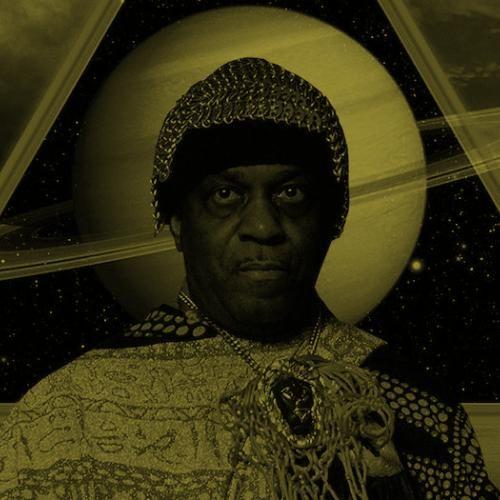
“
[I didn’t come from here. I came to help.”
Since the canonisation of Sun Ra and his various Arkestra line-up’s over the recent decades, much has been written about this unique musicians work from the 1950’s onwards. To cover such a period is of course for biographers such as John Szwed - so this edition of ROVR Research has chosen to focus on a specific timeframe late in Sun Ra’s long journey.
By 1978 - Sun Ra had moved on from the large scale Arkestra periods that peakied on two occasions - in fifties Chicago and sixties-early seventies New York respectively. Now based in commune type accommodation in South Philadelphia, Ra and long-term surviving Arkestra members Marshall Allen and John Gilmore with a select group of acolytes, would feature on more stripped down recordings.

Outside the Sun Ra house in Philadephia.
In the mid-seventies - a prestigious opportunity for wider commercial success with jazz giant Impulse! Records - funded by corporate giant ABC - had broken down after a series of re-issues, a few well-recorded original sessions and material that remained unreleased in the vaults for decades as promises were broken and the deal went sour.
The late-seventies therefore was a time of regrouping for Sun Ra. The financial realities of no longer having major label backing and the broader decline in jazz sales worldwide - meant the Arkestra had to rethink their survival as a working experimental outfit dedicated to the avant-garde.
How Sun Ra navigated the restraints of this lean financial period was to initially turn more towards Europe for its audience, to strip down the recording and touring personnel and to incorporate new sonic techniques to remain fresh in an increasingly electric musical landscape.
1978 started with a winter series of concerts in Italy. The stripped down line up of drummer Luqman Ali, John Gilmore, Michael Ray and Ra - were captured on January 23rd at the Teatro Ciak in Milan resulting in the album Disco 3000 - credited to Sun Ra And His Myth Science Arkestra - the sound of a cosmic quartet.
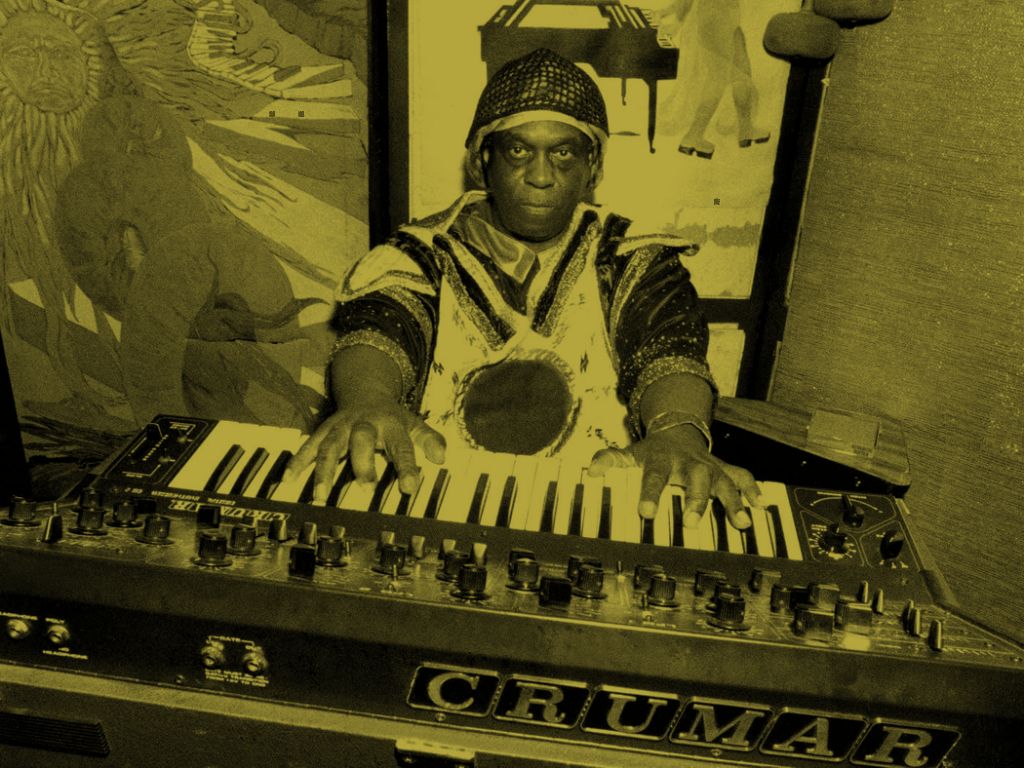
Sun Ra with Crumar synthesiser.
The title immediately draws interest - referring to the booming Disco period during which it was released. This Disco music was typical of Ra - nothing earthly or conventional in any sense. Sun Ra fills out the soundscape with manic drum machine rhythms, chirping synthesiser and organ. Long gone are the large scale big-band arrangements - Disco 3000 is the sound of repeating modal vamps and hypnotic slowly mutating rhythmic beds.
The album Media Dreams recorded earlier on the tour, foreshadows the minimal electronics of the early eighties - the composition The Truth About Planet Earth remained an unreleased outtake until its appearance on the Art Yard expanded edition in 2008. Sun Ra’s ageless compositions - often ahead of their time were often released with decades gaps between the actual recording session - this continues that tradition.
This same stripped down touring line-up were captured in the studio for avant-garde Italian jazz label Horo in Rome during that same January. Both the albums expand upon the Disco 3000/Media Dreams aesthetic with occasional changes in mood - in the most beautiful case on the album New Steps with the now classic Sun Ra space-ballad When There Is No Sun - a delicate, apocalyptic hymn with a haunting unison vocal mantra from the band.
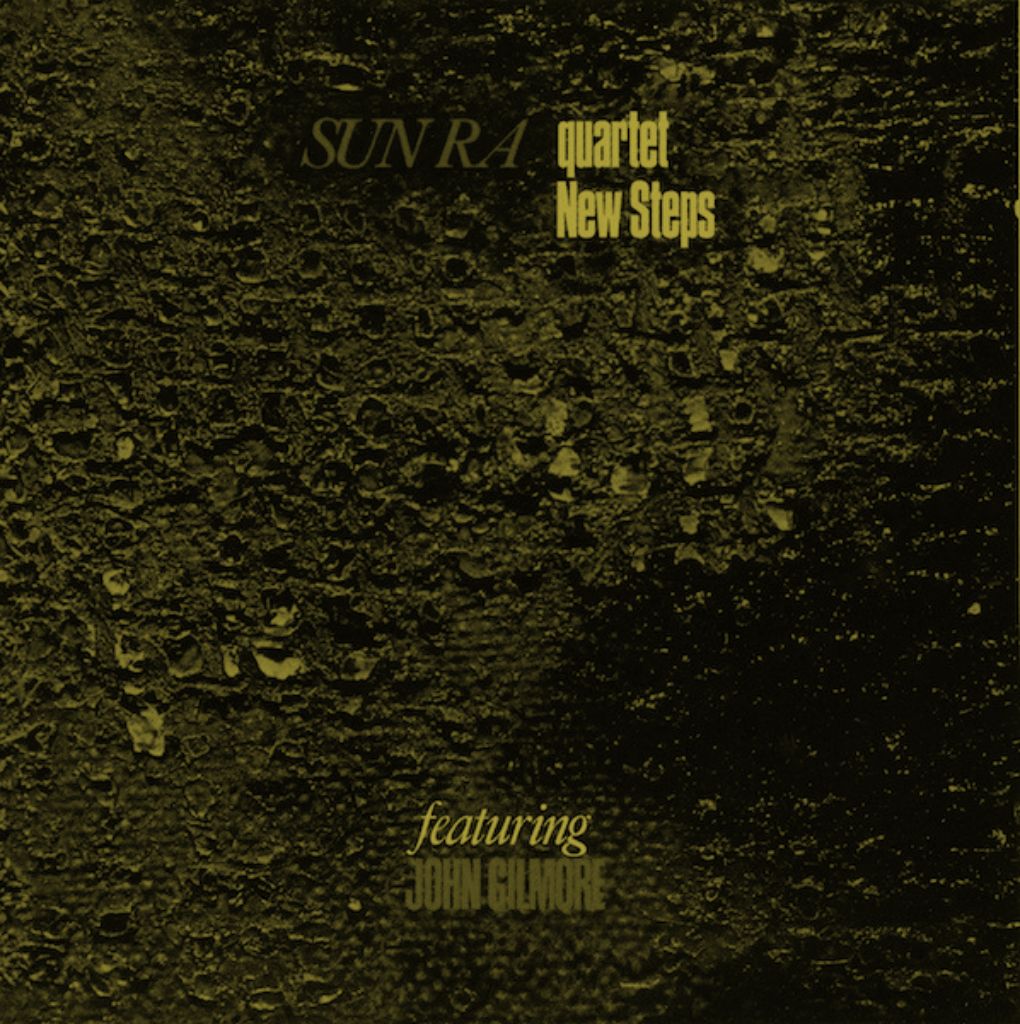
Sun Ra Quartet: New Steps (Horo)
Back in the US in the summer of ’78 - Ra and an expanded line-up compared to the Italy touring Quartet, entered Bob Blank’s ‘Blank Tapes Studios’ for another pivot in style. The album Lanquidity may just be Sun Ra’s most accessible and - due to its popularity on the Hip Hop scene - perhaps the first entry-point for many new listeners keen to enter the otherwise intimidating world of the Arkestra.
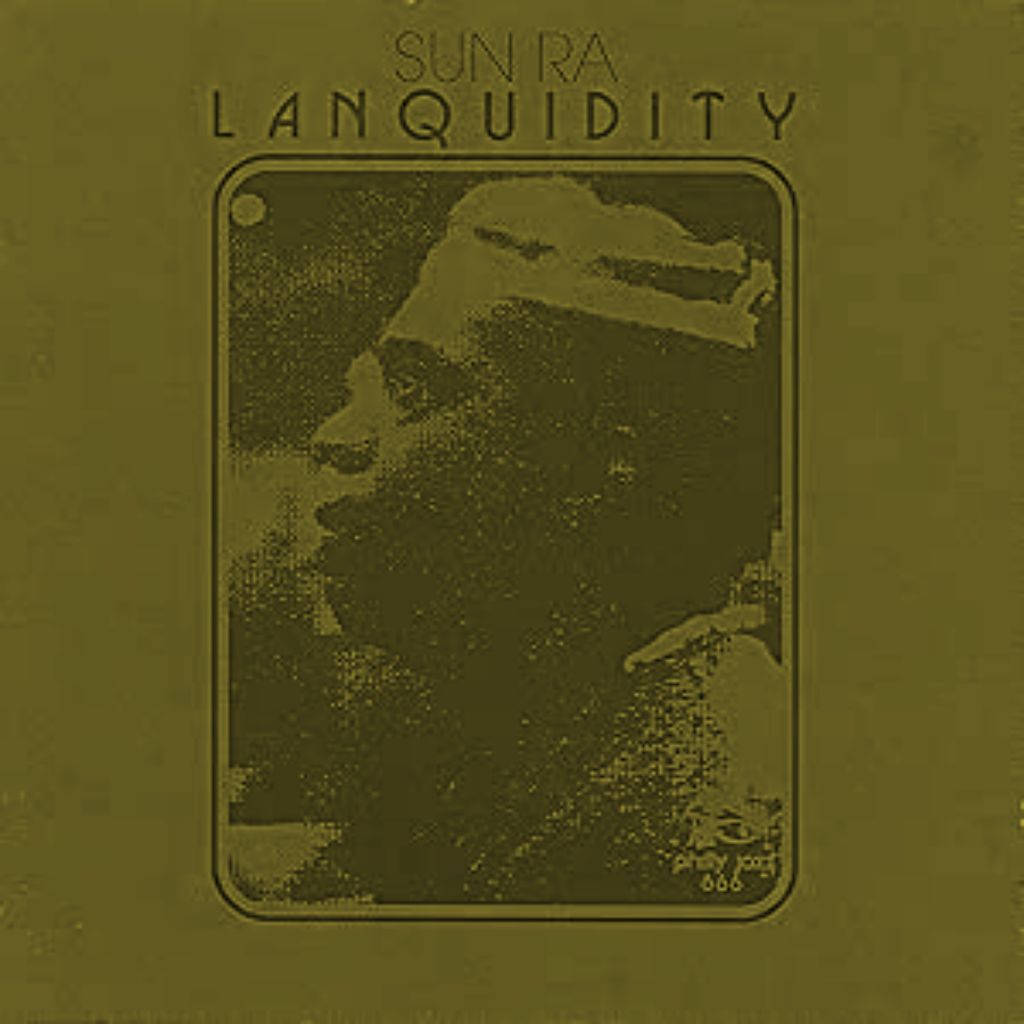
Sun Ra: Lanquidity (Philly Jazz)
The addition of electric guitars courtesy of Disco Kid and Dale Williams, more conventional synthesisers by ARP and a Minimoog plus reassuring tones of a Fender Rhodes electric piano make Lanquidity the most consistently funky of Ra’s albums. The recording quality is top notch - ironically in a studio mostly associated with the more classic Disco recordings of that time.
Free-jazz trumpeter Eddie Gale is a key addition and June Tyson - a long-standing vocalist with the Arkestra - is joined by a trip of co-vocalists including Ra. Whether the title of the album is a play on words is not known - but the material does have a laid-back languid feel. It’s the sound of South Philly house band in a backstreet bar channeling blues and funk from sometime in the future. Its not quite R&B and not quite funk - yet using motifs from both genres - the result it typical Sun Ra originality.
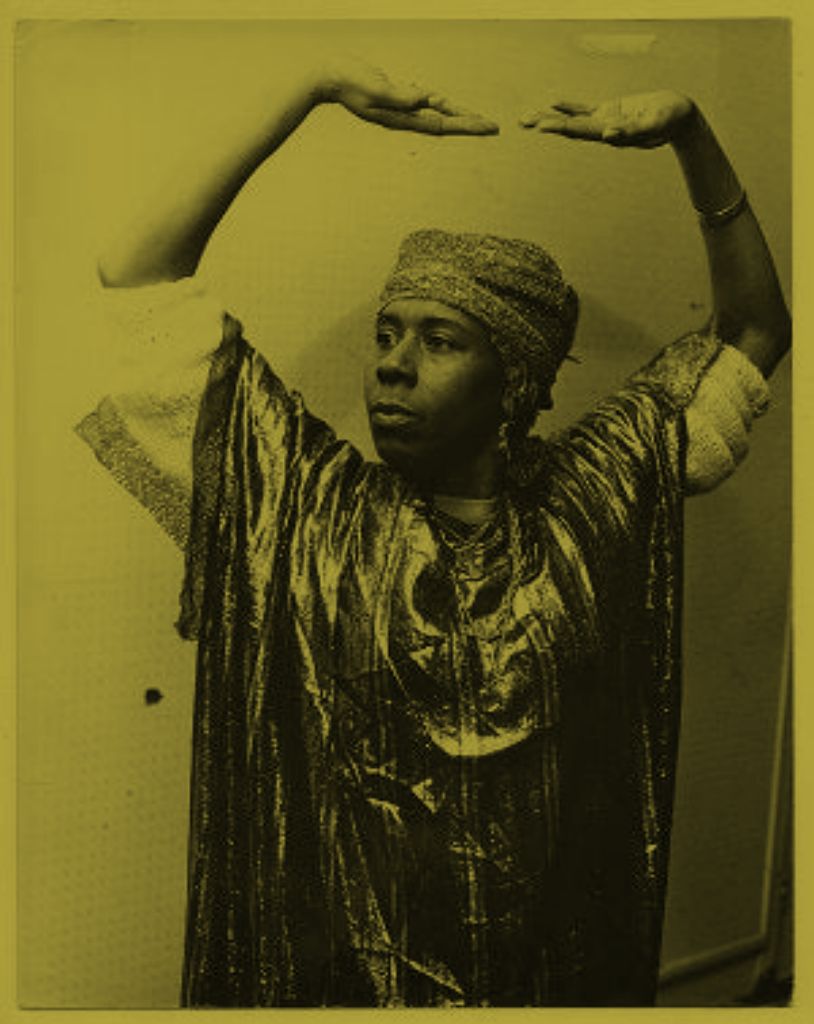
Vocalist and long-term Arkestra member June Tyson.
The languid funk continues with the title song from the album On Jupiter - recorded and released on Sun Ra’s own El Saturn label late in 1979. On Jupiter merges traditional swing time jazz with R&B flourishes whilst UFO is Sun Ra heading into the adjacent realm of George Clinton’s P. Funk sound. Assertive funk vocal slogans and the steadiest funk rhythm you’re likely to get from an Arkestra recording make it another accessible Sun Ra favourite.
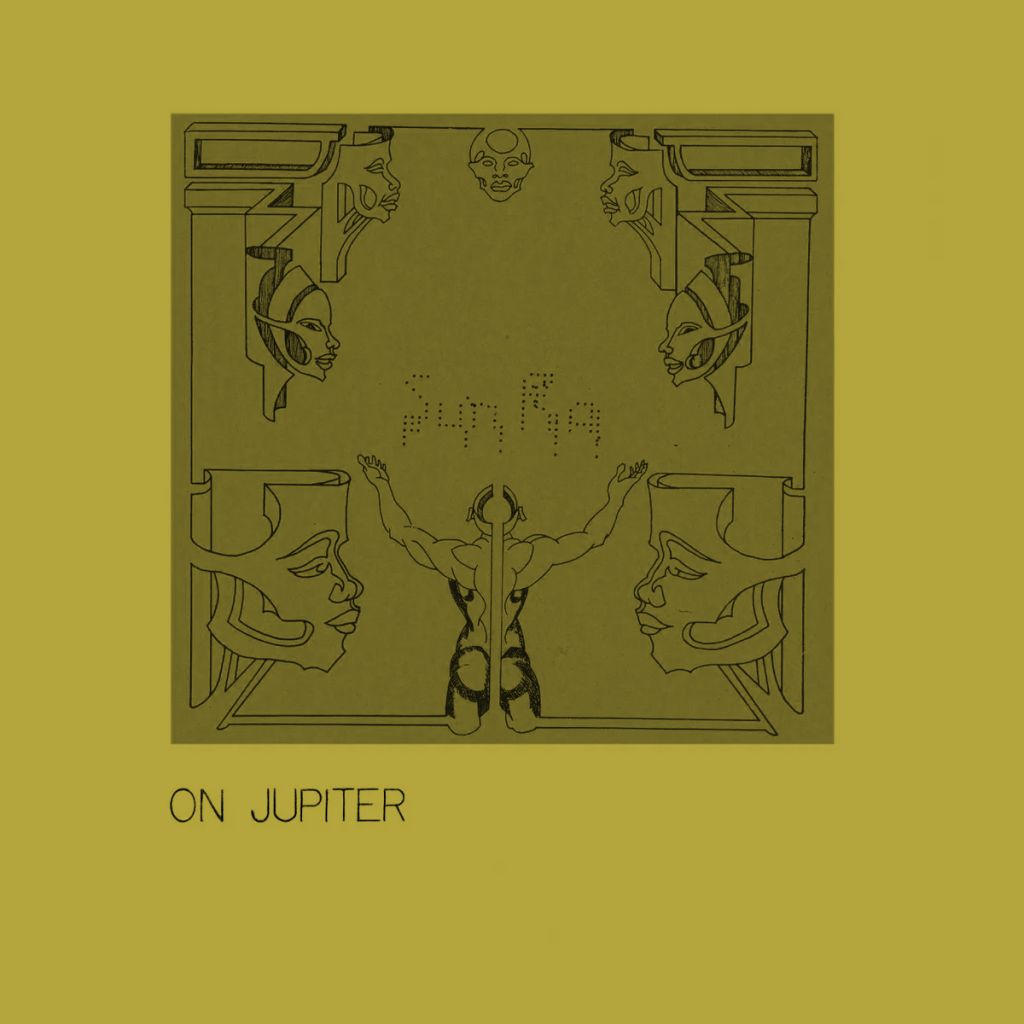
Sun Ra: On Jupiter
The familiar surroundings of New York’s Variety Studios is the setting for the proton-ambient jazz of the album Sleeping Beauty. With its beautiful vocal refrain and floating tempo - its a space-lullaby typical of this late period Ra sound. Its continued on the album Strange Celestial Road - particularly with the song I’ll Wait For You and on the 1984 album Ra To The Rescue with the prophetic tones of They Plan To Leave. The apocalyptic vibe of the latter coupled with the lengthy track Nuclear War summing up Sun Ra's distancing himself from earthly origins as in his quote:
“
The Earth cannot solve its problems. That’s why I deal with outer space.”
Sun Ra’s late era captures a genius adapting without compromise to socio-economic conditions that affected the recorded jazz industry in the late seventies. It's a testament to Sun Ra’s staunch commitment to his vision that he managed to navigate this difficult reality and create some of the most timeless genre-transcending cosmic music ever made.