

“
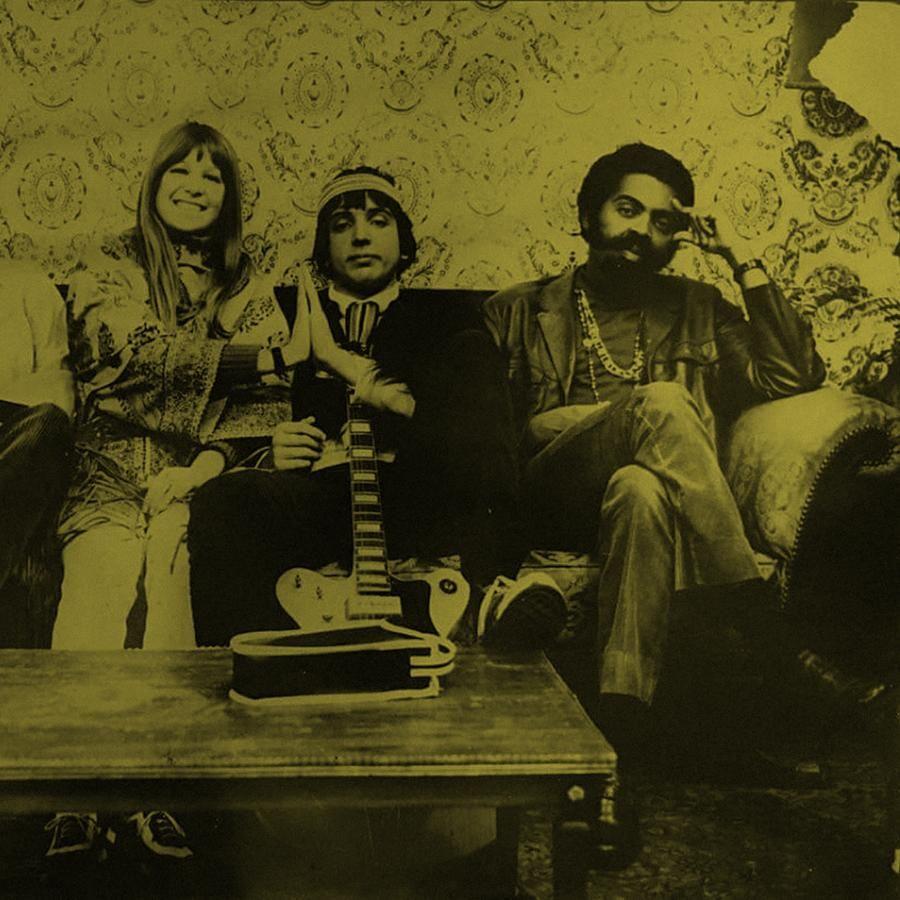
“The tropicália thing was our piece of the action in the world vortex that was happening…that huge revolution in the world”
Sergio Dias (Os Mutantes in Wax Poetics / Allen Thayer)
Brazilian psychedelic music is one of the most distinctive chapters in the history of 1960s and 1970s South American music. Brazilian musicians absorbed the growing influence of The Beatles, Jimi Hendrix, jazz, R&B and the emerging counterculture, then collided these influences with traditional Brazilian rhythms and instrumentation such as samba, bossa nova, etc. This merging of cultural influences resulted in an extraordinarily inventive period in which psychedelia became a symbol of an entire social movement.
From its beginnings in the late 1960s and developing through the central figures of what became known as Tropicália such as Gilberto Gil, Gal Costa, Caetano Veloso and Os Mutantes on through increasingly experimental artists such as Pedro Santos, José Mauro, Ronnie Von, Som Imaginário and Módulo 1000 and finally into the remarkable psychedelic underground of Pernambuco in the North East of the country represented by Lula Côrtes, Zé Ramalho, Marconi Notaro, Ave Sangria, Flaviola and others.
In 1964 Brazil's elected government was overthrown in a military coup, beginning a dictatorship that would last until 1985. Although, initially cultural life retained a certain degree of freedom by 1968 the situation had changed dramatically. In December 1968, the government introduced restrictions on political activity and imposing much harsher censorship on the press and the arts. All this at a time when Brazilian popular music was undergoing its own sonic revolution.
In 1967 Gilberto Gil performed with the young São Paulo rock group Os Mutantes, creating one of the decisive moments in Brazilian musical history. The combination of electric guitars, orchestral arrangements, Brazilian rhythms and unconventional songwriting challenged the idea that Brazilian music had to remain rooted in its acoustic traditions. It was a ‘Dylan goes Electric’ moment for Brazil and other artists took note.
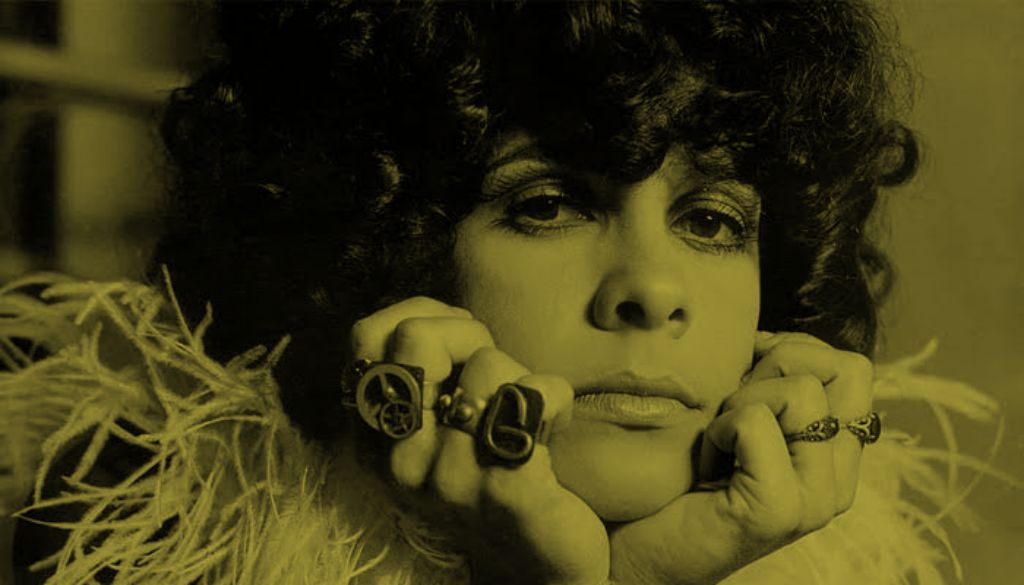
Gal Costa
The movement became known as Tropicália and its great manifesto was the 1968 album Tropicália: ou Panis et Circencis, involving Caetano, Gil, Gal Costa, Os Mutantes, Tom Zé, Nara Leão and the radical arranger Rogério Duprat. Its deliberately chaotic mixture of Brazilian tradition and international pop was almost a musical equivalent of collage.
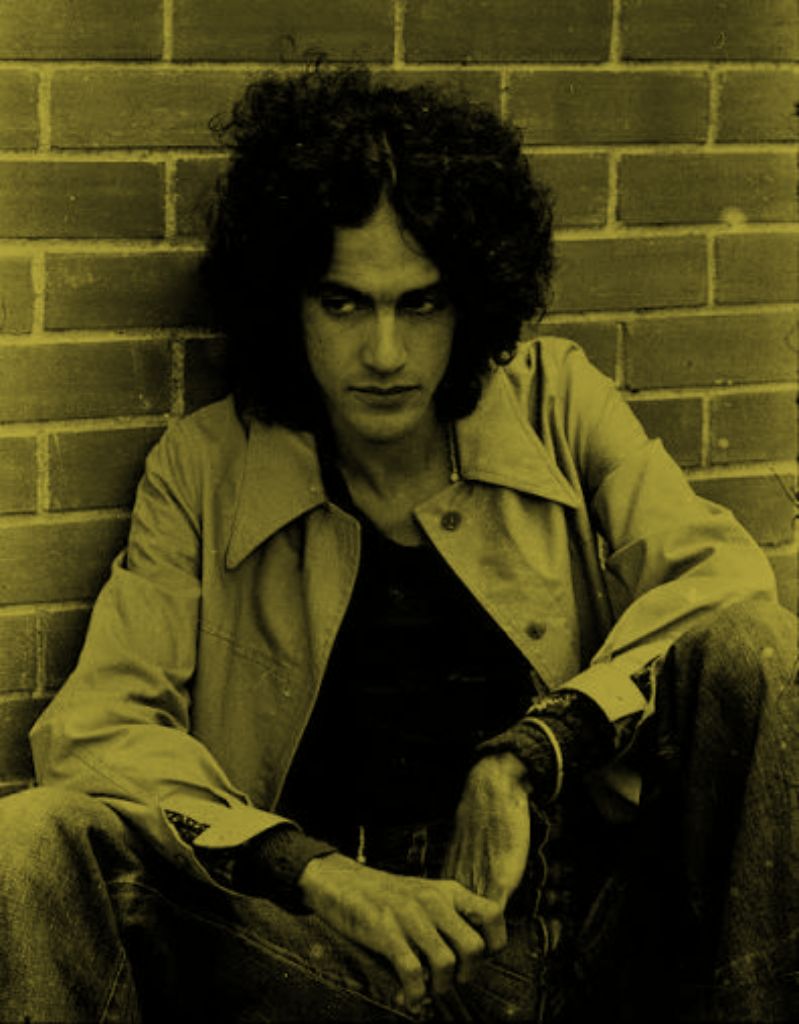
Caetano Veloso
Caetano Veloso’s "Não Identificado" and "London London", Gal Costa’s "Tuareg", "Vou Recomeçar" and "Acuã", Gilberto Gil’s "Futurível", and the Os Mutantes tracks "Baby", "O Relógio", "Ave, Lúcifer", "Oh! Mulher Infiel", "Jardim Elétrico" and "Tecnicolor" represent different stages of this explosion.
Os Mutantes were particularly important because they effectively imported the vocabulary of psychedelic rock into Brazilian music without completely abandoning the all-important homegrown component. Their sound combined fuzz guitar, tape effects, studio manipulation and absurdist humour with Brazilian melodic and rhythmic ideas.
Luís Carlos Vinhas’ "Tanganica", from O Som Psicodélico, is a fascinating example of Brazilian Psyche that reaches beyond Tropicalia. Vinhas came from the world of bossa nova and virtuoso jazz piano, but his 1968 album was a clearly indication of how the counter-culture had seeped into the Brazilian creative world at this time.
Even more extraordinary is Pedro "Sorongo" Santos' "Quem Sou Eu", from Krishnanda (1968). Santos approached psychedelia through heavy spirituality and sound experimentation. He constructed instruments himself and combined Brazilian and Latin rhythms with Oriental references, strange vocal sounds, environmental effects and a psychedelic organ.
Then there is Ronnie Von, represented here by "Anarquia" and "Mil Novecentos e Além". Von had begun as a teenage pop idol, but his late-1960s records became increasingly experimental. "Anarquia", for example, turns hippie ideas of freedom and colourful rebellion into psychedelic pop, while other tracks used fuzz guitar, unusual studio effects, orchestration and surreal lyrics. Again, this transformation from youth idol into psychedelic artist shows how the psychedelic counter-culture was altering Brazil’s creative landscape.
By the early 1970s, Brazilian psychedelia was becoming increasingly adventurous.
Som Imaginário emerged from the musical world surrounding Milton Nascimento. Formed around musicians including Wagner Tiso, Robertinho Silva, Luiz Alves, Tavito and Zé Rodrix, the group became a creative hub for psychedelic rock, jazz, progressive music, classical influences and MPB, demonstrating how psychedelia began to merge with the sophisticated instrumental language developing in Brazil as the music progressed in the early seventies.
“
We didn't want to conquer traditional Brazilian music; we wanted to expand it, to stretch it until anything could fit inside.”
Caetano Veloso
Rather than simply writing three-minute psychedelic songs, musicians were experimenting with extended instrumental passages, unusual harmonies, electric keyboards, percussion and improvisation. Módulo 1000 pushed further towards heavy progressive psychedelia. Their sole album, Não Fale Com Paredes (1972), combined hard rock influenced by Black Sabbath with Pink Floyd-style psychedelia and progressive structures.
In Recife, Pernambuco, a highly individual underground scene developed during this period of the early 1970s. Artists such as Ave Sangria, Flaviola, Marconi Notaro, Lailson, Lula Côrtes and Zé Ramalho created music that absorbed British and American psychedelia but also drew deeply upon northeastern poetry, baião, folk music, mysticism and regional mythology.
This was sometimes called "Udigrudi", a deliberately Brazilian pronunciation of "underground". Ave Sangria's performances in particular could be deliberately provocative, including behaviour that challenged the conservative social climate of dictatorship-era Brazil.
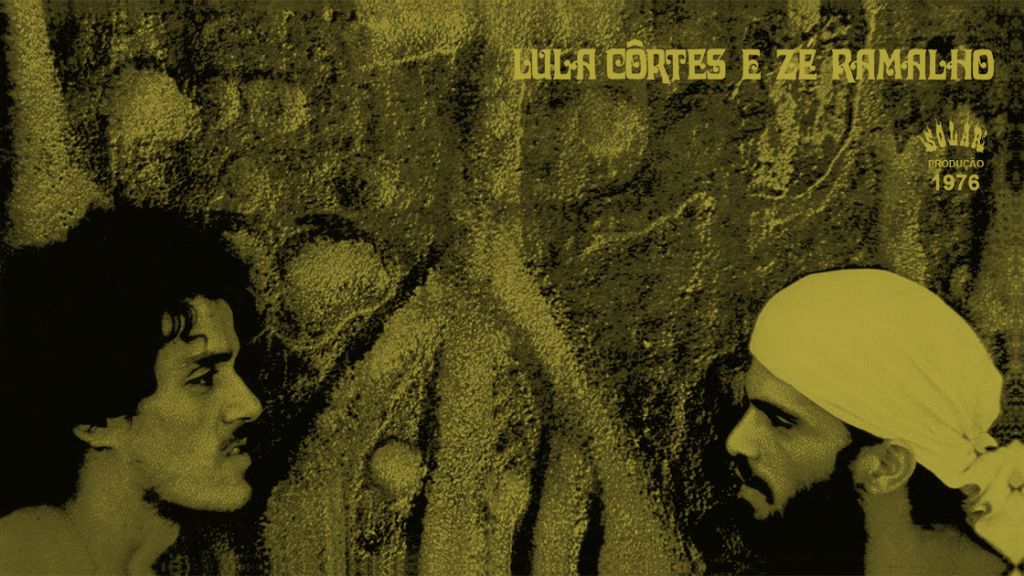
Paêbirú album cover
The culmination is Lula Côrtes and Zé Ramalho's "Omm" and "Trilha de Sumé", from the legendary double album Paêbirú (1975). Recorded in Recife, the album is divided conceptually into the four elements — Earth, Air, Fire and Water — and incorporates psychedelic rock, raga, folk, percussion, mysticism and northeastern musical traditions. Highly experimental and far removed from any mainstream the album’s mythology draws upon the mysterious Pedra do Ingá and the legend of Sumé, giving the music a deep pre-Columbian dimension.
“
"Although tropicalismo wasn't a political movement, it was a reaction against the dictatorship and the politics of the era. It was a very hard time for me, but I was keeping tropicália alive… It was like I was representing Caetano and Gil while they were in exile.”
Gal Costa
These Brazilian psychedelic musicians often resisted the dictatorship indirectly through absurdity, eroticism, spiritual exploration, introduction of
foreign influences and humour. The military regime considered Caetano and Gil subversive; both were arrested in December 1968 and eventually forced into exile in London.