

“
Creating my own sounds is what the whole ballgame is about... The piano alone is a boring kind of thing”
Joe Zawinul
IDM or as it was originally called “Intelligent Techno” - developed in the UK and Europe in the early nineties and reached its golden age soon after. However, as with our deep dive into Proto-Techno, a Proto-IDM/Electro sound had been around for decades.
Electronica that deviated from four to the floor of proton-techno and Electronic Disco had a rich history from various sources- a somewhat hidden history across jazz, kosmische music, industrial, synth-pop, electro, library music, minimalism and experimental ambient.
Drawing from these various genres there was a gradual discovery that electronic instruments could provide not merely new sounds, but new ways of thinking about rhythm and melody that incorporated funk rhythms rather than straight quarter note 4/4 beats. It foresaw the drum programming of both electro and drum n bass.
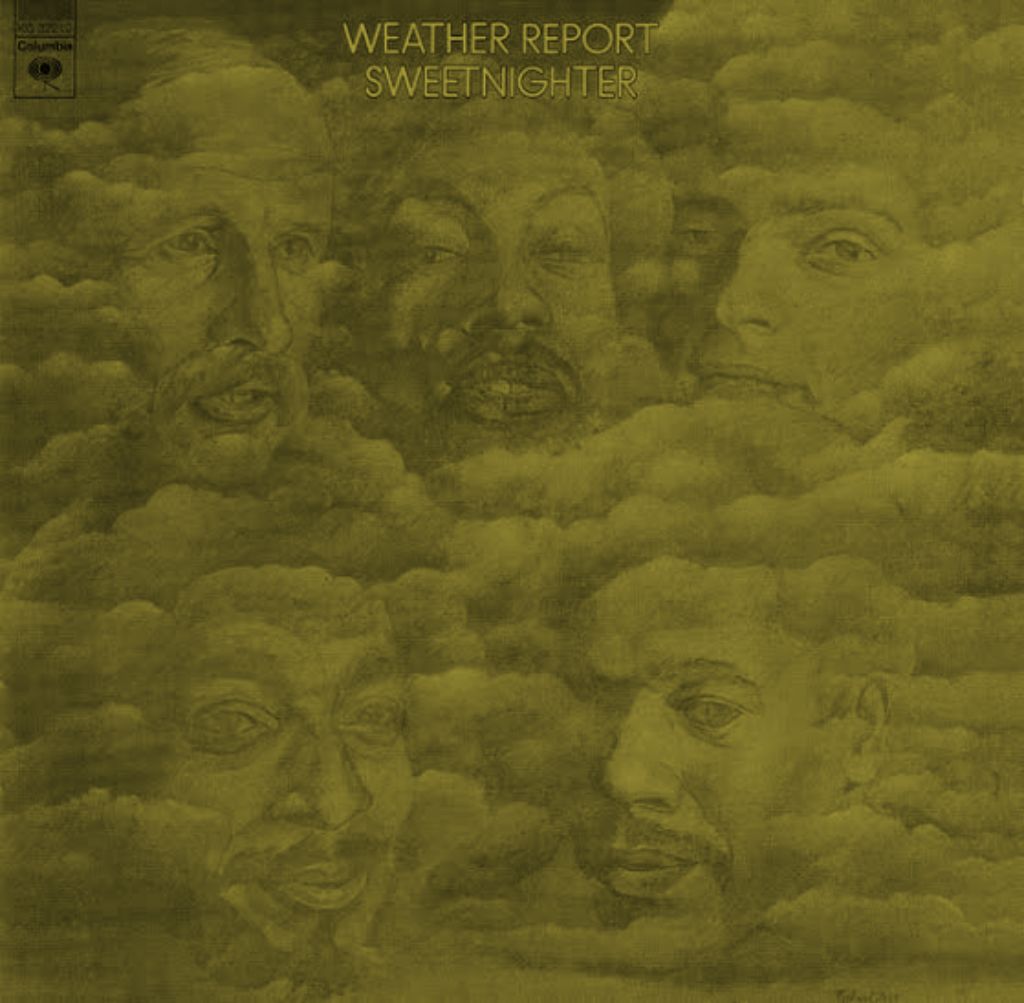
A favourite of drum n bass legend Photek, Weather Report’s “Non-Stop Home is a kaleidoscope mix of frantic paced polyrhythms and Joe Zawinul’s ring-modulated electric keyboard flourishes. Zawinul was already thinking beyond the conventional role of the keyboard: the synthesizer could become part of the rhythm section with effects usually reserved for electric guitars being used on electric pianos and synthesisers.
“
It (Inspiration Information) was supposed to take me overground, but it was just too experimental.”
Shuggie Otis

Shuggie Otis
A year later and the extraordinary Shuggie Otis released the criminally overlooked masterpiece ‘Inspiration, Information’ - rediscovered and finally lauded in the nineties due in part to its advanced combination of the drum machine and menacing organ of “XL-30”. Otis was a multi-instrumentalist and studio innovator whose use of rhythm machines, synthesizers and overdubbing anticipated the increasingly solitary, studio-based electronic musician who would become so important to IDM.
Meanwhile in Europe, a different lineage was developing. Einzelgänger, an innovative Dutch project represented the increasingly blurred boundary between experimental electronics and ancient trance music traditions. The eccentric composition “Percussiv” belongs to precisely that strange zone: repetitive, synthetic yet rhythmically inventive - precisely features common to many IDM classics.
“
We were all fans of American music: soul, the Tamla/Motown thing, and of course, James Brown. We always tried to make an American rhythm feel, with a European approach to harmony and melody.”
Karl Bartos, Kraftwerk
Germany was particularly important. Kraftwerk had spent the 1970s progressively stripping rock music down to its electronic essentials. By Computer World in 1981, represented here by “Computerwelt”, they had laid the ground work for the electro-funk boom and later IDM gems that looked towards electro rather than Disco or House for inspiration. Their influence on virtually every subsequent electronic genre is enormous.
The British underground was simultaneously undergoing its own electronic developments. John Foxx, formerly of Ultravox, released Metamatic in 1980, containing one of the crucial proto-IDM/Electro classics “Mr. No”. Recorded at the tiny Pathway Studio in London, it was stripped of any rock instrumentation and constructed around synthesizers and drum machine.
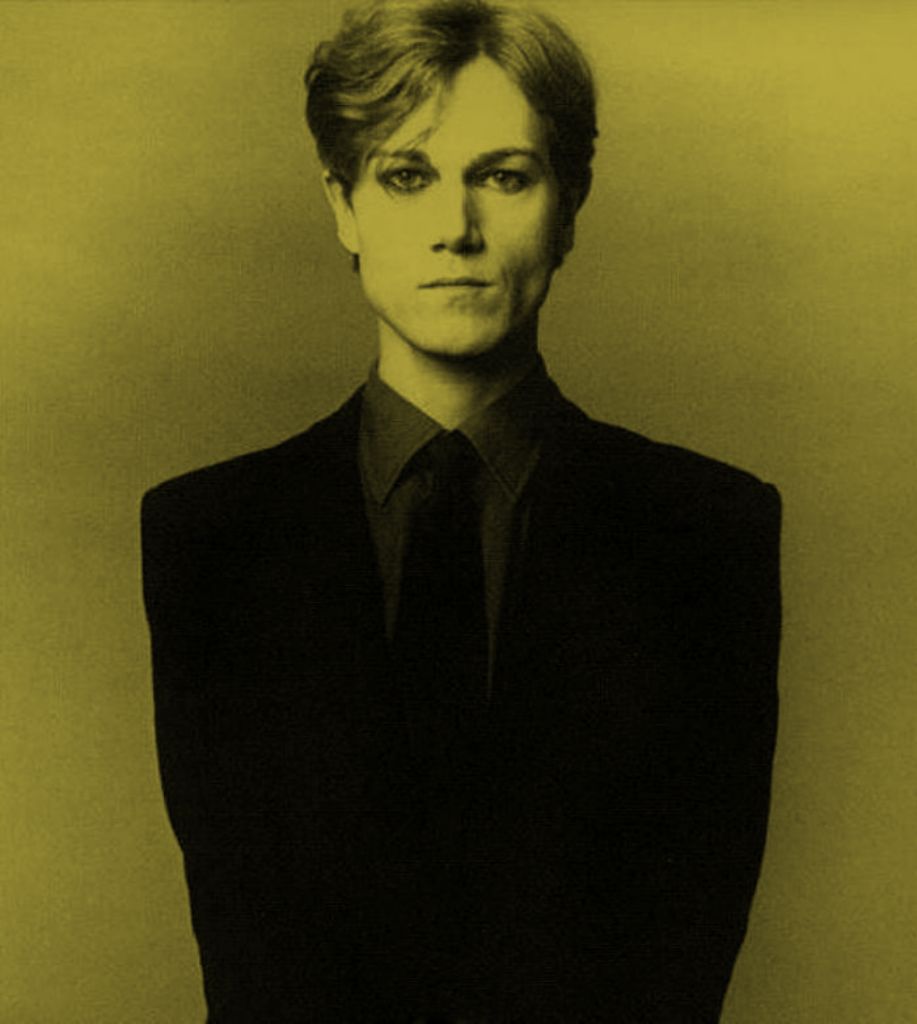
John Foxx
The Metamatic album used mechanical rhythm with an eerie, abstract atmosphere, with a heavily dystopian element that clearly veered into the work of Cybotron and the Electro-based early Metroplex label classics by Juan Atkins. It proved electronic music could be cold, futuristic yet also connect with an audience - especially when Detroit and early IDM artists added the funk factor.
Ryuichi Sakamoto, both as a solo artist and with Yellow Magic Orchestra, brought advanced composition, Japanese electronic experimentation, funk and European avant-garde ideas together for an inspiring blend of proto-IDM. Japanese artists in particular were playful with electronics - a harbinger of the often absurdist and humorous nature of IDM tracks by Aphex Twin, u-Ziq and Luke Vibert.
Another strand of proto-IDM came from the ever-reliable source of magical musical moments - library musicmusic. Library composers worked in environments where electronic instruments were used practically: for television, film, advertising, documentaries and industrial applications without the need for commercial considerations - leading to the kind of experimentation taken up by the IDM artists in the nineties.
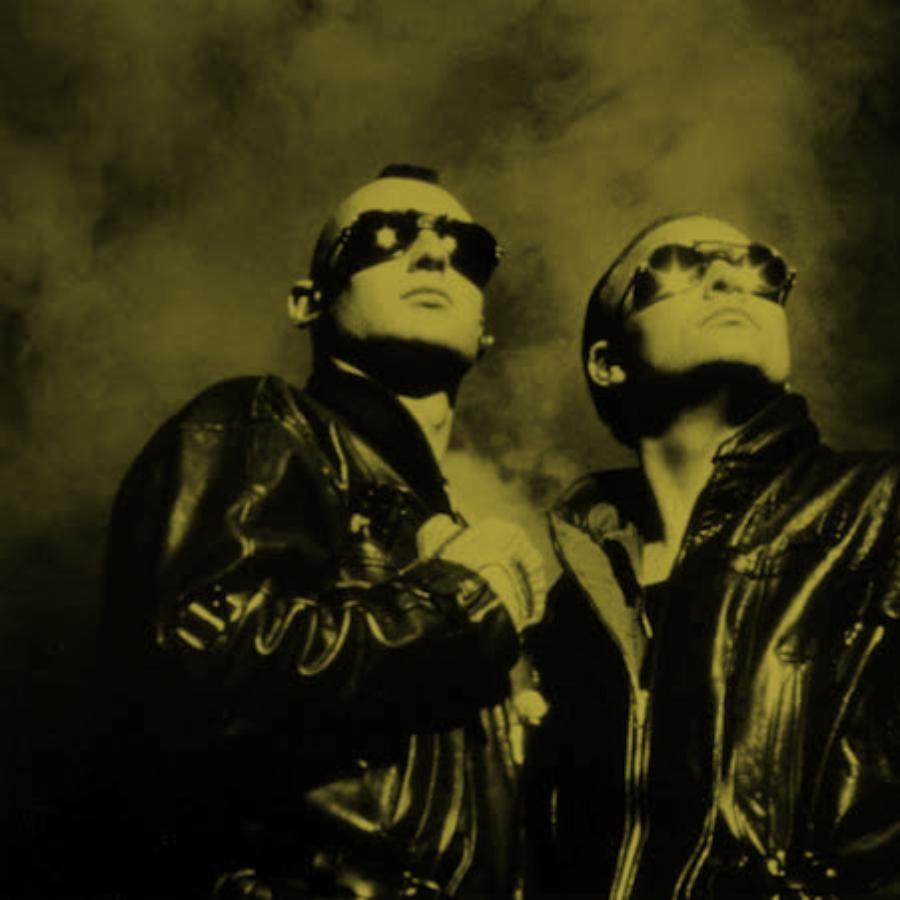
The industrial movement pushed the idea further. Die Form, founded by Philippe Fichot in France, using basic electronics as a vehicle for a disturbing and confrontational sound. Front 242, from Belgium, developed a devastating combination of aggression and dance rhythms in a forecaster of yet another genre : EBM.
The late 1970s and early 1980s were contradictory years of economic crisis and technological acceleration. Synthesizers were becoming cheaper. Drum machines were increasingly accessible. Home recording technology was improving. Punk had also demolished the idea that artists needed technical virtuosity. A musician no longer needed to master the guitar in order to make a record. You could buy a synthesizer, a drum machine and a cheap multitrack recorder and construct an entire musical universe yourself. This was the IDM spirit in its primitive state.
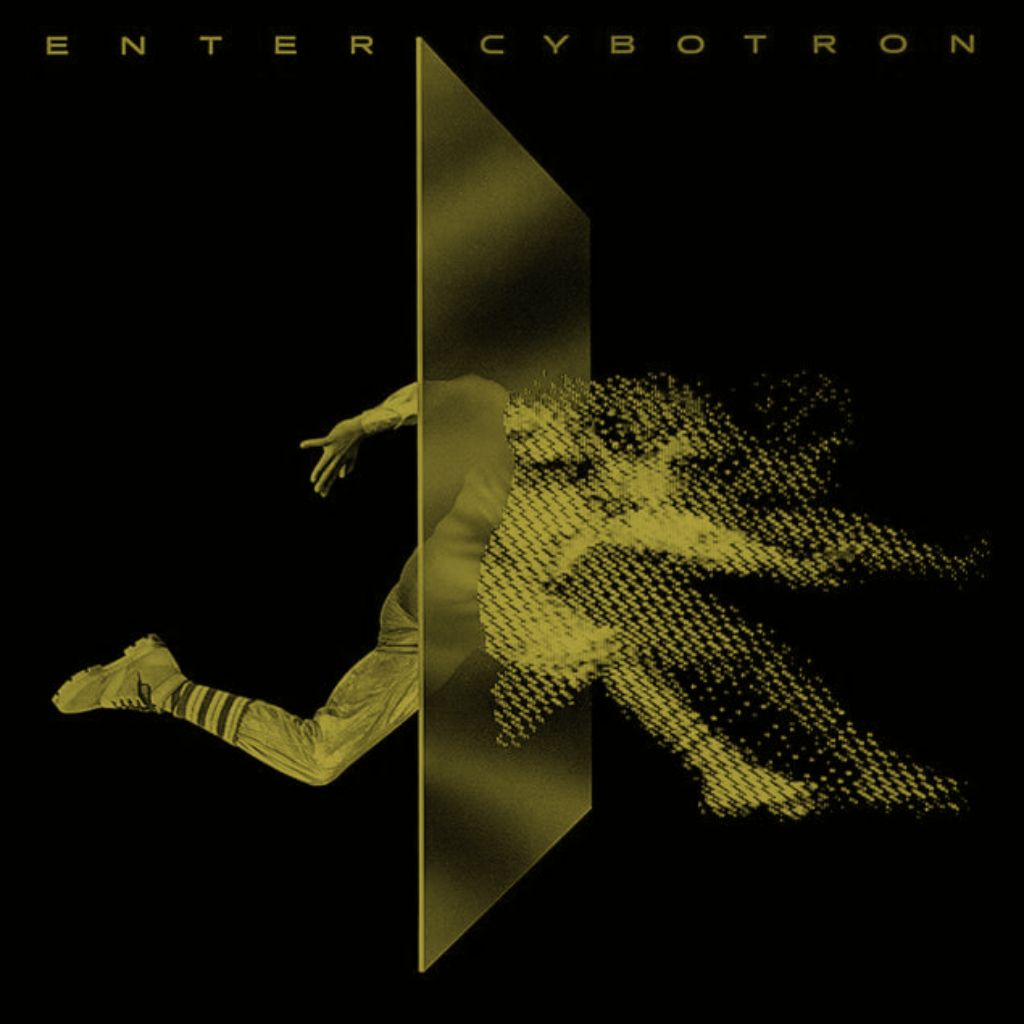
Much of proto-IDM sounds like demos from a technological future that had not quite arrived yet. “Cosmic Raindance” by Cybotron is particularly significant. Cybotron were formed in Detroit by Juan Atkins and Rik Davis aka 3070, combining electronic futurism with funk. Their 1983 “Clear” became an important bridge between electro and what would become Detroit techno.
Cybotron are pivotal because Detroit techno excelled in electronic dance music that was both futuristic and abstract while remaining rhythmically compelling with its Electro rhythm informed by Kraftwerk who themselves were informed by the drumming on James Brown records. A circle was completed.
“
I know there have been other uses of the words around, but we were the first to put it out there on records, as titles.”
Man Parrish on "Techno Trax"
Man Parrish’s “Techno Trax”, brought New York proto-IDM into the equation. This early usage of the term techno remained tucked away on his debut album, whilst his huge hit Hip Hop, Be Bop (Don’t Stop) lived alongside Planet Rock, Al-Naafiysh (The Soul) and other main electro hits of the era.
The term “Intelligent Dance Music” would subsequently become controversial — and many of the musicians associated with it disliked the implication that other dance music was somehow unintelligent. It’s golden age lasted for a brief few years until club Techno became dominant. Yet IDM now has both long-term and new curious listeners - and here lies its proto-history.