

MAINSTREAM RECORDS PSYCHEDELIC ERA (1967-1970)
“
“They had songs. They had energy. That was enough.””
THE PSYCHEDELIC DETOUR, 1967–1970
Bob Shad never set out to be a psychedelic tastemaker. By the time he wandered into the emerging territory of late-60s psychedelic rock, he was already an esteemed industry figure. Yet between 1967 and 1970, almost unintentionally, this old-world producer created one of the most quietly revered catalogues of American psychedelia.
Abraham Shadrinsky - later Bob Shad - was born and raised in Brooklyn, 1920 - his Jewish parents having fled Tsarist Russia prior to the 1917 revolution. During a 1940’s producers strike - an opening at Savoy Records led to Shad beginning a life producing jazz, pop, R&B - racking up an impressive 800 albums over four decades.
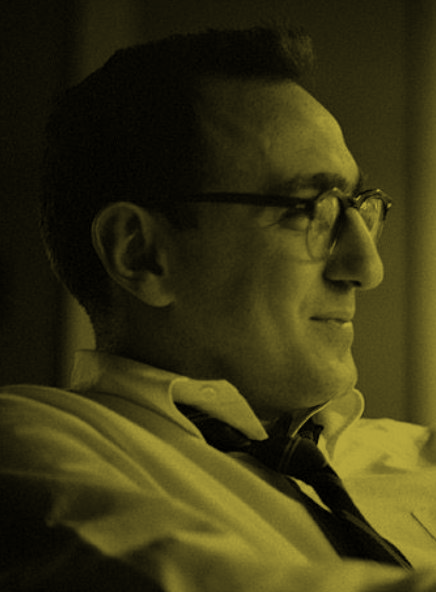
He founded the respected jazz subsidiary Emercy for major label Mercury, followed by labels such as Time and Brent. He recorded such luminaries as Charlie Parker, Sarah Vaughan, Lightnin’ Hopkins, Quincy Jones (pictured) and Dinah Washington. However it was his own Mainstream Records — where he had the freedom to follow his own path in 1964.
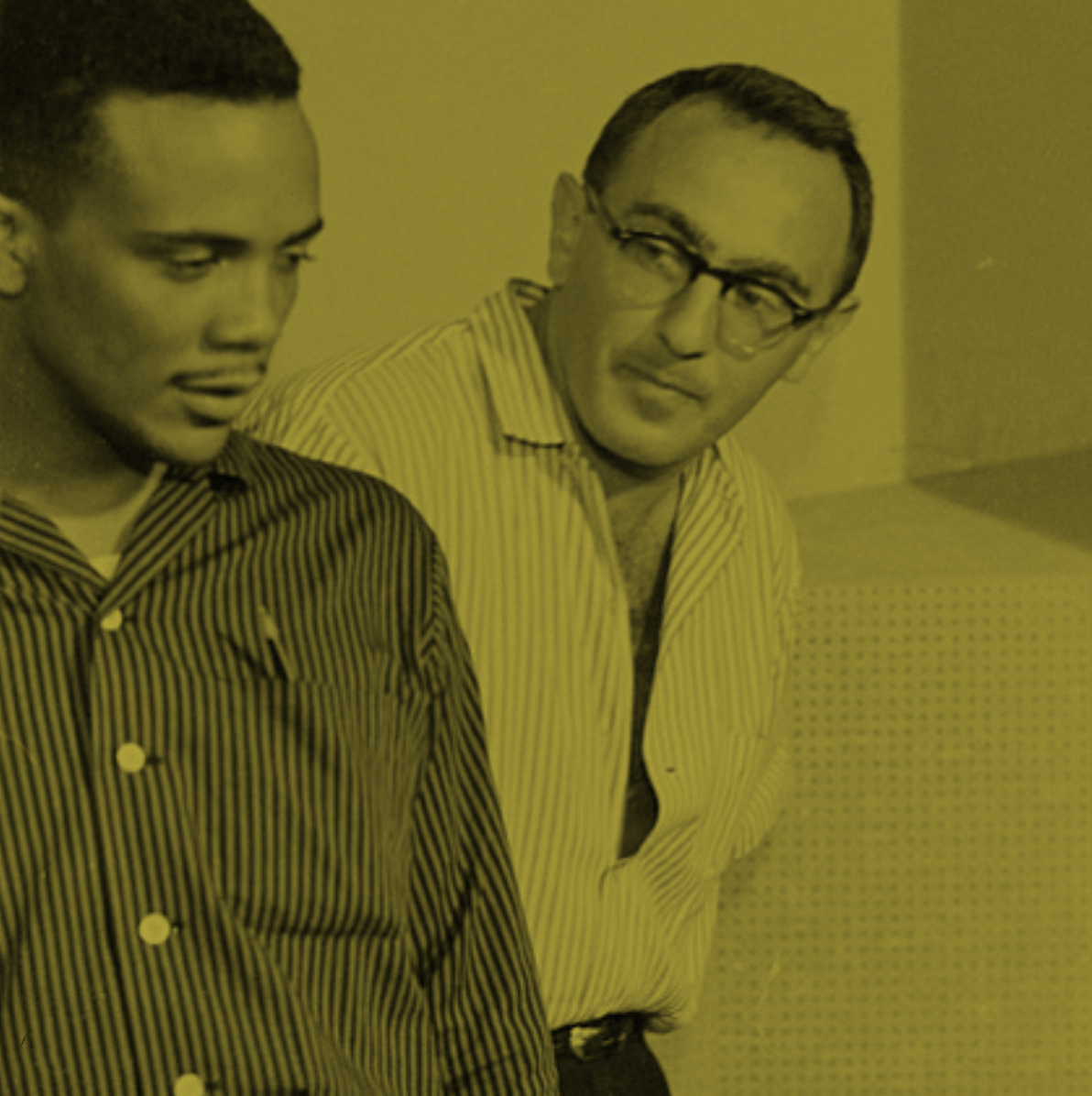
Bob Shad & Quincy Jones
Originally intended as a home for jazz, lounge, soundtracks, and blues, for three glorious acid-tinged years in the late-sixties, Mainstream surprisingly became a haven for small-town psych groups whose music was too eccentric, too unpolished, or simply too daring for the major labels.
By the time the rock counterculture detonated in the late sixties, Shad was pushing fifty. Yet he approached the new music with a combination of scepticism, excitement, and a gambler’s instinct honed across decades of studio work. In modest fashion, he retrospectively downplayed any deep concept behind his support for underground rock and former garage bands:
“
They had songs. They had energy. That was enough”
He was doing what he had always done since his jazz days: recording musicians who he spotted at small gigs or walked into his office with demos and conviction, giving them a few days of studio time, and pressing the results onto vinyl, trusting his instincts.
These now cherished artefacts of a moment when American counterculture flourished were recorded in his jazz tradition: quickly, and with minimal intervention, ensuring the energy transmitted directly to vinyl and the airwaves. The Mainstream psych aesthetic therefore sounds markedly different from the more polished productions of the era.
The recordings straddled both the underground garage rock scene of small town America and the flower-power trends of Sunset Strip and Haight-Ashbury on the West Coast. No endless overdubs, no budget for large orchestras or extended studio sessions to experiment with fancy post-production effects or time to fix any slight mistake. They feel like field recordings of the American counterculture: immediate, unvarnished, unselfconsciously weird and unique.
For many rock historians, its the signing of Janis Joplin to her first recording contract that stands out as Shad’s psych-era launch for Mainstream. After initially being rebuffed by an uncertain Joplin - who was also being courted by the Elektra label - her fellow band members in Big Brother & The Holding Company got her on board for a 1966 Chicago gig where Shad tried again - successfully this time. After the bands appearance at Monterey that Summer of 67 - a couple of flopped singles were quickly forgotten and Mainstream was firmly on the flower-power map: Joplins powerhouse vocals now being an iconic aural reminder of those heady, turbulent times.
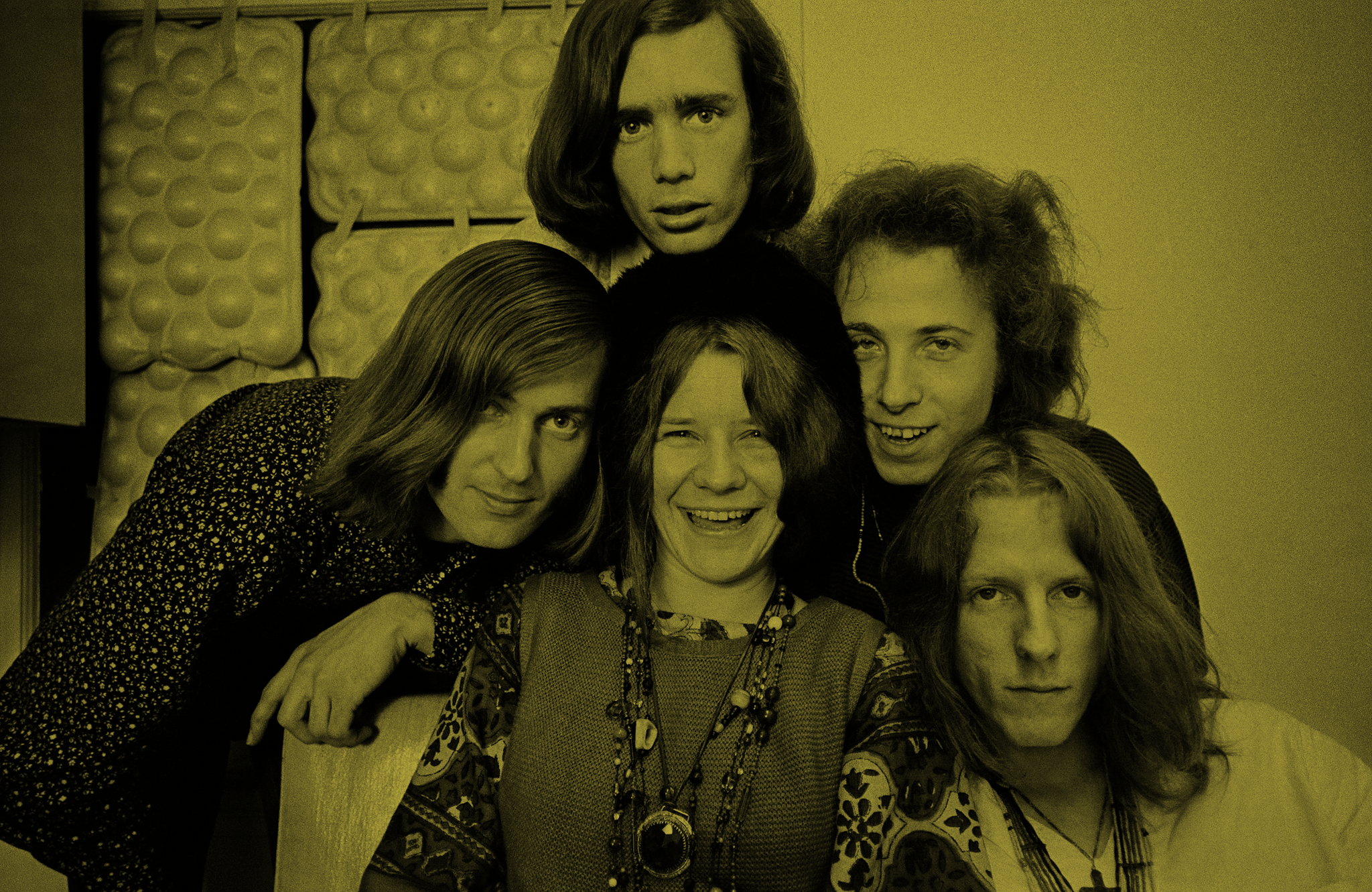
Big Brother & The Holding Company
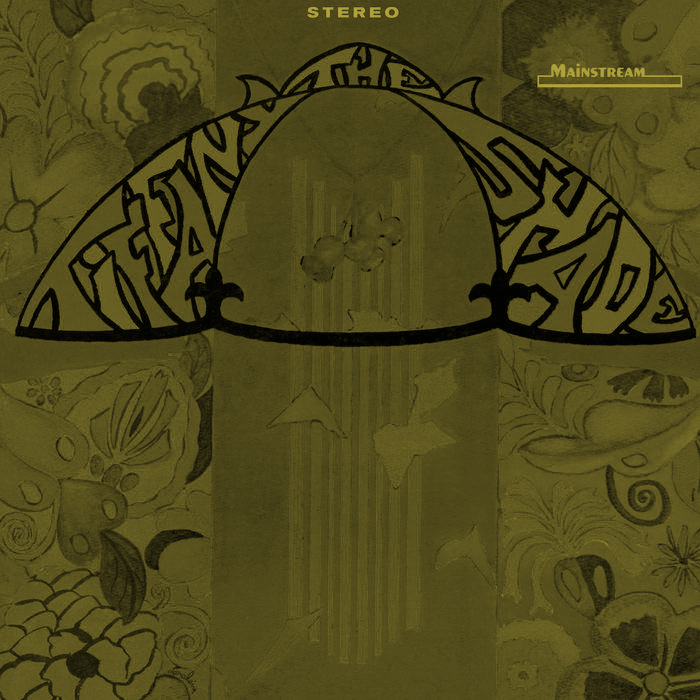
One of the early follow up psych releases on Mainstream came from The Tiffany Shade out of Cleveland, Ohio. A band whose melancholic, minor-key sound reflected neither West Coast sunshine nor British whimsy but the hard grit of America’s mid-west gone psychedelic. Though their album was cut in two days over the course of 2 eight hour sessions. Bassist Robb Murphy recalls perfectly how Shad’s philosophy ensured focus:
“
We really worked hard in the studio even though we didn’t have enough time to do all the things we wanted to do with music… It was a terrific experience looking back on it. It was really a hell of a lot of fun, we loved the idea of being able to overdub even though we didn’t get to do too much of that, it was still fun.”
Where Tiffany Shade sounded rooted in the Midwest, The Art of Lovin’ came out “Bosstown” - Boston’s folk scene. Their 1968 album included the much sampled ‘What The Young Minds Say’ and although far from coffeehouse gentleness, Shad kept the arrangements sparse, highlighting the band’s harmonic sensitivity.
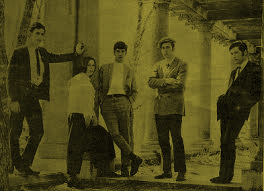
The Art Of Lovin'
If Tiffany Shade and The Art of Lovin’ evoke dreamlike introspection, New Yorkers Stone Circus represent the opposite pole of Mainstream’s psych output: a New York band pushing toward early hard rock. Their 1969 self-titled LP is aggressive, urban, and rhythmically immediate.
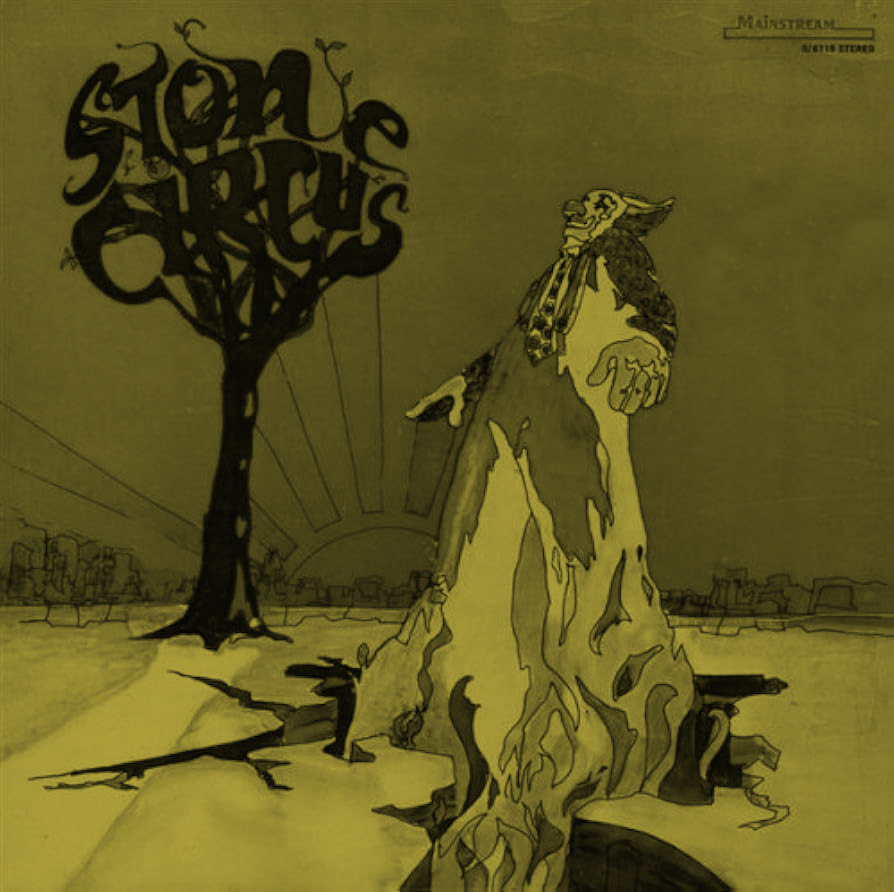
Guitarist David Keeler once again testifies to Shad’s early jazz-band approach to recording the sessions:
“
Bob just wanted energy. ‘Hit it and don’t overthink,’ he said. We cut the album in two days.”
By 1970, the psychedelic moment had begun to fade into heavier drugs and disillusion. Most of the psych bands disbanded, drifted into other careers, or or sadly passed away. The pragmatic Shad shifted Mainstream back toward jazz and soul, releasing many classic sought after rare-groove, fusion and jazz-funk albums.
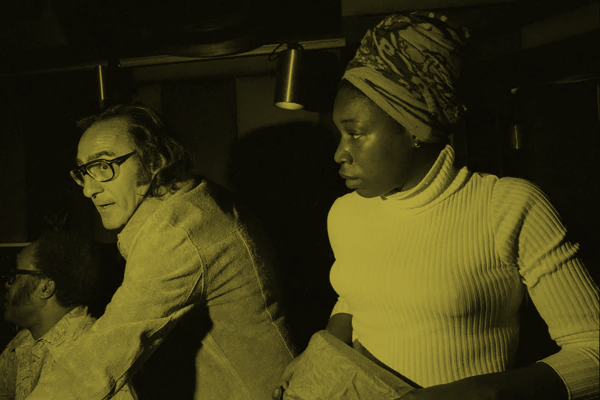
Bob Shad & Alice Clark
The Mainstream Psych catalogue was kept alive by Garage and Psych aficionados on the underground rock scene. Appearances on compilations and a psych revival in the late-eighties led to rediscovery. Reissue labels began tracking down surviving members and many of the albums have now enjoyed a remaster from master tapes where they exist with the iconic artwork reproduced in all its low-budget technicolor glory. Collectors however, still bid hundreds of pounds for original pressings.
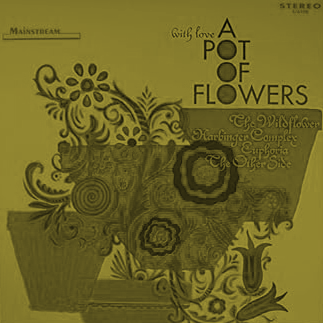
The combination of Shad’s jazz instincts, minimal polish, and commitment to raw performances created a body of work that is now widely prized. These records weren’t shaped by the iconography of psychedelia. They were shaped by the instincts of a man who’d produced jazz legends and blues masters and applied those same principles to young, hungry rock bands in a psychedelic era.
And that is the enduring fascination of the Mainstream psych-era catalogue: the strange, compelling tension between the old-school record man and a revolutionary cultural happening, a friction that gave birth to some of the most unique and collectible gems of the era. Bob Shad, the jazz craftsman who had once recorded Charlie Parker inadvertently preserved another vital kind of American music.