

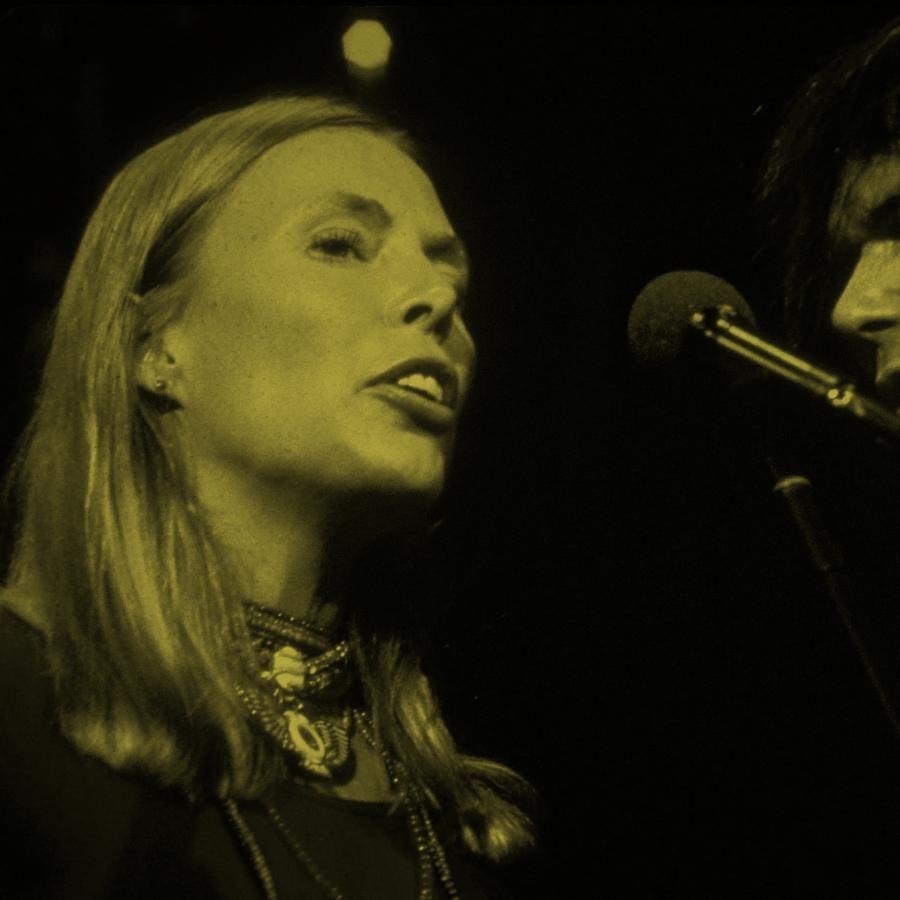
Few countries have produced as remarkable a tradition of folk music and singer-songwriters as Canada. Although overshadowed commercially by its larger neighbour to the south, Canada's vast landscapes, bilingual culture, Indigenous traditions and strong literary heritage created an extraordinary generation of writers whose songs combined poetry, political awareness, introspection and storytelling.
From the coffee houses of Toronto, Montreal and Vancouver during the early 1960s to international superstardom in the decades that followed, Canadian artists helped redefine what a singer-songwriter could be. “
Some say that no one ever leaves Montreal, for that city, like Canada itself, is designed to preserve the past, a past that happened somewhere else.”
Leonard Cohen
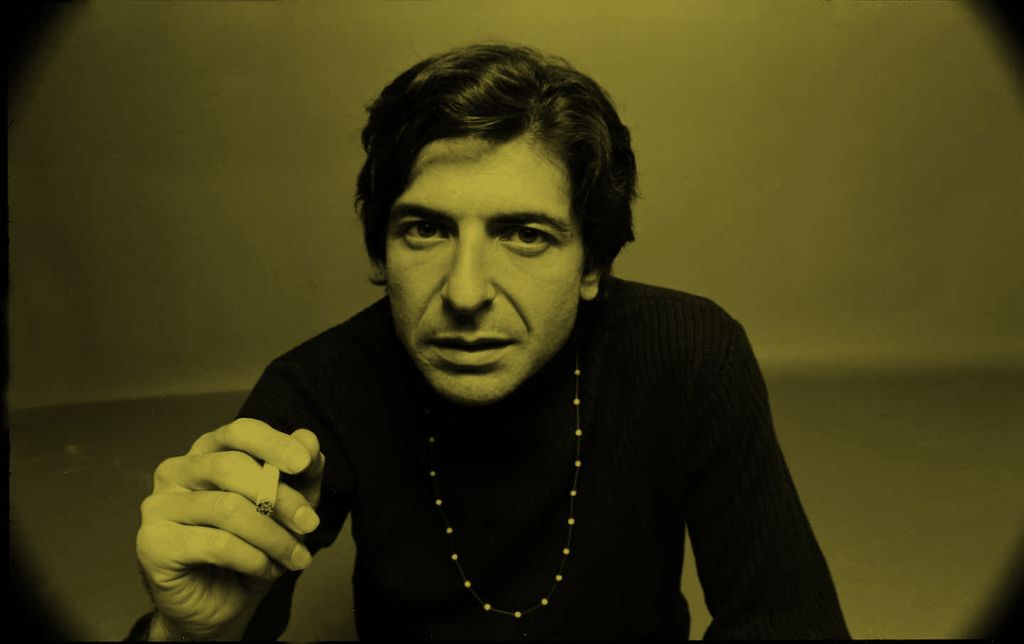
Leonard Cohen
At the heart of the pioneers who emerged during the folk revival stands Leonard Cohen. Born in Montreal in 1934 into a prominent Jewish family, Cohen was already one of Canada's leading poets and novelists before turning to music in his early thirties. Unlike many folk singers, he possessed only modest guitar technique and an unconventional voice, but his lyrical brilliance more than compensated. Albums such as Songs of Leonard Cohen introduced a new level of literary sophistication to popular music, blending Biblical imagery, romance, politics and spirituality. His influence extended far beyond folk into rock, alternative music and contemporary songwriting. Artists from Nick Cave to Jeff Buckley, U2 and Rufus Wainwright have all acknowledged their debt to Cohen's work.
“
My childhood was very difficult. I had every childhood disease and then some, but my parents didn't mollycoddle me. They left me to fight those battles on my own. I guess that was very Canadian, very stoic. But it's good. I had to become a warrior.”
Joni Mitchell
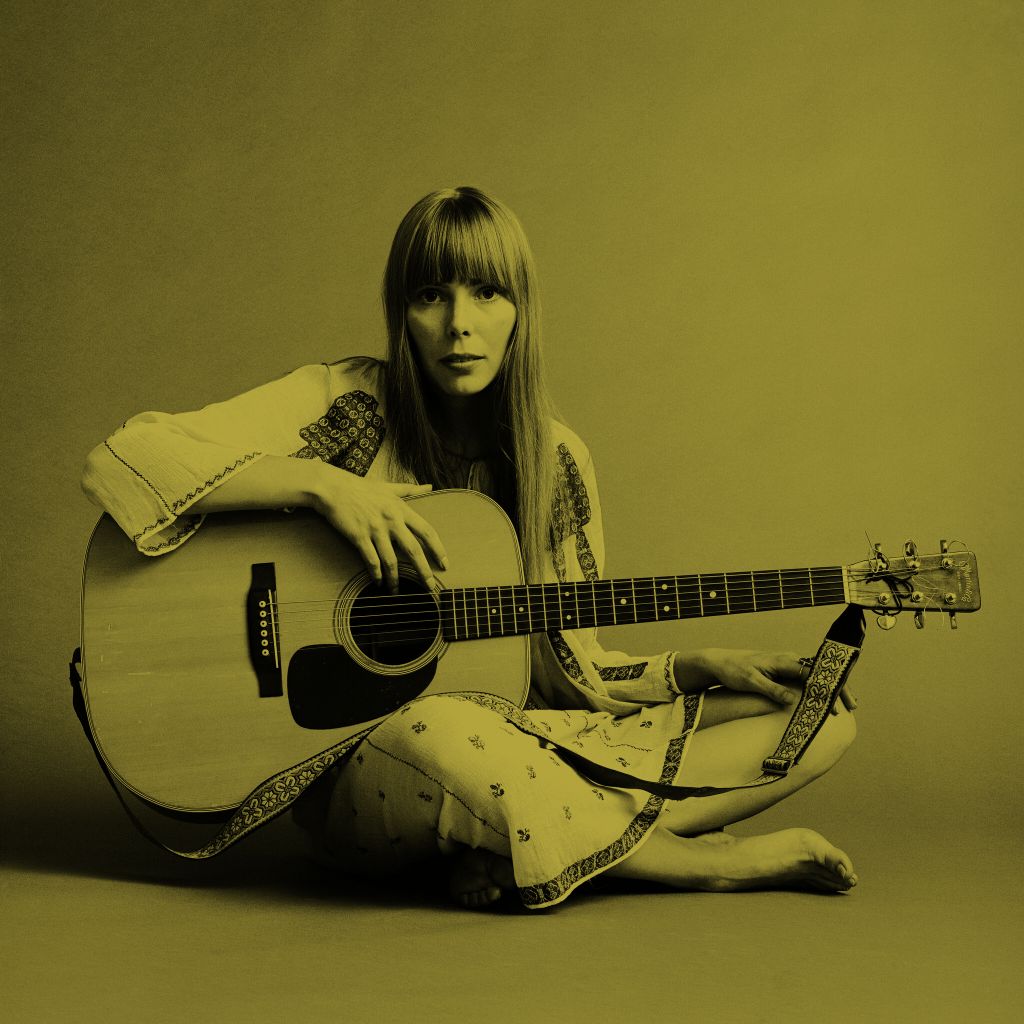
Joni Mitchell
Born Roberta Joan Anderson in Fort Macleod, Alberta, and raised in Saskatchewan, Joni Mitchell emerged from the same coffee-house circuit before relocating to California during the late 1960s. Mitchell constantly reinvented herself, moving from folk into jazz, sophisticated pop and experimental composition. Her use of alternate guitar tunings, complex harmonies and deeply personal lyrics permanently expanded the vocabulary of popular music. She truly deserves her status as one of modern music’s true geniuses.
“
There are some people who say that I’m not a true Canadian because I roam the earth. To me, that’s the most Canadian thing to do is roam the earth.”
Neil Young
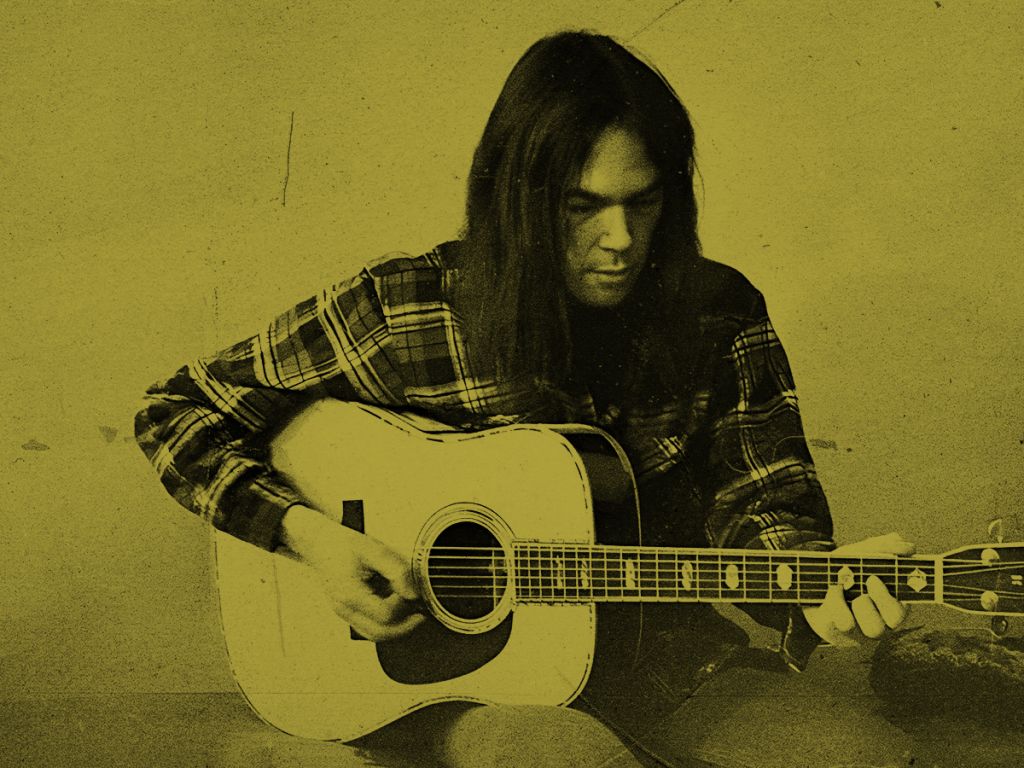
Neil Young
Neil Young followed a different path. Born in Toronto but raised partly in Winnipeg, Young became fascinated with rock and electric guitar while retaining folk roots throughout his career. His self-titled debut introduced songs that combined surreal imagery with emotional vulnerability. Whether recording acoustic masterpieces like Harvest or distorted guitar epics with Crazy Horse, Young explores everything from alienation, environmental concerns and the search for authenticity. Despite his vocal style being known as ‘an acquired taste’ - few artists have balanced intimacy and raw power so successfully and he had no problem easing into the harmonies of Crosby, Stills & Nash upon joining them for the classic Deja Vu album.
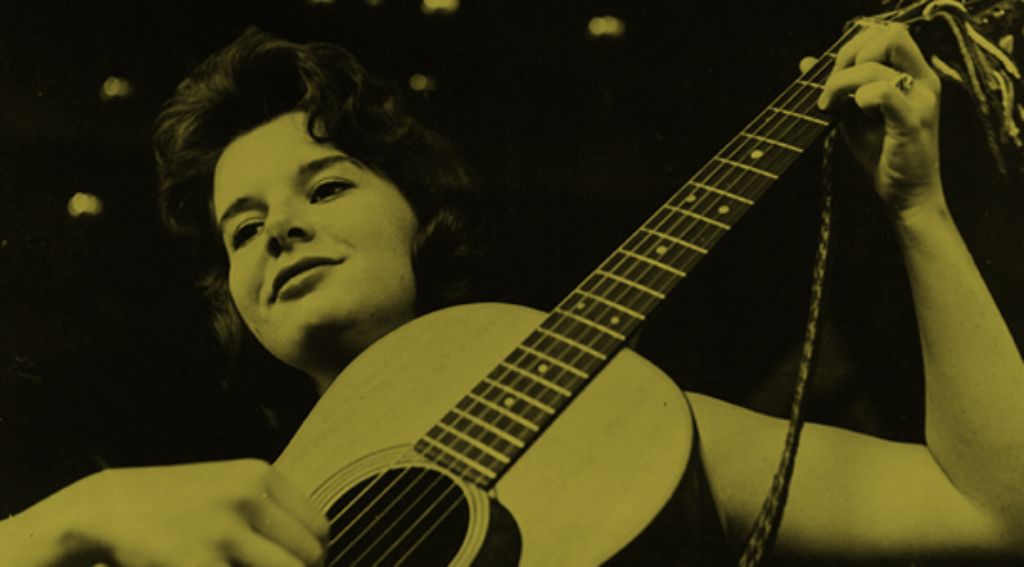
Bonnie Dobson
Several artists never achieved the above level of comparable international fame but remain essential figures within Canada's folk tradition. Bonnie Dobson became one of the leading voices of the Toronto folk revival. Born in Toronto in 1940, she was admired for her pure soprano and interpretations of traditional material, while also writing original songs. Her anti-war anthem Morning Dew became one of the defining songs of the 1960s after being covered by artists including Fred Neil, Tim Rose, the Grateful Dead and Jeff Beck.
“
You have to understand that I never thought I would have a career in music. That kind of thing didn't happen. Not for women, not in Canada, not in the 1960s. It was something I did for fun.”
Anne Murray
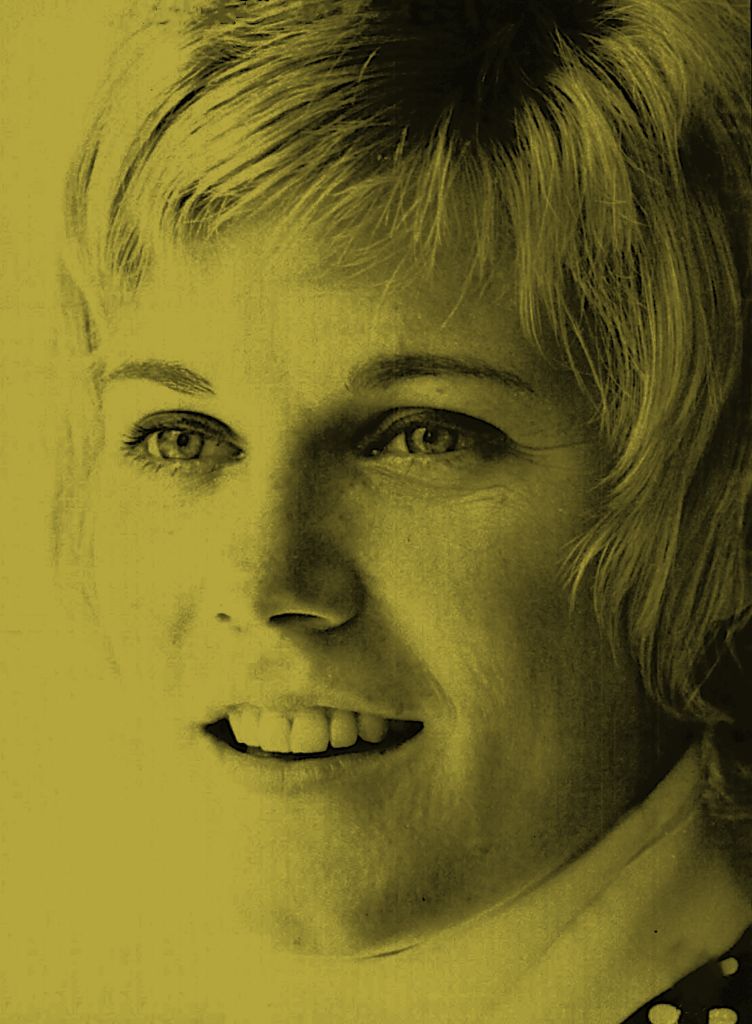
Anne Murray
Anne Murray occupies a fascinating position within Canadian music. Although later known primarily as a country-pop superstar, albums like Honey, Wheat & Laughter reveal her roots in the singer-songwriter movement. Born in Springhill, Nova Scotia, Murray became the first Canadian female solo singer to achieve major success in the United States. Her warm contralto voice and understated delivery brought songs by Canadian writers to huge audiences while opening international doors for later Canadian performers.
One of the great rediscoveries of recent years is Beverly Glenn-Copeland. Born in Philadelphia but relocating as a teen to Montreal, Glenn-Copeland recorded his self-titled album in 1970. Decades ahead of its time, the record blended folk, jazz, soul and philosophical lyricism. After years of relative obscurity, his work found a new audience in the 2000s, leading to acclaimed reissues and international tours. Glenn-Copeland's later electronic masterpiece Keyboard Fantasies has since become recognised as a landmark recording.
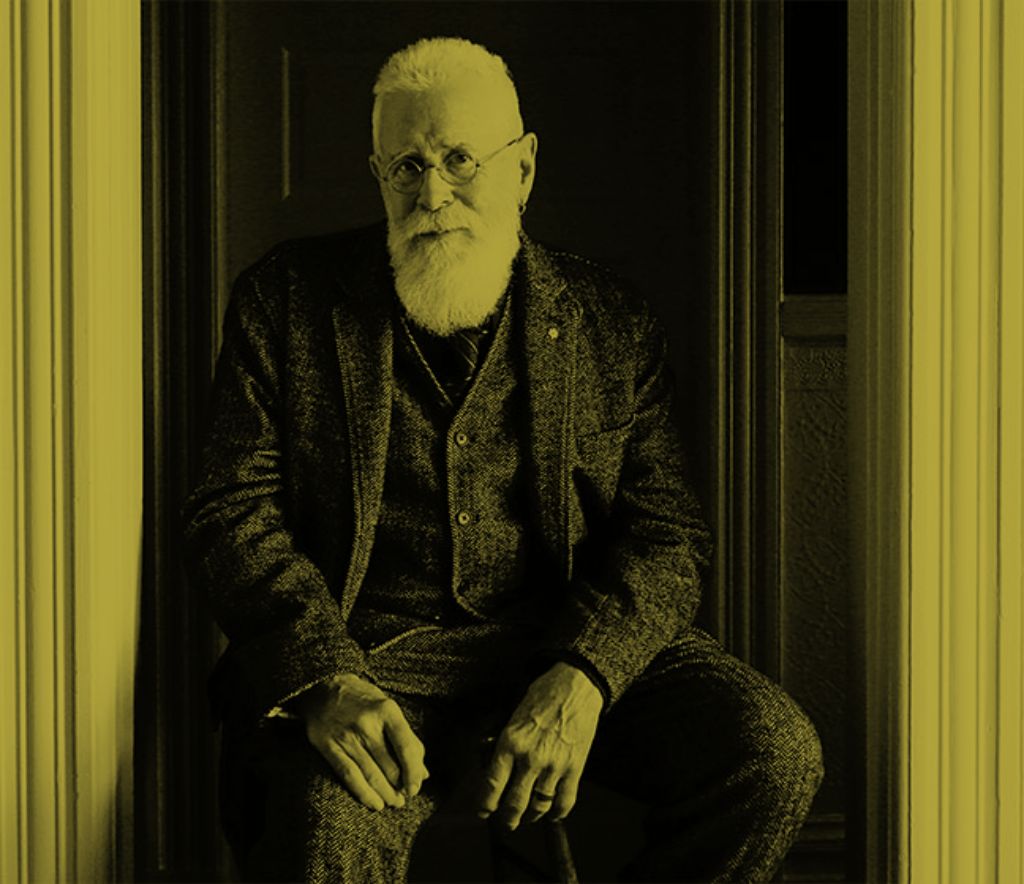
Bruce Cockburn
No artist better embodies thoughtful Canadian songwriting than Bruce Cockburn. Born in Ottawa in 1945, Cockburn developed a unique synthesis of folk, jazz harmony and world music influences. His guitar playing is among the finest in acoustic music.
The duo Ian & Sylvia were instrumental in placing Canadian folk on the international stage. Ian Tyson, from British Columbia, and Sylvia Fricker, from Ontario, formed one of the defining partnerships of the early 1960s folk revival. Performing alongside Bob Dylan, Joan Baez and Peter, Paul and Mary in New York's Greenwich Village, they helped introduce Canadian songwriting to American audiences.
“
Canada has never had a star in the real sense of the word. They've had people big in Canada and nowhere else, but only two Canadians have stayed there, made it there and made it elsewhere. There's me and Gordon Lightfoot.”
Anne Murray
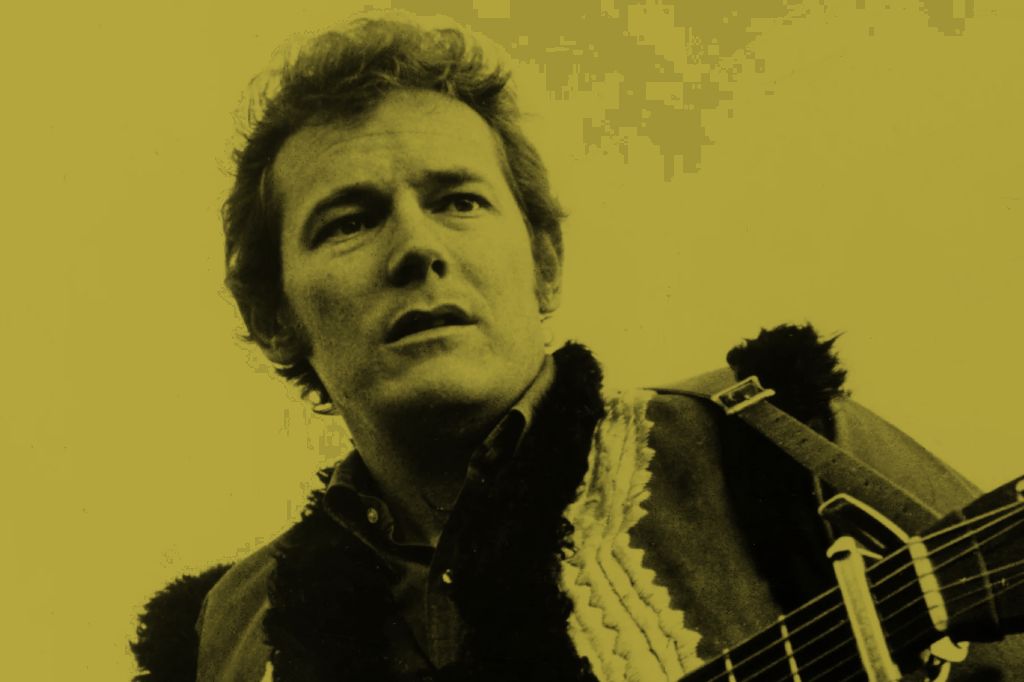
Gordon Lightfoot
Gordon Lightfoot remains one of Canada's greatest storytellers. Born in Orillia, Ontario, he developed from coffee-house performer into one of North America's finest songwriters. His elegant baritone and intricate guitar work produced classics including Early Morning Rain, If You Could Read My Mind, Sundown and The Wreck of the Edmund Fitzgerald. Lightfoot influenced generations of American writers including Bob Dylan, who publicly described him as one of his favourite songwriters.
Similarly obscure but fascinating is Rodier-Gauthier, whose French-language recordings illustrate the richness of Quebec's folk tradition. Quebec developed its own parallel singer-songwriter movement, influenced equally by French chanson and North American folk music.
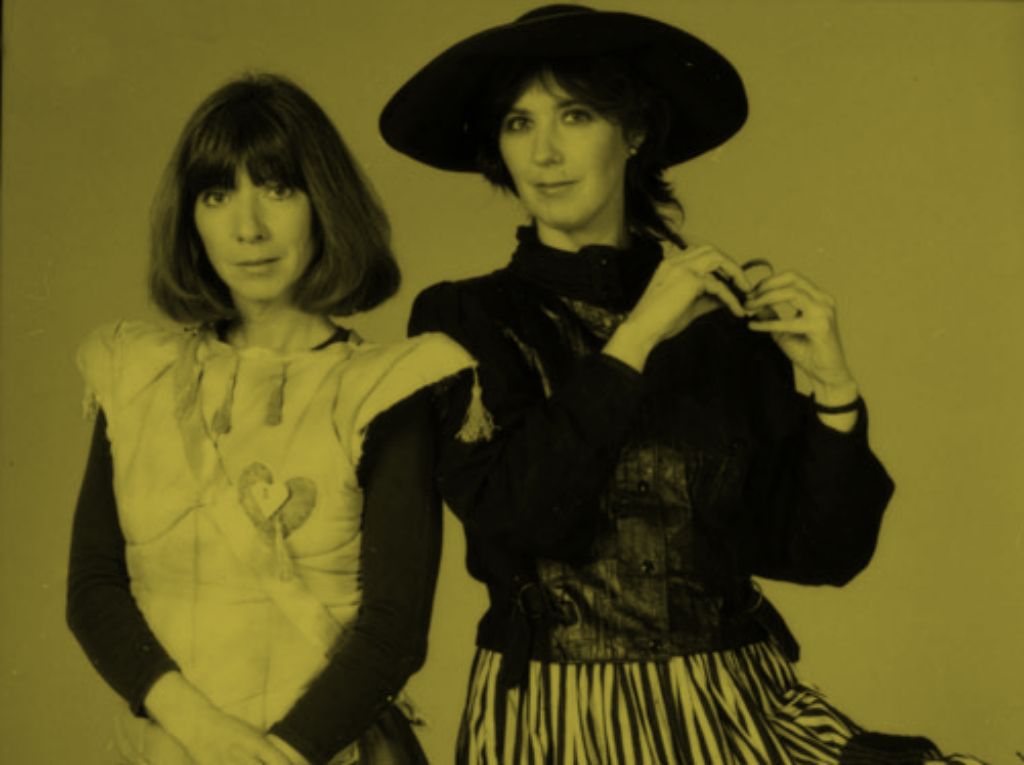
Kate & Anna McGarrigle
The wonderful Kate & Anna McGarrigle also brought a distinctly Quebecois flavour to North American folk. Raised in Montreal in a bilingual family, the sisters blended French and English repertoire with exceptional vocal harmonies. Their musical legacy continues through Anna's children, Rufus and Martha Wainwright.
Stan Rogers, although born in Ontario, became synonymous with Atlantic Canada - inspired by his trips to Nova Scotia. His magnificent baritone and historical storytelling celebrated maritime life, working people and Canadian identity. Songs such as Northwest Passage, Barrett's Privateers and The Mary Ellen Carter have entered Canada's cultural consciousness almost as modern folk standards. His tragic death in an aircraft fire in 1983, aged only 33, robbed Canada of one of its greatest songwriters.
Taken together, these artists reveal that Canadian folk is far more than acoustic guitars and gentle melodies. It is a tradition shaped by vast geography, bilingual culture, Indigenous influence and political awareness. Whether through Cohen's poetry, Mitchell's harmonic innovation, Young's restless experimentation, Cockburn's conscience, Lightfoot's storytelling or the intimate voices of lesser-known treasures like Roger Rodier and Beverly Glenn-Copeland, Canadian singer-songwriter influence continues to resonate across contemporary folk, indie rock, Americana and alternative music.