

“
People don't really know what library music is... and basically it's just stock music that you can use off the shelf for a film or a TV series that you're using. That basically was my career.”
Alan Hawkshaw
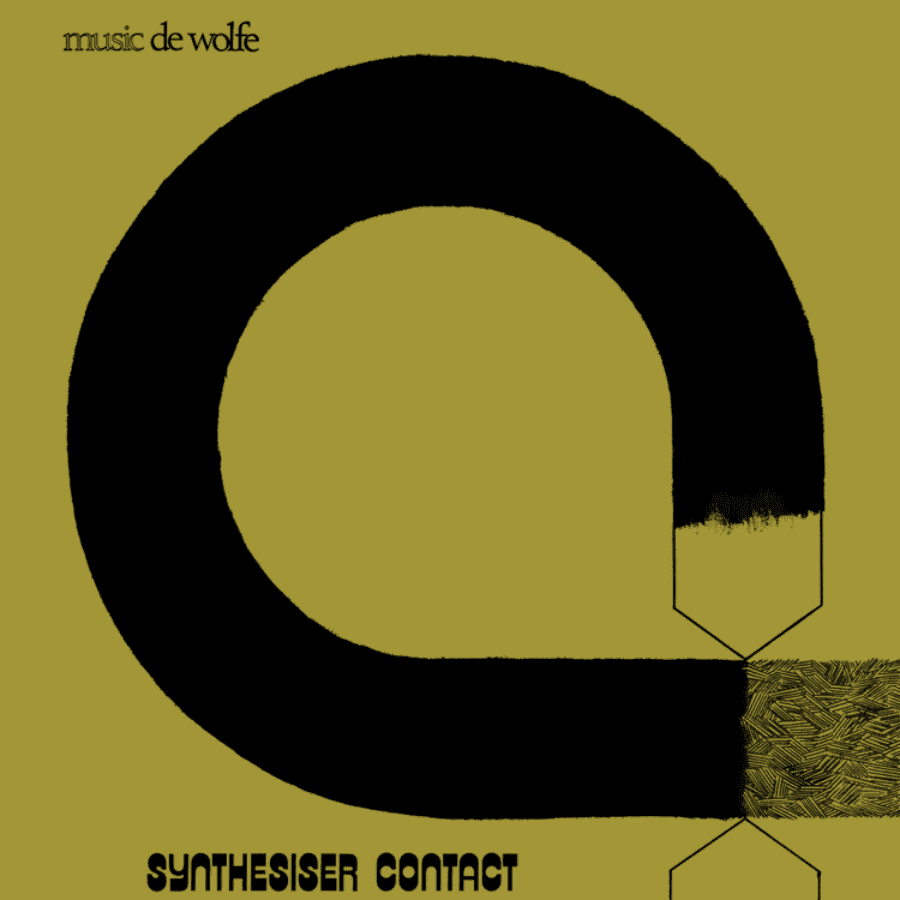
Electronic library music occupies one of the more obscure corners of recorded music. It was created as a practical musical resource: music for television, documentaries, films, advertising, radio, corporate productions, news programmes and countless other applications where a producer needed the right sound without commissioning an entirely new score. Yet in key territories this supposedly functional music became one of the great laboratories of post-war electronic experimentation.
Library music developed from the commercial publishing system of the early twentieth century. Publishers realised that broadcasters and filmmakers needed enormous quantities of inexpensive, easily licensed music. Rather than commissioning a composer every time, they could consult a catalogue and select a suitable track “off the shelf” as it were. The composer received payment and royalties, while the publisher acquired a vast stock of music that could be licensed repeatedly.
The post-war expansion of television transformed the business. Every documentary, current-affairs programme, travel film, science programme and commercial required music and the growing international production-library industry realised they could help supply it. Britain became particularly important, with companies such as Chappell, De Wolfe and Bruton developing enormous catalogues covering everything from orchestral drama and jazz to comedy, suspense, contemporary electronics and experimental sounds.
A perfect British example would be Alan Hawkshaw, one of the great figures of the library-music world. Hawkshaw was an extraordinarily versatile musician whose career crossed jazz, pop, film, television and electronic music. His library work demonstrates how sophisticated musicianship could coexist with the commercial and often times ‘background’ aesthetic requirements of production music for visuals,
“
With an orchestra, I write for the present to illustrate the familiar; with the machine, I write for the future to explore the unknown.”
Roger Roger
By the late 1960s and 1970s, synthesizers, electronic percussion, sequencers, tape effects and increasingly sophisticated studio equipment were transforming the palette available to composers. Library records became a place where musicians could experiment with sounds that might have seemed too strange for conventional pop releases and were especially in demand for sci-fi TV, modernistic theme tunes, science and nature documentaries, industrial workplace training videos, etc.
France developed its own particularly distinctive production-music culture. Tele Music became one of the great names in French library music, producing recordings for television, advertising and film that often combined sophisticated orchestration with the latest electronic technology. The French industry was helped by the country's particular broadcasting environment. Domestic-content requirements encouraged broadcasters to use French-produced material, creating a strong market for local composers, publishers and studios.
“
I would say that at the time it was a laboratory for crazy scientists like me to create something else than what the majors and media were promoting. The idea for most of us was to create new sounds. It was really much an experience rather than a career.”
Bernard Fevre
French library records could move effortlessly between jazz-funk, psychedelia, musique concrète-inspired effects, synthesizer music and futuristic electronic soundscapes. Bernard Fevre in particular has become something of a cult figure among collectors largely due to his Black Devil Disco Club tracks being reissued by Aphex Twin related label Rephlex in 2004. His mysterious electronic recordings recorded mostly using the classic MiniKorg 700 and clavinet later eventually attracting listeners far removed from the television and production environments for which they were originally created.
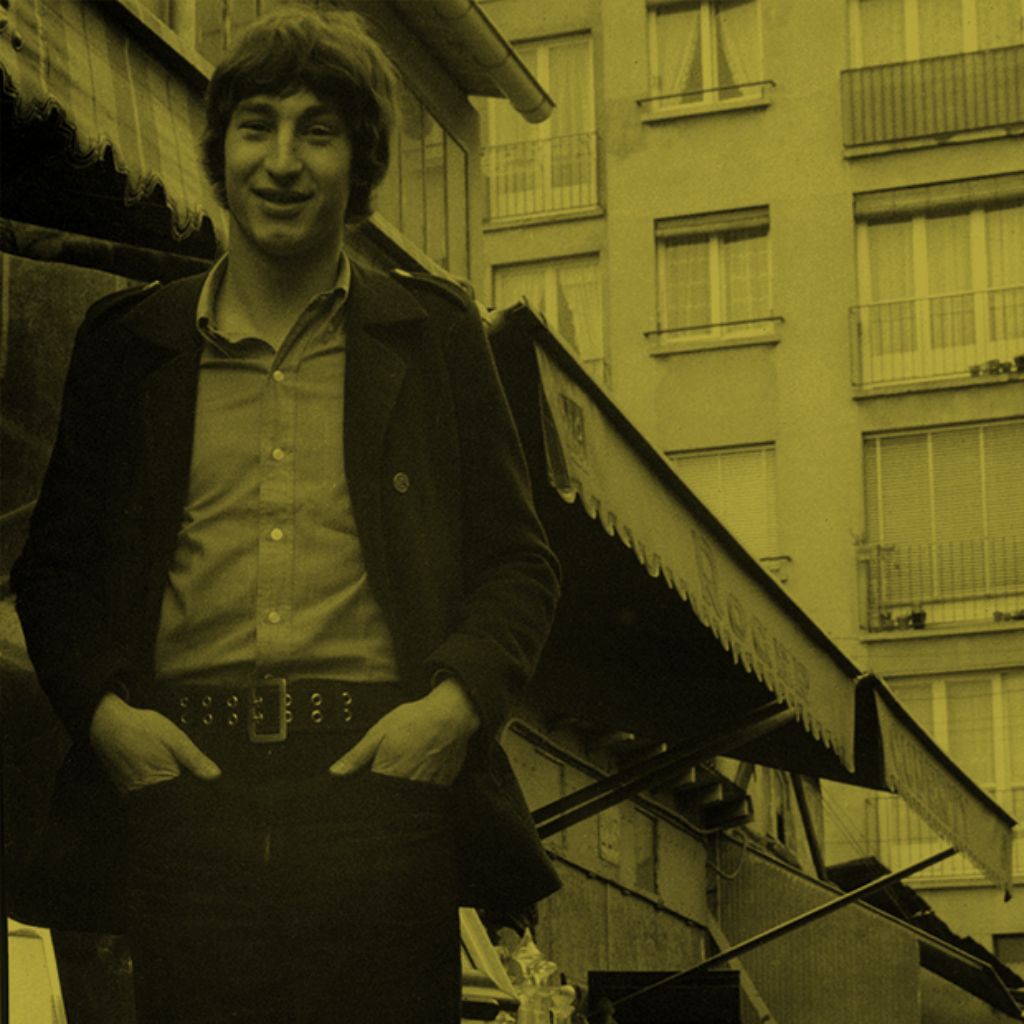
Bernard Fevre
Italy presents another fascinating case. Italian library music developed alongside the country's extraordinary cinema and television industries. Legendary Italian composers such as Nino Rota and Ennio Morricone were already accustomed to writing music that could serve a visual narrative, and the boundary between film scoring, television music, advertising and library composition was often extremely fluid.
“
In the library world, anonymity was our greatest shield. It gave us the absolute freedom to play jazz one day and act like a mad professor with a synthesizer the next, all without confusing the film producers.”
Piero Umiliani
Piero Umiliani is perhaps the most famous name here. His career encompassed jazz, film music, pop, electronic experimentation and library work. Alessandro Alessandroni, famous for his extraordinary whistling as well as his work as a composer and arranger, similarly moved between cinema, popular music and production music. Giampiero Boneschi, Fabio Fabor and Gianni Safred belong to the same remarkable Italian ecosystem in which composers could combine orchestration, jazz musicianship and electronic technology with an almost laboratory-like approach to sound.
Italy's library records consequently became particularly adventurous. The availability of excellent musicians, recording studios and a thriving film industry meant that composers could produce music combining Moog synthesizers, electric piano, percussion, strings, brass and experimental studio effects. What sounds today like deliberately “retro-futuristic” music was often simply the practical result of composers having access to new technology and being asked to imagine the sound of the future.
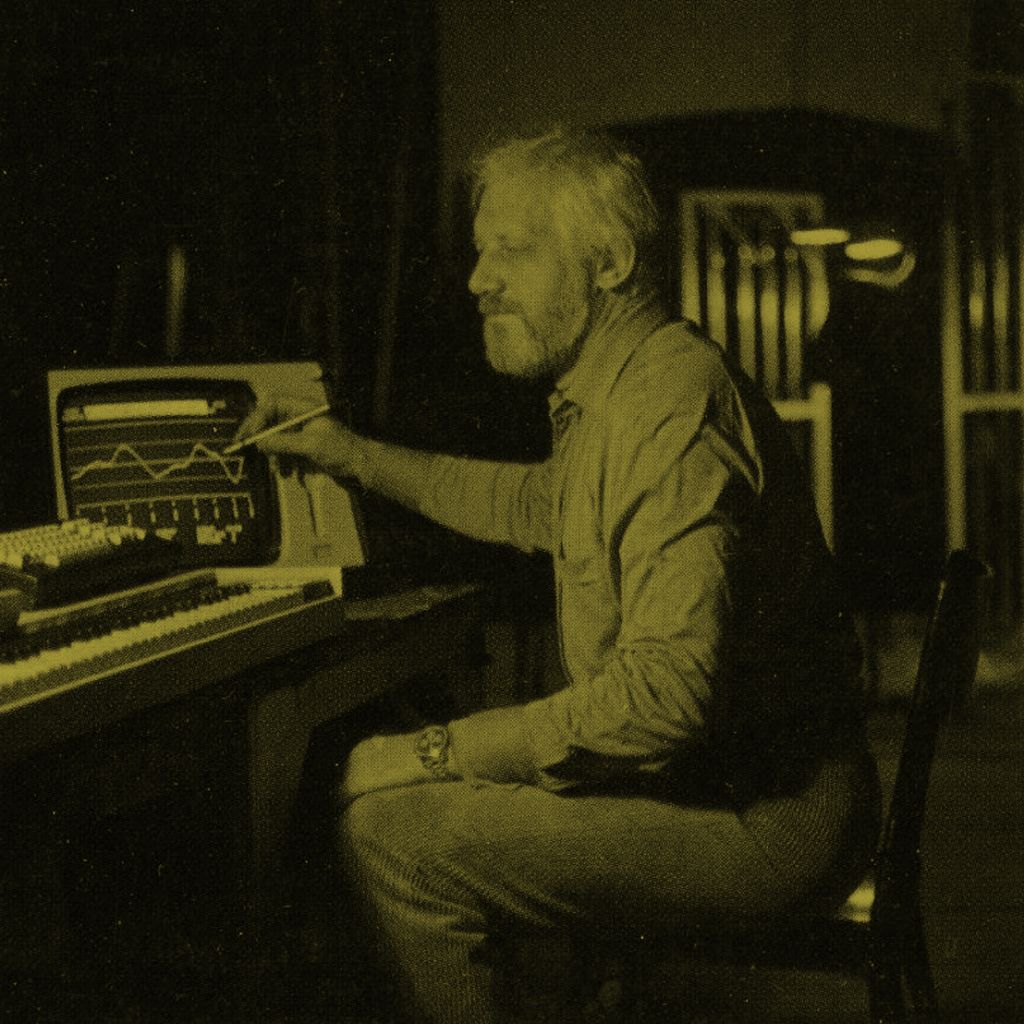
Claude Larson
Germany developed another major library tradition, represented by composers Klaus Weiss, Claude Larson, Gerhard Trede, Eugen Thomas on labels such as Sonoton and Selected Sound. German production music frequently embraced electronic precision and studio technology, with synthesizers, sequencers and drum machines producing a technological aesthetic. The music could evoke science, industry, space travel, computers and modern architecture — precisely the imagery required by television documentaries and corporate films during the 1970s and 1980s.
“
Library music isn’t written to demand the listener’s absolute attention; it is designed to paint a precise backdrop. The goal is to translate abstract concepts—like technology, space, or plant life—into a functional texture that perfectly mirrors a visual landscape.”
Klaus Netzle aka Claude Larson
This international character is one of the most fascinating aspects of library music. A French television producer, German documentary maker or British advertising agency could all draw from catalogues containing music produced in different countries. The records therefore circulated internationally even when their composers remained almost completely unknown to the public. Chappell for example had a Chappell International Library series and French department in addition to it’s domestic British operations. Original Library releases were often recycled under different titles and artist names across the differing territories.
This was possible as artist anonymity was fundamental to the system. Library composers frequently worked under pseudonyms or aliases, sometimes because they were prolific musicians working simultaneously for several publishers, sometimes for awkward contractual exclusivity reasons and sometimes simply because publishers wanted a particular name or identity attached to a stylistic series.
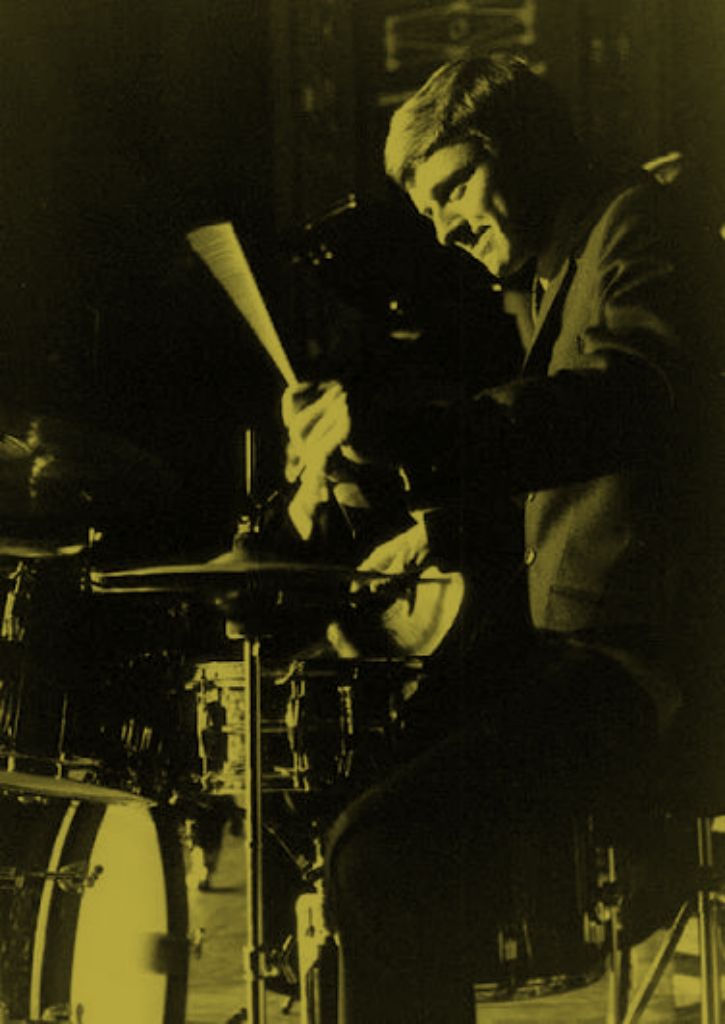
Klaus Weiss
A composer might therefore have a respectable career under their own name while producing electronic, disco, jazz or experimental material under another. This makes library discographies notoriously difficult to untangle and has also contributed enormously to their mystique among collectors. French composer Roger Roger for example had various pseudonyms such as Cecil Leuter, Stringtronics, Eric Swan, etc. Edouard Scotto Di Suoccio used the names Yan Trigger, David Wescott, Ron Capone, M.B.T. Soul, Soul City and more.
Library albums weren't necessarily marketed as albums in the normal sense. They were essentially catalogues of usable cues. A television producer might require thirty seconds of tension, a minute of futuristic electronics or two minutes of upbeat corporate music. The track therefore had to communicate quickly and establish an atmosphere immediately. Library composers had to be adept at creating concise musical ideas, distinctive textures and highly functional arrangements. It required a particular type of composition and arrangement skill not in every composers repertoire - leading to a relatively small circuit of composers dominating the scene.
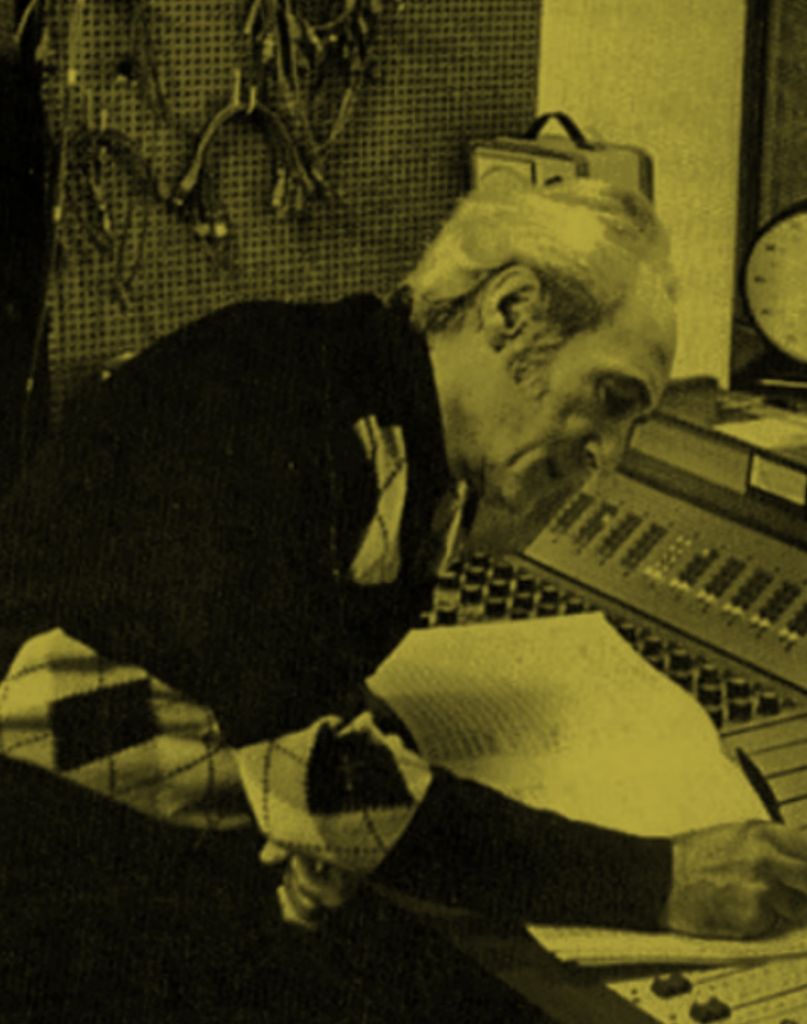
Roger Roger
The irony is that this functional purpose often encouraged experimentation. Library composers did not necessarily need to satisfy a pop audience, maintain a public image or produce a hit single. Their music could be strange because its purpose was simply to sound right for a particular image.
By the late 1970s and 1980s, electronic instruments had become increasingly central. Astral Sounds, Bernard Fevre, Claude Larson, James Asher and many others explored synthesizers, electronic rhythms and studio effects. The music increasingly anticipated the soundtracks of imagined futures: computers, satellites, industrial landscapes, scientific laboratories and urban environments.
Library music was designed to be useful rather than famous, yet its very lack of commercial constraints allowed composers to explore sounds that conventional popular music sometimes avoided. DJs, crate-diggers and beat-makers discovered that these records contained killer, superbly recorded drum breaks, synthesizer passages and sound effects unavailable elsewhere. Sampling culture further transformed this intentionally anonymous production music into source material for new generations of artists.