

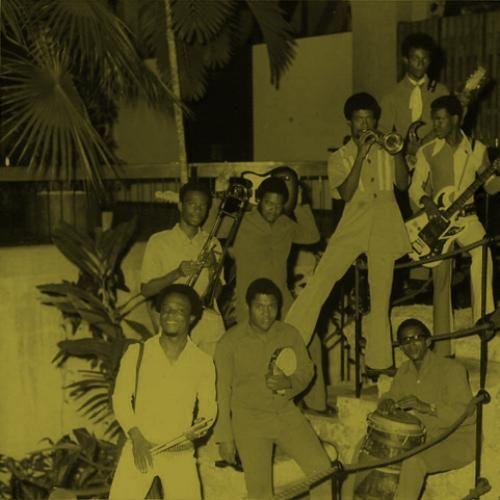
Caribbean music is a kaleidoscope of micro-genres thanks to its island geography, physical proximity to the US and cultural legacy of colonialism. In the seventies, the Caribbean was naturally best known for Jamaican Reggae, Afro-Cuban jazz and Carnival time soca - but this overlooks a rich variety that stretched from The Bahamas to Trinidad & Tobago.
Soul, funk and Disco from the US airwaves was particularly influential throughout the Caribbean - but rather than simply replicate, the various Island musicians merged the latest trends with traditional music.
In Trinidad & Tobago artists like Lord Shorty fused calypso with funk creating a soca hybrid that proved especially popular in diaspora carnivals in the UK, whilst a hybrid jazz language was developed by the late musician Clive Zanda. A major intellectual figure in Trinidadian jazz, Zanda explicitly theorised what he called “kaiso jazz” - arguing Caribbean improvisation should not imitate US jazz but emerge from calypso phrasing.

Cliva Zanda
“
I wanted to create a music that reflected where I came from.”
Cliva Zanda
Trinidadian musicians and bands often covered popular contemporary compositions taking in a wide range of global influences. Although covers of US funk tracks predominated - such as Amral’s Trinidad Cavaliers version of Kool & The Gang’s ‘Funky Stuff’, Ed Watson also took inspiration from Nigeria with his cover version of the Fela Kuti call to arms ‘Roforofo Fight’.
Trinidadian bands in particular kept a strong homegrown identity keeping the calypso delivery, carnival function and merging traditional local groove rather than replacing it wholesale. Soca therefore emerged from calypso as recognisably Trinidadian even when heavily funk-influenced.
Later in the seventies, Disco emerged from inside the calypso scene with local female vocalists excelling at soulful phrasing over a merging of genres that seemed made for each other. Calypso Disco tracks also appeared from elsewhere in the Caribbean - best exemplified by the Nassau recorded gem ‘Nassau’s Discos’ by Muchos Plus.
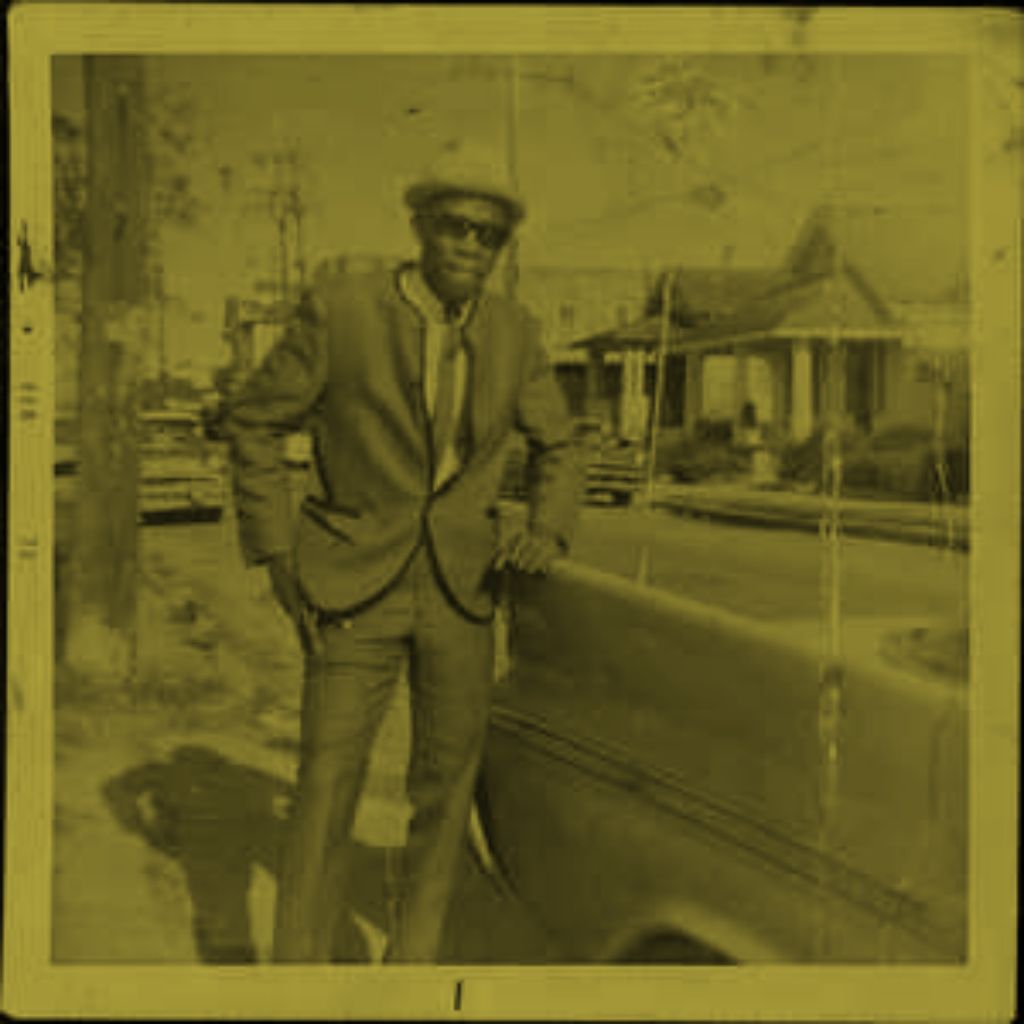
Muchos Plus
The title reflects late-70s Nassau club culture directly. Being closer to the US in proximity, Nassau had an especially strong tourist disco scene. Even in 1971 the islands Beginning of the End band had a global hit with the early calypso funk hybrid “Funky Nassau’ to which Muchos Plus pay full homage.
The Bahamas modern music developed from the local tradition of Junkanoo - a major Afro-Caribbean street festival built around parade music, costumed processions, drumming, cowbells, whistles, and dance. It creates a very dense, percussive pulse that differs from calypso or reggae because rhythm dominates over melody.
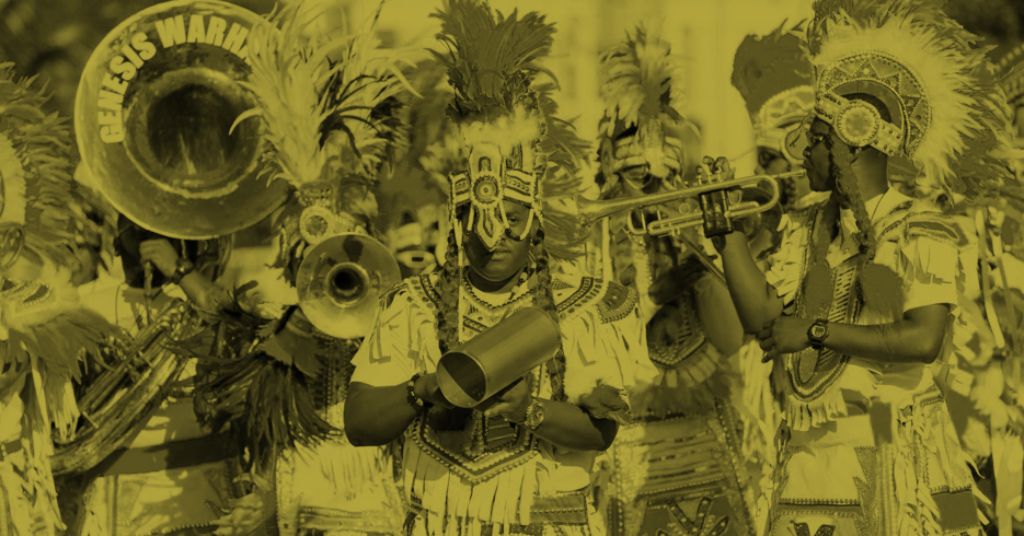
Junkanoo - Bahamas
Outside of this Bahamas club scene, other specific islands also had local scenes due to visiting tourists and cruise ships. Musicians often worked in hotel bands and cruise musical entertainment. Virgin Islands band Eddie & The Movements released Alive and Kicking ‘Disco’ but pressings were very limited in contrast to the success of ‘Funky Nassau’.
Similarly, the Antilles island of St. Martin had a micro-scene that survived on its hotel band circuit with local music industry figure Rodolphe H. Proctor supporting a sound that consciously preserved its homegrown approach to music, even when incorporating outside elements. Proctor’s work with St. Maarten’s The Rolling Tones is associated with an outlook where soul, calypso and funk all sat naturally together because that was the lived sound of the island. “
Music was everywhere — in the homes, on the streets, at every celebration.”
Rodolphe H. Proctor
Bermuda’s culture absorbed both strong British and North American musical influences. Although a British Overseas Territory - a post-War agreement resulted in a large US military presence on this strategic island on the edge of the Caribbean sphere. Local band The Invaders typified these combined influences with their organ-led funk tracks.
Compared to the small music industry infrastructure on these individual islands, Barbados enjoyed a more developed recording scene thanks to a domestic arm of the Jamaican label WIRL (West Indies Records Ltd). They supported local bands including Blue Rhythm Combo, The Checkmates and Magic Circle Express.
The late seventies WIRL releases by these outfits show how Barbados moved into disco without abandoning brass-band traditions of the island, something developed by its school musical education departments. The Bajan tradition of brass heavy dance bands also absorbed the horn-led funk influence from over the airwaves.
Esoteric hybrids emerged on Islands like Guadeloupe where Creole, Latin and Francophile jazz met local drum rhythms and US soul. The island developed one of the most distinctive musical languages in the Caribbean because it sits at a crossroads where French harmonic culture and Afro-Caribbean rhythm meet head-on. This music tradition evolved into Zouk - a sub-genre that incorporates elements from traditional styles found in Guadeloupe and Martinique plus a smattering of Haitian and Dominican music all merged with funk, disco and jazz.
The rhythms are highly sophisticated and its development can be traced through artists such as the Fabiano Orchestra, José Manclière and Martinique musician Marius Cultier, one of the greatest Caribbean keyboard innovators who fused sophisticated jazz-voiced piano with Afro-Martinique rhythms.
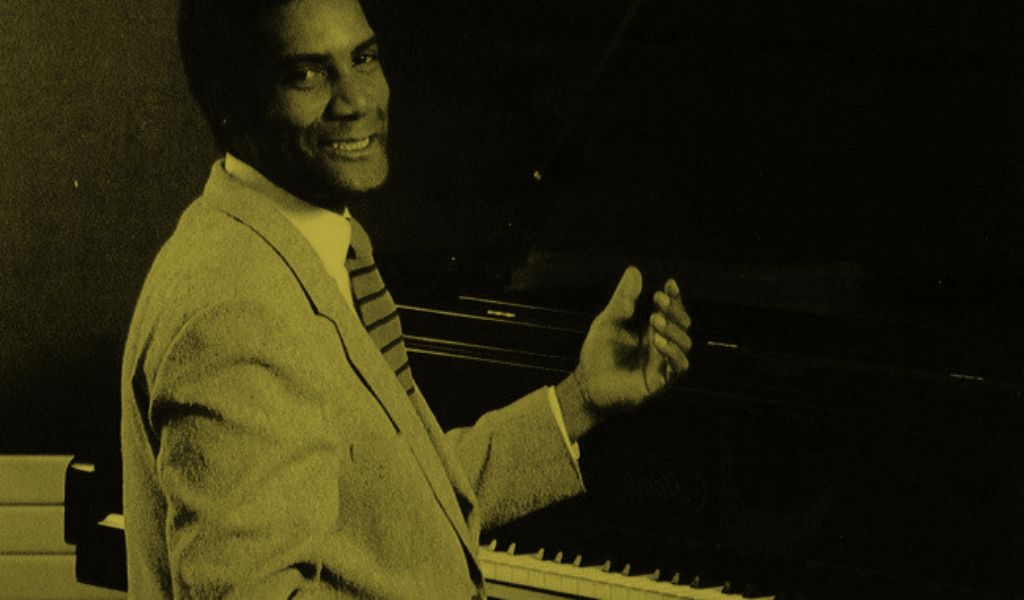
Marius Cultier
“
I want to play the music of all countries — Brazilian, Caribbean, jazz… I am an eclectic being.”
Marius Cultier
Because Guadeloupe was politically tied to France, many musicians had access to formal conservatory training and were exposed to French chanson harmony resulting in a rich harmonic approach often with extended jazz voicings. Throw in the creole influence and the compositions stand out from other more Anglophile Caribbean recordings with their harmonic colour.
Elsewhere, Steel Bands covered the latest hits developing a sophistication far beyond the tourist attraction cliches. A familiar sound for anyone visiting the region, some of the more highly sought-after vinyl releases for beat-collectors are the recordings where these bands tackle funk standards.
The music industries of islands such as Jamaica and Cuba require a wider focus outside this particular special, likewise Caribbean studios such as Compass Point and AIR Montserrat which catered more towards major label bands from overseas. This ROVR Research special therefore shines a light on the wonderful spectrum of esoteric grooves from across the region.