

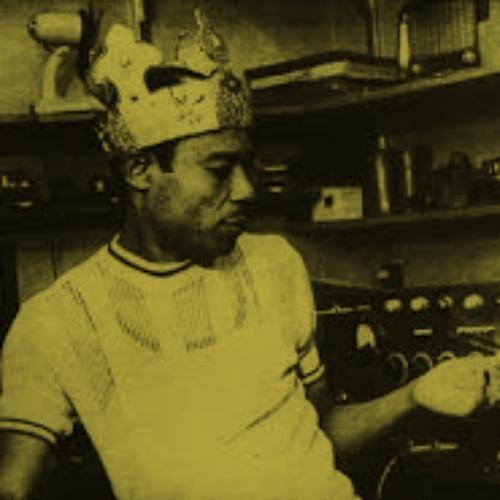
“
The mixer is the instrument.”
King Tubby
1976 was the year Dub came into maturity as a genre within its own right. No longer just a convenient utility for B-sides, it had developed into a recognisable sonic language with its own set of techniques and equipment.
The epicentre was King Tubbys studio at 18 Dromilly Avenue in Waterhouse, Kingston, Jamaica. The combination of producer Bunny Lee and King Tubbys in-house mix engineers inspired an entire genre with repercussions across a vast array of music.
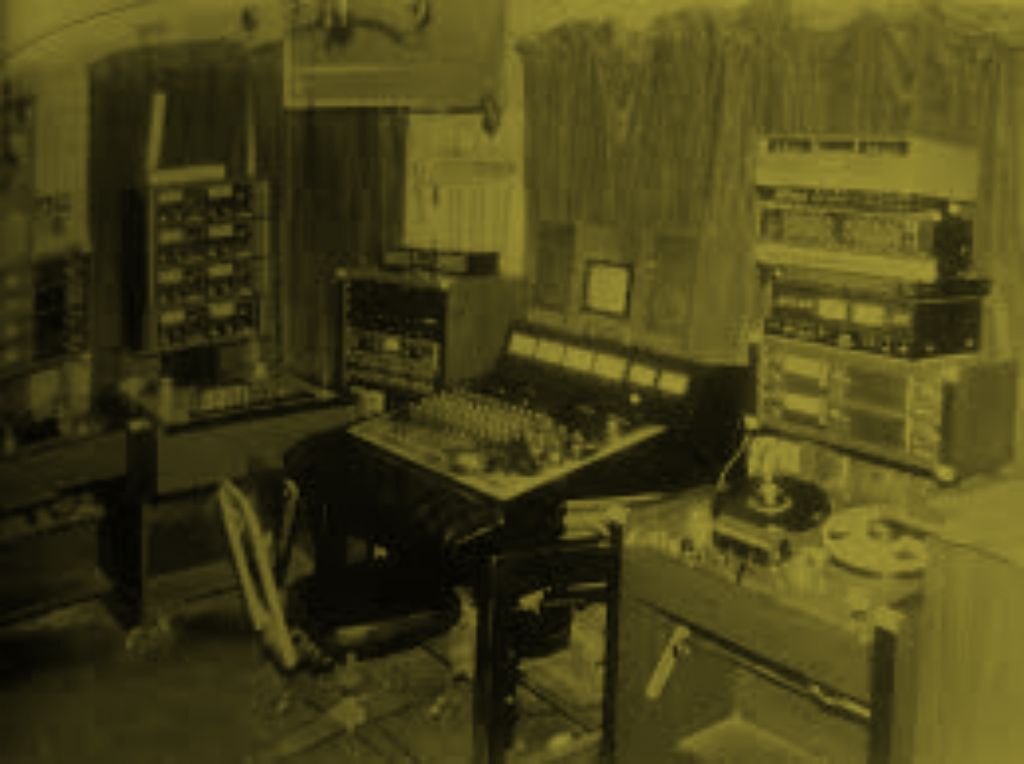
King Tubbys studio.
In addition to King Tubbys, production teams and labels such as Hoo Kim’s Channel One, Lee Scratch Perry’s mystical Black Ark experiments on the Upsetter label and many domestic independent labels utilised the studios for their B-side explorations.
Each production crew had its core in-house band and distinctive sound - recognisable to the Dub connoisseur despite the stripped down nature of the ‘riddims’. Selectors no longer just eagerly scanned releases for their favourite vocalists or rhythm sections - but were now checking out the “Versions” on the B-side for their choice of dub mix engineer.
A favourite pastime for Dub obsessives to this day is to identify the particular engineer from the idiosyncrasies of the techniques and tricks used - a difficult task as multiple engineers often worked out of the same studio with the same technical setup. But the sharp eared can often recognise a mixer from the arrangement or trademark usage of studio effects.
For labels out of the Bunny Lee/Tubbys sphere such as Justice, Jackpot, Jaguar, Attack - the in-house band was often named The Aggrovators - albeit with multiple variations on the spelling as is often the case on domestic Jamaican releases.
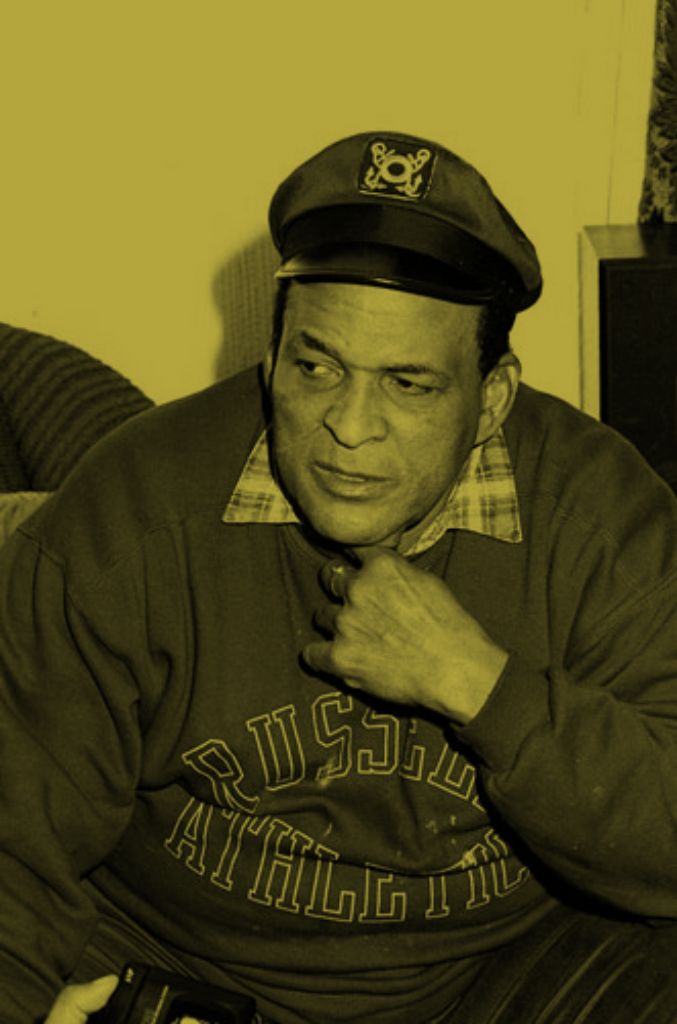
Bunny "Striker" Lee
Drum duty was mostly handled by Carlton “Santa” Davis - often credited with pioneering the distinctive open hi-hat ‘flying cymbals’ style on Bunny Lee’s productions - utilised to the maximum by King Tubby or Prince Jammy manually adjusting the crunchy hi-pass filter on the custom console.
Another drumming legend Carlton Barrett of The Wailers fame - master of the classic one-drop rhythm - also featured on Aggrovator sessions whilst bass duties were handled by Robbie Shakespeare of Sly & Robbie fame or George Fullwood, founder of another legendary Reggae band Soul Syndicate. Various personalities from the cream of Jamaica’s session scene filled out the rest of the band on different occasions depending on availability, including Earl “Chinna” Smith, Ossie Hibbert, Ansel Collins, etc.
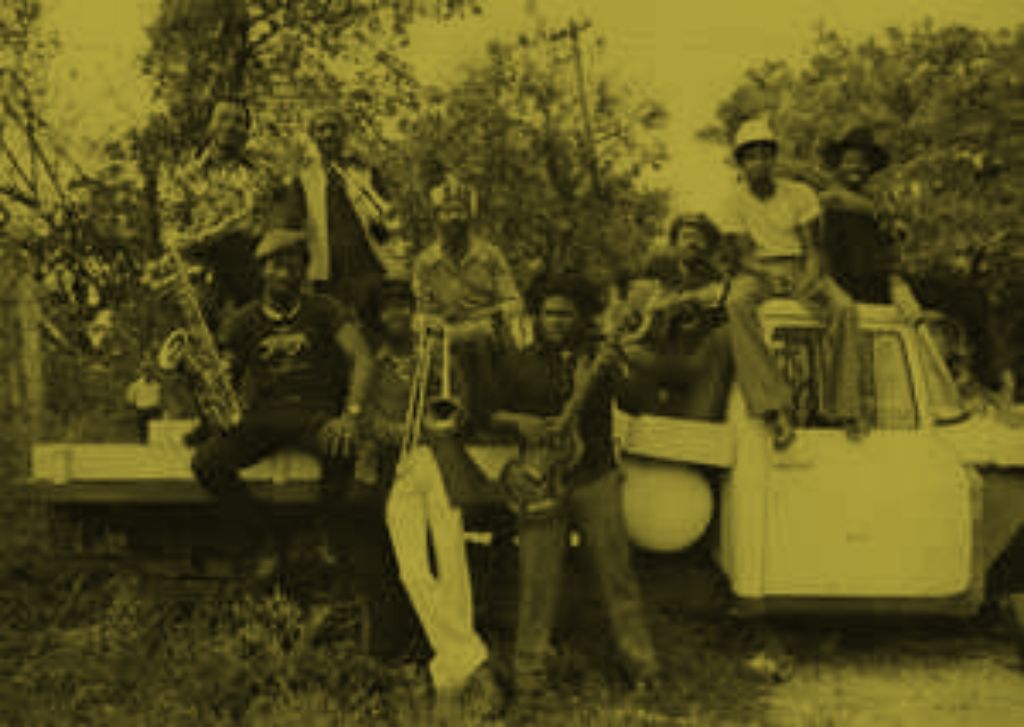
The Aggrovators
Joseph Hoo Kim over at Channel One studios had his own house band named The Revolutionaries - many of whom also played for Bunny Lee - but with Sly Dunbar mainly on drum duty with bassist “Ranchie” McLean. Together this drum and bass team would formulate the famous “rockers” style - an adaptation of the one-drop.
Other key bands were less stable in line-up but no less tight and hard-hitting - especially Skin, Flesh & Bones, We The People Band, Barry’s All-Stars, Progressive All-Stars, etc. There was no shortage of top notch musical talent in 1976 Jamaica. Of course, the vocalists were at the forefront of the A-sides - Johnny Clarke, Leroy Smart, Cornell Campbell, Jacob Miller, etc - but on the dub versions it was a chance for the mix engineer and backing musicians to take the spotlight.
Although working on the same dub principles - each studio had its key differences in sound. Subtle and not so obvious to the casual listener but important nonetheless for Dubs future development into the late seventies era of cleaner separation and harder hitting drums with bands such as Roots Radics.
Multiple variations on the most popular “riddims” became the norm as producers and labels maximised their resources and supplied the huge demand for reworked crowd favourites at the sound system ‘dances’. A popular backing track would often be used in its original vocal format, a “dub wise” version, followed by an alternative DJ version (toasting on the backing track) and even a melodica solo version made famous by Augustus Pablo.
Outside of the Bunny Lee and Hoo Kim operations, the dub mixers were kept in intense demand by labels such as Niney’s Observer, Phil Pratt’s ‘Sunshot’, Crazy Joe, etc. Dub also spread to the Jamaican diaspora by this time, with Britain in particular being responsible for bringing Dub into the Long Player format whereas Jamaica was mostly 7” single focussed until then. Bullwackies in The Bronx brought dub fever to New York at a key time of growing popularity for Disco clubs. The dub mix would heavily influence the 12” Disco culture with a stripped down Instrumental B-side being reworked for the DJ’s.
By 1976 Dub had evolved from a mostly instrumental version with standard fader drop outs or button mutes and reverb effects to the full array of studio trickery utilised most famously at King Tubbys. Tubbys setup is worth diving into specifically as it is a perfect example of a creative mind working with limited - yet deceptively high quality - equipment at hand.
Tubbys pride of place was its customised MCI console. MCI were a popular choice for regular studios in the US and Tubbys had a 12 channel edition which fed into 4 submix channels. Rather than the later dedicated tape delay units which featured feedback circuits of their own - Tubbys achieved the tape delay effect at this stage by simply using a regular reel to reel - the speed of which dictated the delay time.
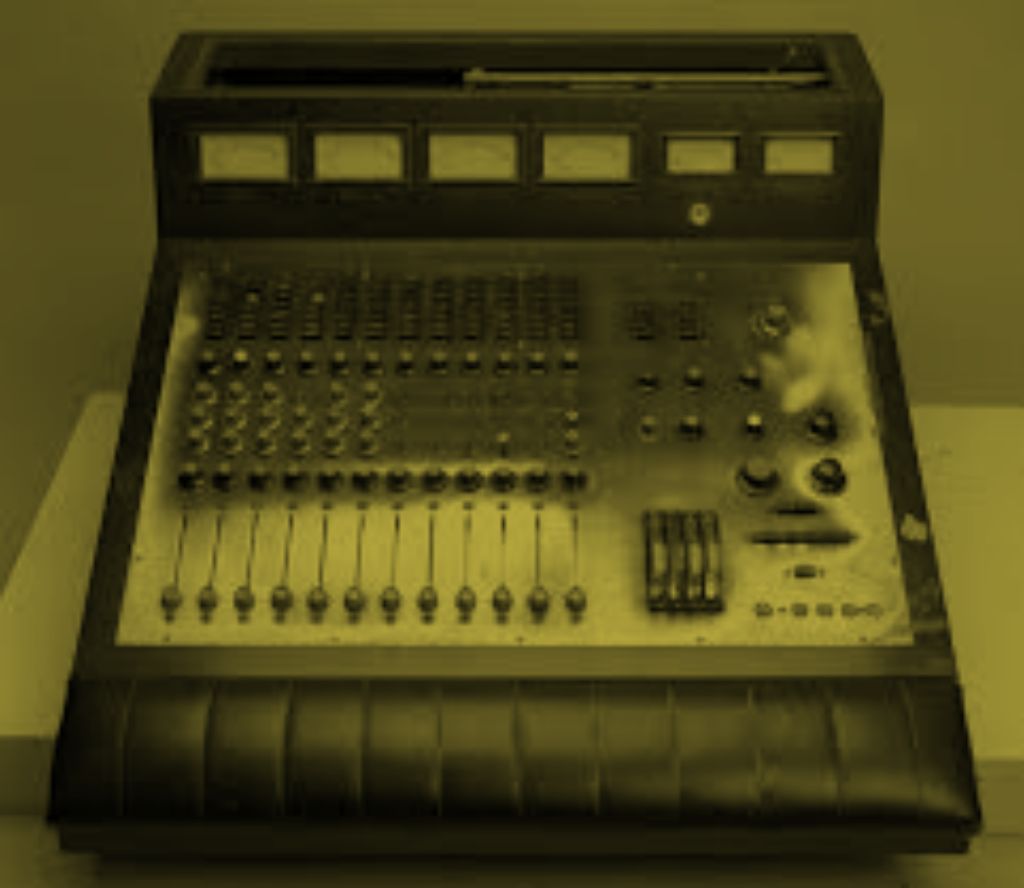
King Tubbys MCI Console 12-4-2
The delays are therefore not accurate divisions of the songs tempo due to the fixed tape speed choices - but the general tempo of roots reggae either at half or double time and the speed settings create a magically loose ‘dotted’ delay feel that adds to the organic feel more so than a strictly synced effect.
A row of knobs controlled the sends to the Spring Reverb - a rare Fairchild unit with a very unique sound to this era of Tubbys mixes. Equally distinctive and unique to the console was “the big knob” - a high pass filter with stepped stages rather than a continuous movement. The movement through the steps is responsible for the clicks when manipulating the filter manually. The audio of the filter is in parallel to the original signal therefore creating not only a swirling, stepped filter squelch but phasing with an increase in volume adding to the drama. With long open hi-hats its a match made in Kingston heaven.
“
You have to know what sound you want before you touch anything”
King Tubby
The four sub mix channels would be for Drums, Bass, Rhythm section, Horns and/or Vocal. Test tone oscillators for calibrating tape units would be used for sine wave bursts, the Spring Reverb would be physical whacked to create a thunderous clang, and the linear nature of the consoles faders allowed for the mix engineer to quickly mute or give full volume to each element.
From New York DJ/remixers such as Francois Kervorkian and Larry Levan, to musicians like John Martyn, post-punk outfits such as PIL - Dub influenced an entire generation of studio wizards and 1976 was its golden year.