

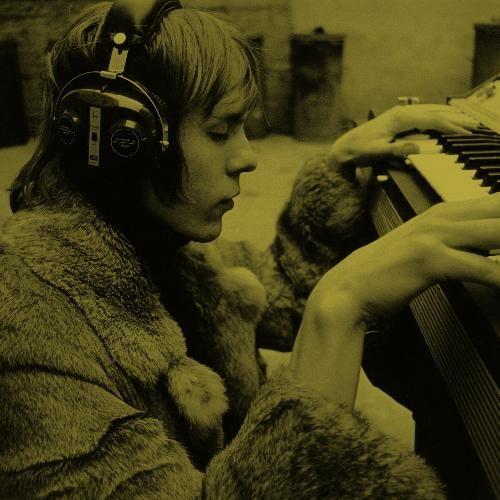
“
I did my music when ‘electronics,’ ‘synthesizer,’ ‘computers,’ ‘trance’ and ‘techno’ were not existing, not fashionable… At last, my music is now accepted and fulfilled by a new generation.”
Klaus Schulze was born on 4 August 1947 in Allied-occupied Berlin, in the ruins of a Germany still reeling from the war. As a youth, Schulze cut his teeth in rock bands, playing drums, guitar and bass. By the late sixties he was the drummer in Psy Free, a trio whose experimental live performances pointed towards the future rather than the present — part of a vibrant and idiosyncratic West German musical environment merging jazz, rock, and psychedelics.
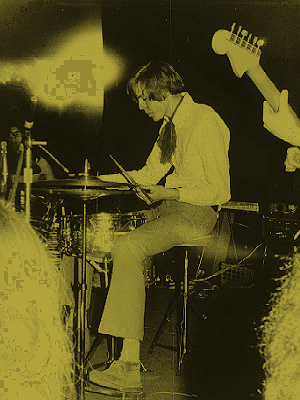
The scene came to be known as “Krautrock,” spawning legendary groups such as Can, Neu!, Faust, and The Organisation/Kraftwerk, and often associated with the political and cultural upheavals of the era: student movements, radical left groups, anti-authoritarian communes, and anarchism.
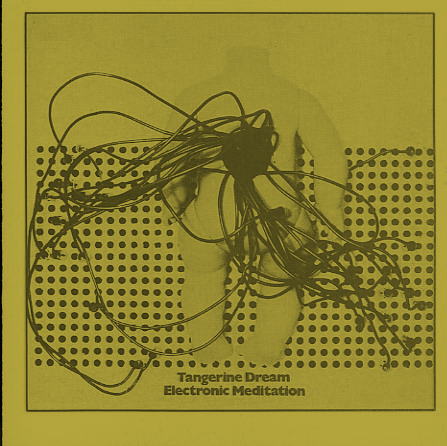
Schulze, however, never fit neatly into any mould. Early on he struggled to find a band that matched his artistic outlook. In 1969, he joined Tangerine Dream, contributing to their debut commercial album Electronic Meditation, but swiftly departed and went on to form Ash Ra Tempel with Manuel Göttsching and Hartmut Enke — only to leave again after their first album.
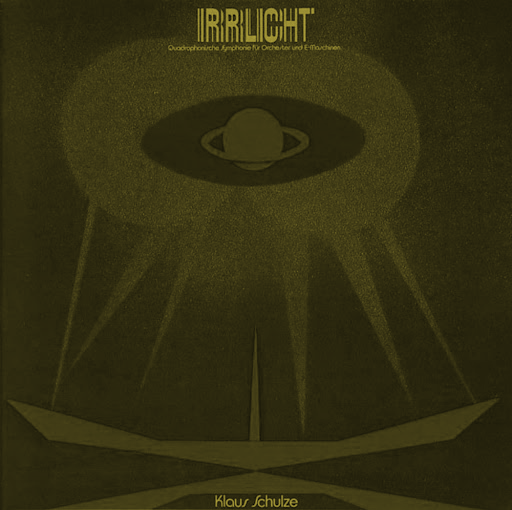
In 1971 Schulze struck out on his own, launching a solo career that would stretch over half a century. His first commercially released solo album arrived a year later, in 1972: Irrlicht — a radical, proto-ambient work created without conventional synthesizers, instead built from manipulated orchestral recordings, a broken organ, and a rogue amplifier, all filtered into a ghostly, otherworldly tapestry.
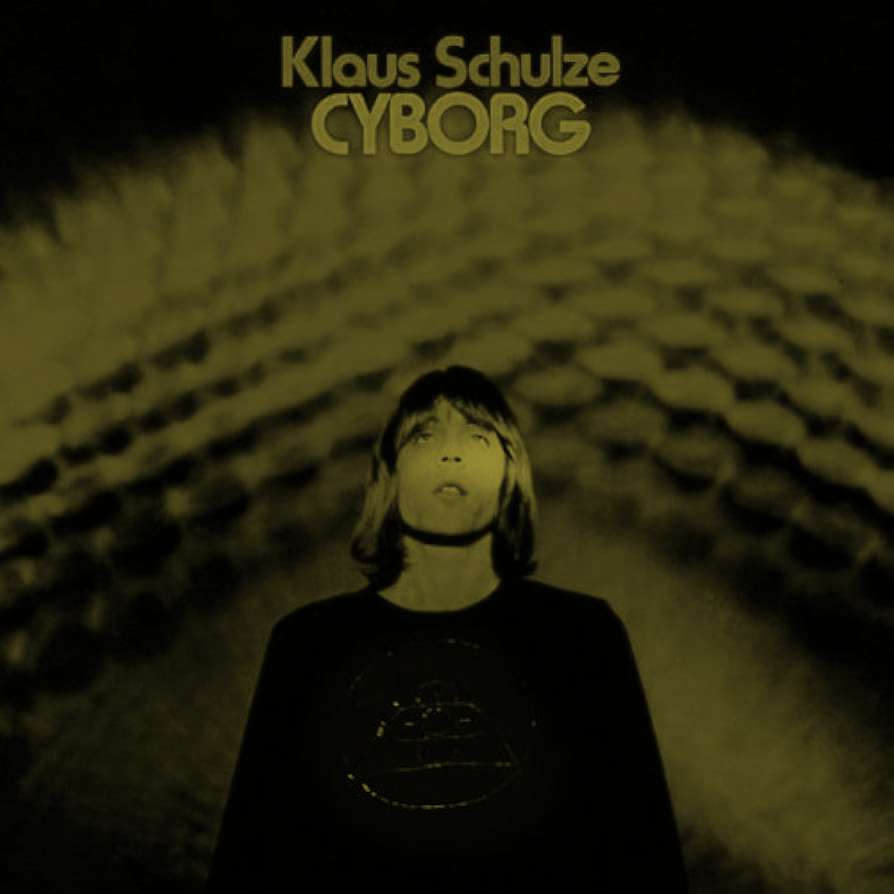
If Irrlicht was Schulze’s baptism into his own sonic world, his second album, Cyborg (1973), pushed him further into the emerging realm of synthesis. This was a time when the prohibitively expensive, unwieldy modular systems were no longer the only tools available. Using the British-made EMS VCS3, he began shaping the slow, spiralling evolutions, deep drones, and sequenced pulses that would define his signature sound.
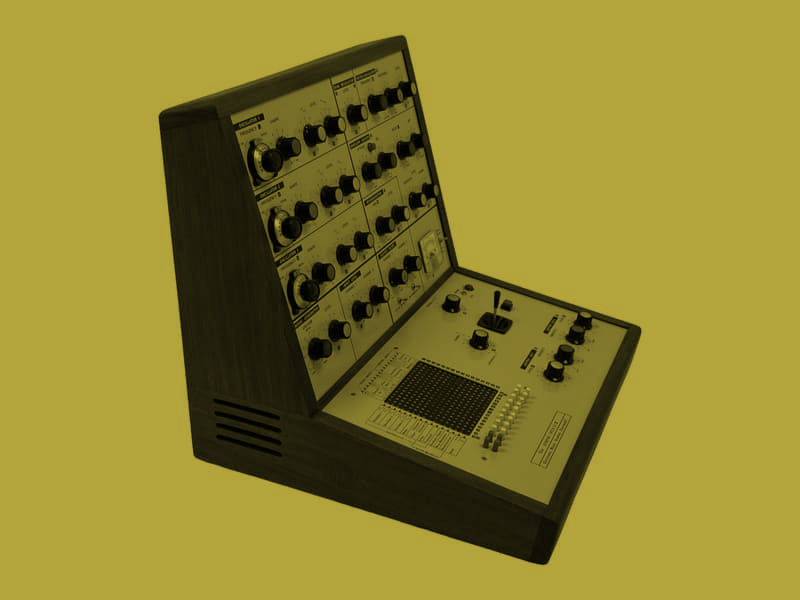
The VCS3 proved ideal for Schulze at this formative stage — portable, powerful, but unconventional when compared with the more traditional Minimoog and ARP keyboard synths of the day. Its unpredictable tuning and cross-modulation possibilities lent themselves to drones and soundscapes more than to showy virtuoso playing.
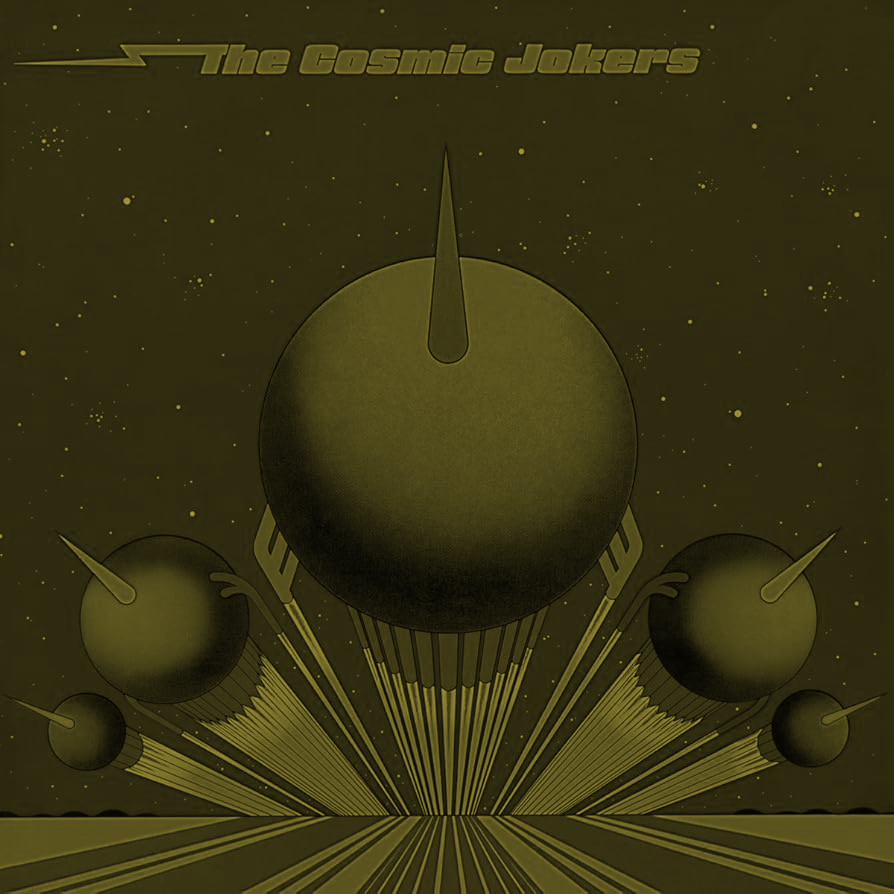
Around this time came the notorious Cosmic Jokers releases: informal, drug-heavy studio jams and party recordings involving members of Tangerine Dream, Ash Ra Tempel, and Schulze, issued without the musicians’ consent. They were never a real group — never rehearsed, never intentionally recorded as a band, and in some cases didn’t even know the albums existed until release. Between 1973–74, Rolf-Ulrich Kaiser, the eccentric head of Ohr/Kosmische Kuriere, edited fragments of these sessions into “albums.” Brilliant at times — wild, freeform, space-rock-meets-synth odysseys — but ethically disastrous, they provoked a furious response from Schulze, who always distanced himself from the drug culture with which Krautrock was becoming associated.
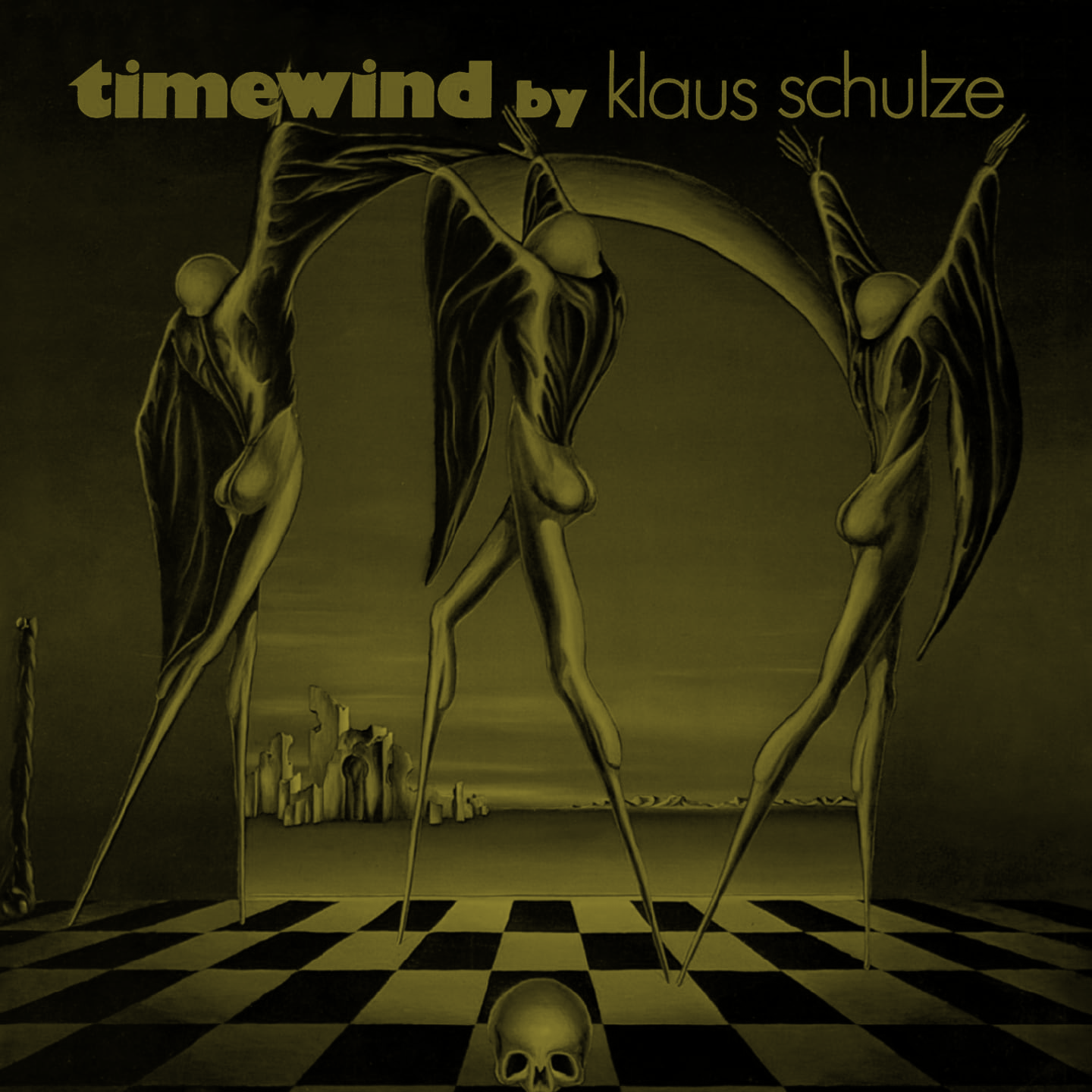
The mid-1970s saw Schulze’s style fully bloom. Blackdance (1974) merged electronics with acoustic and vocal elements, edging closer to the sequenced, hypnotic world he would soon command. In 1975 came Timewind, a milestone: his first album to use a sequencer — custom-built, with three rows of eight controls — and consisting of two long pieces filling entire sides of vinyl, archetypal of the Berlin School style he helped define.
The artistic success of this sequencer-driven approach persuaded Schulze to purchase his “Big Moog” — a large-scale Moog Modular with dual sequencers — giving him the pitch stability needed to forge the hypnotic, evolving patterns that became his trademark during the classic analogue mid-seventies.
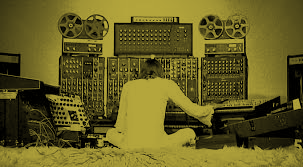
Schulze’s workload in this era was relentless: touring Europe, building a studio, and collaborating with artists such as Stomu Yamashta, Steve Winwood, Al Di Meola, and Michael Shrieve in the supergroup Go. He also helped construct the Berlin studio Delta Acustic with the Schunke brothers, which for a time became the nerve centre of his experiments — a hermetic lab of sequencers and synthesiser rigs.
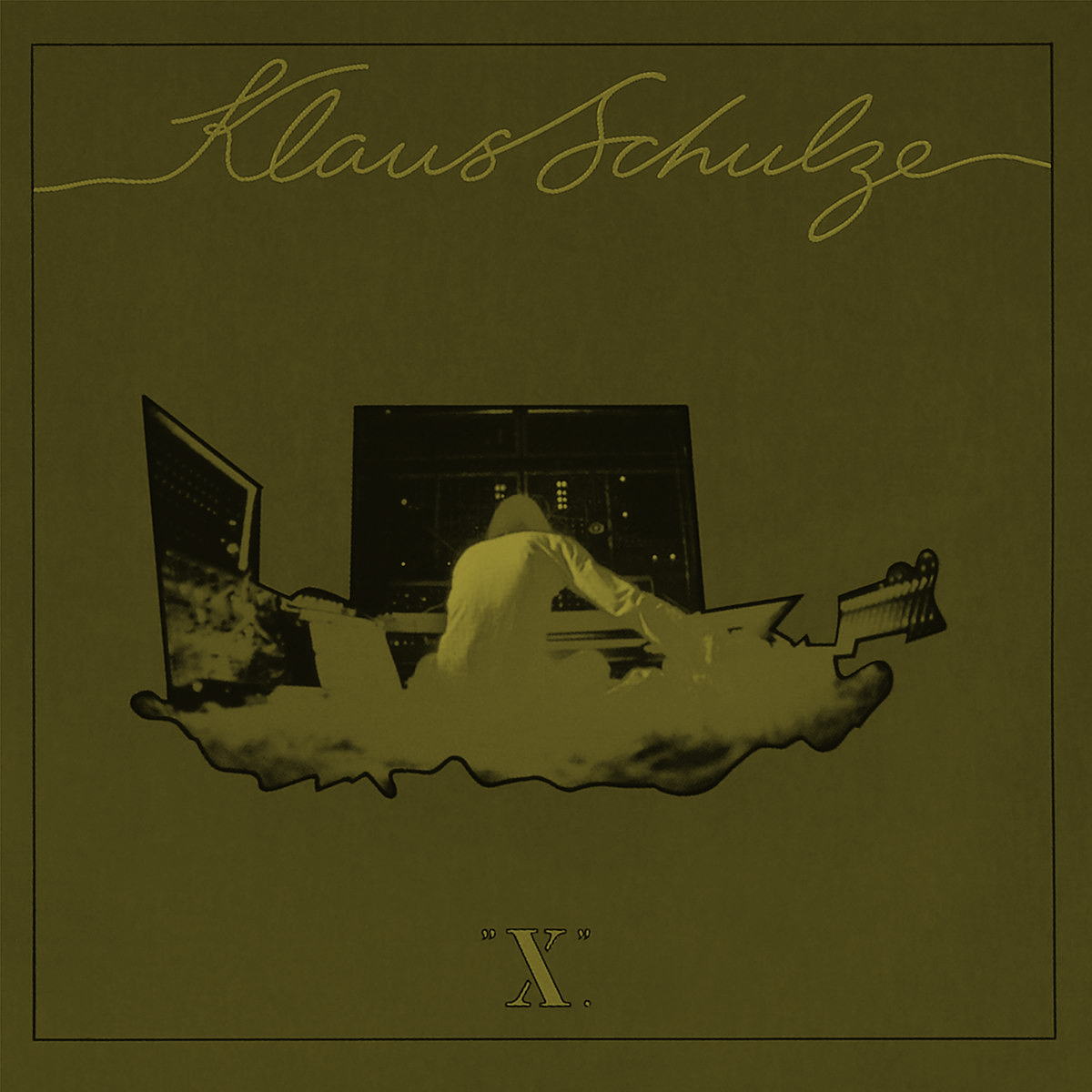
In 1978, Schulze released X, subtitled “Six Musical Biographies”: a sprawling work inspired by figures such as Ludwig II of Bavaria, Nietzsche, Georg Trakl, and Wilhelm Friedemann Bach. It reflected his broad intellectual reach — which also extended to the Frank Herbert Dune universe, a lifelong fascination.
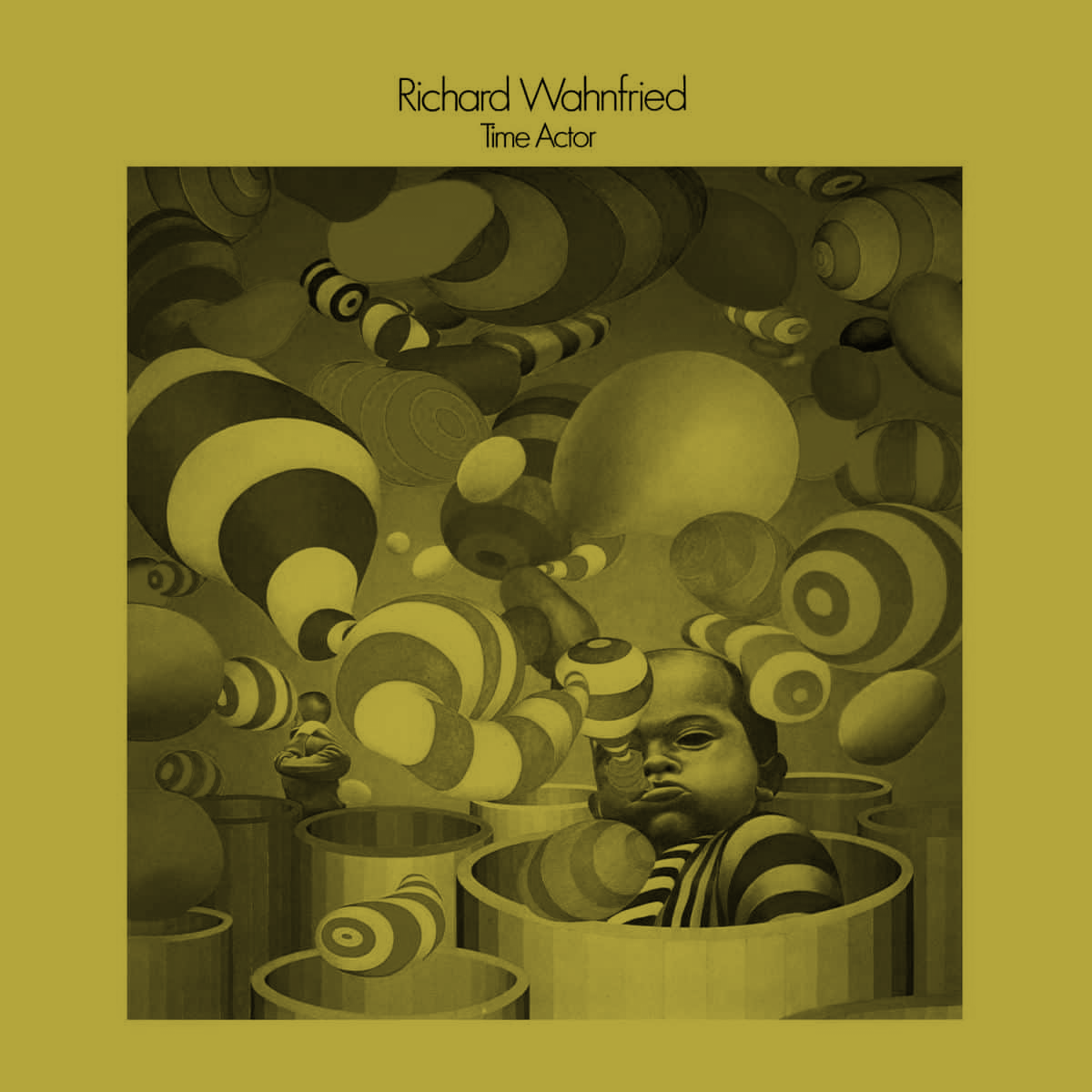
That same year he co-founded the label Innovative Communication with music journalist Michael Haentjes. The label quickly became a cult hub for late-seventies and early-eighties electronic experimentalists, and a vehicle for Schulze’s own alias, Richard Wahnfried.
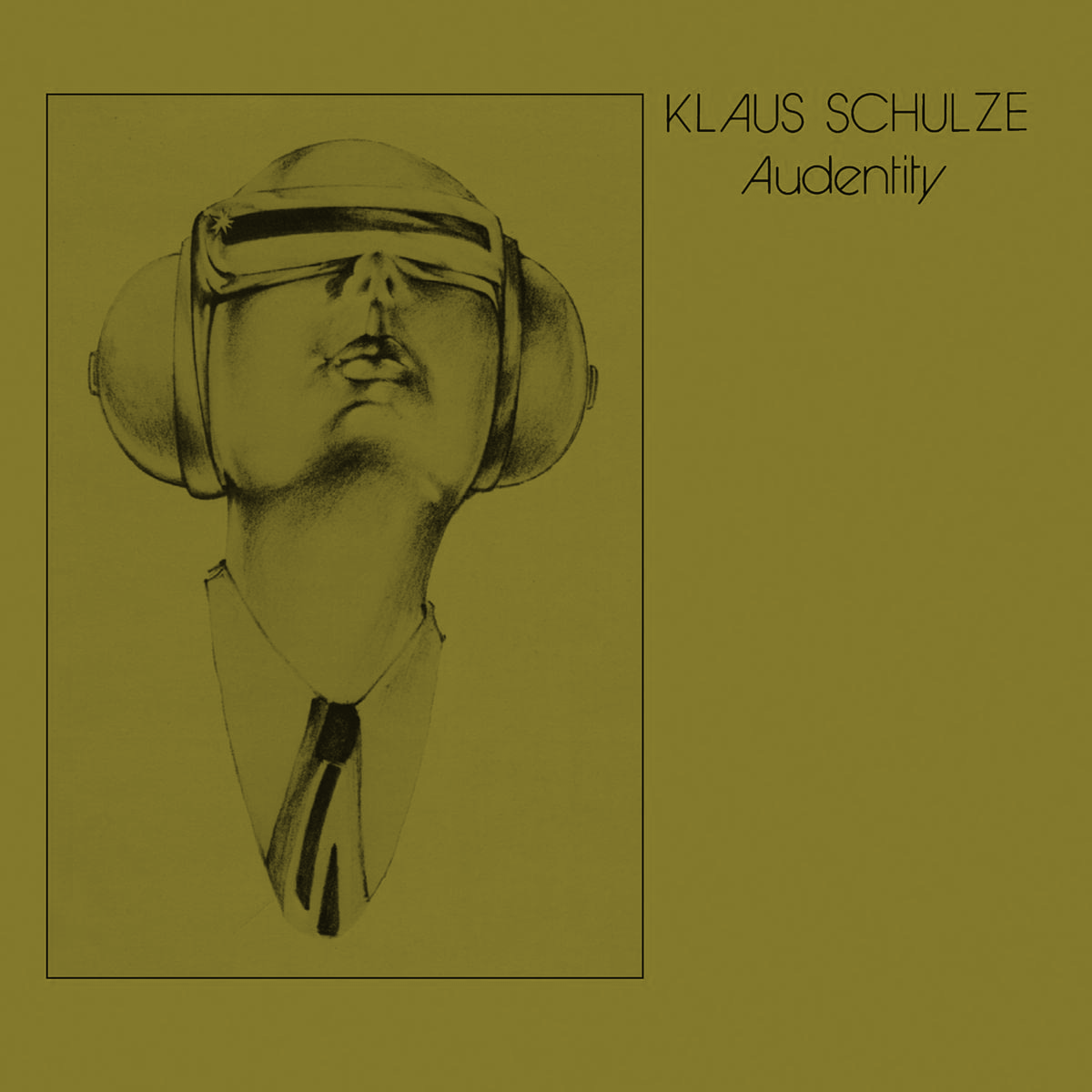
Through the 1980s, Schulze’s sound evolved again as he gradually shifted from analog to digital instruments, producing music that was more accessible but still richly textured. A highlight is Audentity (1983), where sequencers remain central but the tone is softer and more melodic.
The 1990s introduced what many call his “sample period.” With Beyond Recall and others, he incorporated field recordings — bird calls, whispered voices, ambient chatter — into his performances and compositions. Simultaneously he mined his archives, issuing vast boxed sets of previously unheard material spanning decades.
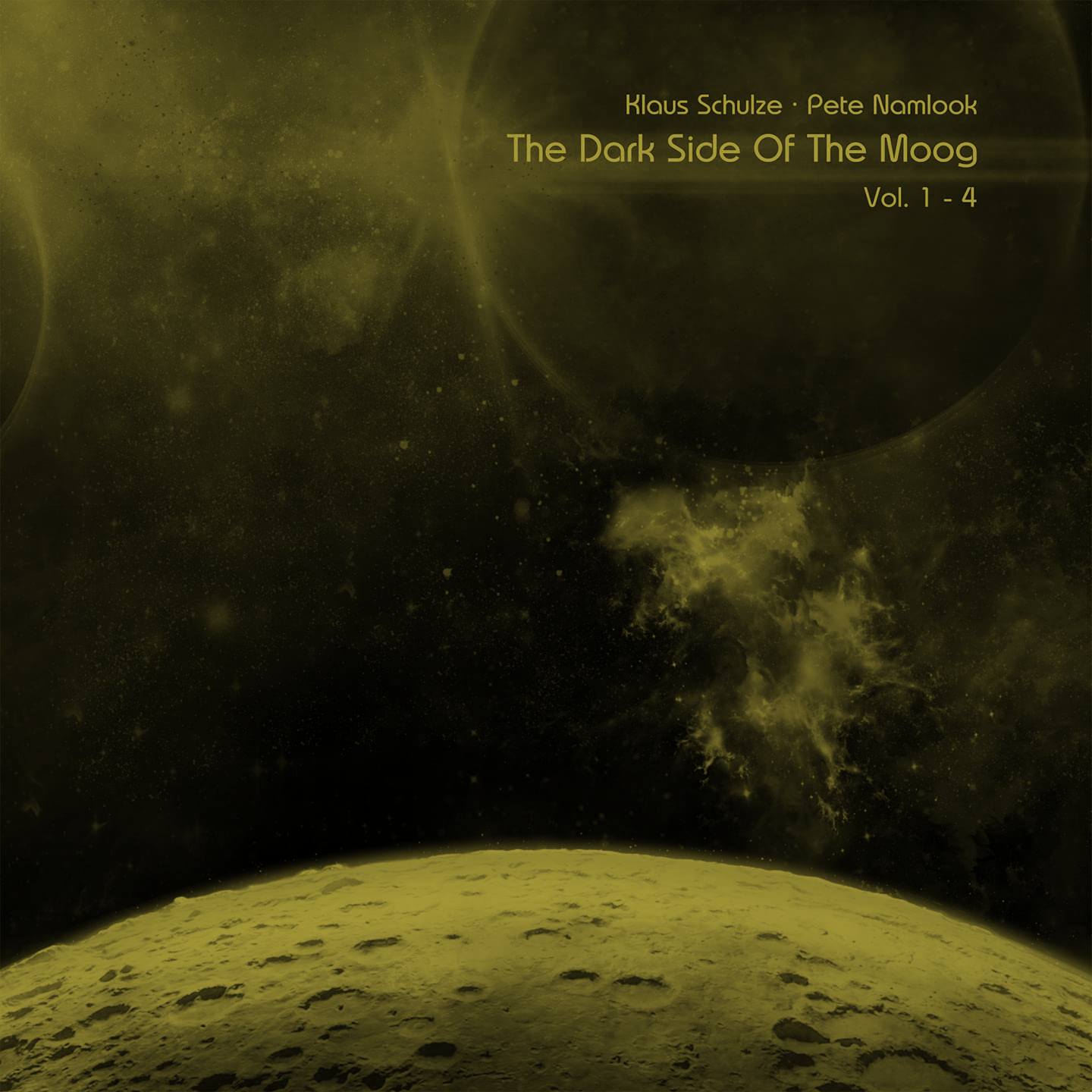
Throughout his career he experimented freely: with jazz, with classical structures, even with opera. His collaborations were numerous, including the visionary series with Pete Namlook, The Dark Side of the Moog. Schulze was never nostalgic; he was always reaching — always exploring.
Schulze’s life came to a close on 26 April 2022, after years of kidney illness and dialysis. Yet his final album, Deus Arrakis, was released posthumously on 1 July 2022 — a fitting farewell rooted in one of his lifelong obsessions.
His legacy is immense. Without Schulze, the Berlin School might never have crystallised; without him, ambient, trance, and much of modern electronic music might lack one of their primordial voices. He was endlessly curious, deeply thoughtful, and fiercely independent.