

“
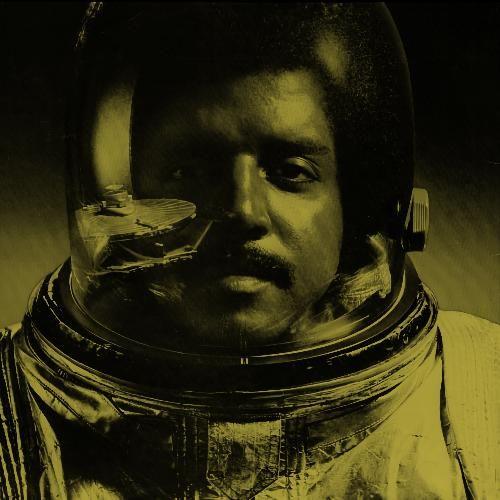
Dexter Wansel brought a new-age sound to our record label in the 1970s and ‘80s, arranging and producing hits for many of our artists”
Kenny Gamble & Leon Huff
Gamble & Huff’s Philadelphia International label has gone down in history as having some of the finest musical arrangers in musical history. From genius orchestrator Bobby Martin, the meticulous Thom Bell, Jack Faith, Baker & Harris. Bunny Sigler, etc - the Philly Sound was lush, sophisticated and soulful.
Dexter Wansel graduated to the Philadelphia International roster by featuring as adventurous keyboardist for the Yellow Sunshine project for the Gamble label in 1973 and Blue Magic’s Thirteen Blue Magic Lane. A year later however, a clue to the unique talent Wansel brought to the stable appeared on the Force Of Nature album: Dexter Wansel: programming of Putney Synthesiser.
The Putney was the name given to British synth company EMS’ VCS3. An unusual choice to feature on a US funk project, it needed a skilled synthesist to coax usable sounds in a musical context. Wansel clearly had a skillset that set him apart from many other arrangers and his reputation as a synth pioneer in the world of R&B was as important as his contribution as orchestral arranger.
“
I began as a backstage errand boy at the Uptown Theater in Philadelphia.”
Dexter Wansel
Born and raised in Philadelphia, Wansel’s musical journey began at the city’s legendary Uptown Theater, where he worked as an errand boy and absorbed the sounds of the artists who passed through its doors. After serving in the U.S. Army, he returned home determined to pursue music. Fascinated by emerging electronic instruments and synthesizers, he quickly became part of the thriving Philadelphia music scene at exactly the moment it was becoming one of the most important recording centres in America.
In 1975, R&B vocalist Carl Carlton enlisted a Philadelphia team to produce and arrange his I Wanna Be With You album for major label ABC. Recorded at Joe Tarsia’s famous Sigma Sound studios, the project saw Wansel co-writing with Philly colleagues Allan Felder and T. Life with Bunny Sigler producing the MFSB rhythm team on seven Wansel arrangements.
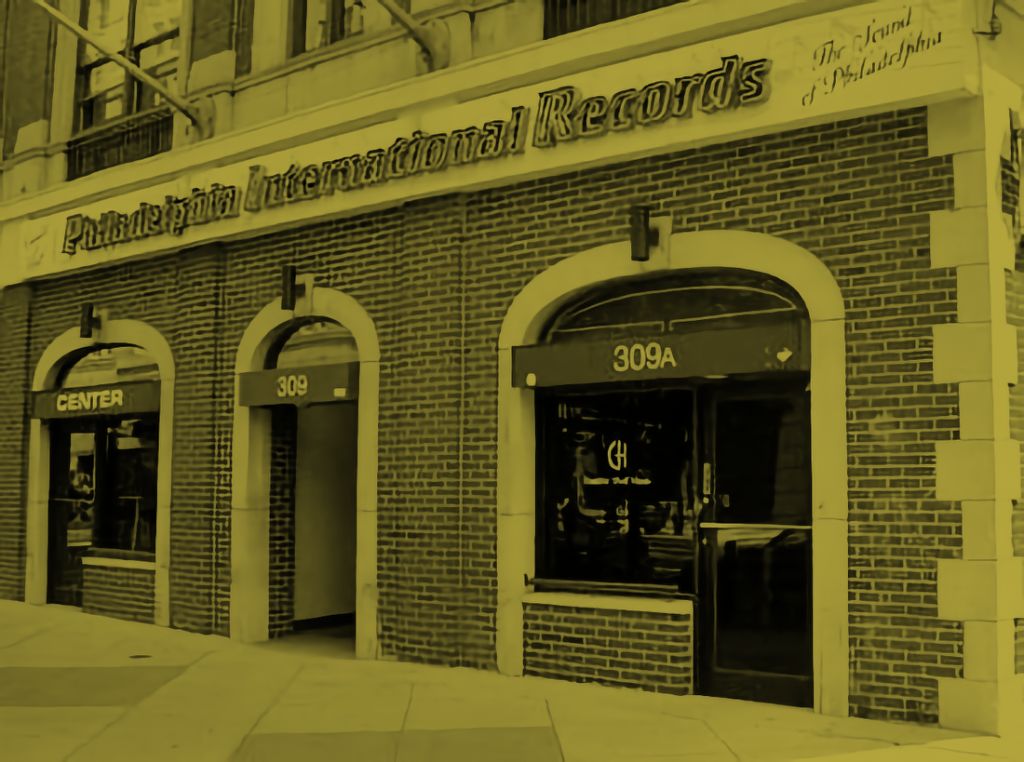
Phildephia International HQ
Wansel’s Philadelphia International journey began with MFSB’s “Morning Tears” from Philadelphia Freedom (1975). MFSB—Mother Father Sister Brother - was the engine room of Philadelphia soul, and Wansel quickly became one of its most imaginative musical minds. “Morning Tears” showcases the elegance that defined the Philadelphia sound: lush strings, sophisticated harmonies and impeccable rhythm sections.
The same year saw Wansel earn top billing arranging vocalist Billy Paul’s album opening his ‘People Power’ for Philly International followed by an album closing McFadden & Whitehead composed ballad for Archie Bell & The Drells on subsidiary TSOP (The Sound Of Philadelphia).
With a proven hit behind him, 1976 saw Wansel on arrangement duties for a raft of artists including Major Harris. Lou Rawls, People’s Choice, Jean Carn and his highest profile assignment yet on The Jacksons classic 1976 eponymous Philly International/Epic debut. Whilst most of the Philly arrangers kept to their background duties, Wansel was given a solo artist slot with his debut album Life On Mars this same year.

The title track remains one of the most visionary recordings in jazz-funk history. Inspired by space exploration, science fiction and the possibilities of electronic technology, the track combines jazz improvisation, funk rhythms and groundbreaking synthesizer textures. At a time when most Philly soul music remained firmly rooted in earthly concerns, Wansel looked toward the stars.
The companion pieces “One Million Miles from the Ground” and “Theme From The Planets” continue this cosmic journey. These recordings illustrate why Wansel became such an influential figure for later generations of electronic musicians, jazz-funk collectors and hip-hop producers. Listening today, these tracks sound less like period pieces and more like blueprints for future genres including house, techno, neo-soul and modern jazz fusion.
Jazz musicians such as Herbie Hancock, Joe Zawinul and others had made synthesisers acceptable in the world of jazz funk and fusion by this time, but Wansel was working within the tightly controlled Gamble & Huff ecosystem where soulfulness oozed from each release. His ability to bring futuristic synth soundscapes into this environment was a stunning achievement.
Meanwhile Wansel continued to demonstrate his genius as an arranger through his collaborations with vocalist Jean Carn. On “I’m In Love Once Again” and “You Are All I Need,” both from her 1976 debut album, Carn’s soaring vocals glide effortlessly through rich chord progressions and elegant orchestral arrangements. These tracks exemplify the sophistication that made Philadelphia International Records distinct from other soul labels of the era.
A follow up solo album in 1977 gave us another classic cosmic Wansel composition: First Light Of The Morning. Wansel had now clearly fully developed his own musical identity with his gift for blending jazz-funk complexity with emotional impact. The song’s shimmering keyboards and expansive arrangement reflect an artist who could create music that was intellectually engaging without sacrificing groove.
The high esteem Gamble & Huff held Wansel in was clear by 1977 when he was given arrangement duties for the Philadelphia International All-Stars hit “Let’s Clean Up The Ghetto’. The same year saw the now star-arranger paired with legendary vocalist Teddy Pendergrass - a relationship that would culminate in Wansel co-producing the 1980 classic Love T.K.O.
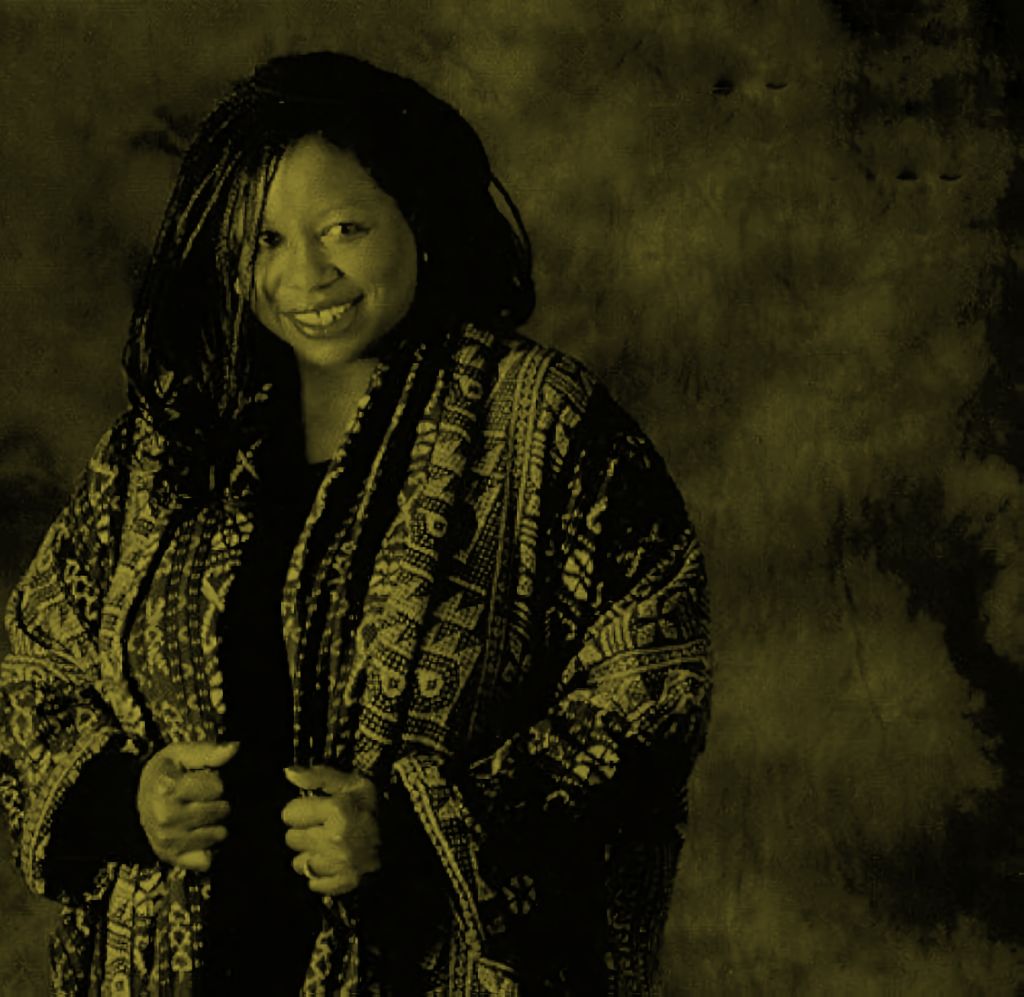
Cynthia Biggs
By this time Wansel had begun pairing up with vocalist and songwriter Cynthia Biggs - an incredibly fruitful partnership which took Wansel’s songwriting to even greater heights. Biggs together with Cecil Womack and Wansel shared production duties on Love T.K.O. allowing Pendergrass’s performance to shine while surrounding it with warmth, depth and emotional resonance. It remains one of the defining soul ballads of its era.
That same period produced one of Wansel’s most loved achievements: MFSB’s “Mysteries Of The World.” The title alone could serve as a summary of Wansel’s artistic outlook. Throughout his career he was fascinated by the unknown—whether expressed through outer space, spirituality, romance or human potential. The music reflects that curiosity, blending danceable rhythms with an almost philosophical sense of wonder.
This evoking of a sense of mystery and spiritual wonder came to its peak with perhaps Wansel\s best known achievement: ‘Nights Over Egypt’ by The Jones Girls - a song that transcends musical explanation, its atmosphere creating an achingly beautiful hymn to the mysteries of the universe.
“
He was our hero, mentor, and guiding light”
King Britt
Dexter Wansel moved effortlessly between arranger, composer, producer, keyboardist and visionary. He helped define Philadelphia soul while simultaneously pushing it into the future. His music connected jazz sophistication, gospel emotion, funk rhythms, orchestral grandeur and electronic experimentation into a uniquely personal style.
From the cosmic landscapes of Life On Mars to the timeless elegance of “Love T.K.O.” and the dreamlike beauty of “Nights Over Egypt,” Wansel created music that transcended its era. His work remains a testament to imagination, craftsmanship and the endless possibilities of musical exploration. Few artists have travelled so far while remaining so deeply rooted in soul, and few have left behind a catalogue that continues to sound as fresh, adventurous and inspiring as Dexter Wansel’s.
“
The space man finally made it to Mars.”
Music producer and son "Pop" Wansel.
Philadelphia and the wider R&B world has lost one of its true musical visionaries.