

“
Average people couldn’t afford to buy high quality equipment and LPs of foreign musicians… The entire country worked and lived by ‘The Plan’… The state dictated styles, genres and direction of all musical production.”
Artemiy Troitsky
The history of electronic music during the Cold War is often told through the lens of Western pioneers such as Kraftwerk, Tangerine Dream, Brian Eno or Giorgio Moroder. Yet beyond the Iron Curtain a parallel electronic culture emerged under very different circumstances.
In countries like Poland, Czechoslovakia, East Germany, Hungary, Romania and the Soviet Union, access to synthesizers, drum machines and recording equipment was often limited, expensive, or controlled by the state. Western music magazines, records and technology were difficult to obtain, foreign currency purchasing restricted, while censorship and official cultural policies shaped what could be released.

Poland, 1970's.
Yet despite these obstacles, musicians found ways to experiment. Some built connections through state broadcasters and academic institutions, whilst others relied on rare imported instruments or locally manufactured equipment. Artists across Eastern Europe developed distinctive electronic sounds that blended progressive rock, jazz fusion, disco, new wave and experimental synthesis. The result was a unique electronic underground filled with cosmic synths, space-disco, progressive electronics and sonic innovation.
Unlike the capitalist record industry of the West, most Eastern Bloc countries operated through state-owned labels. These organisations controlled recording studios, manufacturing plants and distribution networks. In East Germany, the principal label was AMIGA, part of the state-owned VEB Deutsche Schallplatten. Poland relied largely on Polskie Nagrania Muza, while Czechoslovakia’s major labels included Panton and Opus. Romania issued recordings through Electrecord, Hungary through Pepita and Start, and the Soviet Union through the enormous state monopoly Мелодия (Melodiya). Yugoslavia occupied a unique position. Although socialist, it was non-aligned and enjoyed greater cultural openness, allowing labels such as Jugoton, PGP RTB, Diskoton and ZKP RTVL to release music that often rivalled contemporary Western productions.
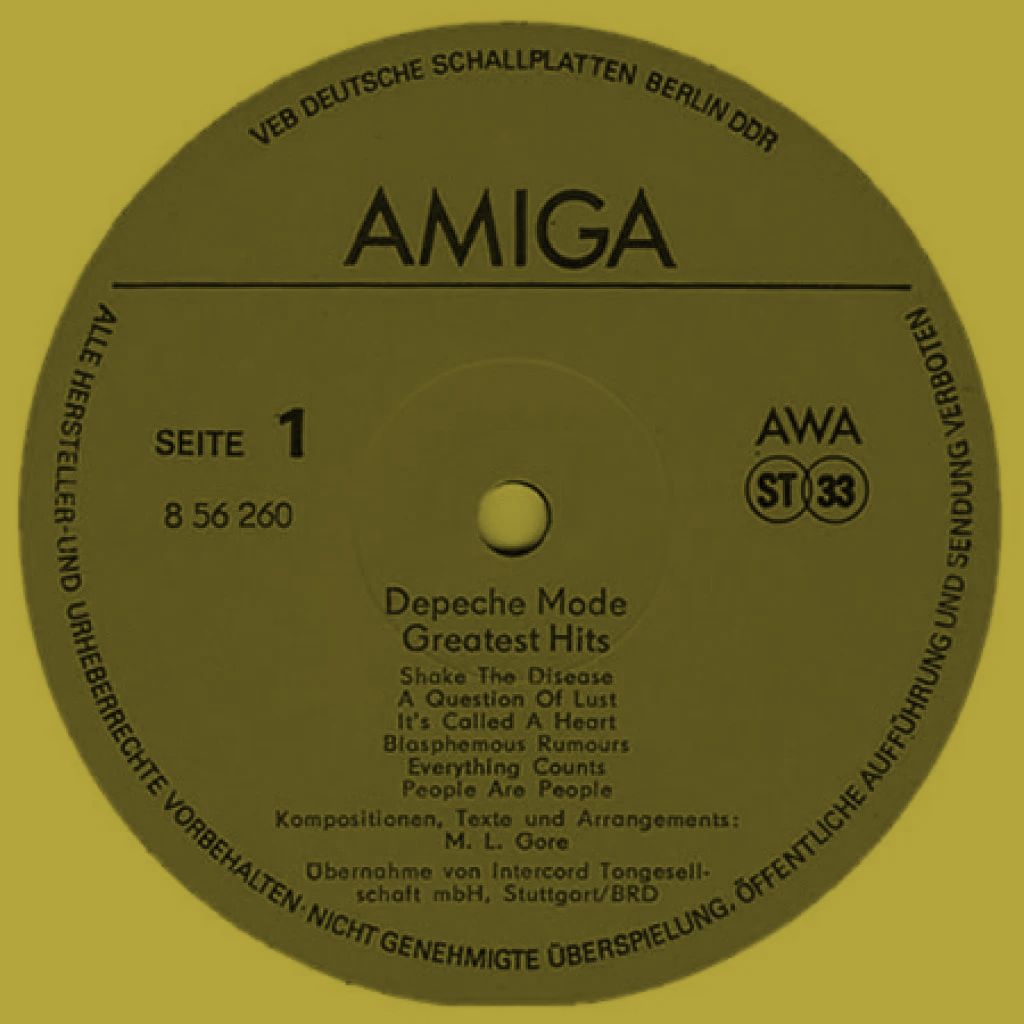
AMIGA GDR release.
Many of the artists emerged from progressive rock and jazz backgrounds perhaps due to its escapist aesthetics and focus on virtuosity - a perfect vehicle for self-expression in times of cultural oppression. Polish violinist and composer Michal Urbaniak was among the most internationally recognised musicians from the Eastern Bloc. His recording “Spokuj” with the Michal Urbaniak Constellation demonstrates how Polish jazz musicians absorbed electronic textures and fusion influences while maintaining sophisticated improvisational traditions. Poland’s thriving jazz scene often provided a gateway to experimentation because jazz musicians were among the few performers able to travel internationally and encounter new technologies.
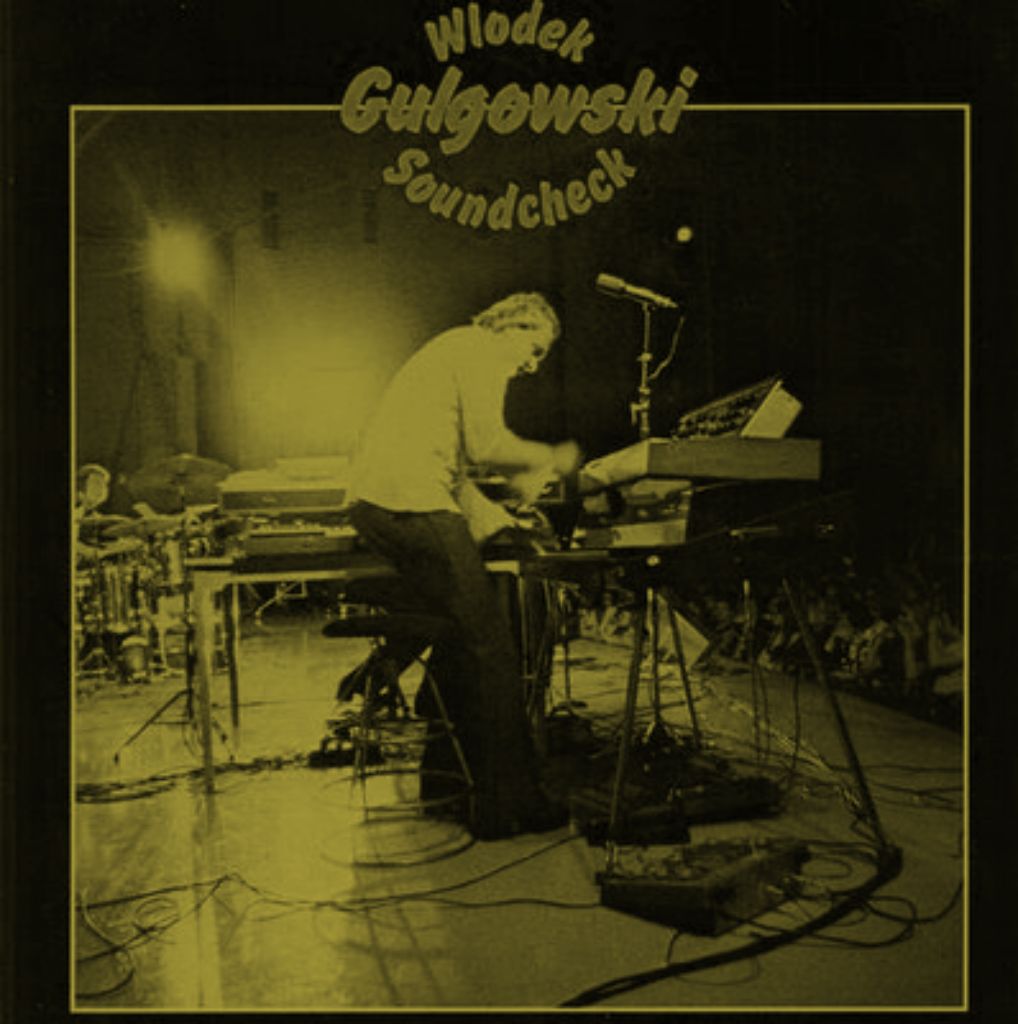
Another important Polish contribution came from groups such as Laboratorium and SBB. Laboratorium’s brief instrumental “The Journey” reveals the increasing integration of synthesizers into jazz-rock arrangements by the late 1970s. SBB’s “Loneliness” demonstrates how electronic keyboards and atmospheric production techniques became central to progressive music throughout the region. Meanwhile Wlodek Gulgowski’s “Soundcheck” stands as one of the most overtly jazz-funk electronic recordings in the playlist looking towards Herbie Hancock and other Western pioneers.
Czechoslovakia developed its own electronic tradition through labels such as Panton and Opus. The synthesizer demonstration recordings of Alojz Bouda, including “Random – Neslepo,” reveal a growing fascination with electronic instruments as symbols of modernity and futurism inside the Iron Curtain. Groups such as ORM combined disco rhythms with synthesizer arrangements that reflected global trends while retaining a distinctly local flavour. Tracks such as “Jen Dál A Víc A Líp” and “Peklo” illustrate how disco’s international language could survive even within tightly regulated socialist systems.
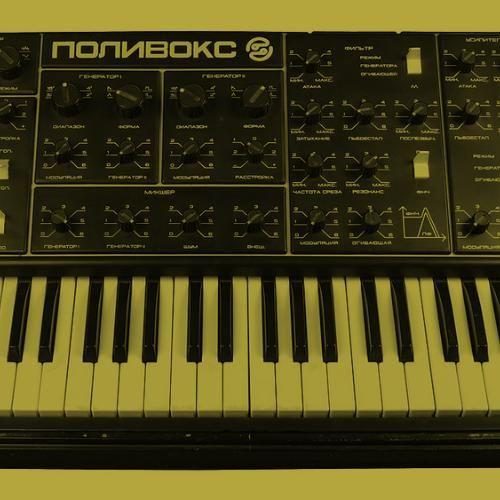
The Soviet Union produced some of the most ambitious electronic recordings of the era. The state label Melodiya dominated every aspect of Soviet recording and distributed millions of records across the USSR. Despite bureaucratic restrictions, artists such as Zodiac, Sven Grünberg and Argo created music that rivalled contemporary Western space music and synth-pop. Latvian group Zodiac became one of the most successful electronic acts in Soviet history. Their albums Disco Alliance and Music In The Universe presented instrumental cosmic disco inspired by space exploration, science fiction and electronic futurism. Tracks such as “Pacific,” “In The Light Of Saturn,” and “In A Mysterious Square” combine driving disco rhythms with synthesizer melodies that would not have sounded out of place in European clubs and provided a sense of musical pride and innovation to run parallel with the Soviets explorations into space travel and domestic nuclear technology. The USSR also saw the development of homegrown synthesisers - the Polivox being a classic design still sought-after today.
“
We simply wanted the musicians to have the same colors of sound that all American and Japanese synths have... The military always obtained the best components.”
Vladimir Kuzmin - Polivox designer
Estonian composer Sven Grünberg approached electronics from a more spiritual and experimental perspective. “Teekond (Journey)” from the album Hingus combines synthesizers with meditative structures influenced by Eastern philosophy. Grünberg represents a strain of Soviet electronic music that looked beyond dance music toward ambient and cosmic forms. Similarly, Lithuanian composer Teisutis Makačinas explored synthesizer composition through works such as “Prie Atminimų Upės.”
Although access to Western equipment was especially difficult, Romanian musicians nevertheless incorporated synthesizers into progressive and pop music. Electrecord, the country’s sole record company, played a crucial role in documenting these developments. The label became both gatekeeper and facilitator, preserving a body of work that might otherwise have remained unheard outside Romania.
East Germany presents a somewhat unique case. Although culturally isolated from the West, musicians could often hear Western broadcasts from across the border. AMIGA served as the GDR’s principal popular music label and carefully balanced ideological requirements with public demand for contemporary sounds.
Hungary’s electronic and new wave scene flourished during the early 1980s. Labels such as Pepita and Start released increasingly sophisticated productions by artists including KFT, Solaris, Klári Katona, Miklós Fenyö and Presser. Solaris’s “The Martian Chronicles I,” inspired by Ray Bradbury’s science fiction novel, became one of the defining works of Hungarian progressive rock. Combining synthesizers, flute and complex arrangements, it illustrates how electronic music often intersected with literary and science-fiction themes throughout Eastern Europe fitting neatly alongside the literary works of Stanislav Lem and cinematic genius Tarkovsky’s sci-fi classic Solaris.

Tarkovsky's Solaris
Perhaps the most remarkable material comes from Yugoslavia. Because Yugoslavia maintained greater contact with Western markets than other socialist states, its musicians often had better access to instruments, recordings and international trends. Labels such as Jugoton, PGP RTB, Diskoton and ZKP RTVL fostered a vibrant new wave and electronic scene.
Taken together, these recordings challenge simplistic assumptions about cultural life behind the Iron Curtain. Emerging from unique political, economic and technological conditions that encouraged musicians to innovate with limited resources, state-owned labels simultaneously constrained and enabled creativity, providing recording infrastructure while regulating artistic output.
The result was a remarkable body of work that fused local traditions with visions of technological modernity. Whether through cosmic disco, synth-pop, progressive rock or experimental electronics, these artists transformed scarcity into creativity and produced some of the most intriguing electronic music of the Cold War era.