

THE MINNEAPOLIS SOUND
“
There was a band on every block… we did battle of the bands on the regular.”
Morris Day
The artist known - and formerly known - as Prince was the highest profile exponent of the Minneapolis Sound. Sitting on the Northernmost edge of America’s Midwest with its brutal, long winters - the city has always maintained a vibrant local music scene.
A large enough city to attract the biggest touring bands and host a number of radio stations and clubs - but small enough for local bands to be competitive in an environment where musicians would know each other even across different genres.
“
Prince’s very competitive. I’m competitive… we knew that we was outfiring him some nights. But then when the headlines came back the next day — The Time kicked Prince’s ass — he didn’t like that… it was a serious rivalry.”
Morris Day
The Minneapolis Sound is a specific subset of music that came out of the region rather than a collective term for anything recorded in the city limits. Funk, rock and soul existed - and still exists - outside of the Minneapolis Sound which is characterised by a key sound and group of loosely affiliated artists and musicians reaching maturity and commercial success in the 1980’s.
Obviously Prince dominates any discussion of the Minneapolis Sound but rather than take that well-worn path, ROVR Research explores the non-Prince attributed releases from this genre. The shadow of Prince hangs over the playlist - including projects he played an active role in - but this special focusses on artists that nurtured the local environment Prince emerged from in the late seventies.
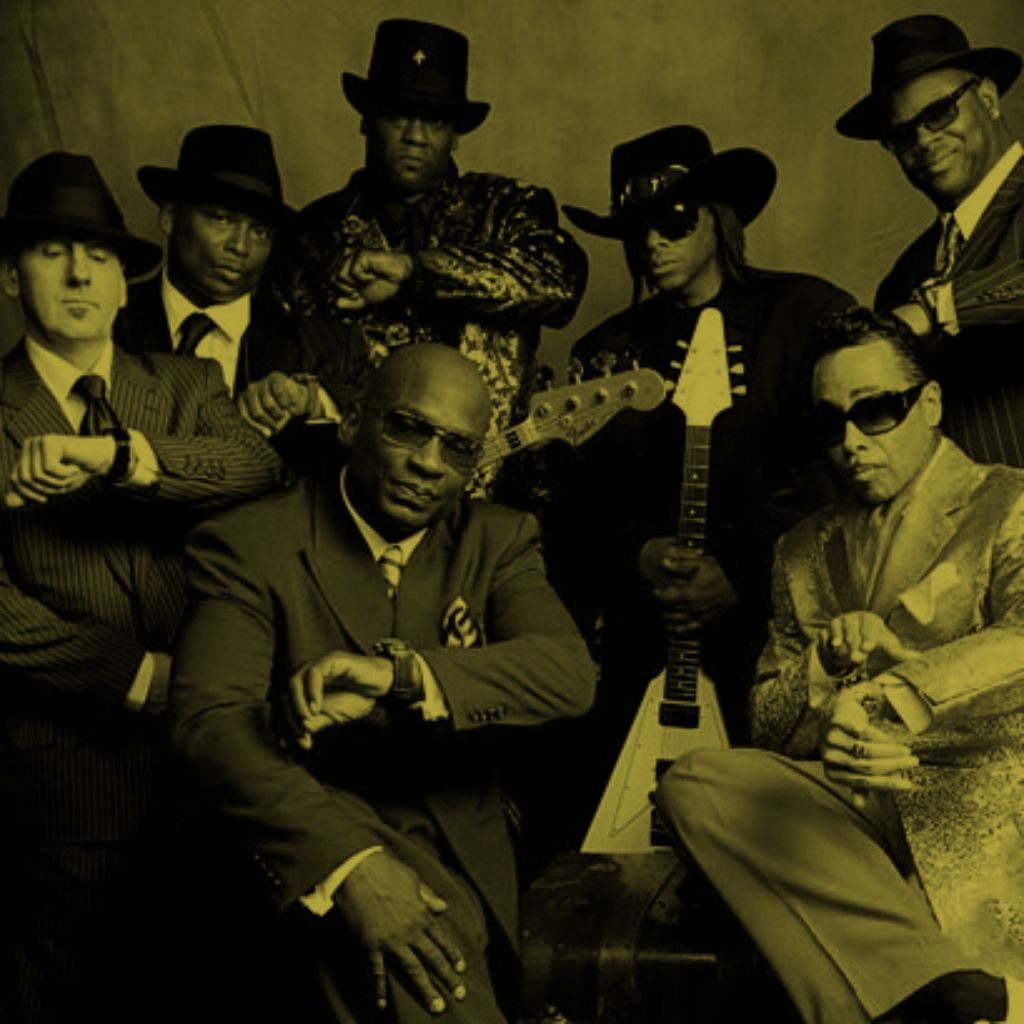
The Time were created from a merging of two local Minneapolis funk outfits: Flyte Tyme and Enterprise. The original line up feature musicians that would gain recognition on their own merit despite Prince - under the pseudonym Jamie Starr - having a major hand in the production, mixing and engineering of their debut Warner Bros. album in 1981.
The Time
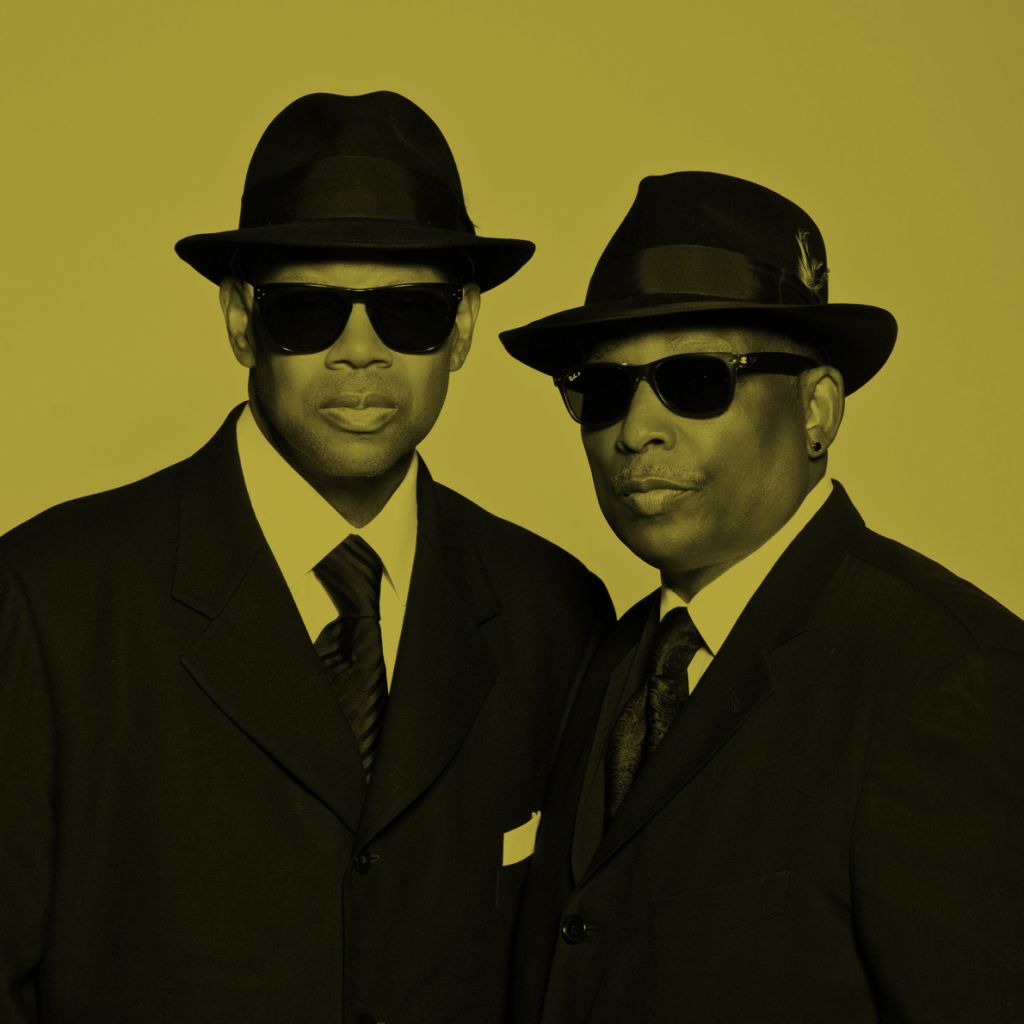
The flamboyant lead singer Morris Day had a persona akin to an eighties version of Little Richard and the talent to match. Jimmy ‘Jam’ Harris and Terry Lewis would move on to becoming one R&B’s most successful production teams responsible for R&B classics by SOS Band, Change, Cherelle, Cheryl Lynn, Alexander O’Neal, Janet Jackson, Michael Jackson, Usher and countless others.
Jam & Lewis
Keyboardist Monte Moire also produced many of the same artists whilst guitarist Jesse Johnson formed his band Jesse Johnson Revue and drummer Jellybean Johnson continued to work closely on Jam & Lewis’ ‘Flyte Tyme’ productions.
The Time were an electric live performance outfit and competed heavily with local bands. This dynamic would form the basis for the movie Purple Rain in 1984 as The Time are portrayed as the rivals for Prince’s band The Revolution.
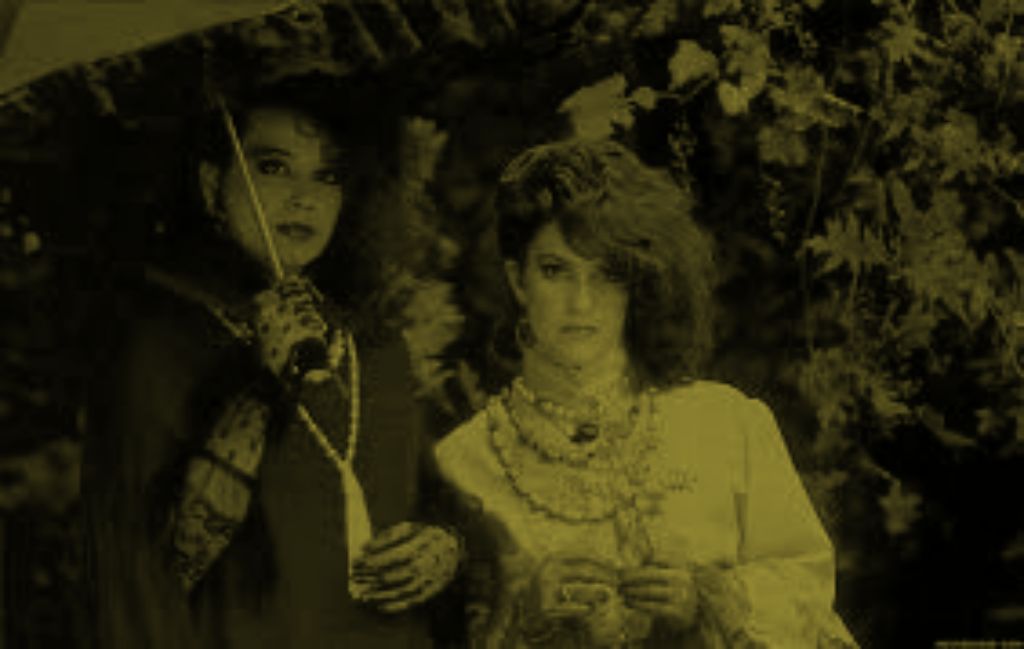
Local member of The Revolution from 1981-1986 was Mark Brown - known as Brownmark. In addition to a solo career for Motown after leaving the band, Brown formed the band Mazarati who enjoyed label support from Prince’s Paisley Park before also moving on to Motown. Completing the line up alongside Matt ‘Dr’ Fink and Bobby Z were Wendy Melvoin & Lisa Coleman who as Wendy & Lisa released critically acclaimed albums for Columbia and Virgin.
Wendy & Lisa
Bassist Andre Cymone had played on Prince’s first albums for Warner Bros before securing his own solo deal with Columbia in 1982. All three Columbia albums personify the Minneapolis Sound. The key link here being engineer David Rivkin - brother of Bobby Z of The Revolution. Based out of legendary Minneapolis recording studio Sound 80 - Rivkin went on to become engineer and producer at Prince’s Paisley Park Studio’s from 1985 to 2004.
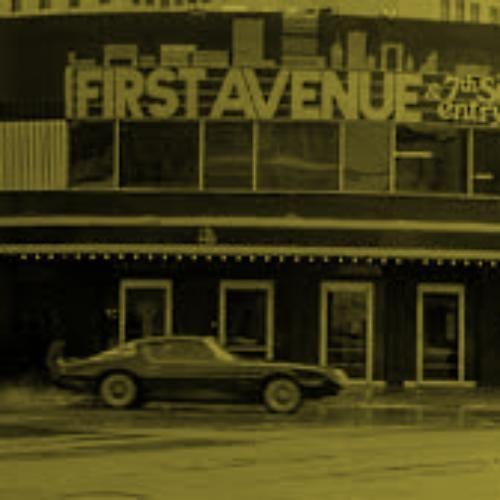
Listening to The Time, Prince’s material up to 1986 and Andre Cymone’s albums a definitive style emerges. As well as the impeccable musicianship - necessary in such a closely competitive local scene such as Minneapolis where bands fought to get shows at venues such as First Avenue - the equipment used timestamps the music firmly in an era where analog synths reached the peak of innovation.
“
A lot of that was the idea of having keyboard players do horn parts on synthesizers rather than horns… I think that also probably contributed to what is known as the Minneapolis sound.”
Jimmy Jam
Polysynths with large voice counts enabled synths such as Oberheim OB series and the SCI Prophets to be capable of playing fat chords rather than the lead lines of mono-synths. The local rock scene ensured the influence of a burgeoning new wave scene alongside the electric guitar led to a funked up, rock-inflected sound with guitars being the preferred solo instrument and synths for the harmonic backing. On record the drums would often be merged or replaced by innovations in drum machine technology. The Linn Drum in particular with its pitched down claps and snares becoming a hallmark of the Minneapolis Sound.
“
The combination of the LINN and the Syncussion was the sound for me.”
Bobby Z
As analog was reaching its peak, digital multi-effects units were maturing. Harmonisers and delays from Eventide and Lexicon were also becoming a sonic fingerprint all over the Minneapolis recordings.
Prince put his energy into many side projects during the eighties with the trademark Minneapolis Sound. Some from outside such as longtime Prince associate Sheila E, Jill Jones and Sheena Easton were given the full Minneapolis Sound treatment as well as The Family who consisted of members of The Time and Susannah Melvoin - sister of Wendy. Their sole album of 1985 remains a classic of the genre.
Despite sounding outside of the Minneapolis Sound and more akin to a novelty Euro-Disco hit, Funky Town by Lipps Inc. is a solid Minneapolis claimed record laid down as it was at Sound 80. Lead singer Cynthia Johnson was also previously front person for the early iteration of Flyte Tyme.
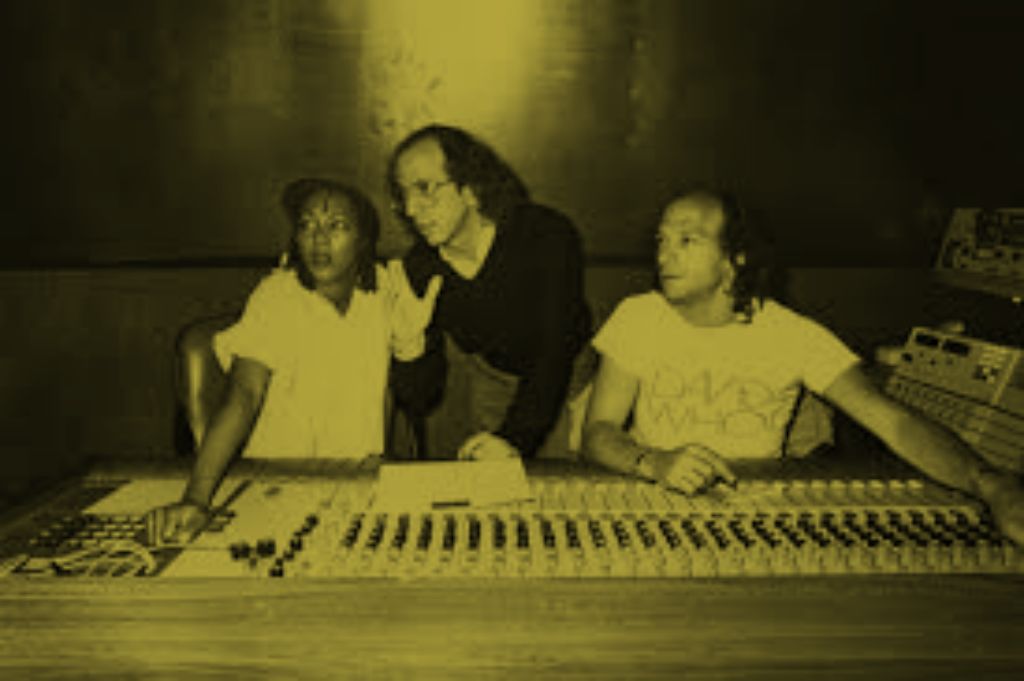
Cynthia Johnson, Steven Greenberg, David Z - Funk Inc. Sessions - Sound 80 Studios.
Thanks to Prince, the Minneapolis Sound conquered the world - ROVR Research takes an in-depth look at the alternative artists who also contributed to the collective history of this unique sub-genre within R&B and rock.