

“
All of a sudden, something said to me, 'Put something like that on a record, and it will be the biggest thing' ... I didn't even know you called it rap.”
Sylvia Robinson (Sugar Hill Records)
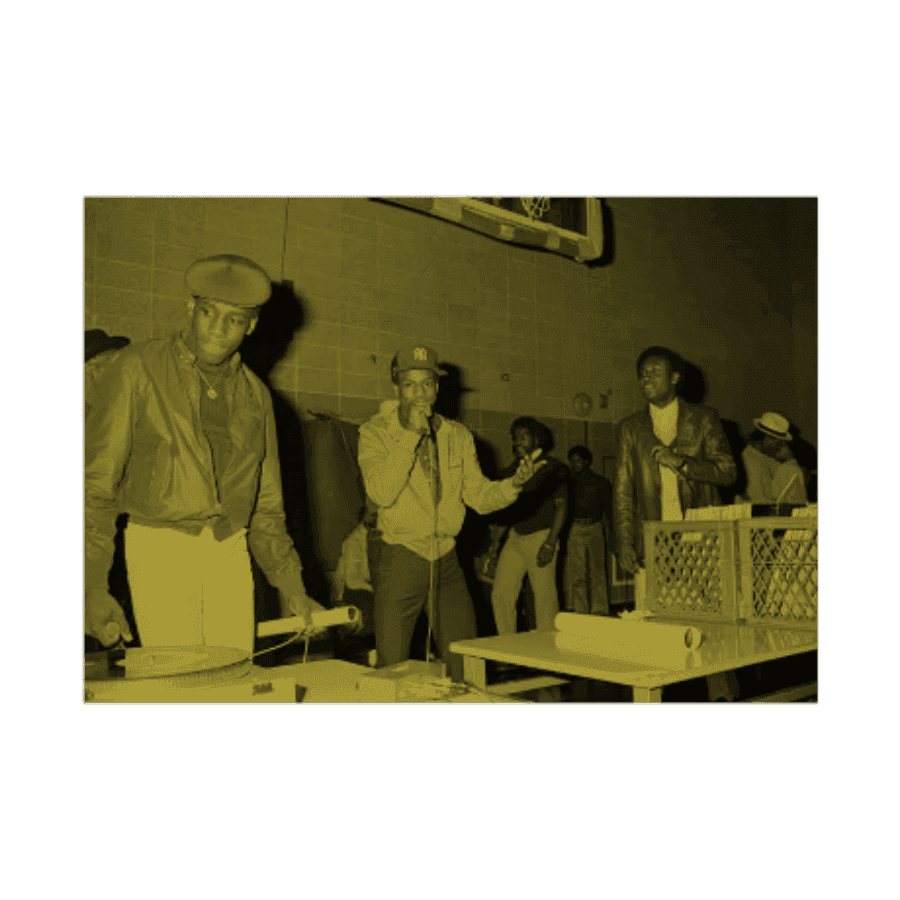
By 1979, hip-hop was already a thriving culture. In the Bronx and across New York, DJs and MCs had spent years building a new form of entertainment at block parties, community centres and clubs. DJs extended the most exciting rhythmic breaks from funk, soul and disco records; MCs kept the crowd moving with boasts, rhymes and calls for a response.
Before 1979, if you wanted to hear rap, you went to a party, or perhaps got hold of a cassette recording of one. Then, in 1979, a succession of independent labels began releasing rap on vinyl, opening the door to an audience far beyond it’s New York birthplace.
“
King Tim III came about because basically we were doing an album and I didn't hear a single. I told my partner Jerry that we needed a hit otherwise ain't no one was gonna hear the album. So I said, 'Jerry, what if we do a rap song?”
Bill Curtis (Fatback Band)
In this initial period, established musicians, veteran record producers and young MCs were all experimenting with what a rap record could be. There are plenty of examples that qualify as proto-rap: The Last Poet’s, Gil Scott-Heron come to mind however the first commercially released record to overtly feature an extended rap came from an established funk band. Fatback had been making hit dance records throughout the 1970s when bandleader Bill Curtis brought DJ and MC Tim Washington into the studio.
While Fatback were finishing up their 1979 album Fatback XII, bandleader and percussionist Bill Curtis felt that the album did not yet have a potential hit song. One of the songs that had been recorded for the album was a mostly instrumental piece titled "Catch the Beat", and Curtis came up with the idea to add rapping overtop of it.
The Fatback Band had been exposed to hip-hop while performing around New York, including hearing cassette tapes and seeing DJ Hollywood perform at the Apollo Theater.
Timothy Washington, a little-known MC and DJ who went by the stage name King Tim III, was brought in to rap over the track. Washington was reportedly friends with one of Fatback's roadies and it was also reported that Gerry Thomas, the band's keyboardist and Curtis's creative partner, was impressed after hearing a cassette of Washington rapping over the song "Running Away" by Roy Ayers.
Released on Spring Records in 1979, “King Tim III (Personality Jock)” appeared initially on the flip side of “You’re My Candy Sweet”. Its muscular, live funk groove gave Washington room to introduce himself and work the beat with the confidence of a club personality. When DJs and listeners responded, the rap side gained attention of its own.
The record is often described as the first commercially released rap single, though that claim depends on how rap and its earlier recorded precedents are defined. What is clear is that it reached shops before the record that would make the new sound internationally famous.
That record was “Rapper’s Delight”. Released on Sugar Hill Records, it introduced millions of listeners to the sound of MCs trading rhymes over an irresistible dance groove. Sugar Hill’s Sylvia Robinson, already an experienced singer, producer and record executive, assembled the Sugarhill Gang: Wonder Mike, Master Gee and Big Bank Hank. Their long, exuberant performance drew on party routines, comic storytelling and the competitive tradition of the MC.
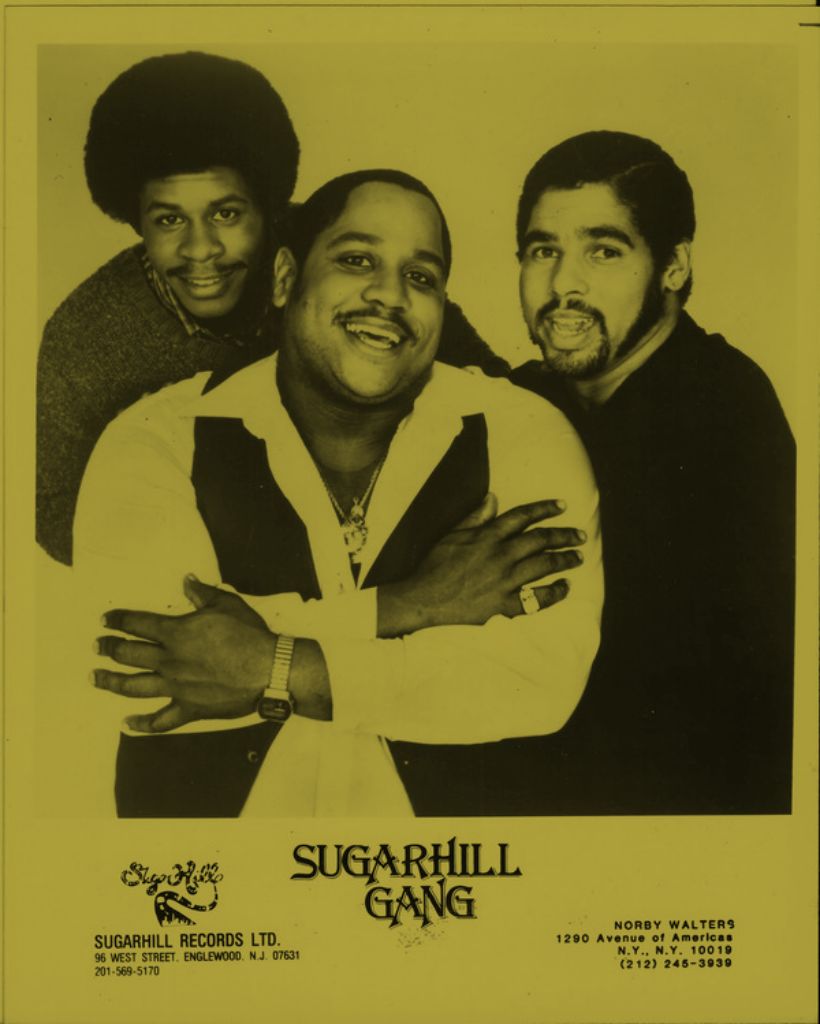
The creation of the song begins in September 1979. Blondie and Chic were playing concerts in New York at the Palladium. When Chic started playing "Good Times", graffiti artist Fab Five Freddy and the members of the Sugarhill Gang ("Big Bank Hank" Jackson, "Wonder Mike" Wright, and "Master Gee" O'Brien), jumped up on stage and started freestyling with the band. A few weeks later, Chic guitarist Nile Rodgers was on the dance floor of New York club Leviticus and heard the DJ play a song which opened with Bernard Edwards' bass line from Chic's "Good Times". The song turned out to be an early version of "Rapper's Delight", which also included a scratched version of the song's string section.
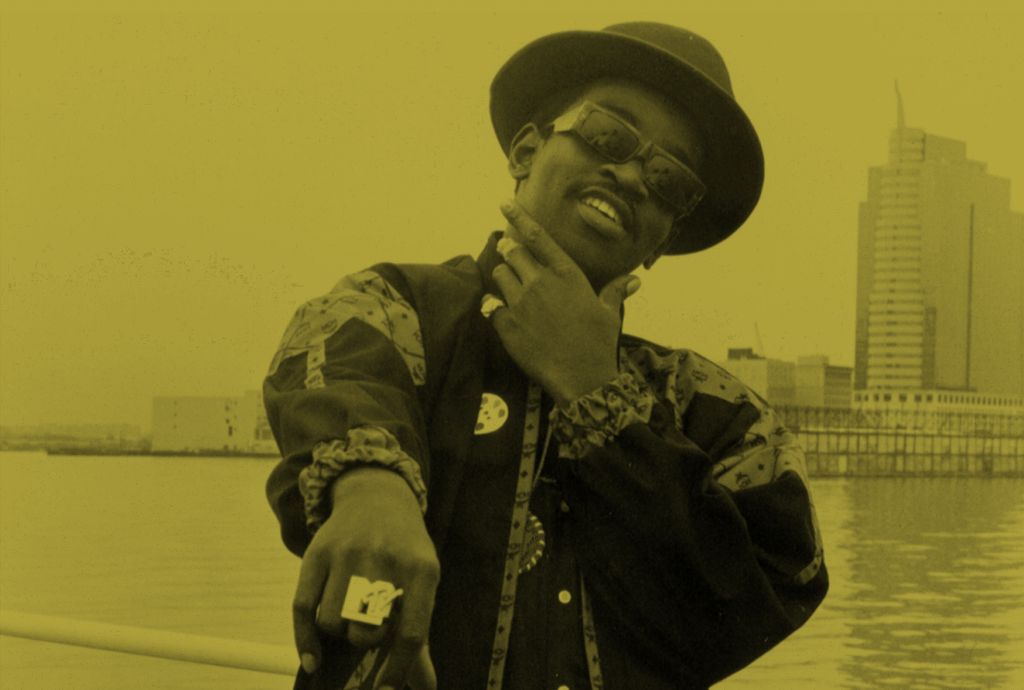
Fab Five Freddy
Rodgers and Edwards immediately threatened legal action over copyright, which resulted in a settlement and their being credited as co-writers. Rodgers claims that this is the first and only time ever he resisted one of his records from being sampled.[13] He admitted that he was originally upset with the song, but later declared it to be "one of his favorite songs of all time.”
Using the backing track of a well-known disco hit was an authentic representation of the live performance aspect of rap music prior to its commercial entry. In the absence of live bands - rap was mostly performed over instrumental versions of disco hits such as Good Times, Cheryl Lynn’s ‘Got To Be Real’ and others. With the commercial release of this phenomena - rap music collided with the legal issues surrounding copyright that continued into the era of sampling.
The Sugar Hill band Positive Force, replayed the bassline and groove of “Good Times”, giving the record an instantly familiar foundation and recreated a section of British band’s Love De Luxe ‘Here Comes That Sound’ for the iconic opening percussive section. According to Wonder Mike, he had heard the phrase "hip-hop" from a cousin, leading to the opening line of "Hip-hop, hippie to the hippie, to the hip-hip-hop and you don't stop", while he described "To the bang-bang boogie, say up jump the boogie to the rhythm of the boogie, the beat" as "basically a spoken drum roll. Big Bank Hank used rhymes associated with Grandmaster Caz of the Cold Crush Brothers, who had loaned his 'book' to him and included a namecheck for "Casanova Fly", which was Caz's full stage name.
“
I always kept my ears open to what was happening in the streets and I'd see these kids in a party. That was around 1978. They would clap their hands and stomp their feet to the sound of DJ's spinning records and other guys rapping. So I thought 'Let's Do Something'”
Joe Bataan
Rap’s early recording history crossed paths with New York’s Latin and disco scenes. Filipino vocalist Joe Bataan had already built a reputation as a pioneer of Latin soul, bringing together the sounds of East Harlem, R&B and boogaloo. By the late 1970s, his music had moved towards disco.
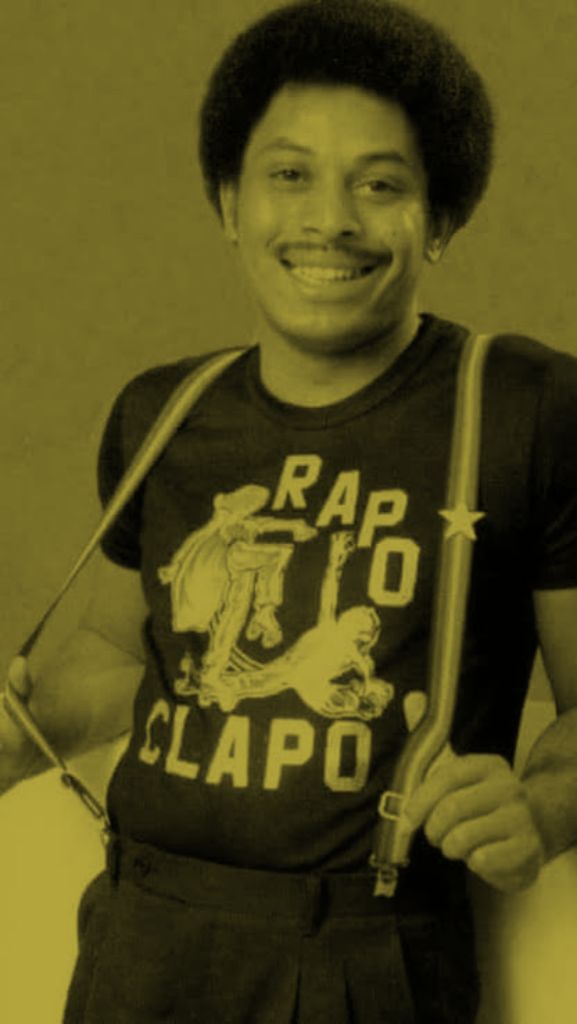
Joe Bataan
Inspired by the local rap crews on the streets of Harlem, Bataan’s “Rap-O Clap-O”, released on established East Coast disco label Salsoul, brought a veteran musician’s feel for melody and dance-floor momentum to the new style. Its handclaps, lively rhythm and accessible vocal made it a distinctive early rap record, connecting the emerging sound to the city’s wider musical life. Although recorded around the same time as Rapper’s Delight, Salsoul didn’t release Rap-O-Clap-O until 1980, some months after the worldwide success of the 1979 Sugar Hill release.
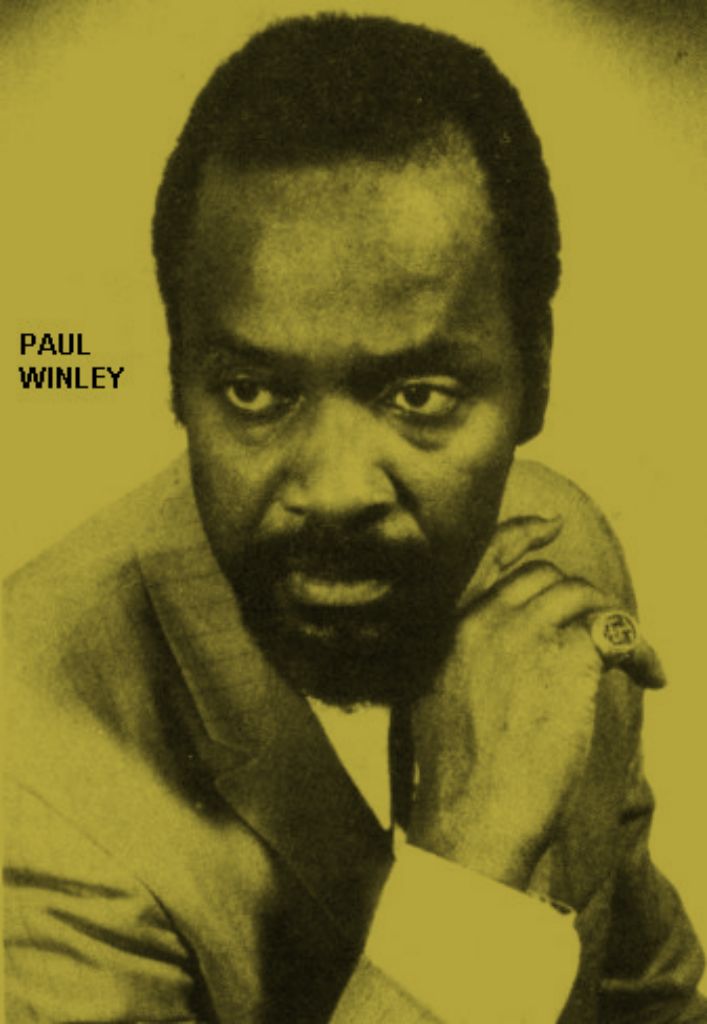
Women were present in hip-hop from its early years, although their contributions have too often been left out of the story. “Rhymin’ and Rappin’” by sisters Paulette and Tanya Winley is one of the earliest rap records released by women. It appeared on Paul Winley Records, the label run by their father, a Harlem record man whose work reached back to the doo-wop era. An independent label with roots in an earlier generation was now helping put the next generation’s music on vinyl.
On Brass Records, “We Rap More Mellow” appeared under the name the Younger Generation. The record has a significant place in early hip-hop history because the group consists of the MCs who became known as the Furious Five. We Rap More Mellow was perhaps the first commercial example of pure, authentic street hip-hop with routines developed in front of crowds being adapted to a studio setting.
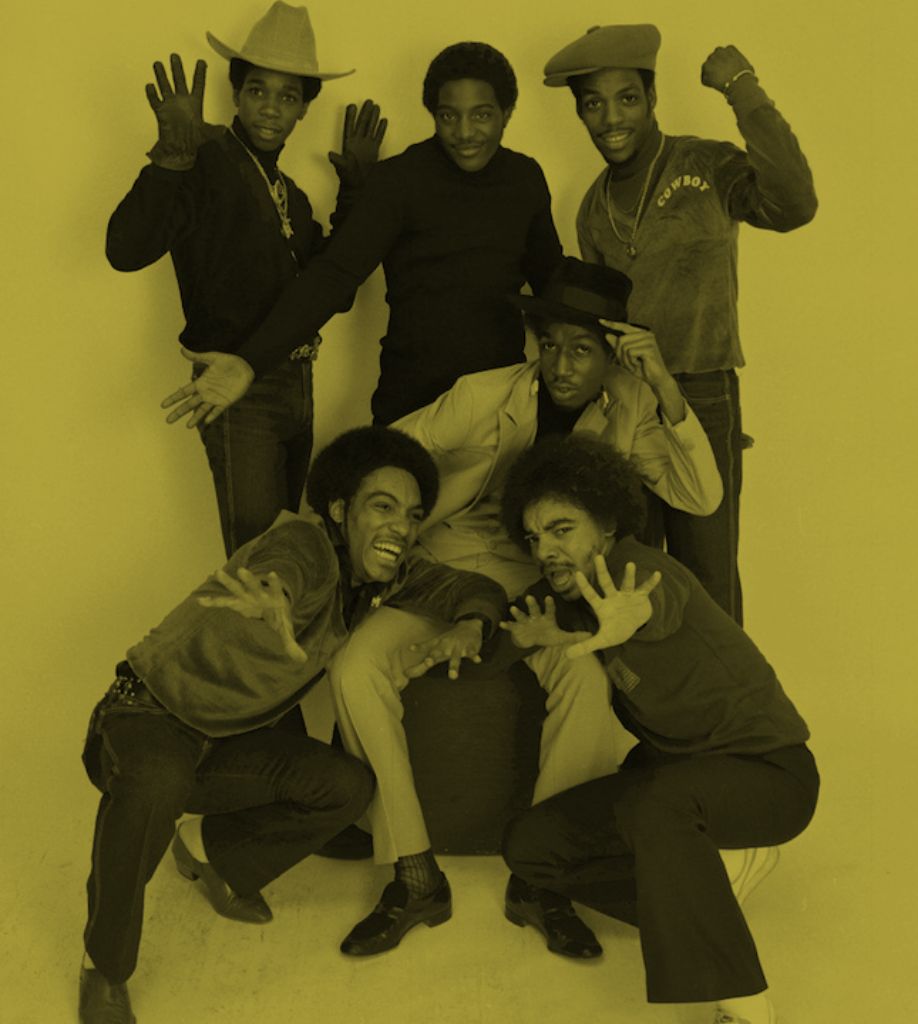
The Furious Five
Similarly, Funky Four Plus One More: “Rappin and Rocking the House” saw an established Bronx crew making the transition to vinyl. Released on Bobby Robinson’s Enjoy Records, it was a landmark for the label and for recorded hip-hop. At nearly sixteen minutes, the record gives the MCs space to trade verses, interact and build a collective presence.
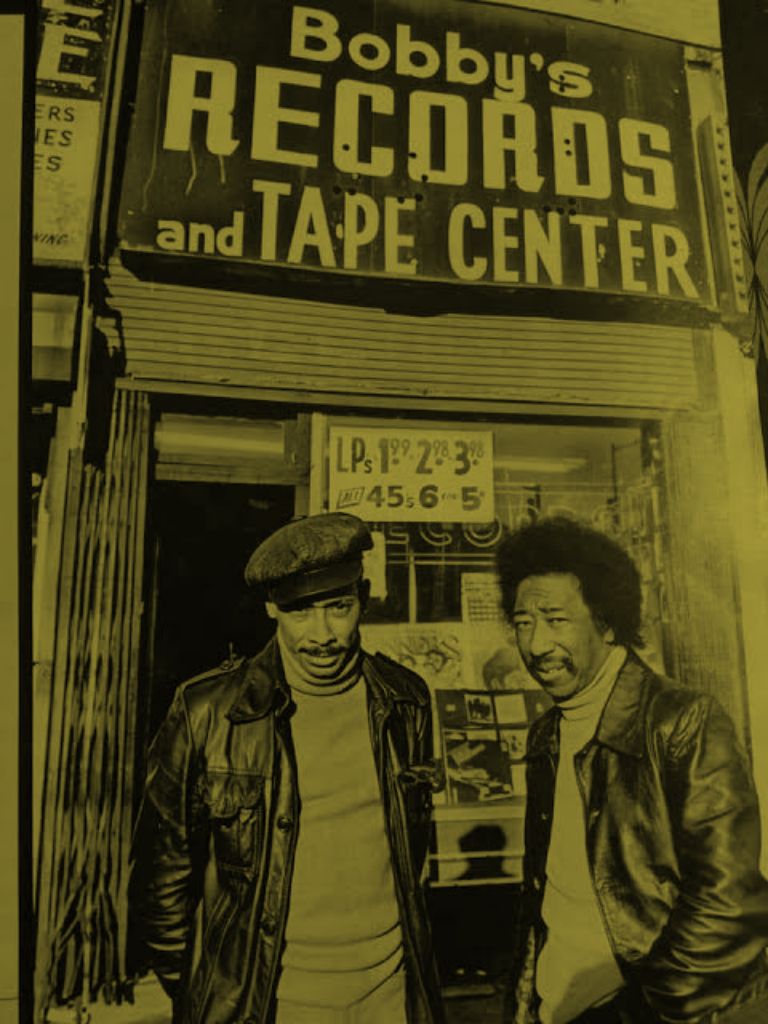
Bobby Robinson - right (Enjoy Records)
Robinson was another experienced independent record man, with a long history in R&B and blues. With Enjoy, he began recording artists whose reputations had been built in the city’s hip-hop scene. Enjoy followed with “Superappin’” by Grandmaster Flash and the Furious Five. Like “Rappin and Rocking the House”, it brought an established crew into the recording studio and let its MCs demonstrate the chemistry they had developed in performance.
“
I record things that touch me. And I try to record them pure, 100%, no water added”
Bobby Robinson (Enjoy)
Taken together, these records reveal the excitement of a music finding its way onto a new medium. The artists and labels approached rap from different directions, but all were part of a moment when a local culture became something listeners could take home, play again and share. In part two, we’ll explore more of the records and personalities that shaped rap’s first years on vinyl.