

“
When you talk about rap you have to understand that rap is part of the Hip-Hop culture”
Afrika Bambaataa
“
Hip Hop is thee dominant youth culture in the world right now.”
Kurtis Blow
By the closing months of 1979, the success of “Rapper’s Delight” had given record makers an irresistible invitation. Rappers, musicians and producers were heading into studios, and independent labels were putting names familiar only to party-goers in the Bronx and Harlem onto on to twelve-inch singles. Each new release offered another personality, another approach to the microphone and another recreated disco backing track for dancers.
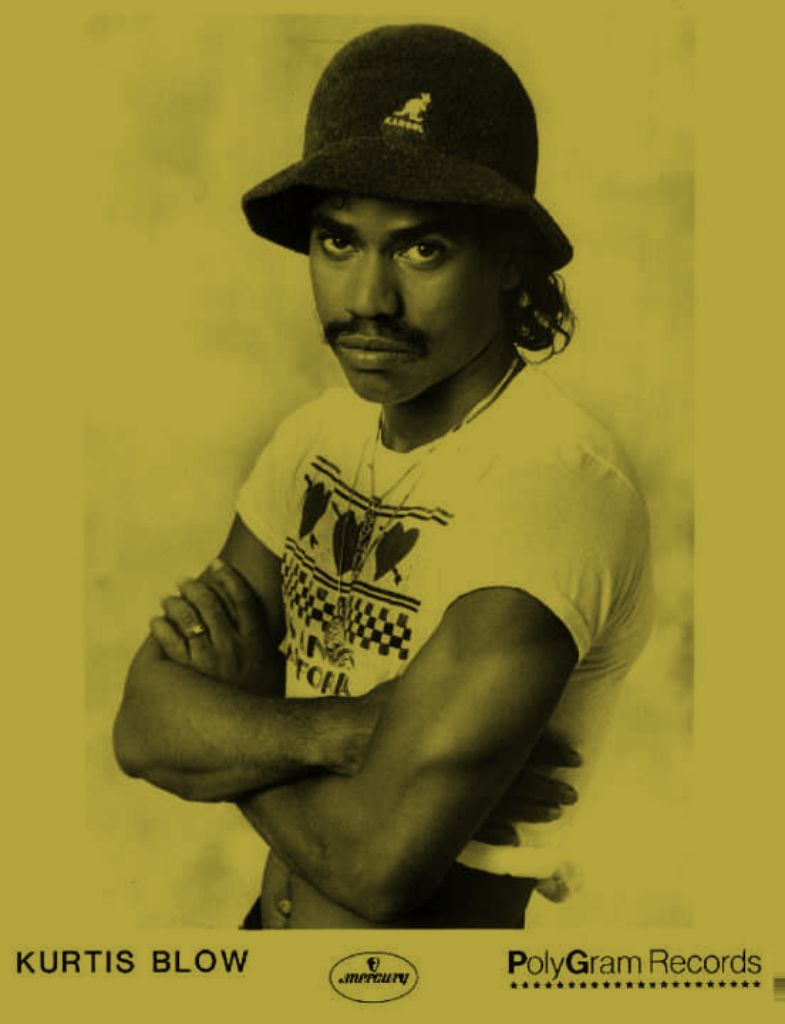
A new record market was taking shape with its possibilities expanding as quickly as fresh copies reached the shops. Kurtis Blow’s “Christmas Rappin’” captured that sense of opportunity. Produced by Robert Ford and J.B. Moore, it reached major label Mercury Records who saw its potential in the new rap craze and snapped it up after a lengthy search for a willing label.
Its release made Blow the first rapper signed to a major record company. The recording brought together his commanding, confident delivery, a festive storyline and a band equipped to keep the party moving. Larry Smith’s bass playing helped give the track its muscular foundation, supporting a performance that carried the style of Blow’s live appearances into the studio.
The response gave Mercury a substantial return on its gamble. “Christmas Rappin’” sold hundreds of thousands of copies, with Blow’s official biography placing its eventual sales above 400,000. In Britain, it reached number thirty in December 1979. Its appeal continued into the following year, and Mercury exercised its option for another single. “The Breaks” followed in 1980, earning gold certification and establishing Blow as a recording star. Within a few months, rap had produced an artist whose career could develop through successive releases.
Independent companies supplied much of the surrounding activity. Their experience with disco singles, local distribution and specialist record shops particularly around Harlem and The Bronx gave them practical routes into the market. Harlem record label owner Peter Brown moved particularly quickly. By February 1980, Billboard reported that his P&P operation had sixteen rap records available, following the November release of Spoonin’ Rap on his Sound Of New York, USA imprint.
The twelve-inch format gave these performances room to unfold with Rappers Delight setting the tone at just under 15 minutes - an exceptionally long track even for the era of extended Disco mixes on 12” vinyl. Extended introductions, repeated hooks, studio created party crowd simulation and long tag-team stretches of rhyming by groups of multi-MC’s helped carry the atmosphere of an upstate block party across an entire side of vinyl and into people’s homes.
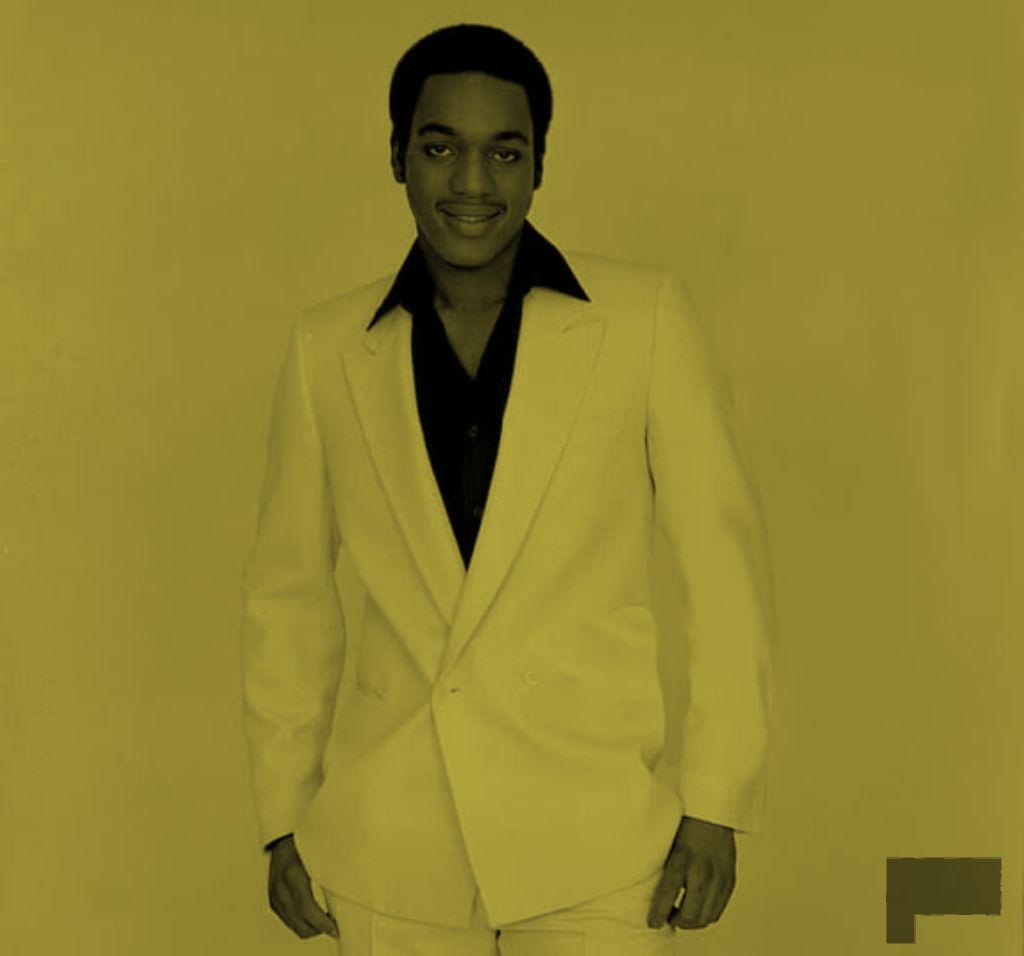
Spoonie Gee
“Spoonin’ Rap” introduced one of the period’s most distinctive solo voices. Spoonie Gee’s conversational delivery, personal stories and easy confidence made the rapper himself the centre of attention. Spoonie later recalled Brown visiting his uncle’s record shop in search of a rapper. His brother recommended him, he demonstrated his rhymes, and they went into the studio the following day. Rap’s emerging business could move at extraordinary speed.
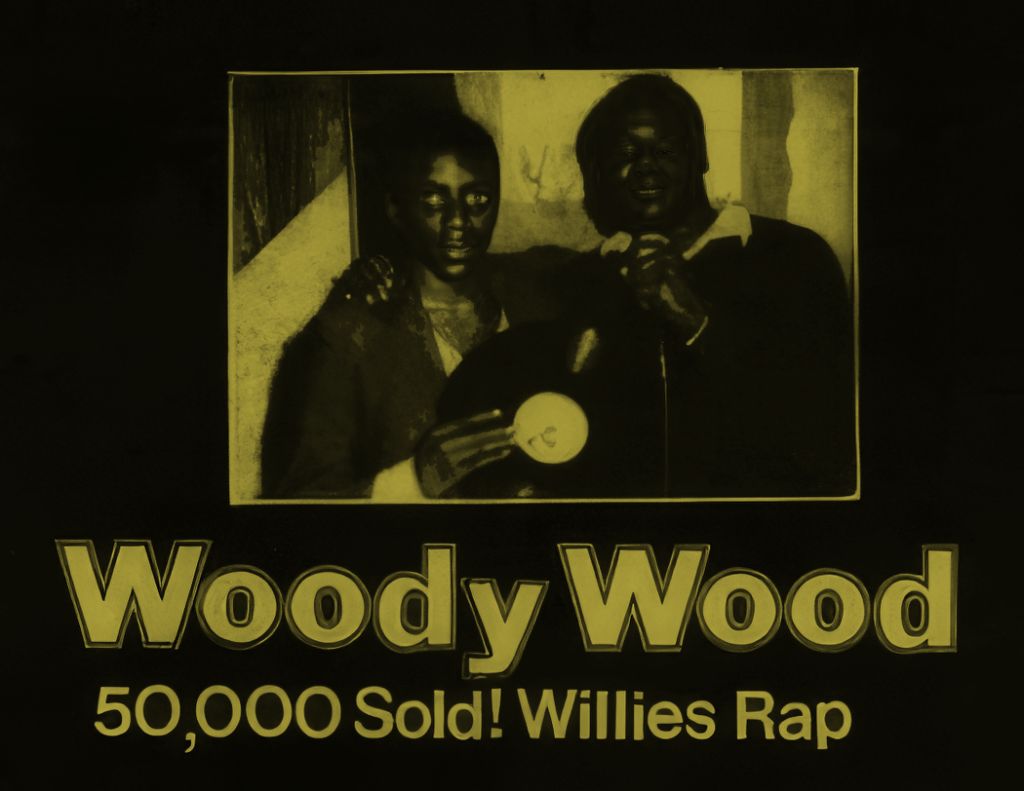
Sound of New York also issued “Willie Rap” by Willie Wood and the Willie Wood Crew. Its presence alongside Spoonie’s single shows the range of identities being promoted through these small labels. Solo names and collective billing both promised a recognisable personality behind the grooves.
Neil B’s “Body Rock,” released through BC Records, belonged to the same expanding world of dancefloor rap. The titles themselves spoke the language of the street - bringing a whole new lexicon of ghetto language harking back to the jazz-era.
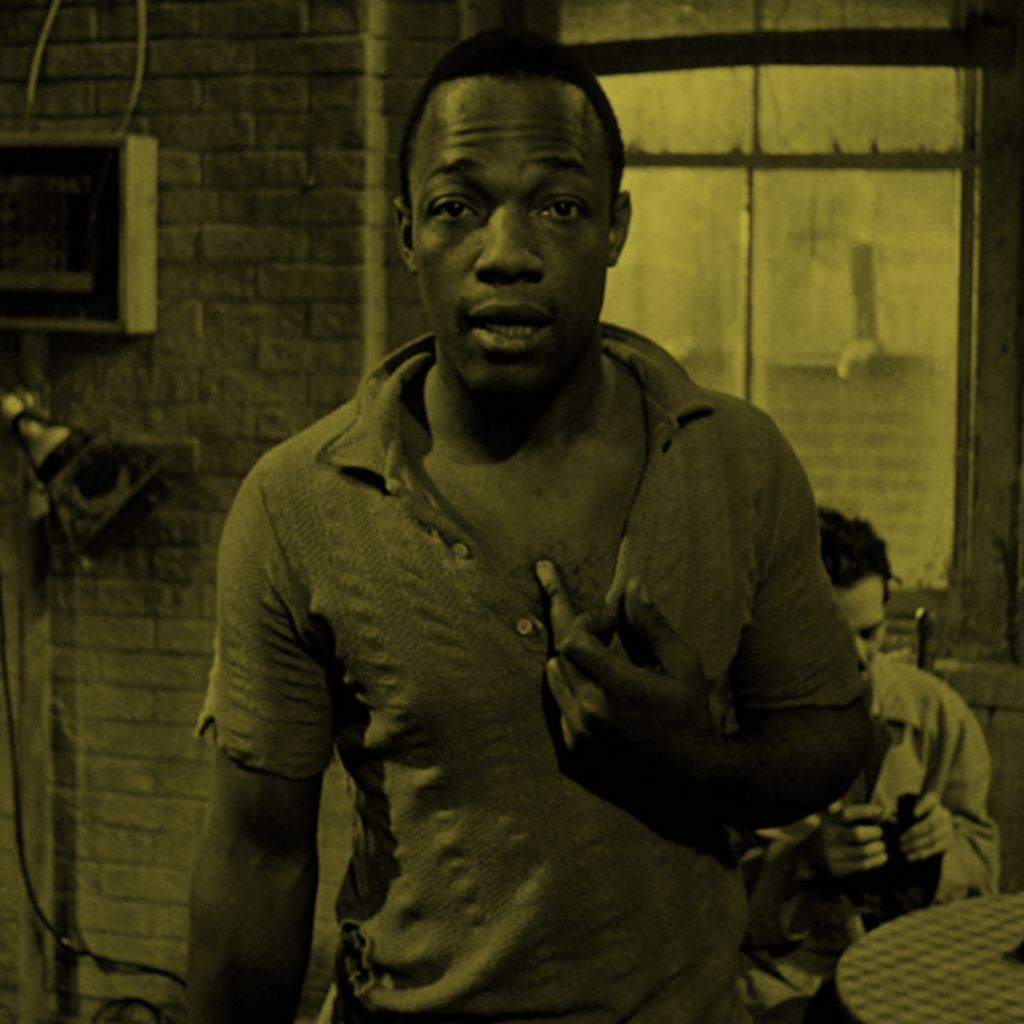
Jocko Henderson
Philadelphia contributed two particularly revealing records. Jocko Henderson brought decades of broadcasting experience to “Rhythm Talk,” released by Philadelphia International. His rhyming radio delivery fitted naturally over the instrumental backing of the label’s Ain’t No Stoppin’ Us Now by McFadden and Whitehead’s - one of the years biggest worldwide disco hits.
The familiar music gave listeners an immediate point of entry, while Jocko’s personality supplied the attraction. His record connected the new appetite for recorded rap with an established tradition of rhythmic microphone performance. An experienced radio entertainer could hear an opening in the same marketplace attracting young MCs.
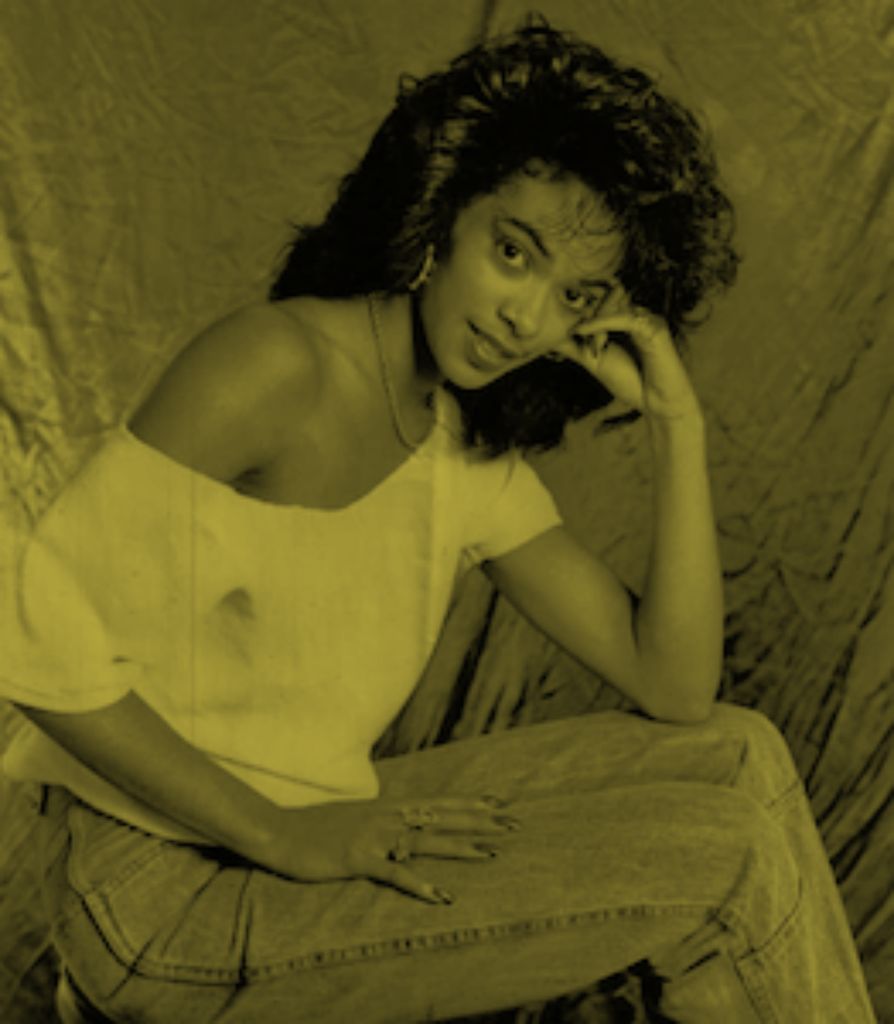
Lady B
Lady B’s “To the Beat Y’all,” issued on TEC, gave Philadelphia another early rap voice. Wendy Clark would become a crucial broadcaster and advocate for hip-hop, and this single places her among the women recording at the beginning of rap’s commercial expansion. “Lady D,” on Reflection, adds another female presence to the period’s independent catalogue. These releases reveal how early women were helping shape the sound and public identity of recorded rap. Their voices were part of the first wave reaching buyers, DJs and dancers.
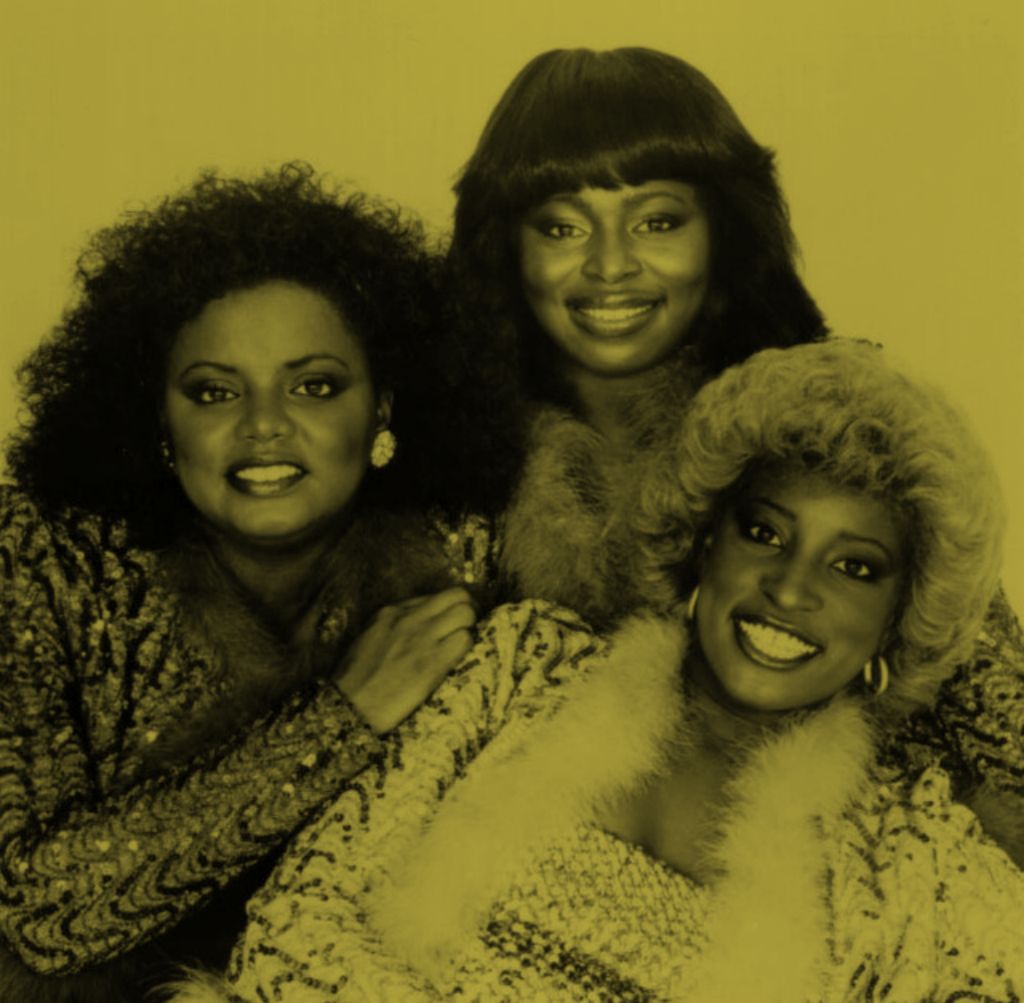
The Sequence
The Sequence brought that expansion southwards. Angie B, Blondy and Cheryl the Pearl came from Columbia, South Carolina, and their meeting with Sylvia Robinson led to “Funk You Up” on Sugarhill. Angie B, later celebrated as Angie Stone, remembered Robinson responding to the group’s accents and the strength of their hook. Their performance combined rhyming, singing and shared vocal energy, making the group’s chemistry central to the record. Released in 1979, “Funk You Up” established a southern female trio within rap’s rapidly developing recording industry and continued Sugarhill’s dedication to making rap the core of its catalogue.
“
Gangsta rap’ came out of my mouth. Did you know that?... I said, 'We're not Con Funk Shun, we're not the Gap, we're the Sugar Hill girls with the gangsta rap.”
Cheryl 'The Pearl' of The Sequence
The smaller releases give this moment much of its character. T.J. Swan’s “And You Know That,” on Express, and Sicle Cell and Rhapazooty’s “Rhapazooty in Blue,” on Showstoppers, added further names to the racks. The latter’s extended running time demonstrates the generous space available for a rap performance. Another Peter Brown label Golden Flamingo carried this enthusiasm into the early eighties with Mr. Fox’s “Smooth Talk” and Little Starsky’s “Dancin’ Party People.” Their dancefloor focus belongs to a period when independent disco production and recorded rap shared musicians, customers and commercial possibilities.
Reggae producers also recognised the opening - only natural considering Jamaican born Kool DJ Herc being acknowledged as the Godfather of Hip Hop via his local block parties and sound system. At reggae imprint Wackie’s, Lloyd Barnes recorded “Wack Rap” with Solid C, Bobby D and Kool Drop, backed by the studio’s session musicians. The release places rap inside the working life of a Bronx studio already developing its own distinctive reggae catalogue. Joe Gibbs entered the picture with Xanadu and Sweet Lady’s version of “Rapper’s Delight.” Its appearance on his label demonstrates how swiftly the original hit travelled through Caribbean recording networks.
The months following “Rapper’s Delight” brought major-label investment, a flourishing independent market, women’s voices and connections with other cities giving listeners a growing selection of personalities to follow. With every fresh pressing, rap gained another route to an audience and another opportunity to grow into the global Hip Hop movement of today.