

Nu Groove arrived in 1988, when house music was opening up new possibilities on both sides of the Atlantic. Founded in New York by Frank and Karen Mendez, the label initially provided an outlet for twin brothers Rheji and Ronald “Rhano” Burrell. Their experience recording an R&B album that initial year for Virgin Records had gave them a solid start in songwriting and studio production. Nu Groove however gave their more underground ideas room to develop.
“
I just got there at the peak, when it was really starting to get recognized. I took a job with this idiot promotions guy, Joe Giocoso, and Karen, who owned Nu Groove, worked in the office, too, and then she quit because he was an idiot, to go make Nu Groove into something, and they needed somebody to work there, and she was like, 'Hey, how about the girl I just worked with?' That was it. I got the job”
Judy Russell
Karen and Frank launched Nu Groove on a shoestring budget from an office located at 25 West 38th Street in Manhattan. The original blueprint for the label was incredibly simple: it was designed purely as an independent vehicle for the Burrell brothers to release whatever music they wanted, completely free of corporate oversight. Judy Russell joined the team as an important figure in A&R and promotion, helping connect the label with its growing community of producers.
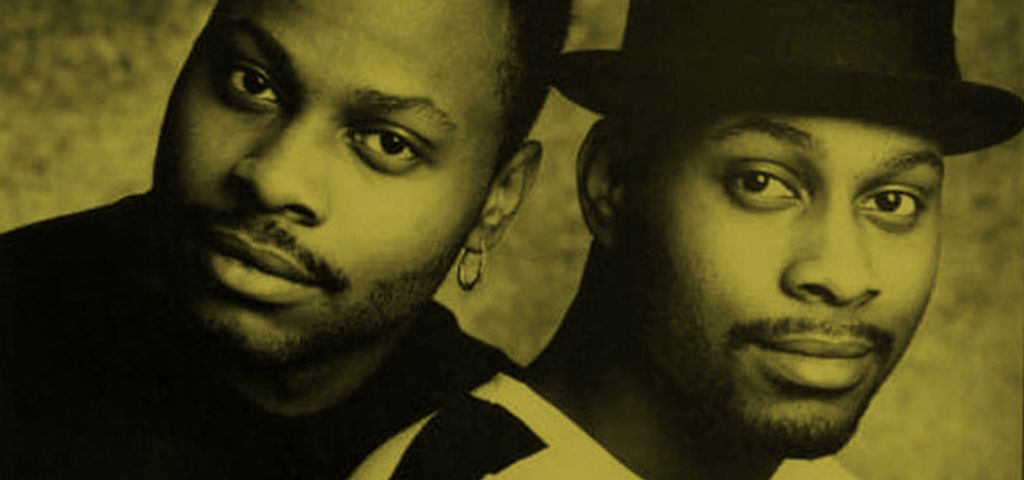
The Burrells
The opening releases already reveal how much ground the brothers could cover. Across Tech Trax Inc., Metro, N.Y. House’n Authority, Aphrodisiac, the The Utopia Project and more, the Burrells built a catalogue of the highest standard for a golden era of East Coast club music.
An early commercial breakthrough came with Bäs Noir’s “My Love Is Magic”, capturing the confidence with which Nu Groove approached vocal house. The follow-up, “I’m Glad You Came To Me”, strengthens that connection to soul and a song-based approach. Roqui’s “You Are On My Mind” and “I’ve Just Begun To Love You” belong within the same musical sphere carrying forward the soulful tradition of New York disco into arrangements catering for a new generation of DJs and dancers.
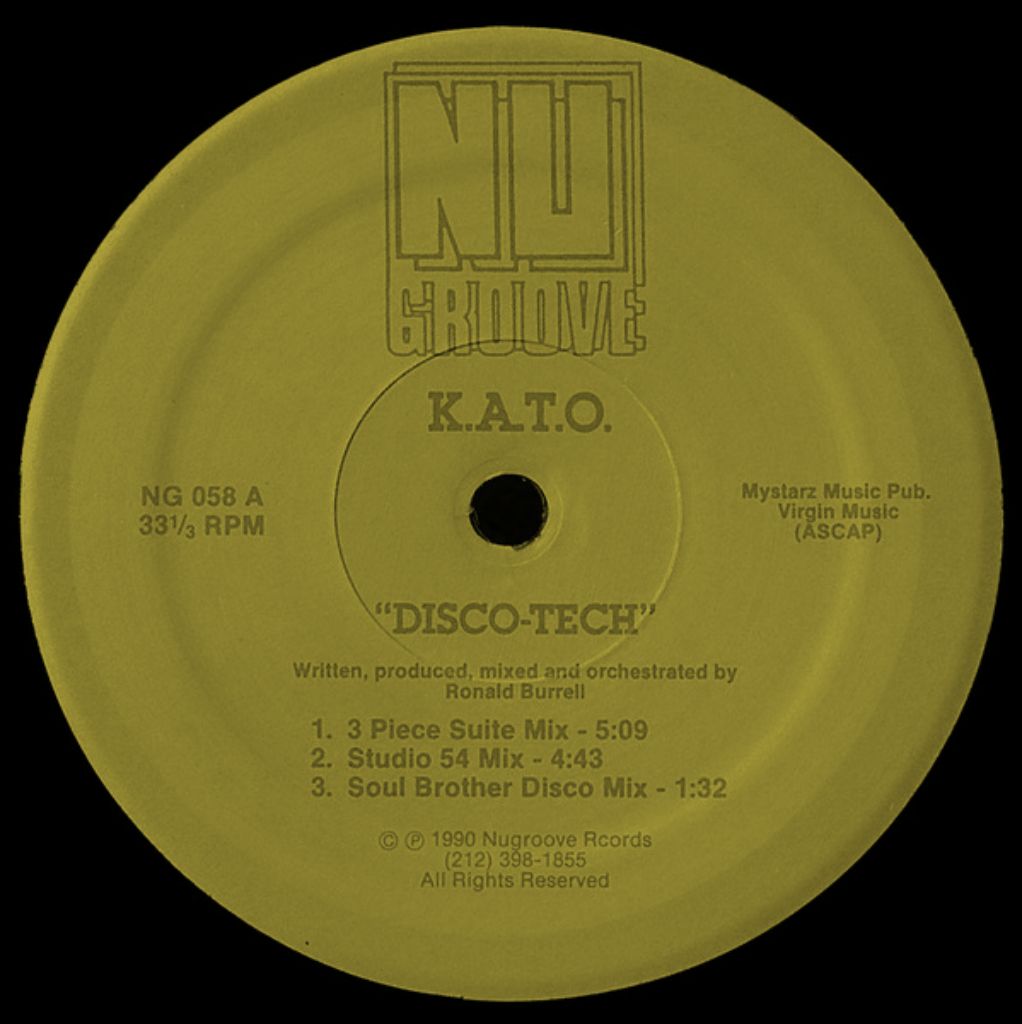
Rheji Burrell described a shared appetite for funk, disco and the emerging sound of hip-hop in their background. K.A.T.O.’s “Disco-Tech”, makes the disco connection explicit with a perfect recreation of the famous seventies New York session player project The Players Association. Jazz Documents’ “Private Code” also became a popular play on the acid-jazz scene then gathering momentum ensuring the Burrell’s were being heard across a wide spectrum of clubland at that time.
Running alongside these more soulful traditions were edgier experiments with the possibilities of instrumental house. N.Y. House’n Authority’s stripped down the elements to create a darker minimal vibe with Chicago influences. Metro’s “Brownstone Express” merged the styles together and remains one of the timeless classics of late eighties House. Pure simplicity of melody meeting a gorgeous bed of chords and the deepest of basslines.
The NuGroove roster soon added multiple talents to the Burrell’s foundation for the label. Bobby Konders introduced an important set of influences. His background at New York’s Wild Pitch parties and his enthusiasm for reggae and dub helped brought a heavy roots vibe to the label with projects such as Rydims’. The wider Konders catalogue, including “The Poem”, showed how a dub aesthetic could work within a House music context given New Yorks love of the Jamaican dub sounds going back to Larry Levan’s classic sets.
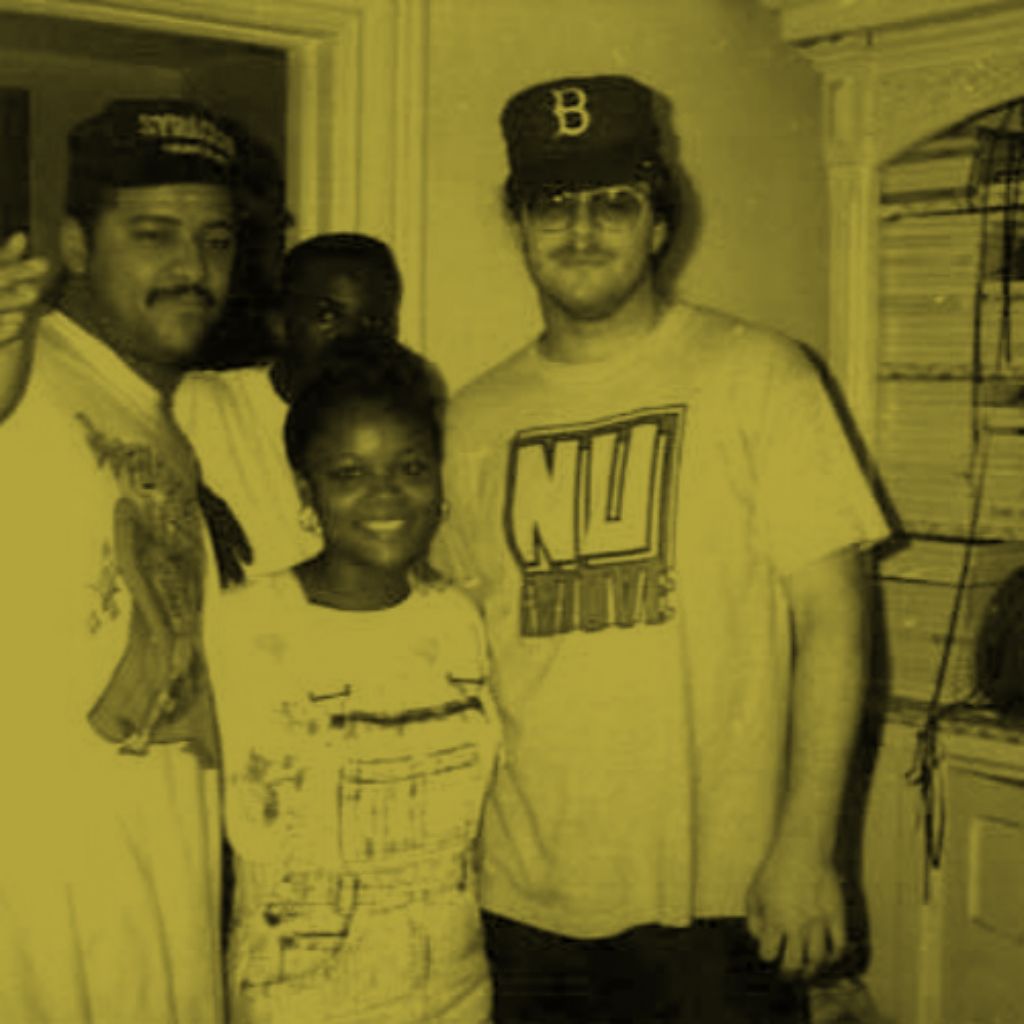
Bobby Konders in NuGroove T-shirt.
The Burrell’s and Konders collided beautifully with The Equation track“I’ll Say A Prayer 4 U” making it a perfect meeting point within the NuGroove personnel.
As NuGroove enjoyed more success - musician Peter Daou appeared more regularly on the label credits. His keyboards were an important presence across several NuGroove of recordings, bringing a virtuosity into productions sometimes lacking in the DIY aesthetic of House music. Daou actually went on to become an important political activist and served as advisor to Hilary Clinton.
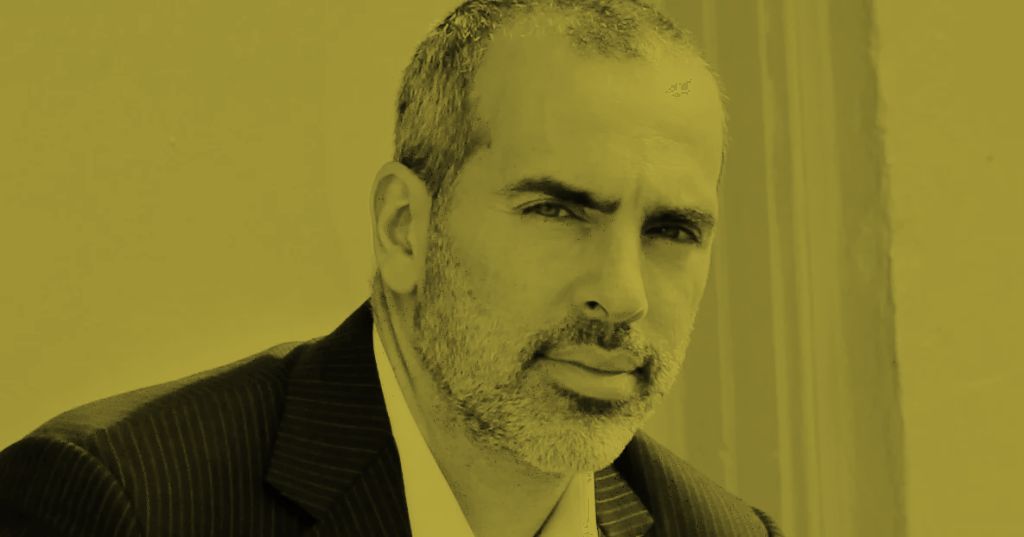
Peter Daou
Aphrodisiac’s “Just Before The Dawn” is a typical example of a NuGroove track that enjoyed club and rave success despite being decidedly chill. NuGroove were covering all bases with early morning sunrise style bliss as well as head down intense rave anthems.
The tougher side of the catalogue covered the peaktime material with a key group of New York producers with previous experience on the Hip-Hop and boogie scene. Frankie Bones, Tommy Musto and Lenny Dee were central figures in an overlapping New York studio community that connected house, freestyle, sampling and increasingly tougher electronic dance music.
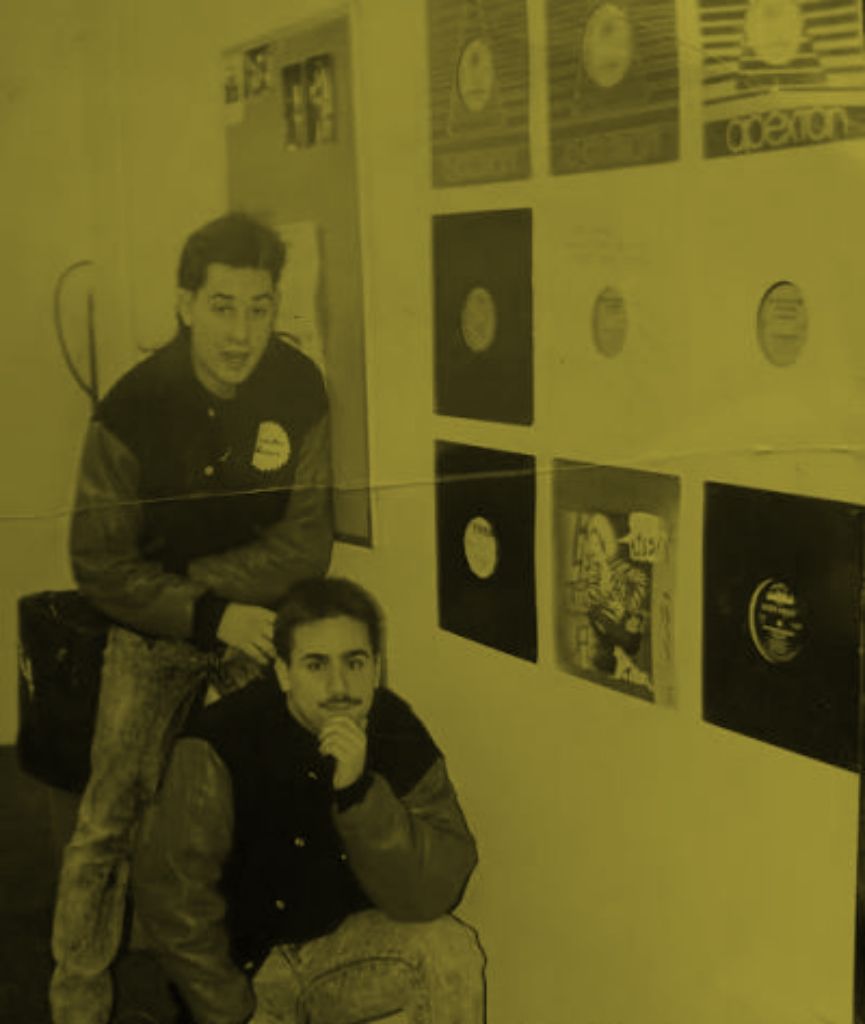
Frankie Bones and Lenny Dee
Looney Tunes’ “Another Place Another Time”, from the Frankie Bones and Lenny Dee partnership, captures that essence and was a ubiquitous presence at the orbital raves of the late eighties in the UK. Its success enabled Frankie Bones to perform DJ sets to Britain’s ravers where he quickly switched from a more Hip-Hop style to a breaks and rave approach which saw him cement his name in rave folklore. The experience of the scale of British outdoor parties firsthand inspired Bones on his return to help develop a comparable scene in America
“
Those Nu Groove releases led to me being invited to perform at some of the biggest open-air illegal parties in Britain... a scene I then became determined to recreate in America.”
Frankie Bones
Joey Beltram’s Code 6 tracks, “Crack Of My Snare” and “Quad I”, place another future innovator inside the selection. His subsequent collaboration with Mundo Muzique as Second Phase produced “Mentasm”, released on R&S in 1991, whose impact spread through European techno and British hardcore. Another example of Nu Groove giving New York talent a platform, while the records and collaborations that followed carried those producers into a rapidly developing international circuit of labels, clubs and outdoor parties.
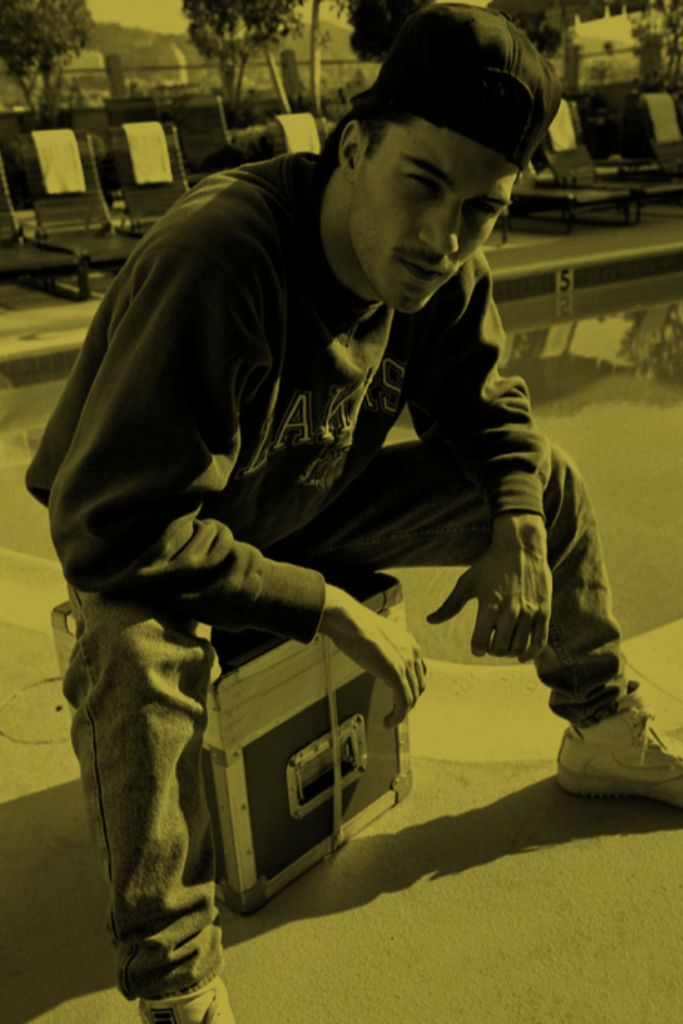
Joey Beltram
“
Frank Mendez of Nu Groove Records gave me my first label, Dopewax, so that I’d have an outlet to release anything I wanted.”
Kenny Dope
Perhaps most well-known of all Kenny “Dope” Gonzalez was another young producer whose early work passed through the Nu Groove network. His Powerhouse releases and the associated Dopewax operation introduced listeners to his approach to beats and samples. Louie Vega later recalled hearing the range of Kenny’s influences and asking Todd Terry to introduce them. Their partnership as Masters At Work would become central to the following decades of house and continues to this day. Nu Groove belongs to that formative story, helping make Kenny’s productions available to the DJs who recognised their potential.
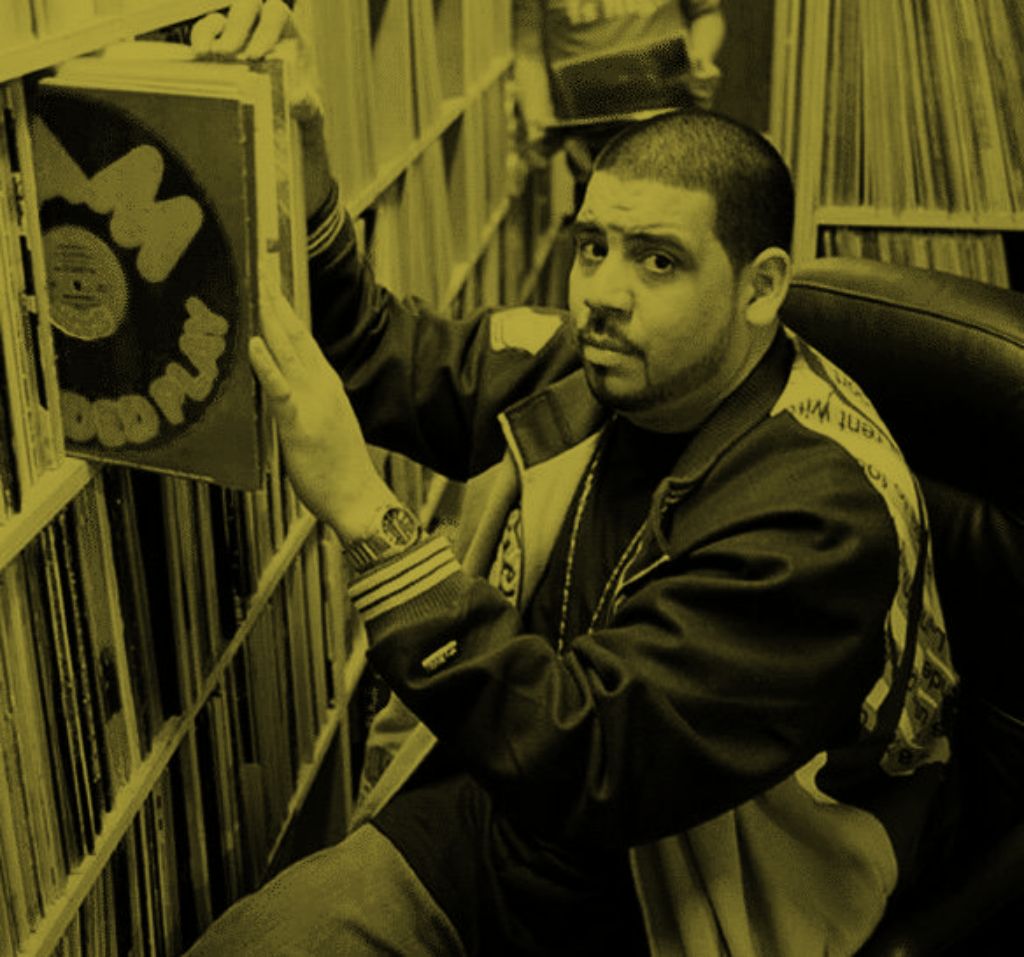
Kenny Dope
As NuGroove expanded so did the location of artists on the label. One of the biggest commercial and club successes that helped cement the labels reputation came from Baltimore based Basement Boys and DC’s Daryll ‘Mandrill’ Harris. Released under the name 33 1/3 Queen “Searchin” remains one of those unique undefinable club hits only NuGroove could release.
L.B. Bad, Foremost Poets, Keith, Kat & Blondie, Danny Xtravaganza and more give an indication of the wealth of talent HuGroove found in a short time at the top of the game. Producer Victor Simonelli remembers 1991’s, “I Want You To Know” by Groove Committee bringing a new level of attention and New York radio support.
By 1991, records such as Groove Committee’s “I Want You To Know” showed how much talent the label continued to gather. However - in the midst of this success for reasons still not revealed to this day, Nu Groove ceased operating in 1992. Defected acquired it in 2017 and resumed new releases in 2021. Sadly 'Rhano Burrell' passed in 2025.