

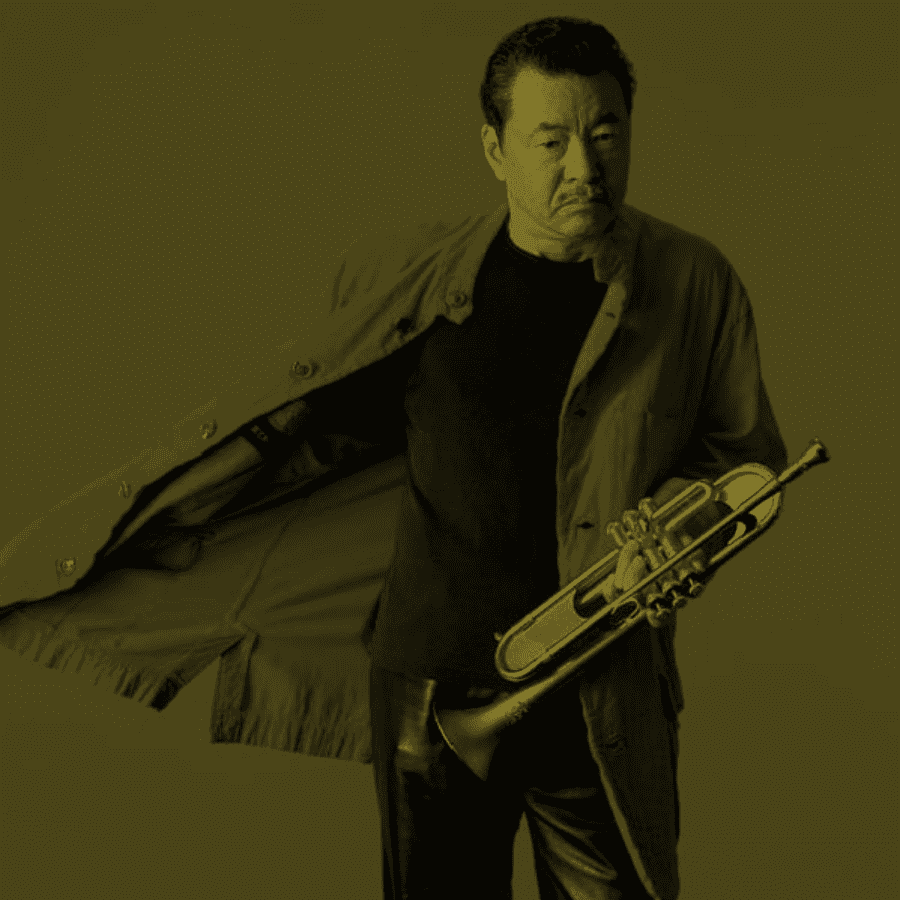
“
If you want to create a new Jazz, it's not real unless you feel the history and spirit of Jazz..”
Terumasa Hino
Japanese jazz fusion roots reach back to when postwar Japanese jazz musicians began absorbing the new electric language coming from America. By the end of the 1960s Japan already had a highly developed jazz culture, a technically sophisticated recording industry and an open-minded audience prepared to follow musicians into jazz-rock, funk and electronic music.
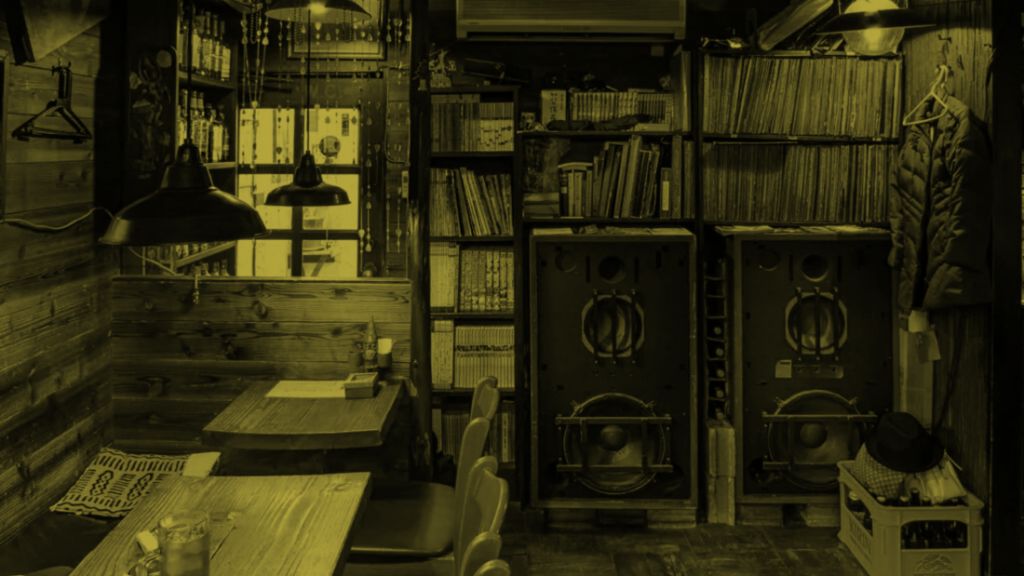
A Japanese Jazz Kissa bar.
Terumasa Hino Quintet’s “Like Miles”, recorded in 1969 for the Hi-Nology album says everything. Miles Davis’s electric transformation was being heard almost immediately in Japan. Hino’s trumpet sits above electric piano from Hiromasa Suzuki, electric bass and drums, producing music that is recognisably following the direction of Miles’ groundbreaking embrace of electric instruments in a jazz context. Hi-Nology was recorded at Yamaha Hall in Ginza on July 31, 1969, placing it almost exactly at the beginning of the electric-jazz era.
“
Together we’re trying to find new possibilities in ensemble improvisation... what we’re trying to destroy is a fixed method or a formula.”
Masabumi Kikuchi
Masabumi Kikuchi was pushing in an even more exploratory direction. His 1970 album Poo-Sun is an early example of what Japanese musicians could do following this new trajectory. Kikuchi used electric piano alongside acoustic instruments, drawing on the emerging language of electric Miles while retaining the freedom and harmonic sophistication of modern jazz.
The early 1970s brought a stronger collision with rock, funk and Japanese musical traditions. Hiromasa Suzuki became one of the key figures linking these worlds. His Rock Joint Biwa, recorded in 1972, placed jazz-rock instrumentation alongside biwa, taiko and material derived from Japanese mythology and ancient texts. Suzuki was both a performer and an arranger, and that arranging component became increasingly crucial to the character of Japanese fusion.
“
I never could find an answer for what jazz really is. I was always seeking it, and that's why I kept going, even if I suffered sometimes. I wanted to know.”
Jiro Inagaki
Jiro Inagaki approached the same transformation through American soul and funk. His Soul Media recordings became progressively tighter and more rhythmically focused, culminating in 1975’s Funky Stuff. “Painted Paradise” and “Funky Stuff” show an extraordinary combination of Japanese precision and African-American rhythmic style. The album even included a cover of Kool & the Gang’s “Funky Stuff”.
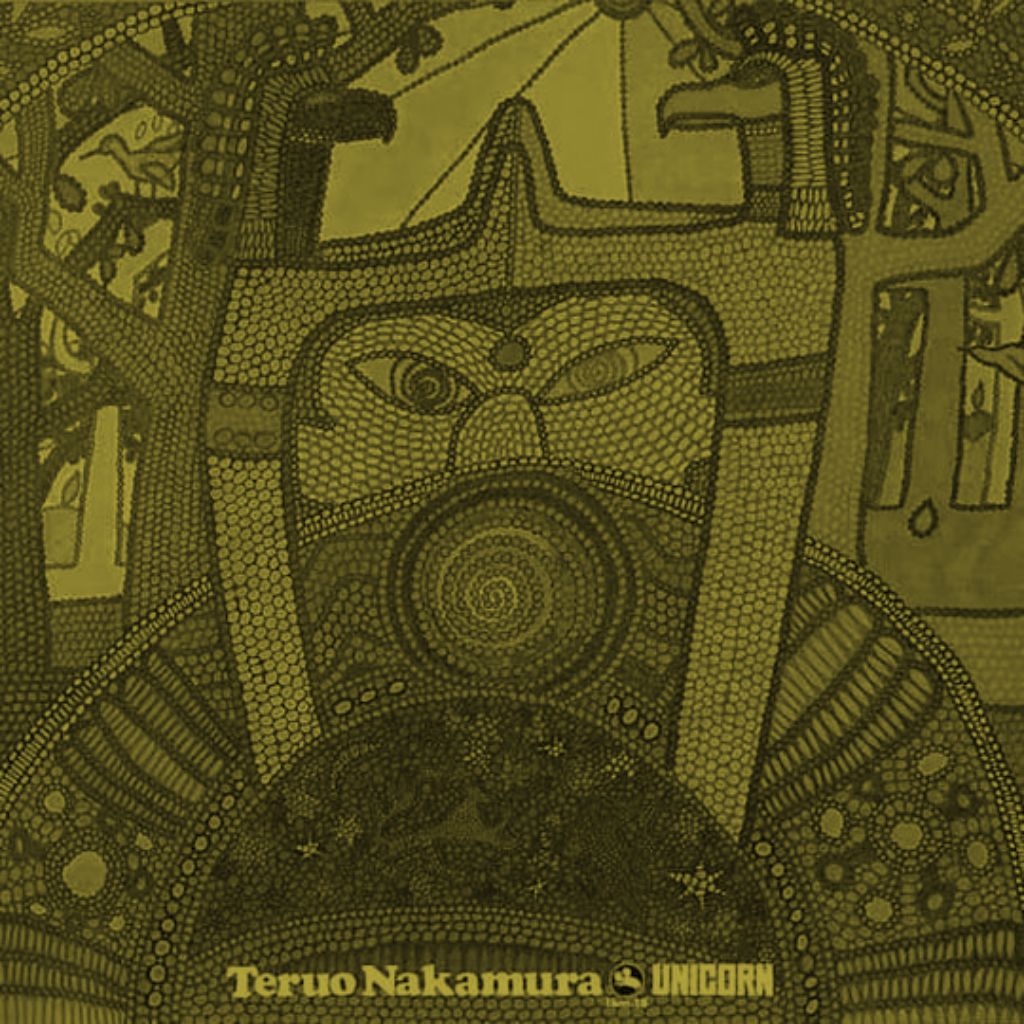
Teruo Nakamura’s “Unicorn Lady”belongs to the jazz-rock side of the story, while Kosuke Ichihara’s “Yasuki-bushi” demonstrates how Japanese musicians could absorb folk-derived material into modern arrangements. Shunzo Ohno’s “You Dig That?” was recorded with an extraordinary mixture of Japanese and American players, including Masabumi Kikuchi, Reggie Lucas, Don Pate and Roy Haynes. This international exchange also became increasingly important to the development of the Japanese fusion sound.
This was partly driven by Japan’s enormous appetite for recorded music and by the quality of its record companies and studios. Columbia, RCA, Philips, CBS/Sony and other major labels were heavily investing in jazz artists amongst other genres. The results still sound sonically immaculate. Japanese engineers and musicians developed a reputation for exceptionally careful recording, mixing and arrangement. The high production values became part of the aesthetic. Electric pianos were beautifully captured, bass was unusually defined, percussion was sharply recorded, and complex arrangements had extraordinary clarity.
By 1976 the music was becoming more electronic and ambitious. Hiromasa Suzuki’s High-Flying, brings together synthesizers, electric piano, multiple guitars, bass, percussion and a large ensemble. Kochi’s “La Moca Está Durmiendo” explores a more atmospheric and Latin-tinged vocabulary; ZeroSen’s “Scramble” pushes toward tighter instrumental rock; and Chants VS Jazz’s “The Heart Sutra” places spiritual and Buddhist material inside contemporary jazz settings.
Japanese fusion become an international business. Rather than bringing American musicians to Japan, producers often travelled to New York to utilise the cream of the crop of US session players including: Steve Gadd, Anthony Jackson, Will Lee, Eric Gale, Richard Tee, Randy and Michael Brecker, David Sanborn, Mike Mainieri and others. American session musicians found lucrative work recording for Japanese artists, while Japanese listeners gained direct access to musicians who were central to the American jazz-funk scene.
The two-way traffic went further. Japanese musicians travelled to America to record, while American players came to Japan to work on albums, tours and studio projects. The Japanese record industry could finance elaborate productions and, increasingly, employ the best available musicians regardless of travel costs leading to Japan becoming a major centre of jazz-fusion production in its own right.
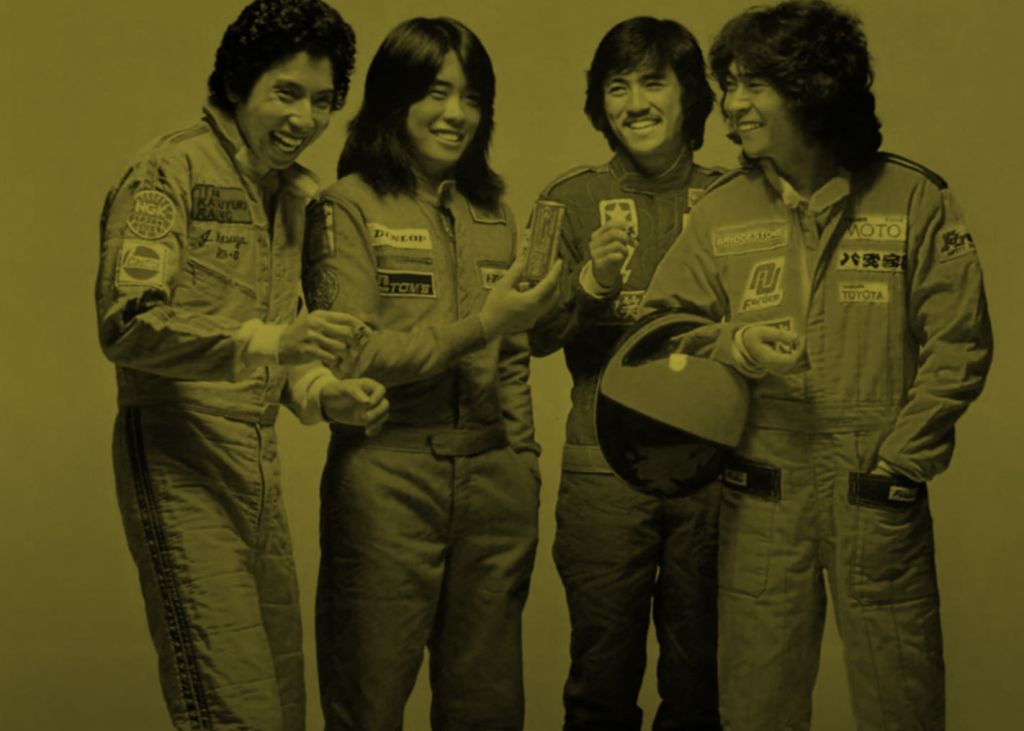
Casiopea
By the end of the decade, the music was moving towards the sophisticated, melodic fusion that would dominate the Japanese scene in the 1980s. The next generation would take that precision even further, producing the dazzling instrumental fusion associated with Casiopea, Prism and The Square. The Japanese-American band Hiroshima, formed in Los Angeles in the 1970s, combined jazz, R&B and funk with koto, shakuhachi and taiko. By the 1980s with The Crusaders alumni producer Wayne Henderson at the helm, Hiroshima had become a significant commercial success with their music reaching well beyond the Japanese-American community, being particularly popular on the British jazz-funk scene.
So the history of Japanese fusion is really a history of exchange. The result was a sophisticated Japanese interpretation of a global musical language, eventually creating a sound that American and European musicians would themselves come to study, collect and emulate.