

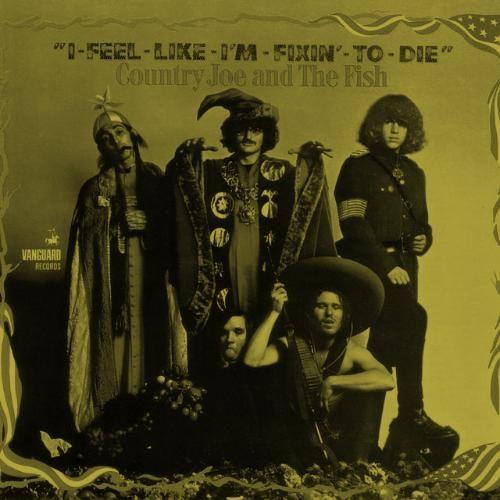
Vanguard Records occupies a peculiar yet crucial position in the story of American folk-psych. It was never a label of overt trend-chasing, yet for a period it functioned as a conduit in which folk and psychedelia coexisted. From the mid-1960s through the early 1970s, Vanguard released a body of work that quietly announced the folk-psych era, treating altered perception, expanded song form and spiritual exploration as natural extensions of folk tradition rather than radical departures from it.
Vanguard’s folk-psych catalogue is marked by a particular inwardness. Its artists rarely sounded as though they were trying to “go psychedelic.” Instead, they sound as if the world had already become strange, and they were simply responding honestly and organically.
At the centre of this period is singer Joan Baez who is typically framed as Vanguard’s folk standard-bearer: a voice of moral clarity and unadorned tradition. Yet her albums during this period show her drifting toward a more interior, spiritually restless direction that owes more to countercultural mysticism than to the coffeehouse.
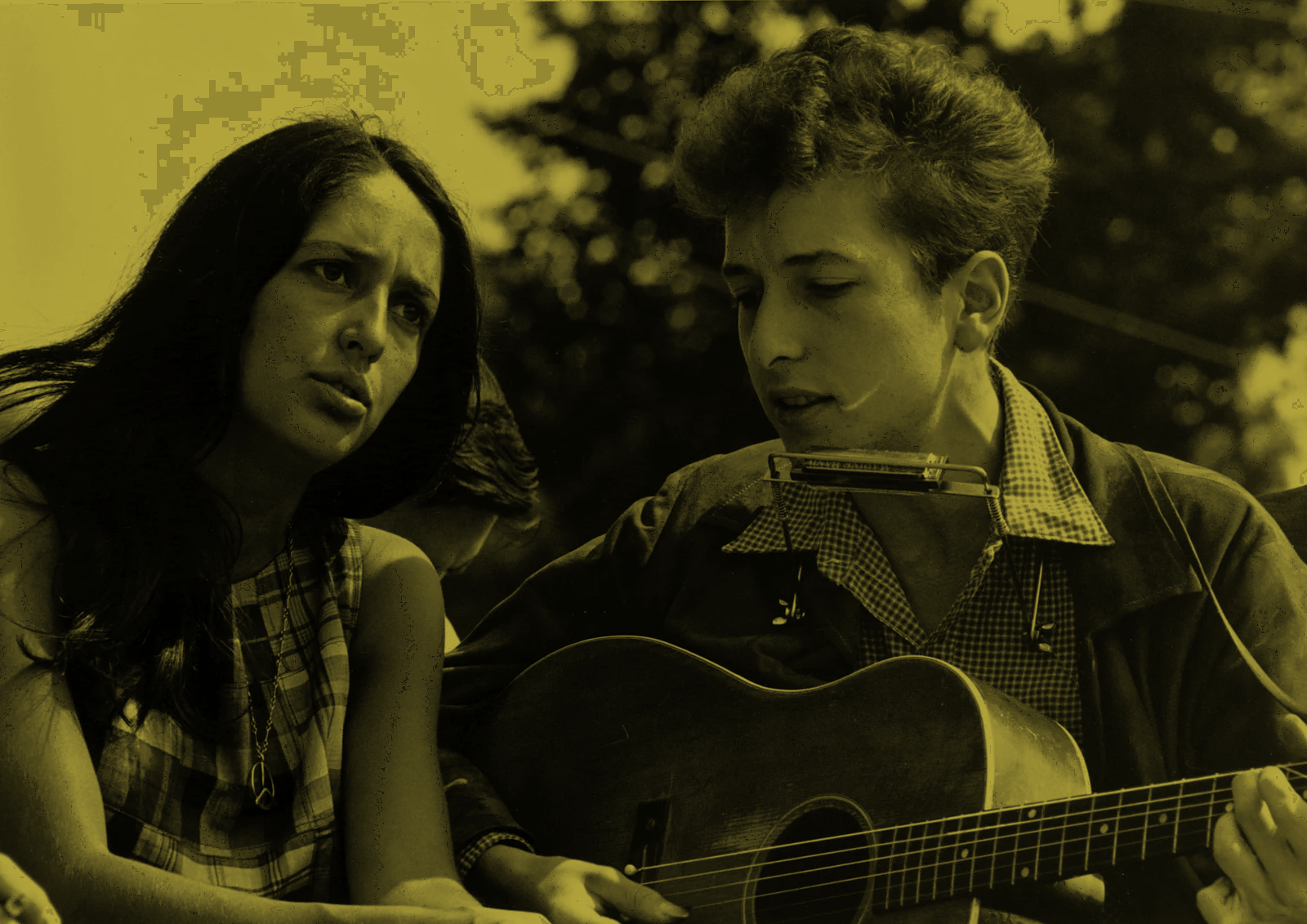
Joan Baez with Bob Dylan
Vanguard artists Richard and Mimi Fariña more directly hovered between narrative and hallucination, their lightness masking a deep unease. After Richard’s untimely passing, Mimi Fariña’s later work continues this drift towards ambiguity and sorrow.

Richard and Mimi Fariña
Vanguard also nurtured a quieter pastoral strain of folk-psych through artists such as John Fahey. Fahey’s Vanguard releases pushed American primitive guitar into genuinely metaphysical territory. His influence radiates outward into later folk-psych revivalists, but at the time it felt almost oddly anomalous: too austere for rock audiences, too strange for folk purists.
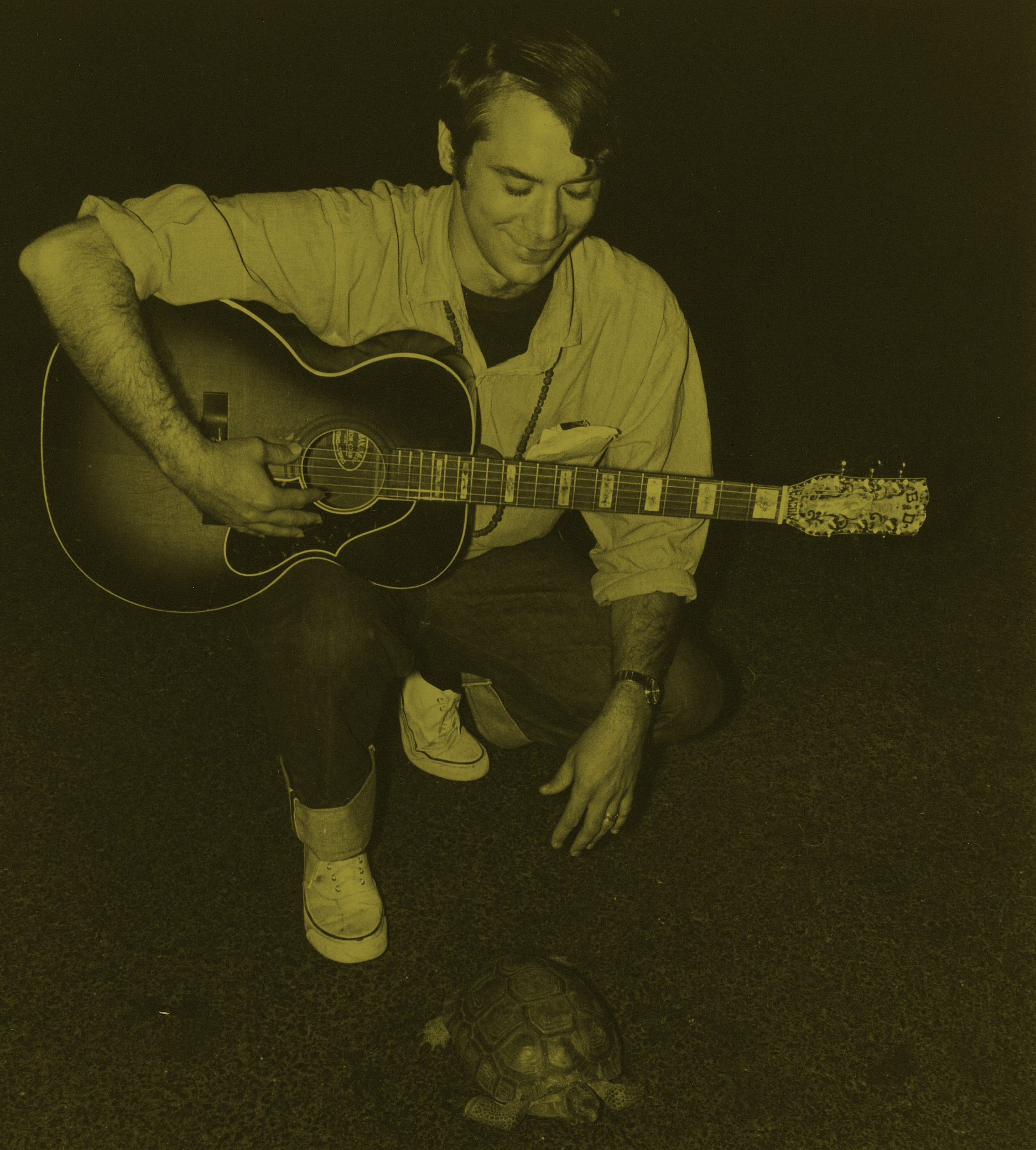
John Fahey
If Vanguard’s folk-psych catalogue represents a slow inward turning of consciousness, its psych-rock releases from roughly 1967 to 1972 mark the moment when that interior pressure finally sought amplification. This tension is audible almost immediately in Country Joe and the Fish, Vanguard’s most commercially visible psych-rock signing. The band’s debut album Electric Music for the Mind and Body (1967) is rightly lauded as a counter-culture artefact.
Country Joe McDonald arrived via folk protest, not rock hedonism, and the band’s psychedelia carries that lineage visibly. Even at their most acid-drenched, the Fish sound dualist rather than blissed out - reflecting both the dark and light of the tumultuous late-sixties.
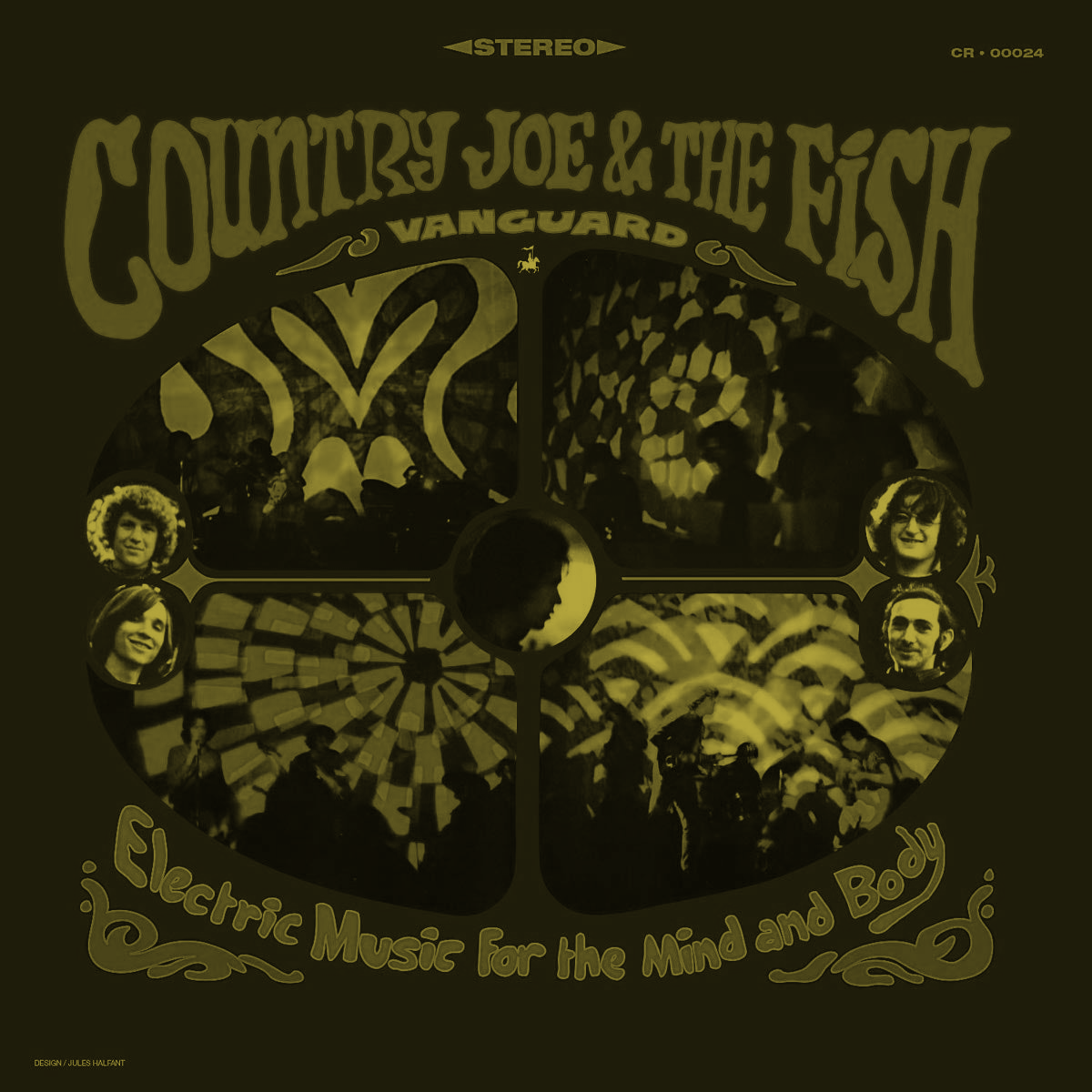
What is striking about Electric Music for the Mind and Body is not its sonic experimentation—by 1967 standards, it is relatively restrained—but its conceptual looseness. The album drifts between jug-band absurdism, modal jamming and typical acid-fuelled reverie, never committing fully to any one style.
“
We were certainly indulging ourselves in plenty of psychedelics but I don't know that it had a great effect on the music. Who knows?”
Barry ‘The Fish’ Melton.
By the turn of the decade, Vanguard’s psych-rock releases increasingly reflect a sense of aftermath. The utopian energies of 1967–68 had curdled into disillusion , introspection, and stylistic fragmentation. Albums released between 1970 and 1972 often sound uncertain rather than euphoric. Electric instruments remain, but their purpose has shifted. Distortion no longer signifies liberation; it registers as idealistic betrayal - the reality of a post-counter-cultural comedown.
This is particularly audible in later Country Joe releases, where the extended jams tighten, lyrics darken, and irony gives way to bitterness and resignation. Vanguard did not attempt to rebrand these artists or steer them toward emerging hard-rock or singer-songwriter markets. Instead, it allowed the disillusionment to document itself. In doing so, the label inadvertently created a chronicle of psychedelic decline—music that charts not the ascent of expanded consciousness, but its slow reckoning with reality.
Steve Gillette sits closest to Vanguard’s folk core, yet his recordings already exhibit the subtle psychic drift that characterises the label’s mid-period output. His songwriting is precise, economical, almost deceptively plain. Gillette’s work exemplifies Vanguard’s belief that psychedelia need not announce itself sonically. The altered state here is perceptual language pared back until meaning begins to shimmer.
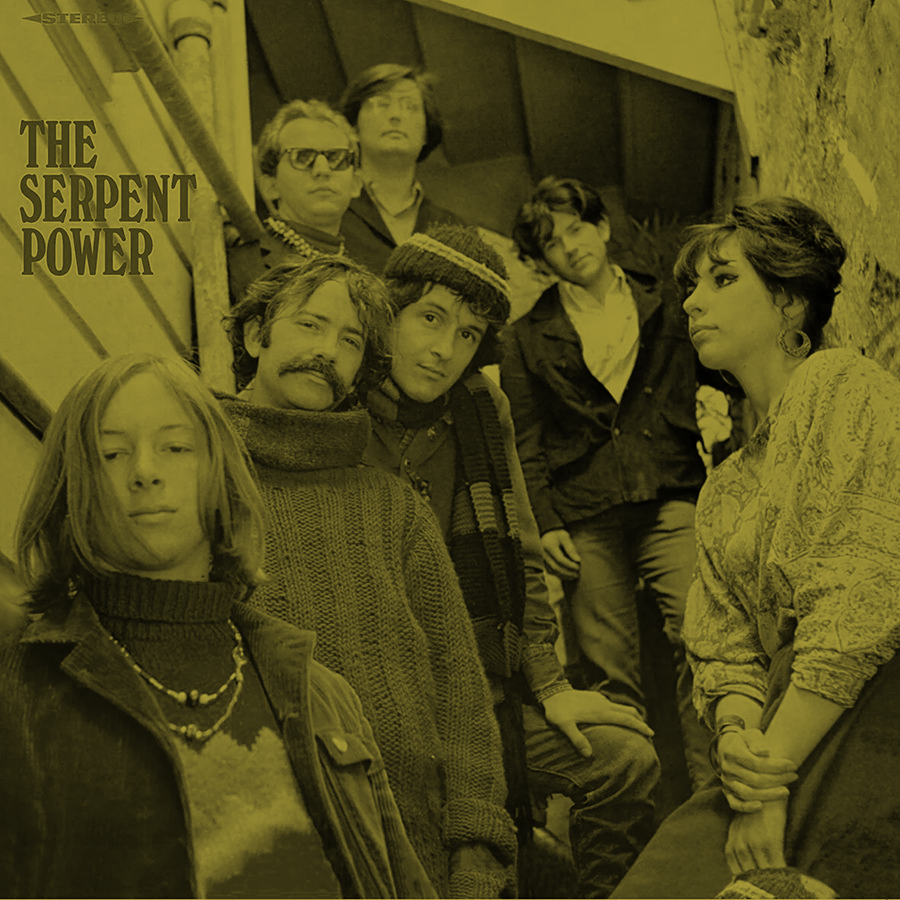
That shimmer becomes darker and more overtly mythic with The Serpent Power, whose self-titled 1968 album is among Vanguard’s most fully realised psych-rock statements. Rooted in minor-key drones and modal guitar, the record feels less like a collection of songs than a continuous ritual. Vanguard’s production preserves the album’s claustrophobic intensity, refusing to sweeten its impact.
A different kind of ambition animates Circus Maximus, whose lone Vanguard album is perhaps the label’s most overtly conceptual psych-rock release. Here psychedelia is theatrical making the album feel like a document of psychic overload.
With Erik, Vanguard returns to a more intimate scale. Erik’s recordings are marked by emotional exposure bordering on disintegration. The arrangements are sparse, as if the songs might unravel mid-take. This is folk-psych at its most fragile. Vanguard’s decision to release such material speaks volumes about its commitment to authenticity over polish.
Tina and David Meltzer represent a crucial bridge between folk lineage and rock dissidence. Meltzer’s background as a critic and theorist of rock culture infuses these recordings with self-awareness, yet the music itself remains emotionally direct.
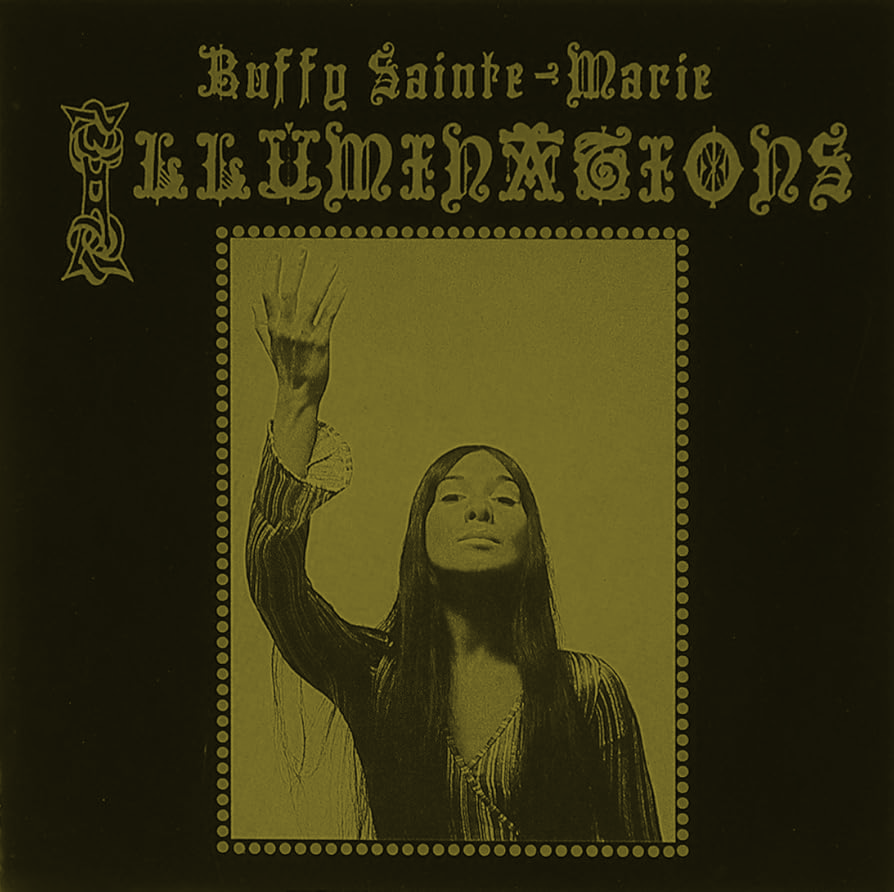
Buffy Sainte-Marie’s Illuminations (1969) represents one of Vanguard’s most successful integrations of psychedelia into an established artist’s voice. Sainte-Marie’s use of early synthesiser technology altering the harmonic and emotional effect of the songs. Yet her lyrical focus remains sharply grounded in injustice, ecology and spiritual survival.
By the early 1970s, the folk-psych moment had dissipated, absorbed into singer-songwriter introspection on one side and full-blown classic rock on the other. Vanguard itself shifted focus, but the records remain as evidence of a brief alignment: a label rooted in tradition unironically chronicling the dissolution of that very tradition from within.
In retrospect, Vanguard’s folk-psych era feels like one in which folk music, confronted by political trauma, spirituality and chemical revelation, turned inward rather than outward and in doing so, it offers a sustained listening experience that still feels unsettling and quietly radical. Even at their most exploratory, these records remain tethered to history, politics, and personal doubt - a hazy yet brutally truthful lens through which American society briefly re-examined its soul.