

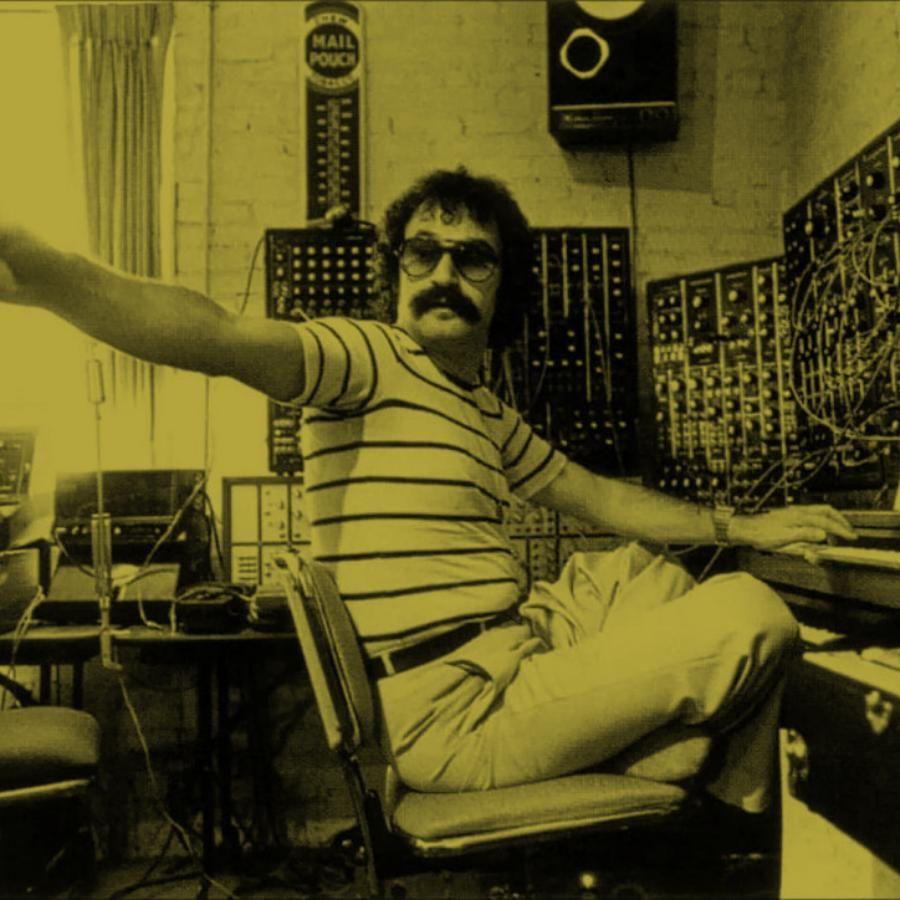
Detroit, Michigan in the mid-1980s was where a particular combination of electronic music, Black American funk, Chicago-House, disco, futurism and local radio and club culture crystallised into a distinctly recognisable new genre: Techno.
The media created name for the genre wasn’t exactly new - ‘Techno’ being a term used for Synth-based European music in Germany and there was previously a ‘Techno-Pop’ movement in Japan. Many of its musical elements had also been accumulating for decades in the general sphere of electronic music - some which undoubtedly reached the ears of the early Detroit producers - many which did not. These forward thinking tracks - well-known or otherwise - have recently come to be tagged as ‘proto-Techno’.
Early Proto-Techno tracks have been discovered on vinyl released electronic studio experiments and library music through Moog exotica, kosmische electronics and Italian soundtrack music into the increasingly mechanical world of disco. With a four-to-the-floor framework and repeating bass-figures - proto-techno differs from the funkier rhythms of Electro.
The influence of Kraftwerk, YMO, Man Parrish (who released his own ‘Techno Trax’ in 1982) cannot be denied - however the four-to-the-floor feel is different to the drum patterns used in Electro, so it is elsewhere we look for true proto-techno tracks.
“Proto-techno” is therefore best understood not as a genre but as a retrospective description of music that contains some of techno's DNA: repetition, sequenced patterns, electronic percussion, synthetic basses, machine-like rhythms, minimal harmonic movement, futuristic imagery and the sense that the studio itself has become an instrument.
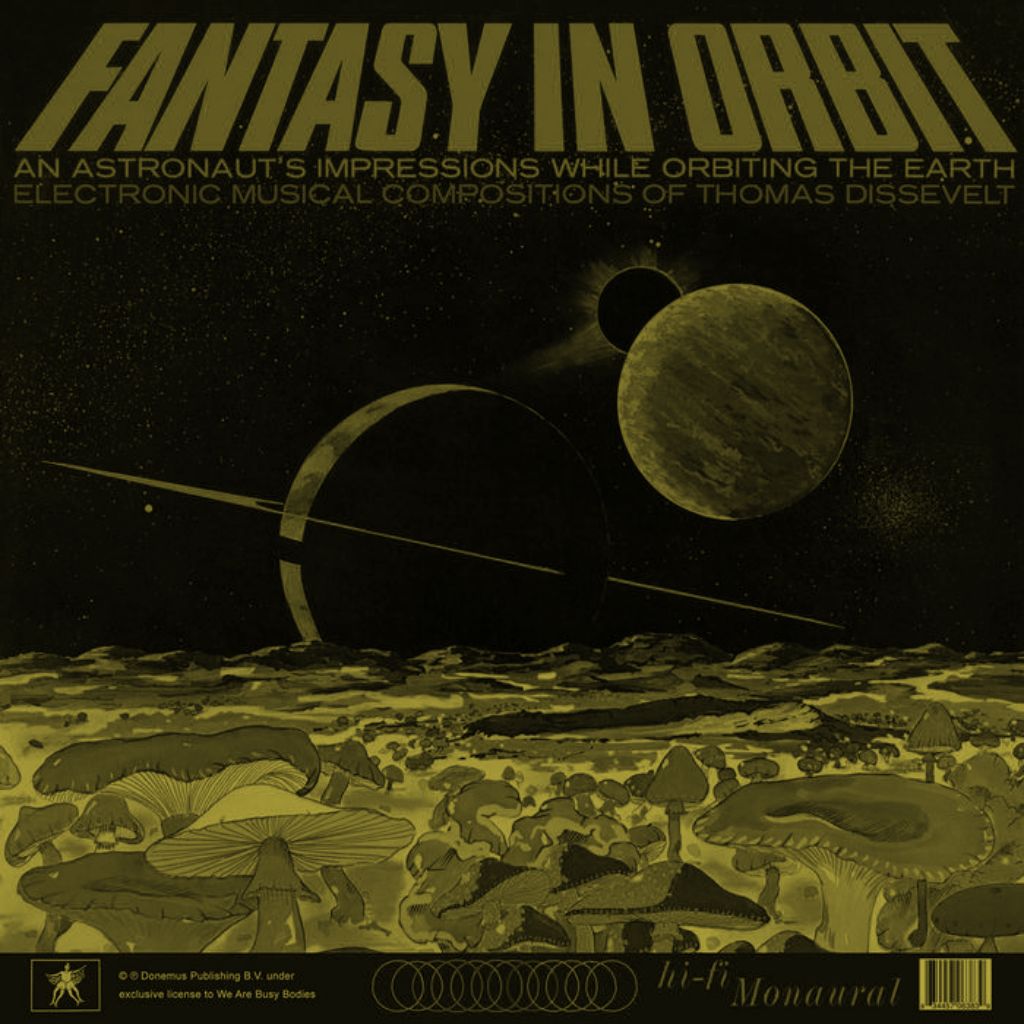
An early example of a proton-techno bassline comes from Dutch composer Tom Dissevelt, whose Ignition, from Fantasy in Orbit (1963), was produced in the legendary Philips NatLab (short for Philips Natuurkundig Laboratorium, or Physics Laboratory). Dissevelt combined tape manipulation, oscillators and electro-acoustic effects, creating a remarkably rhythmic vision of space-age modernity.
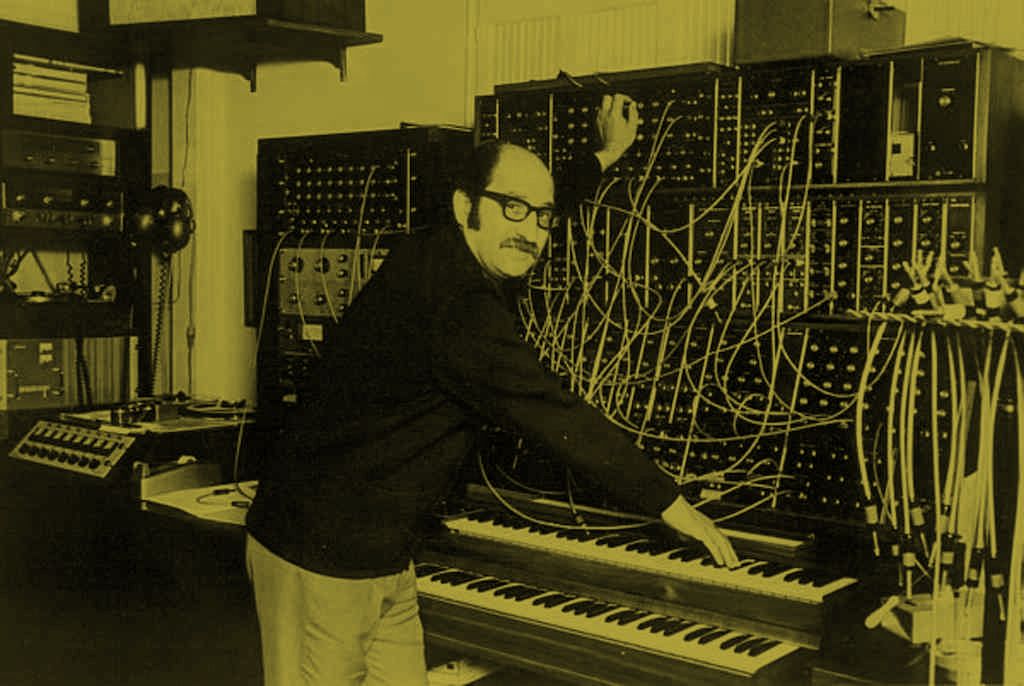
Mort Garson
Mort Garson represents another route into electronic futurism. A prolific composer and arranger, Garson became fascinated by the Moog and subsequently made everything from advertising cues to occult electronics and Mother Earth's Plantasia. The previously unreleased Music for Advertising #2 - recorded sometime in the early-seventies - demonstrates how even a one-minute commercial cue could become an exercise in photo-techno. It’s modern club tempo and funky bassline make it a standout early example.
Silver Apples, formed in New York by Simeon Coxe and Danny Taylor in 1967, were perhaps the first well-known artists to combine electronics with modern drum rhythms.. Coxe's homemade “Simeon” consisted of numerous oscillators and an extraordinary array of controls, played with hands, elbows, knees and feet. Velvet Cave sounds startlingly contemporary because its primitive electronics are organised around an insistent rhythmic pulse.
“
It has gone through many different configurations over the years, but basically it consists of several oscillators hooked up to filters and other wave - distortion circuits, then to on/off pedals or switches, sometimes even keyboards.
”
Simeon (interview by Shane Christmas) - on his Multi-Oscillator instrument.
The pounding drum beat belies its acoustic origins and alongside much of their two late-sixties albums inspired artists on the Krautrock scene and earned praise from John Lennon at the time. Bands such as Can and Neu! Further developed the Silver Apples approach into the signature Krautrock ‘motorik’ style of the seventies.
British pioneers Della Derbyshire and Brian Hodgson came from the BBC Radiophonic Workshop tradition. Derbyshire was one of Britain's great electronic composers, famous for realising the original Doctor Who theme, while Hodgson became a major figure in British electronic and library music. Together they created a wonderfully primitive slice of proto-techno called Restless Relays pushing tape manipulation and oscillator snippets to their creative limits.
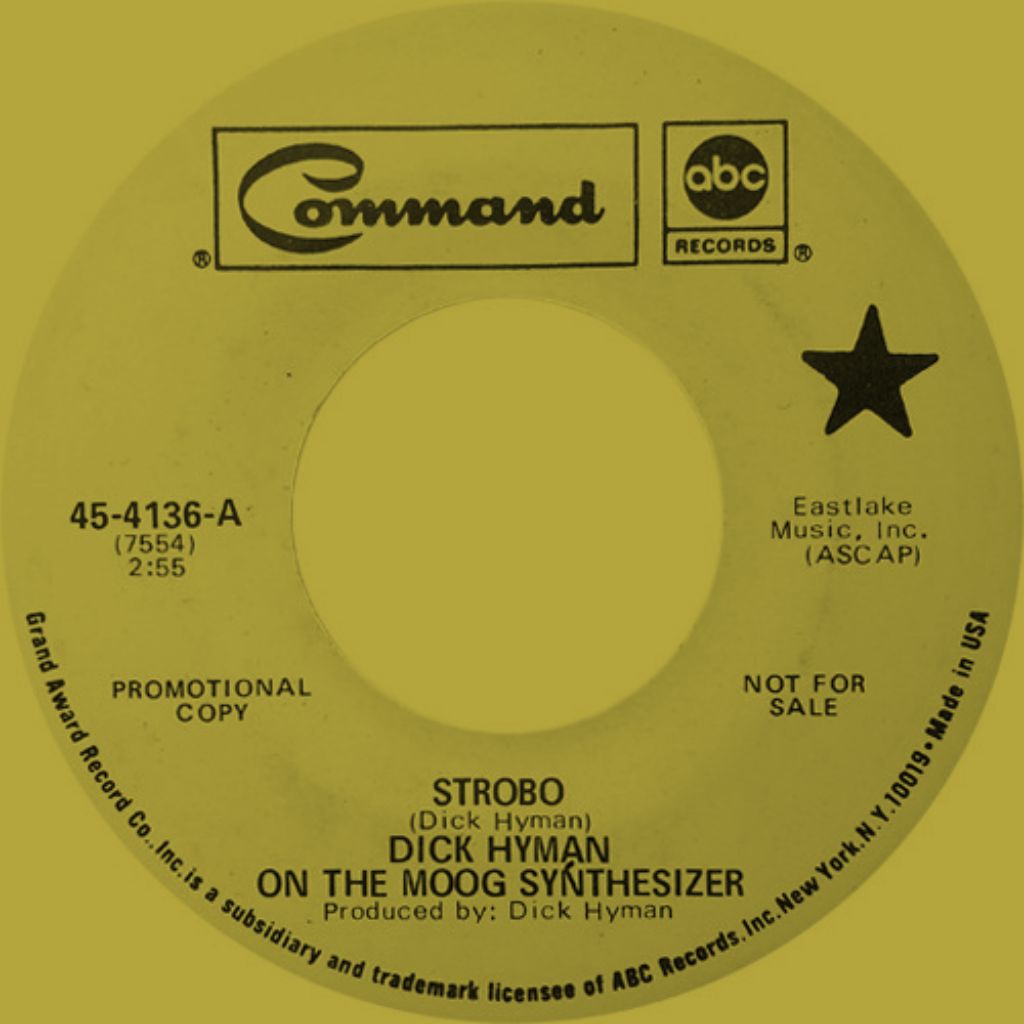
American jazz pianist Dick Hyman became one of the first important Moog players. His 1969 Electric Eclectics and The Age of Electronicus treated the Moog as a genuine musical instrument rather than merely a machine for special effects. Strobo belongs to this remarkable period and is recognised as the first Moog-based 45 single. It’s stunning intro alone has the energy and aesthetic of todays more aggressive techno tracks almost 60 years in the past.
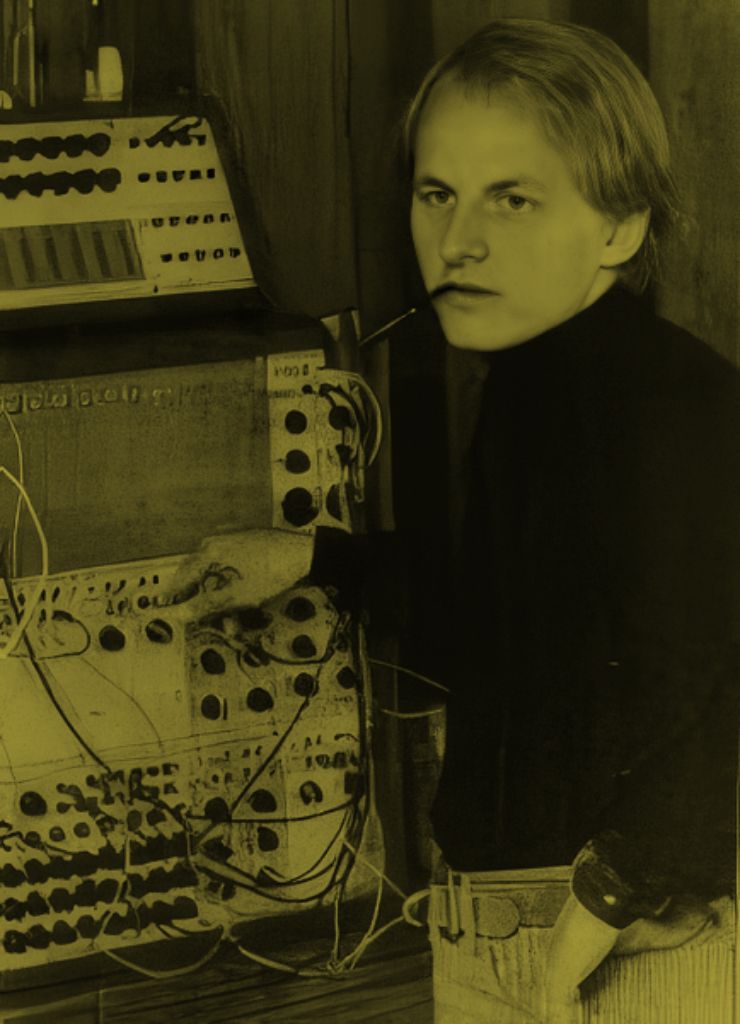
Michael Czajkowski with Buchla 100 System
Michael Czajkowski was at the opposite end of the musical establishment. A composer and educator associated with NYU and later Juilliard, he made the forty minute epic People the Sky in 1969 using the rare Buchla 100 modular system. His music represents the West Coast/academic synthesizer tradition rather than pop electronics, but the principle was similar: electronic systems could generate structures, rhythms and timbres unavailable from conventional instruments and excerpts from the piece fit the proto-Techno definition perfectly.
Raymond Scott’s influence reaches back even further. A brilliant composer, bandleader and inventor, Scott spent years developing electronic instruments including the Electronium. His later experiments at Three Willow Park included rhythmically oriented pieces such as Toy Funk from 1970 which is stunningly modern. The Three Willow Park compilation which includes this remarkable track explicitly describes this material as “beat-oriented proto-techno”.
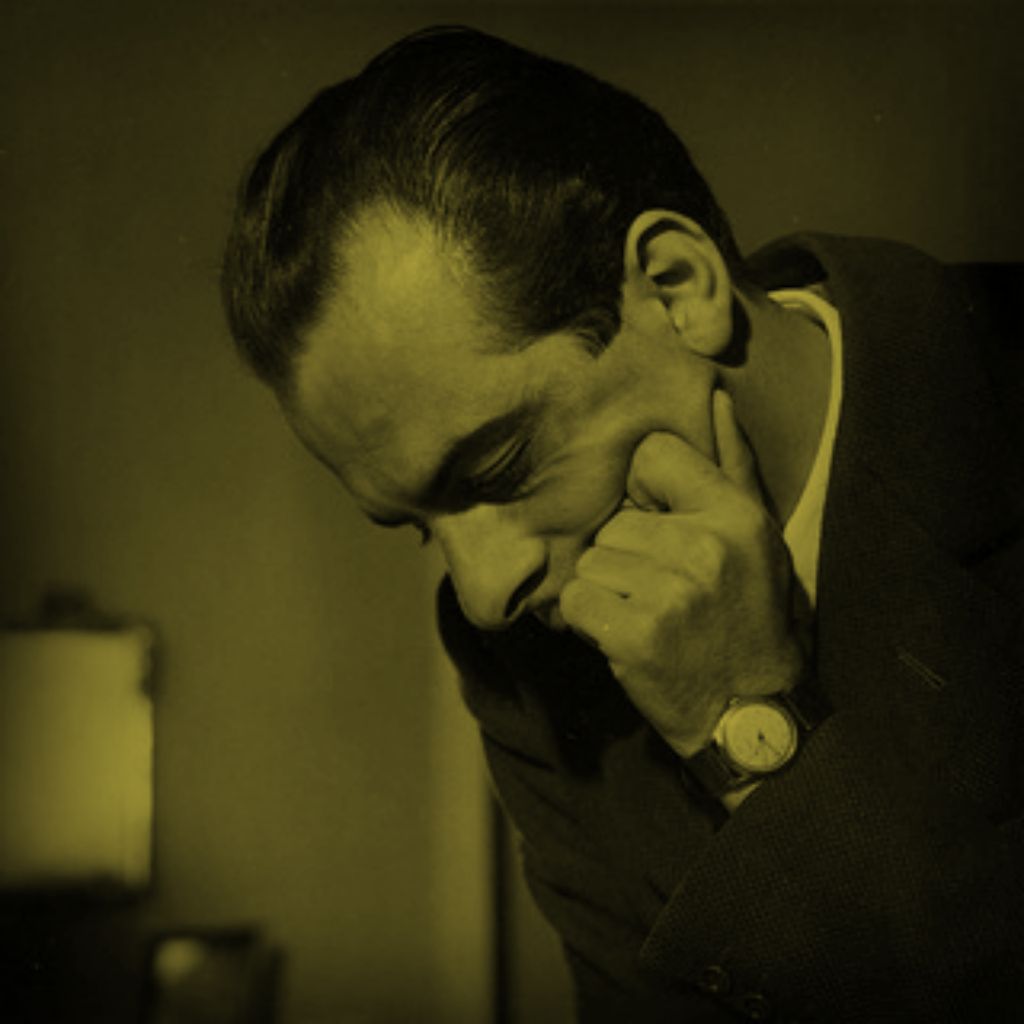
Piero Piccioni
Italy contributes several fascinating examples of proto-Techno. Piero Piccioni, one of Italy's most prolific film composers created Italoamericana Collage in 1972 - yet it has the tempo and attitude of modern hypnotic techno with its electronic kick and industrial reverb effects.
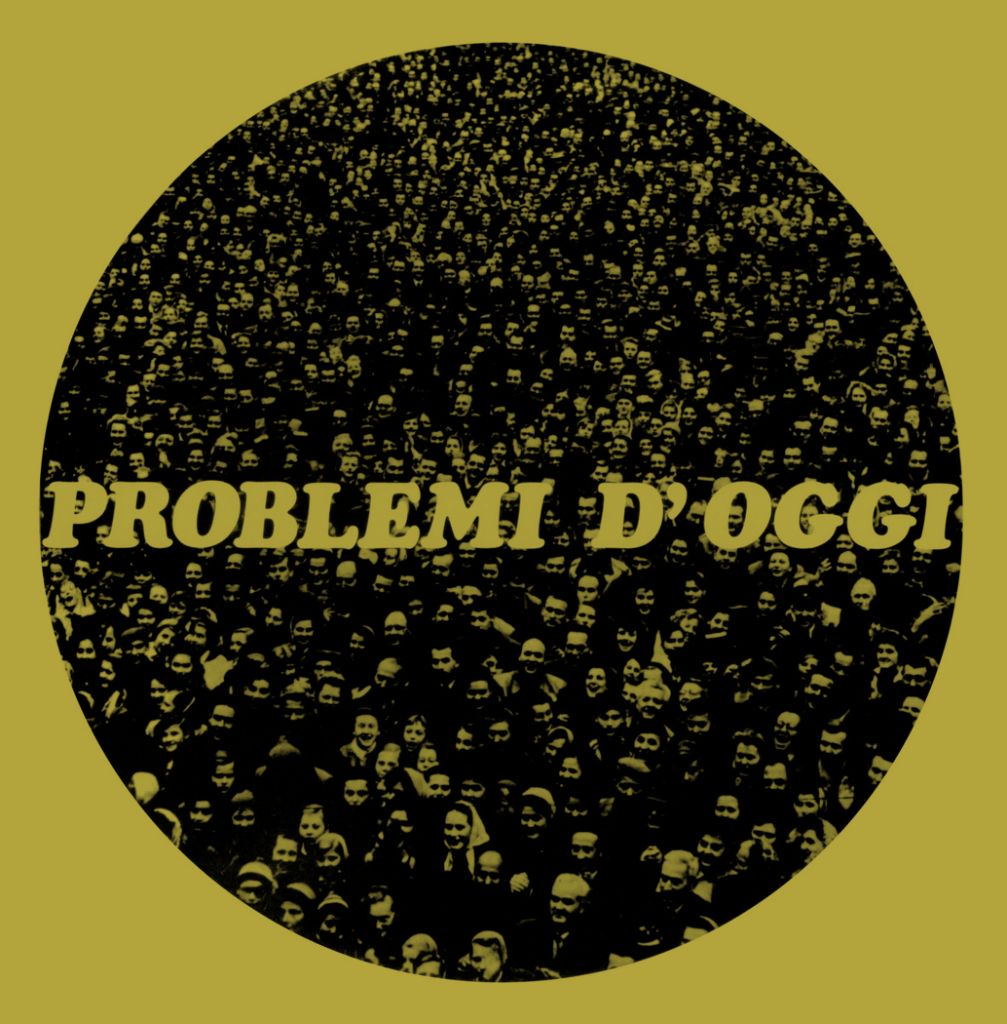
Piero Umiliani using the pseudonym M. Zalla is another giant of Italian composition. His 1973 Problemi d'Oggi used Moog, synthesizers, drum machines and mechanical rhythms to depict modern social problems. Produzione is a perfectly convincing early techno candidate: cold, repetitive and machine-like. Contemporary reissue notes have acknowledged this and called it an early techno/trance track whilst Four Flies Records used the tagline "Aphex Twin? No, Piero Umiliani!" when re-issuing his albums.
By the middle of the decade, the electronic experiment escaped the laboratory and entered the dancefloor via the four-to-the-floor club genre Disco.
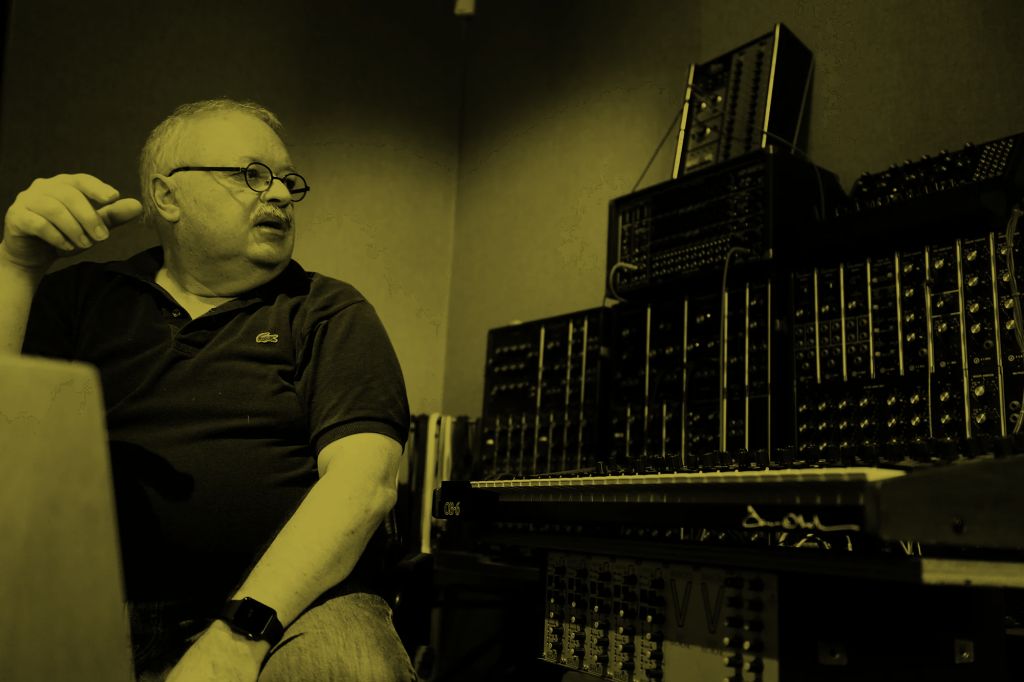
Dan Lacksman
Belgian Dan Lacksman formed Electronic System in 1972, eventually producing Disco Machine in 1977. Cosmos Trip is almost a miniature bridge between library electronics and disco: synthesizer sequences, electronic percussion and a steady danceable pulse. Lacksman would subsequently become famous as a member of Telex who later recorded the classic proto-Techno hit ‘Moscow Discow’.
“
I knew that it could be a sound of the future, but I didn't know that it would be so impactful.”
Giorgio Moroder
Donna Summer's “I Feel Love” (1977) is arguably disco -oriented proto-techno’s central historical moment. Produced by Giorgio Moroder and Pete Bellotte, it used the Moog for virtually the entire instrumental track and is still a mainstay in todays DJ sets. It paved the way for proto-Techno hits by Patrick Cowley for Sylvester, Cerrone, Slick’s epic ‘Space Bass’ and more.
“
"He's reading me to filth with those synths!”
Sylvester on Patrick Cowley
Canadian Gino Soccio followed a similar path. His group Kebekelektrik produced War Dance, a 1978 disco-floor favourite, before Soccio's solo career produced Outline in 1979. There's a Woman from that album is built from the increasingly clean, synthetic vocabulary that would soon become associated with early techno particularly from the DJ sets of Detroit Techno artists such as Carl Craig.
Laurin Rinder and W. Michael Lewis’ Gluttony, demonstrates how synthesizers were becoming central to disco production and is another popular proto-Techno track with todays DJ’s as is the much sampled Bostich remade into proto-Techno euro-hit by Yello.
Kraftwerk then transformed their pioneering electro rhythms into a more four-to-the-floor realm with tracks such as Spacelab, from The Man-Machine (1978). A recently unearthed live TV performance from 1970 shows an early Kraftwerk trying out a fast four-to-the-floor track combining a mix of acoustic instruments. For the future Detroit musicians, Kraftwerk's precision and futurism were enormously influential.
By the early 1980s, Juan Atkins - mentored by local artist 3070 aka Rick Davis, Derrick May and Kevin Saunderson were absorbing precisely this mixture. Detroit techno was born from a collision of influences from Kraftwerk, to nearby Chicago House, P. Funk, radio DJ Electrifying Mojo’s influence, Italo imports and local artists such as Rick Davis, Dana Potts (Superlife) and A Number Of Names - but collectively, these tracks show a rich history of composers using electronics to create a driving, proto-Techno sound which continues to evolve today. Detroit's genius was to take the scattered influences of proto-Techno and turn them into a new musical language.