

“
Éthiopiques is not only spreading Ethiopian music worldwide, it is also reviving a glorious and unforgettable past of Ethiopia.”
Francis Falceto
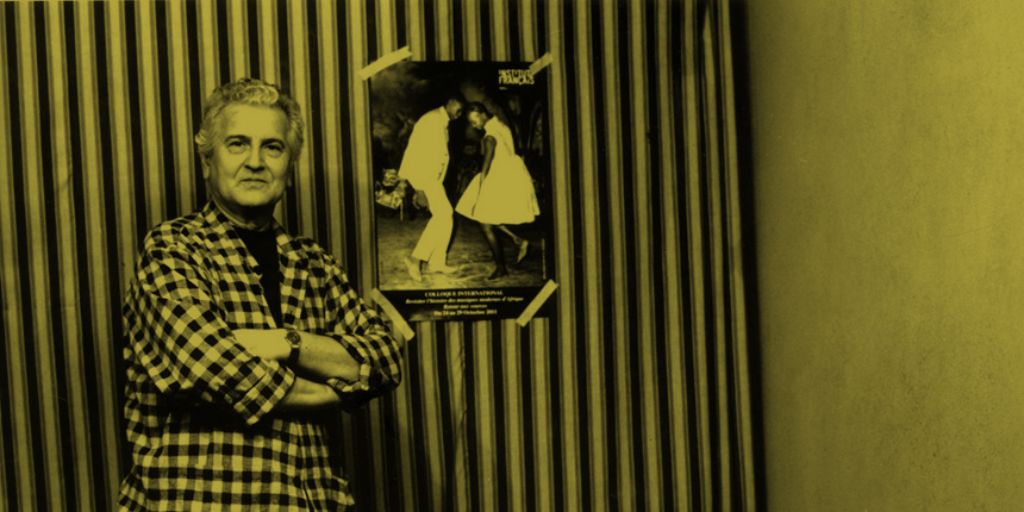
It’s rare that a musical discovery unearths a treasure trove of releases that sound like nothing previously known. Yet that is what occurred in the mid-nineties when French producer and musicologist Francis Falceto teamed up with publisher Buda Musique in other to create the Ethiopiques series.
Francis Falceto
The Ethiopiques project was a labour of love, sparked by Falceto stumbling upon an LP by Ethiopian artist Mahmoud Ahmed whilst curating world music for the 1984 Confort Moderne in Poitiers. After setting up a meeting with Ahmed the following year, Falceto teamed up with Crammed Discs to re-issue the jazz inflected album Ere Mela Mela from 1975.
“
I wanted the Ethiopiques series to help break the cliché and change the West’s perception — to show that Ethiopians were a cultured people.”
Francis Falceto
Initially it was mainly jazz and funk collectors who jumped on the Ethiopiques series of compilations and re-issues. It was clear a golden age of Ethiopian music had been recorded between 1968-1977 and with original pressings never having appeared in any vinyl dealer circuits - this was fresh ground to explore for many DJ’s.
In addition to the Ethiopiques series - which has now reached over twenty releases - more labels have expired this golden age and we now have a well-catalogued record of this unique music.
Ethiopian music is traditionally built on a series of modal scales. In the late-sixties the influence of James Brown and jazz reached the Horn Of Africa and musicians merged these modern western styles with these traditional structures - a true hybrid which wears its influences on its sleeve - even down to the James Brown style vocal delivery - and yet sounds like nothing else.
Imagine stripped down Sun Ra Arkestra horn sections and lo-fi recording aesthetics, Eastern modal jazz, the tight arrangements of the J.B.’s, the mysticism of Jamaican roots often driven by urgent, passionate vocals that can sound as much Far East Asia as North East Africa. It’s often described as a kind of Afro-Futurism you’d hear in an Ancient Egypt, Nubia and Kush.
Technically speaking there are four primary modes known as ‘genet’ that proliferate in traditional Ethiopian music. Tizita has a nostalgic blues like character, Bati is akin to a pentatonic (five-note) scale with flattened intervals, Ambassel with a minor pentatonic variant and Anchihoye is a less common ceremonial scale. Add jazz harmony and modern substitutions, funk rhythm sections and soulful basslines even whilst retaining the much favoured 6/8 rhythmic structure - and you have what’s collective termed Ethio-Jazz.
“
The Ethiopian pentatonic scale leaves melodies mysteriously unresolved — like missing your foot on the stairs in the dark”
Francis Falceto
The effortless incorporation of the 6/8 time signature is one of the most impressive technical achievements of the Ethiopian bands of this period. Considering funk is almost exclusively a 4/4 genre with the emphasis on the ‘one’ of the bar - it makes for an added dimension with a distinctive Eastern flavour.
The ethno-political background of Ethiopian history is inseparable from the development of its music industry. During the reign of Emperor Haile Selassie (1930–1974), Ethiopia was relatively open to foreign cultural influence compared with much of Africa. Modern Ethiopian popular music emerged from state orchestras formed after World War II, namely the Imperial Bodyguard Band, Army Band and Police Orchestra.

Haile Selassie
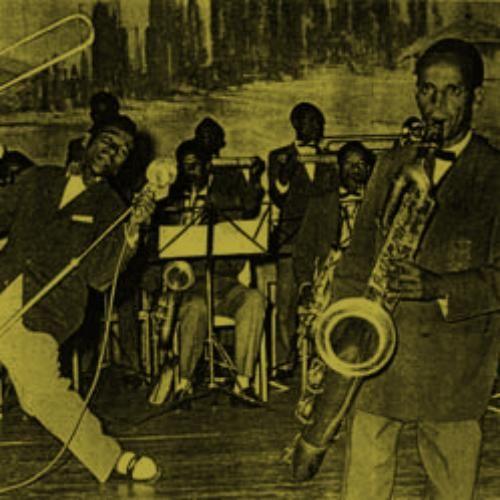
These ensembles trained many of the singers and instrumentalists who later dominated the 1960s–70s scene performing brass band arrangements traditional Ethiopian melodies alongside western jazz standards and latin influenced dance music. By the late 1960s Addis Ababa had a vibrant nightlife circuit known as “Swinging Addis.”
“
At that time Addis Ababa was full of music everywhere — every hotel had a band, every nightclub had a band.”
Amha Eshèté
Major venues included the Arizona Club, Stereo Club, Ebony Club and Axum Adarash. Local bands often took their names from the venues where they held residencies and formed a house-band system similar to the in-house bands of US jazz venues. Singers often rotated between orchestras and the musicians played multiple sessions per night.
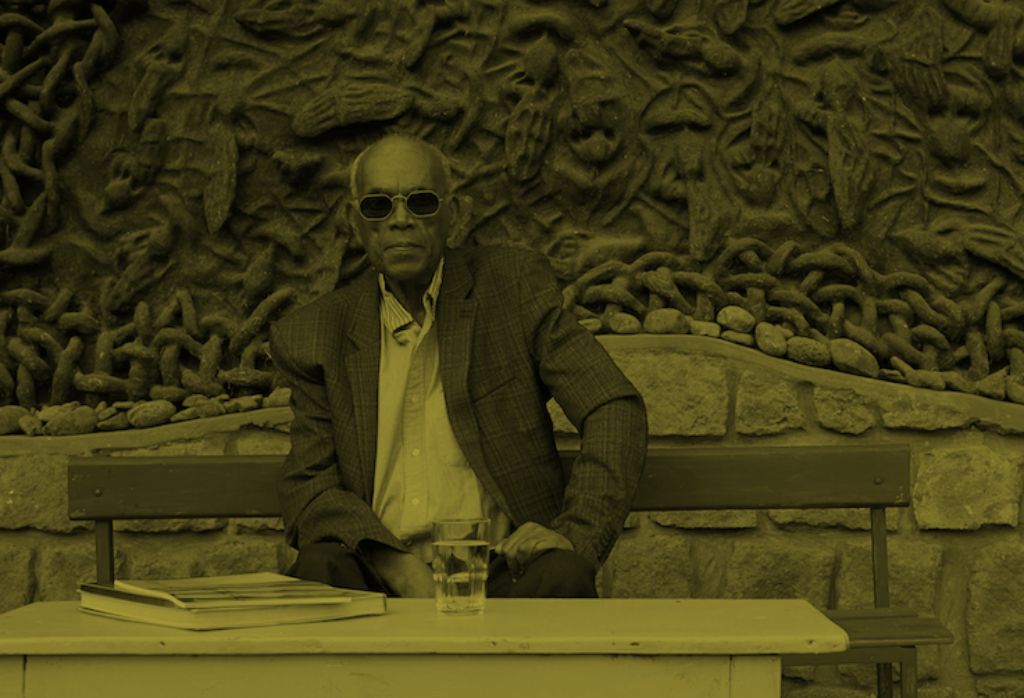
Alongside the club circuit, a music industry was driven by private entrepreneurs rather than multinationals with the exception of the Philips label. The dominant Ethiopian based label was Amha Records, founded by Amha Eshèté and active between 1969 and 1975 releasing over 100 singles and a dozen albums.
Amha Eshete
Amha artists include the creme de la creme of Ethio-Jazz artists such as Mulatu Astatke, Alemayehu Eshete, Mahmoud Ahmed, Girma Beyene, Seifu Yohannes, etc. Amha operated similar to a US soul label, with artists recording two-track sessions which were released as 45-rpm singles. These were then compiled into LP’s with some additional outtakes.
The lack of domestic pressing plants and distribution is evident by the fact that the releases were pressed abroad in India, Greece and Lebanon. Runs were limited to a few hundred - hence the scarcity and high prices the originals command on the collectors market today.
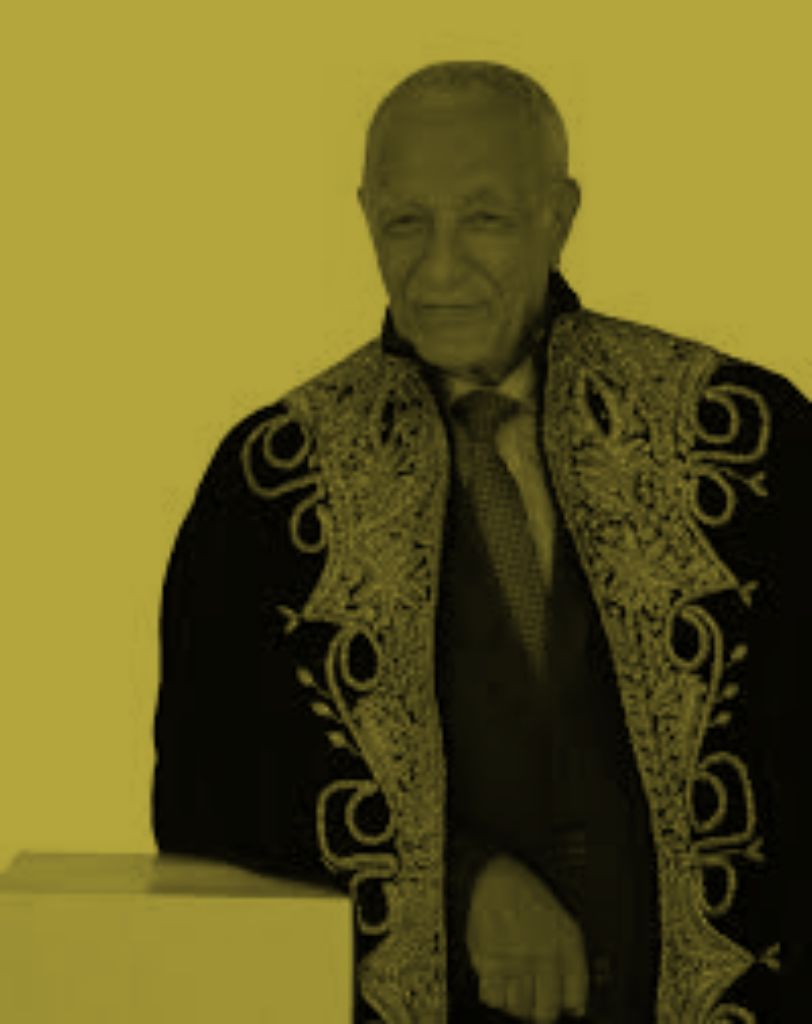
Kaifa was the other main label in Ethiopia - active alongside Amha from 1973-1975 and then becoming the primary source of releases from 1976-1977 with a funkier catalogue after Amha ceased operations. Artists included Mahmoud Ahmed once again, Ayalew Mesfin, Muluken Melesse, etc. Once again the manufacturing was outsourced to Lebanon and Greece.
Ali "Tango" Kaifa
As previously mentioned, Dutch multinational Philips also recorded Ethio-Jazz artists with artists sometimes recording in Europe as well as Addis Ababa studios. The Addis Ababa recorded sessions across all labels have a homogenous sonic signature. Limited technical facilities and budget equipment lent itself to a trusted formula with four-track recording capturing an entire full live band with horns, wah-wah electric guitar (often showing a technical ability to match or even surpass any US funk guitarist), drum kit - all with little acoustic treatment in a large space resulting in a dark, reverberant backing whilst close mic’d vocals recorded close to distortion with gorgeous saturation provided a bright contrast.
Backing bands worked as session units behind the various vocalists, such as Wallas Band, Ibex Band, Dahlak Band, Venus Band, etc - often receiving a credit on the vinyl release. Artists like Mulatu Astatke - the central innovator of Ethio-Jazz - studied at the finest western music schools and must be one of the few musicians to have gone from Ethiopia, to Wrexham in Wales to the Berklee School of Music.
“
I wanted to take the Ethiopian scales and combine them with jazz arrangements and instrumentation”
Mulatu Astatke

Mulatu Astatke
Sadly, the writing was on the wall for this golden creative era for Ethiopian music with the 1974 revolution and takeover of power by the Derg military. A Marxist military junta aligned with the Soviet Union, the Derg regime enacted its own Red Terror and clamped down on the music scene as being bourgeois and western influenced.
“
When the revolution came, the nightlife stopped. The music stopped.”
Amha Eshèté
A scene that previously united the various ethnic groups in the region - with important pre-Independence Eritrean and Tigray artists alongside native Ethiopians - struggled on until 1977 after which it effectively remained forgotten until the rediscovery in the nineties.