

“
the best independent record label in the world.”
John Peel (British Radio DJ)
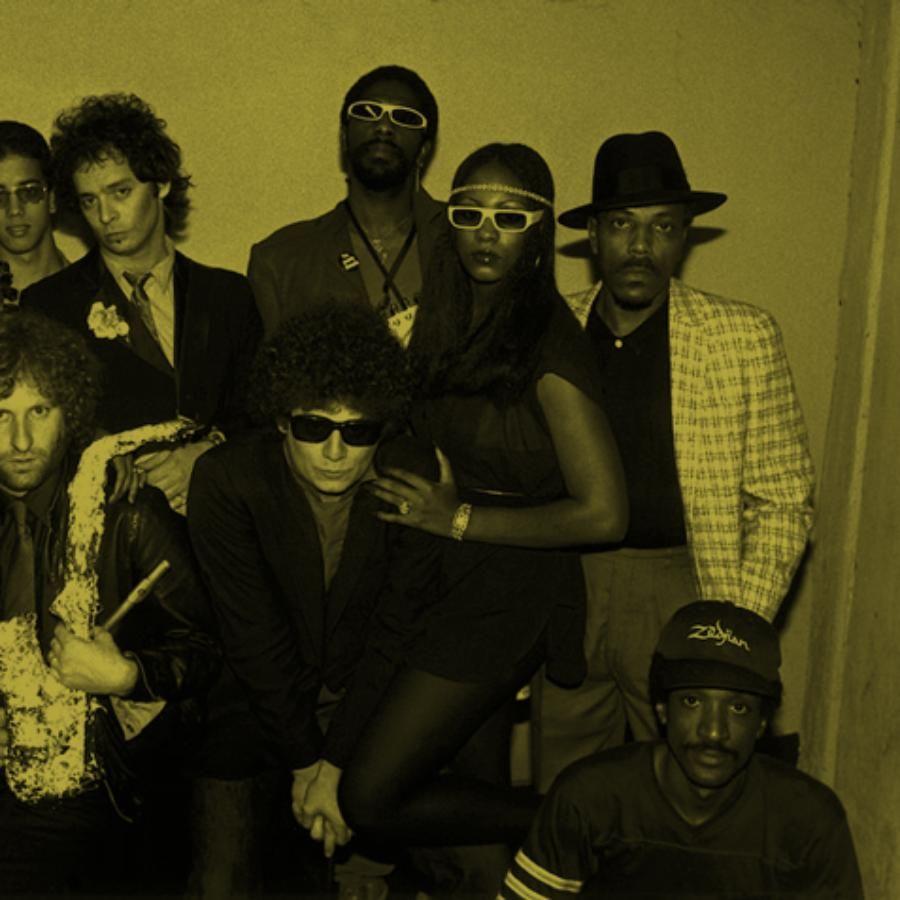
ZE Records was one of the most influential independent labels of New York's post-punk era. Founded in 1978 by British entrepreneur Michael Zilkha—whose father built the Mothercare retail empire—and French art student, journalist and producer Michel Esteban, the label fused punk, disco, funk and avant-garde experimentation into what became known as "mutant disco.”
Its roster included Kid Creole & the Coconuts, Was (Not Was), James White and the Blacks, Lydia Lunch, Cristina, Material, Suicide, Lizzy Mercier Descloux and The Waitresses. Through licensing deals, ZE productions reached a much wider audience via Island Records in Britain, Celluloid in France, and Antilles Records in the US, helping spread its distinctive downtown New York sound around the world.
“
I could only afford to sign people nobody else wanted”
Michael Zilkha
Although its original run lasted only until the mid-1980s, ZE's fearless blend of dance music, art rock and funk paving the way for later movements from dance-punk to electroclash, while remaining one of the defining soundtracks of New York's creative underground.
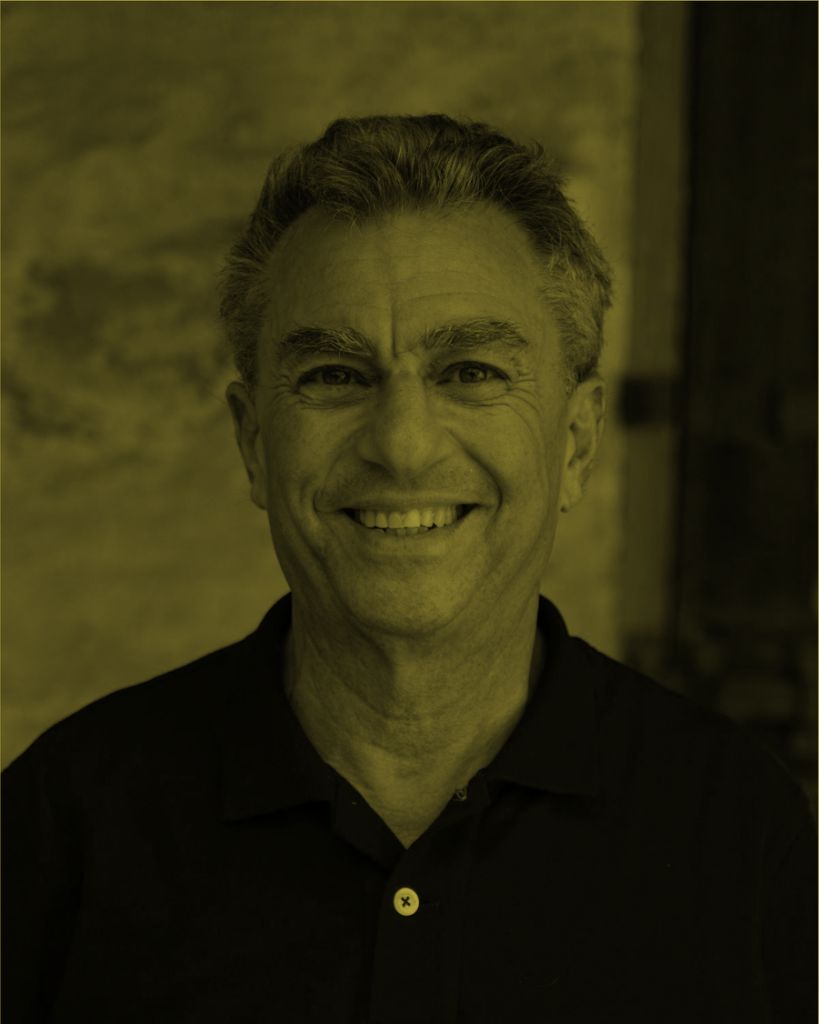
Michael Zilkha
Between 1978 and 1984, ZE Records became the meeting point where punk, disco, funk, avant-garde art, latin music and experimental electronics collided. Its catalogue captured the sound of downtown Manhattan at the end of the 1970s, when CBGB, Studio 54, SoHo galleries and the No Wave movement all existed within a few subway stops of one another. Although many of its records sold modestly, ZE's aesthetic would later influence artists ranging from the electroclash scene, nu-disco and modern post-punk revivalists.
ZE Records was founded in New York in 1978 by Michel Esteban and Michael Zilkha. The label's name simply combining the Z from Zilkha and the E from Esteban.
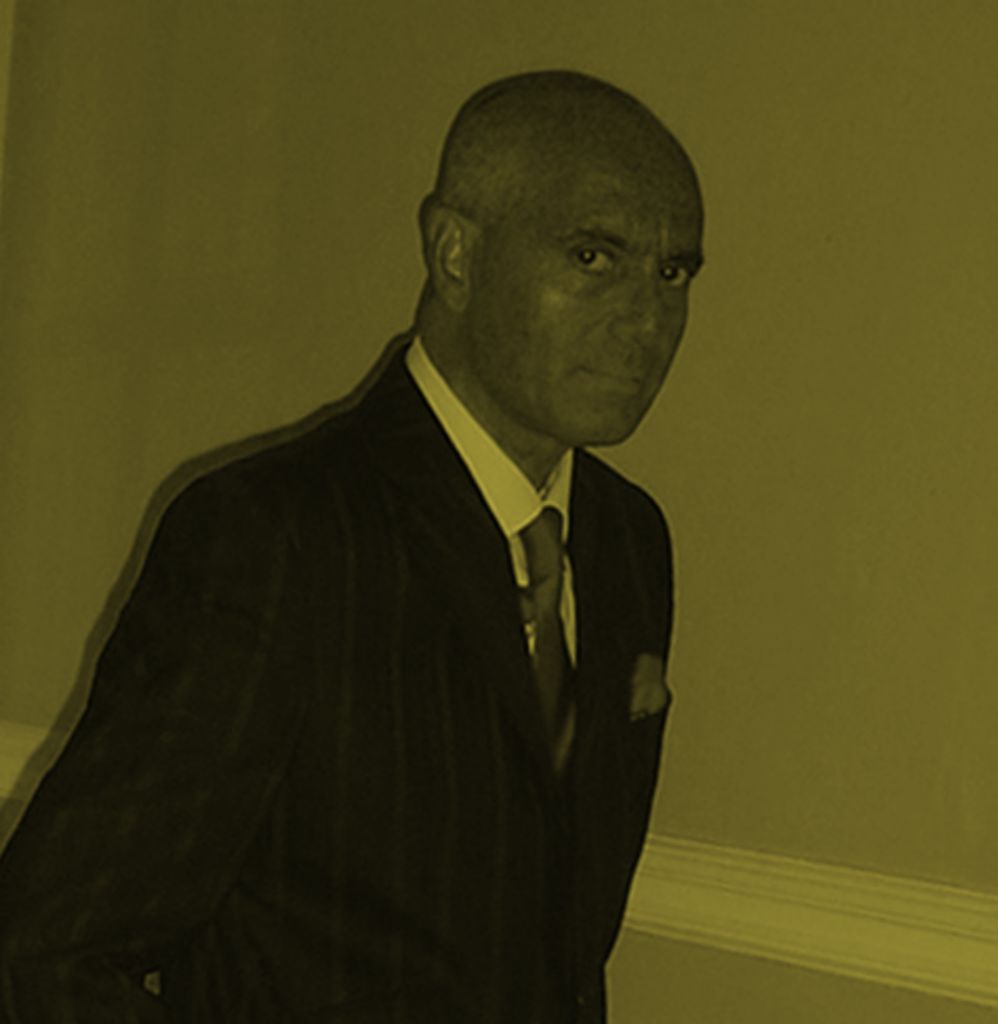
Michel Estaban
Michael Zilkha was born in Britain in 1954 and educated at Westminster School and Oxford University. His father, Selim Zilkha, founded the retail chain Mothercare, making Michael heir to a substantial family fortune. Rather than joining the family business, he moved to New York in the mid-1970s, writing theatre criticism for The Village Voice. Zilkha believed there was an untapped audience between disco and punk music that retained the rhythmic excitement of dance music while embracing the attitude and experimentation of the new underground scene.
“
...it turned into an important place for Parisian bands, so I soon became involved with music. We had a rehearsal place in the basement, and this band Marie et Les Garcons came to see me with a demo....That’s how it all started.”
Michel Esteban
Michel Esteban brought a completely different background. Born in Paris in 1951, he studied graphic art before opening Harry Cover, a legendary Paris record and fashion boutique specialising in imported British and American underground music. The shop became an informal headquarters for France's emerging punk movement. Esteban also published Rock News, one of Europe's earliest punk magazines, promoted the Sex Pistols in France, worked with Patti Smith, published books by Patti Smith and Lizzy Mercier Descloux, and developed close friendships with artists including John Cale.
Before founding ZE, Esteban and Zilkha briefly worked with John Cale and Jane Friedman on SPY Records, producing early releases by Marie et les Garçons and others. They soon left to launch their own label with a broader artistic vision.
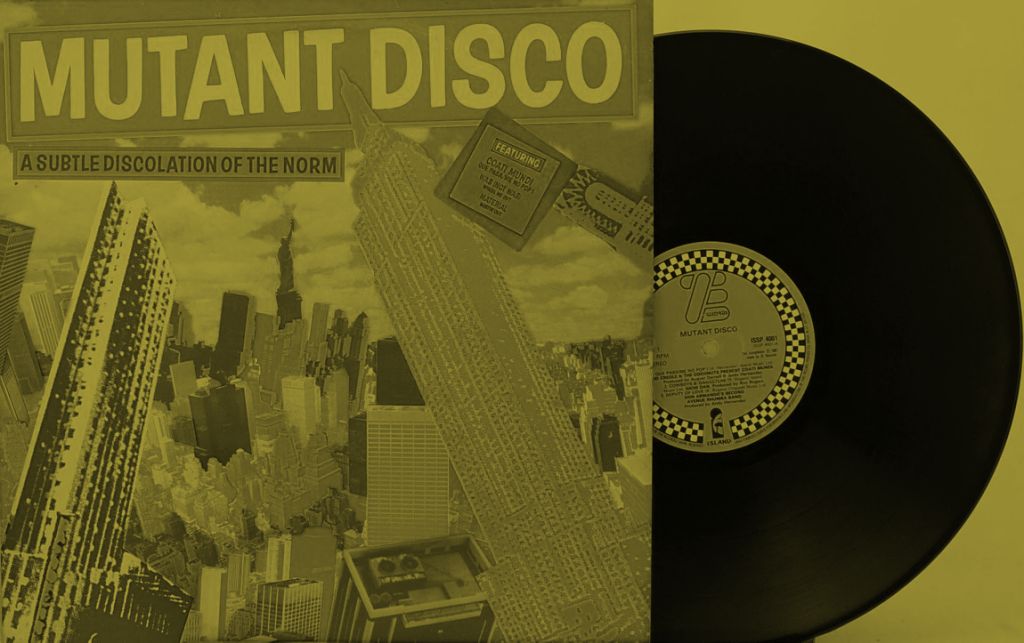
Mutant Disco Compilation
A 1981 Ze compilation effectively coined the phrase "mutant disco," with its title - describing music that sounded equally at home in CBGB and Studio 54. ZE represented the fashionable downtown art world as much as the music business, with connections to figures such as Jean-Michel Basquiat, Keith Haring and the fashion scene surrounding Anna Wintour, who was dating Esteban during the label's formative years. A worldwide licensing deal with Island Records helped distribute ZE releases internationally both on the Island imprint itself and the affiliated Antilles label in the US. The French connection was maintained through close licensing arrangements with Celluloid - another label straddling the Disco-Post-Punk scenes.
Disco Clone was ZE's very first single. Cristina Monet-Palaci became the label's witty, glamorous voice, delivering sophisticated songs full of satire, irony and social commentary. Produced initially by August Darnell and later by Don Was, her recordings remain among ZE's defining releases.
Originally a New York studio project led by producer Duncan Bridgeman, Aural Exciters combined electronic production, funk and dance grooves. "Marathon Runner" became one of the label's underground club favourites
Casino Music represented ZE's European side, mixing French new wave with dance rhythms. Their stylish, minimalist recordings fit perfectly within the label's cosmopolitan aesthetic.
Whilst Don Armando's Second Avenue Rhumba Band - led by DJ and producer Don Armando - bridged Latin percussion, disco and downtown club culture. Deputy of Love became one of ZE's biggest dance hits and remains a classic of New York disco.
Originally discovered by Esteban in France, Marie et les Garçons evolved into Ze artists Garçons, bringing angular French post-punk into ZE's catalogue. Their sophisticated European sound distinguished them from their American contemporaries.
James Chance became one of No Wave's defining figures. Under his James White persona he reinvented the same music as dance-funk, with "Contort Yourself" becoming one of ZE's signature recordings. Its fusion of free-jazz saxophone, James Brown rhythms and punk aggression epitomised bizarro mutant disco.
Ze artist Lizzy Mercier Descloux was close friend of Patti Smith and Michel Esteban. Moving from No Wave minimalism into African and Caribbean-influenced music years before "world music" became fashionable, her album Mambo Nassau remains a landmark of adventurous pop.
One of ZE's most obscure acts, Rosa Yemen combined electronic textures with post-punk minimalism. Tracks such as "Decrypted" exemplified the label's willingness to sign unconventional artists whilst one of the highest profile Ze acts also experimented with electronics in classic avant-garde drone fashion - that duo was Suicide.
“
Everybody was scared of Suicide, but I couldn't believe they were unsigned.”
Michael Zilkha
Alan Vega and Martin Rev were already cult legends before joining ZE. The label gave wider exposure to classics including "Dream Baby Dream," "Radiation," "Dance" and "Touch Me." Their primitive drum machines, distorted Farfisa organ and confrontational vocals profoundly influenced synth-pop, industrial music and techno.
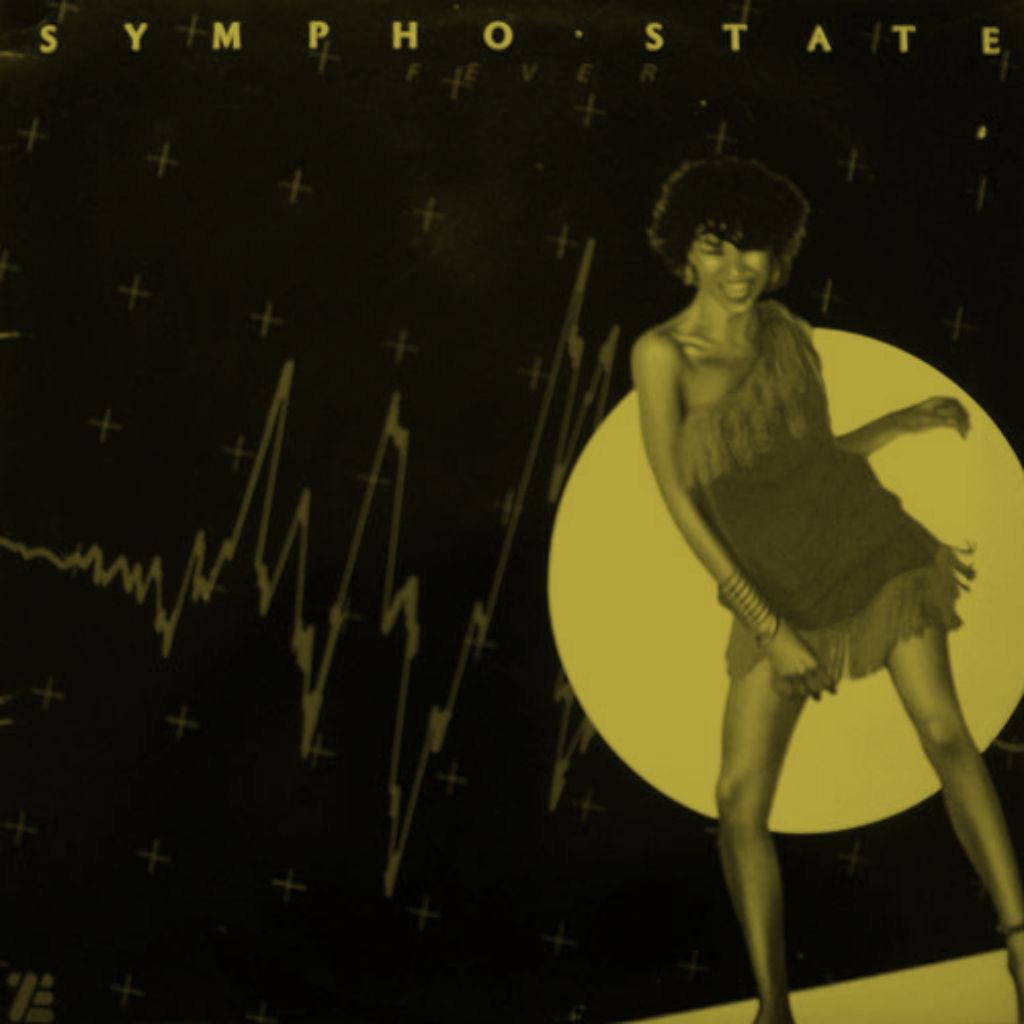
Sympho-State
Perhaps the release with the largest mythology on Ze is Sympho-State. You Know What I Like was a frantic B-side piece of euphoric 1979 disco with soaring strings, glorious horns, not one but two thunderous drum breaks and a vocal that sounded suspiciously like an uncredited Leroy Burgess - the legendary disco vocalist. Sought after for decades it was indeed confirmed to be a Leroy Burgess and Christine Wiltshire composed side-project - arranged by jazz fusion artist Carlos Franzetti and mixed and recorded by the legendary Bob Blank in New York. It was relatively unknown for decades due to it being a rare French 12” release only.
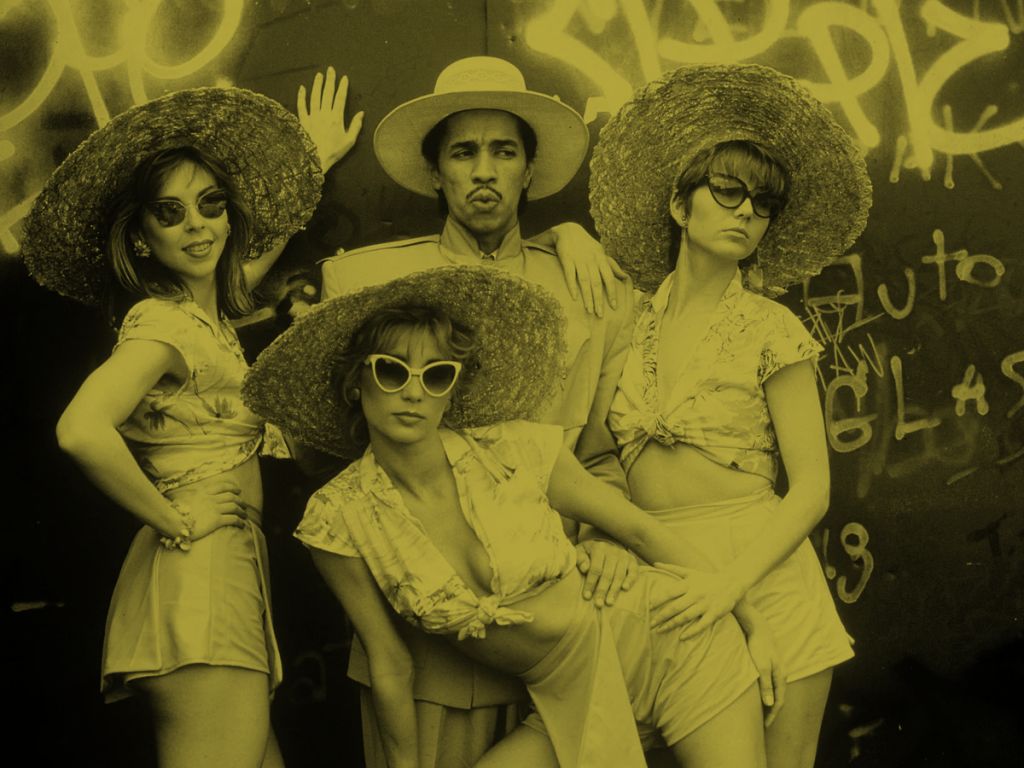
Kid Creole & The Coconuts
Although released on the Antilles label - the Kid Creole & The Coconuts releases proudly displayed the Ze logo as the band with producer August Darnell at the helm plus bassist Coati Mundi were firmly of the Ze artist camp. Kid Creole hit the mainstream with joyous tracks like I’m A Wonderful Thing whilst Mundi had his own minor hit with the quirky half-sung-half-rap Que Pasa/Me No Pop I.
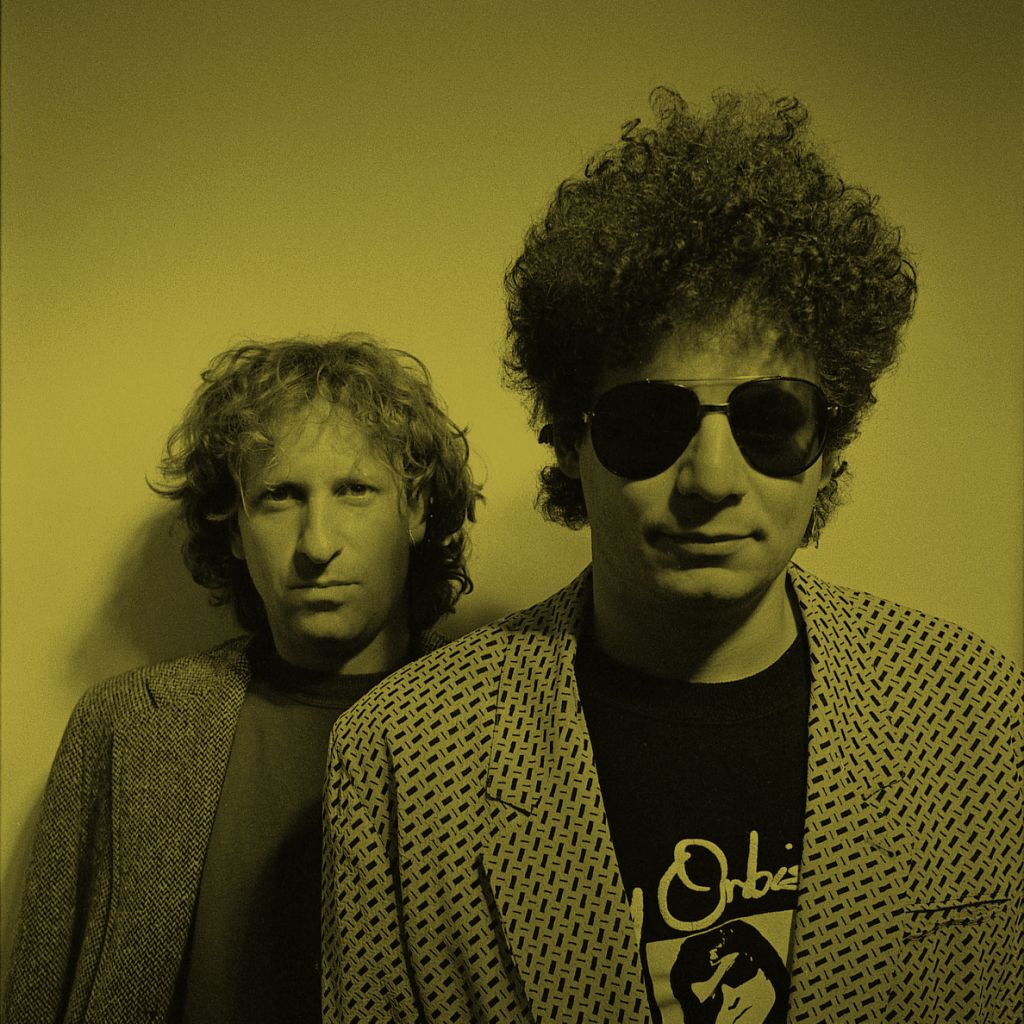
Was (Not Was)
Matching the mainstream success of The Coconuts were Was (Not Was). Detroit duo Don Was and David Was brought political humour, funk, soul and experimental pop to ZE. Songs like "Wheel Me Out" and "Out Come the Freaks" became Detroit anthems: “Woodward creaks and Out Come The Freaks” immortalising the city’s main thoroughfare which had seen better times.
Bill Laswell's ever-changing collective Material became one of ZE's most musically adventurous acts, combining funk, dub, jazz and experimental production. Nona Hendryx's appearance on "It's A Holiday" demonstrated the label's openness to established soul artists alongside avant-garde musicians.
ZE Records ceased regular operations in 1984, although Michel Esteban revived the label in 2003 to oversee reissues and archival releases. Despite its brief lifespan, ZE left an extraordinary legacy. It demonstrated that punk could dance, disco could be intellectually adventurous and experimental music could still fill dancefloors.